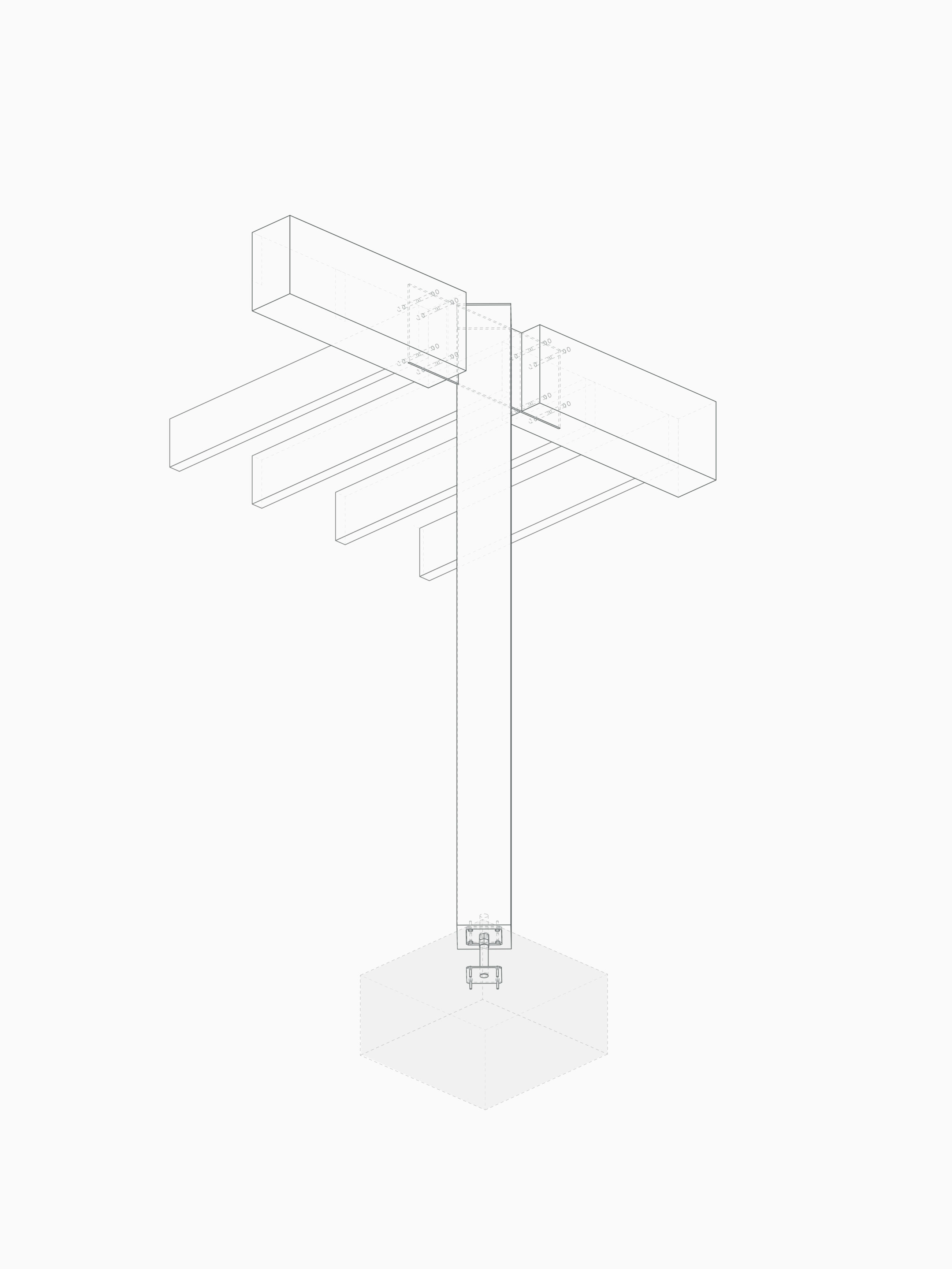
Architecture as Assembly
02 Observations: Architecture as Assembly
02-2026
Architecture begins with the act of placing one thing on another.
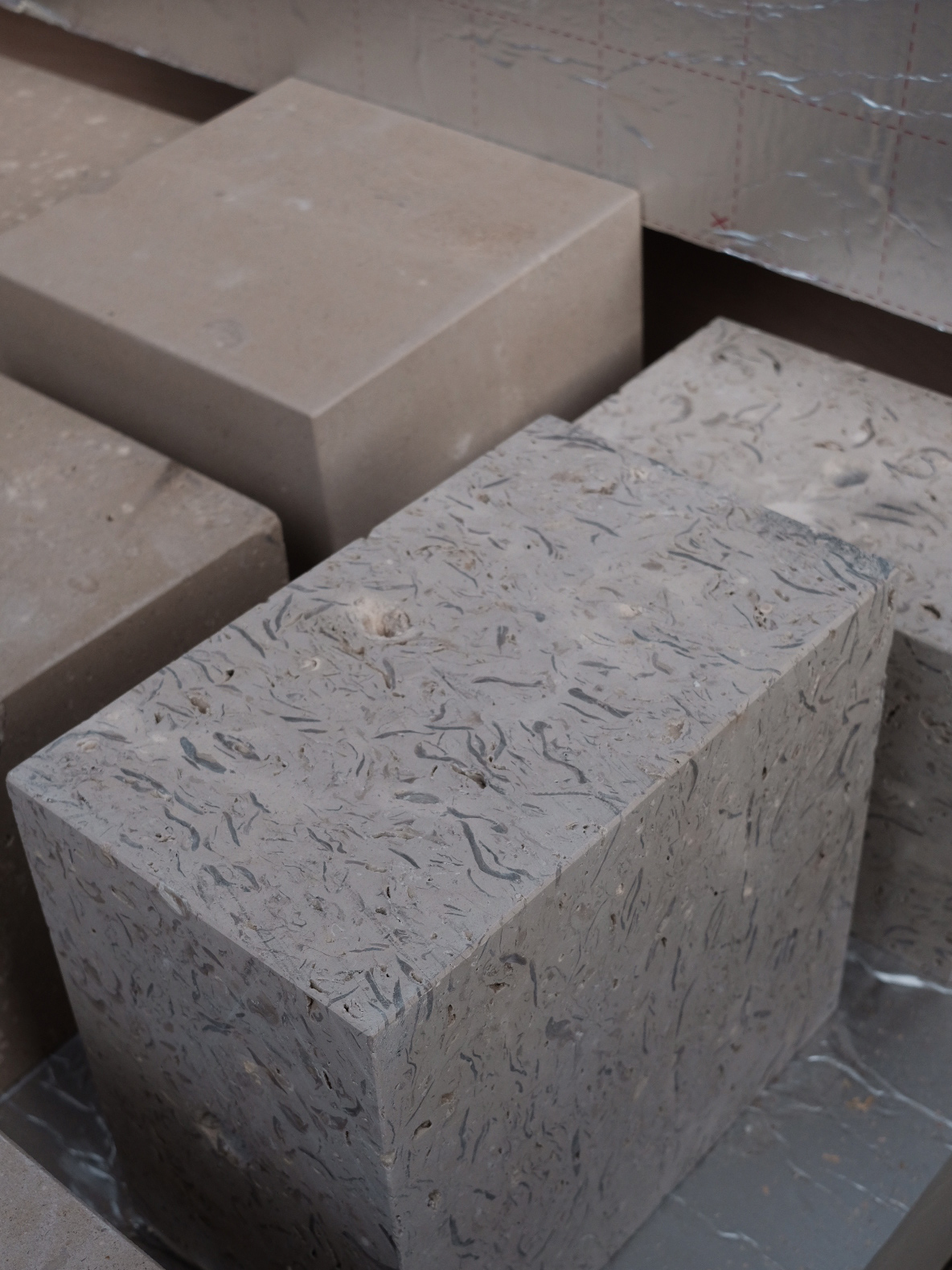
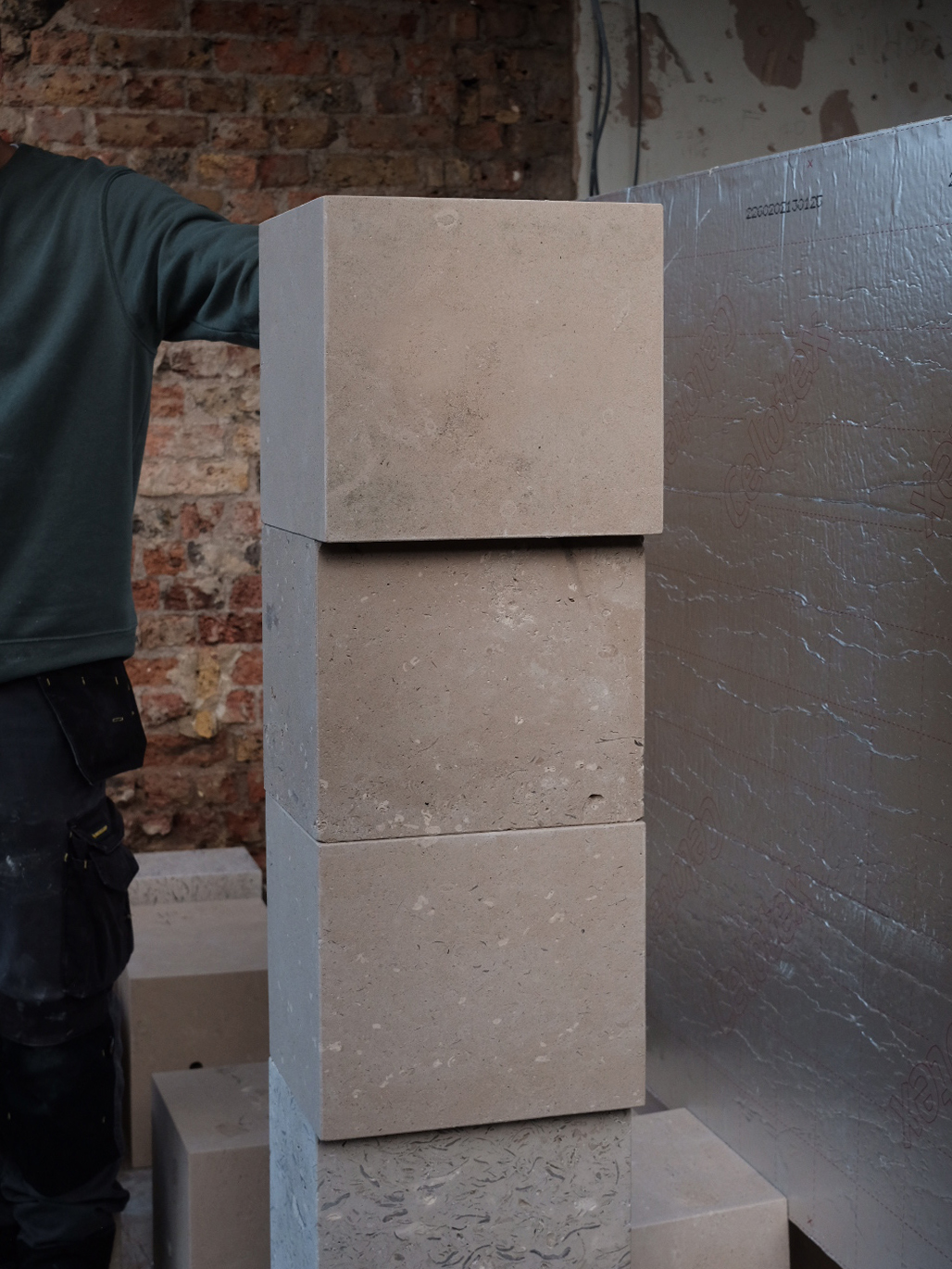
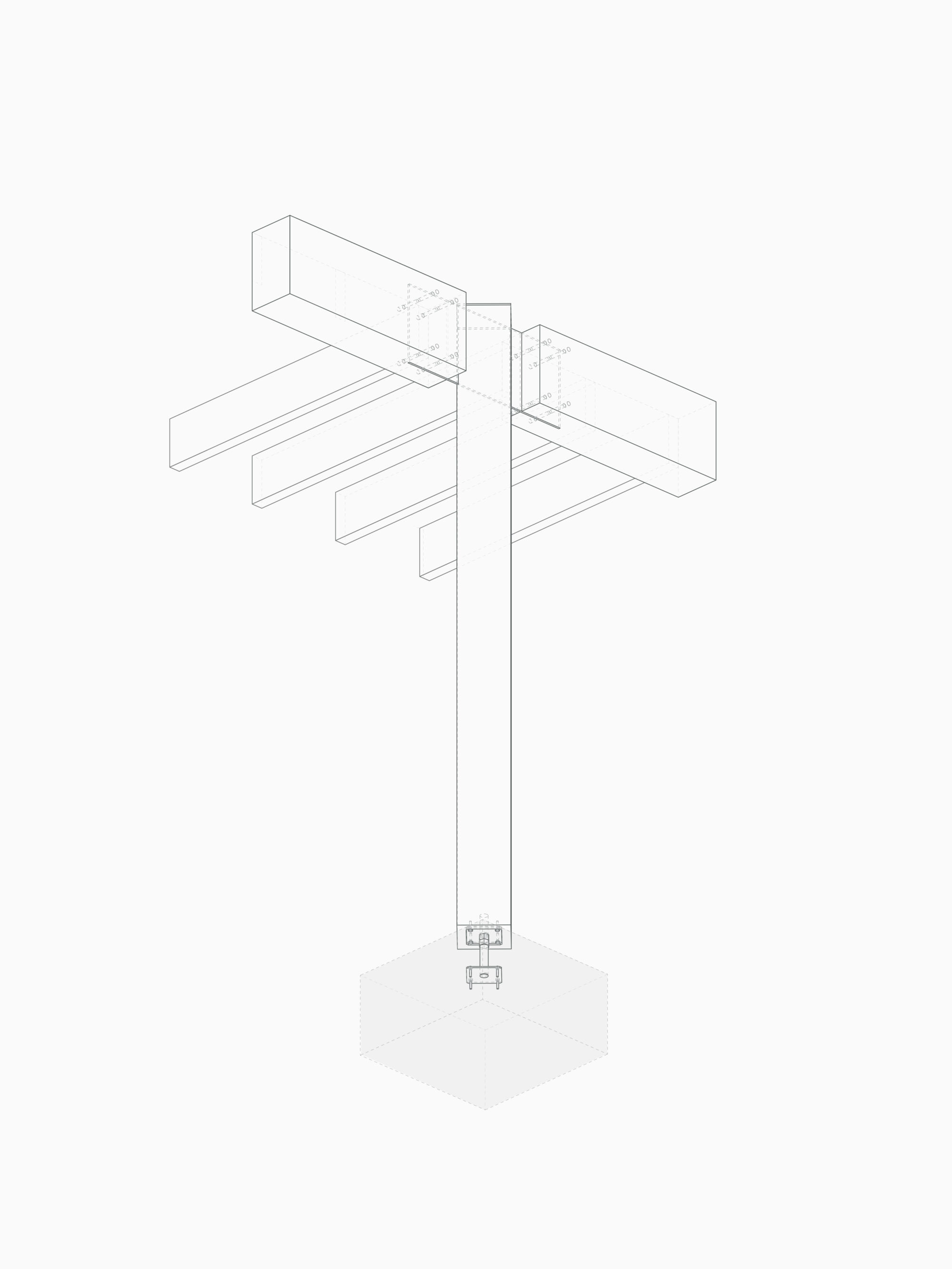
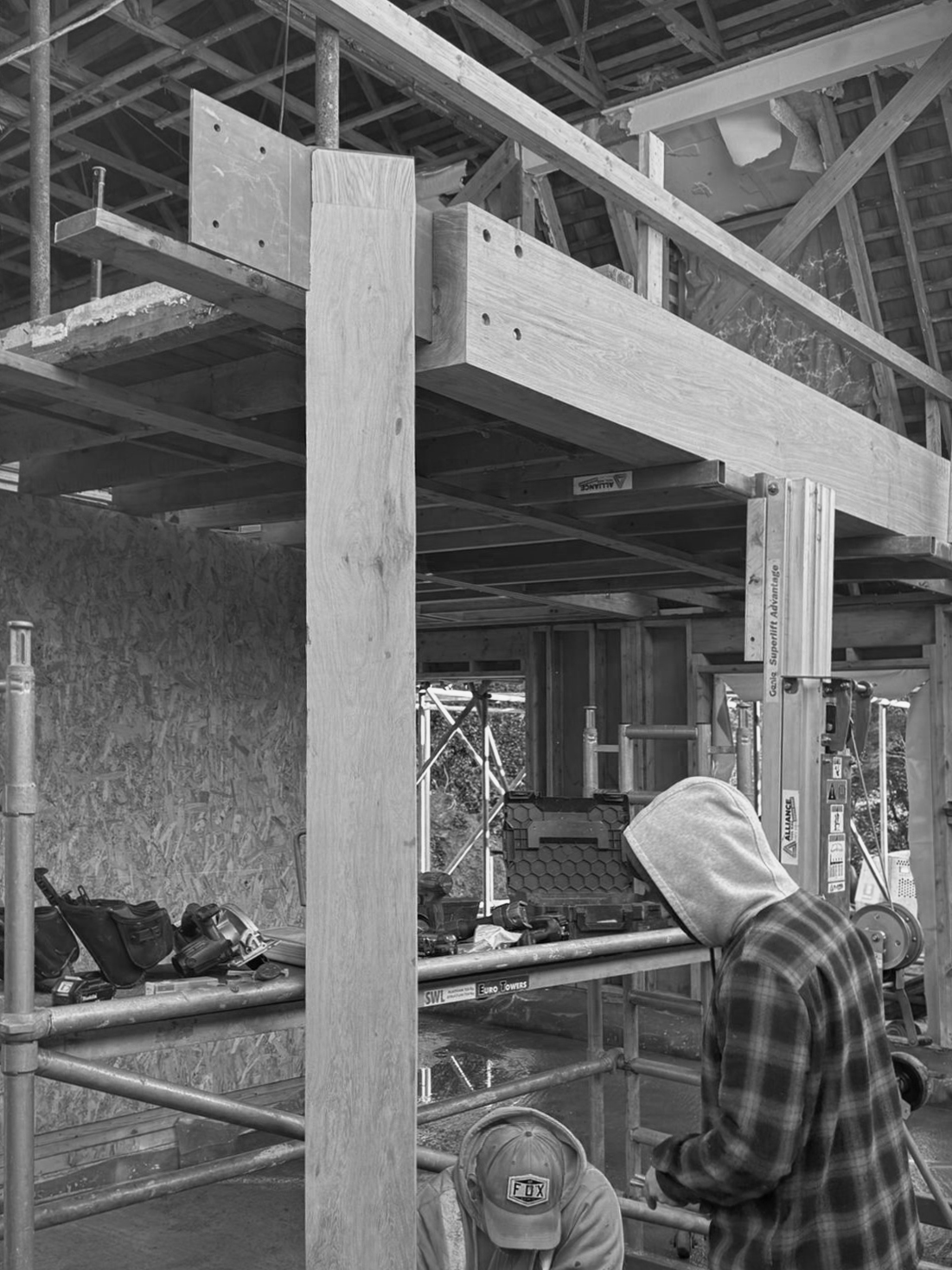
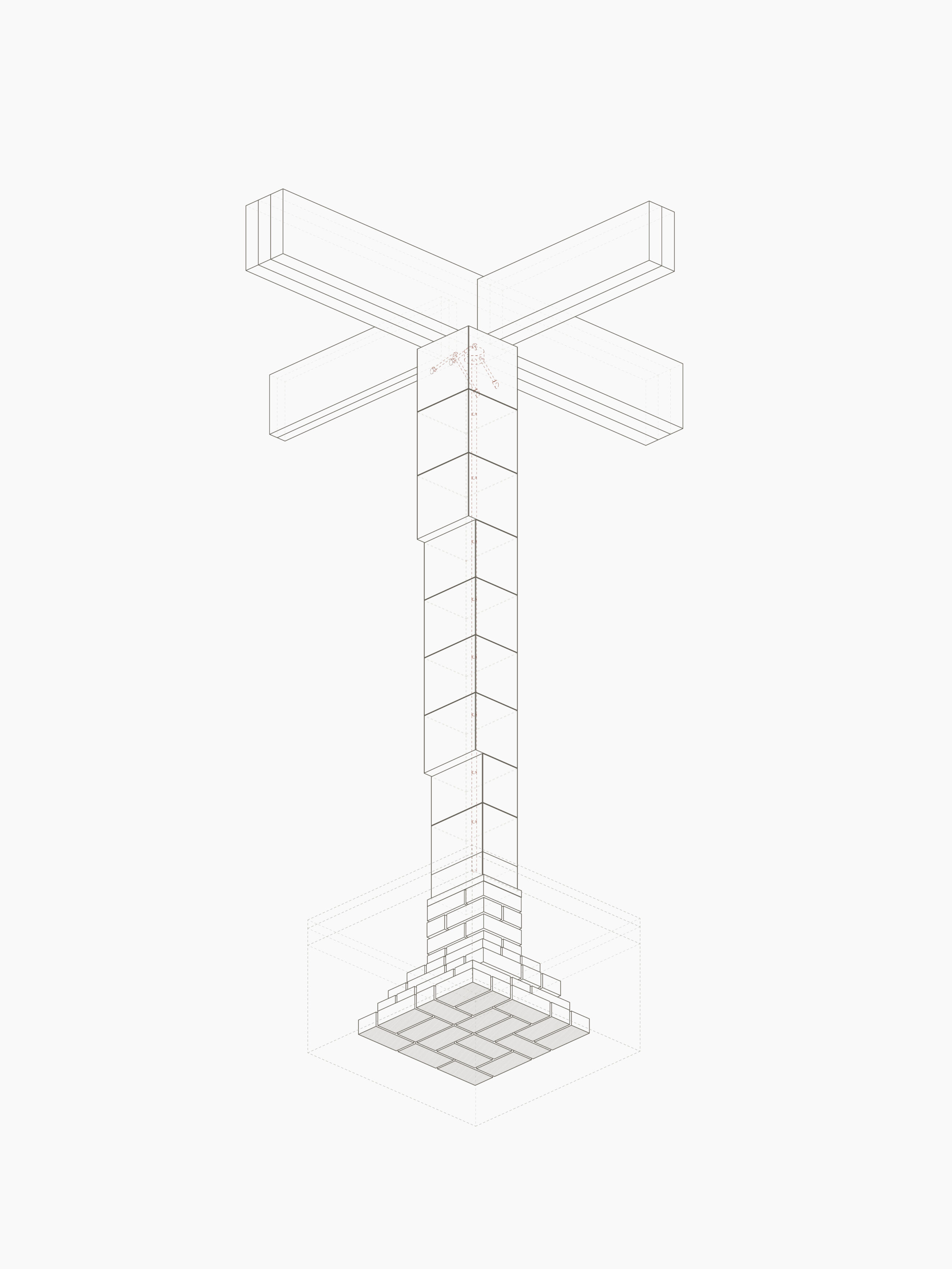
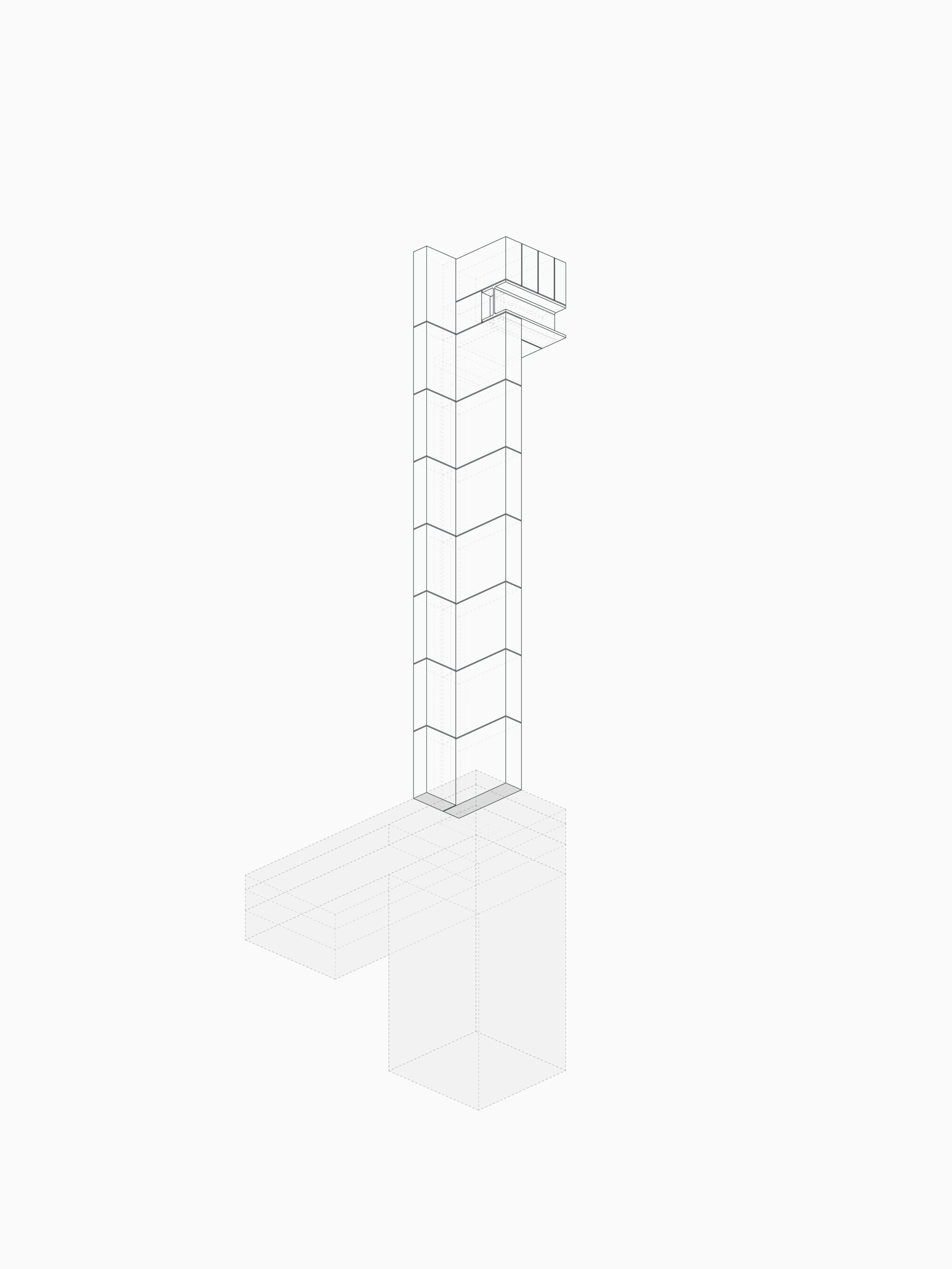
Before drawings, before images, before form, architecture emerges through assembly: a stone laid upon the ground, a beam resting across two supports or a roof placed upon a wall. The discipline rarely invents materials. It invents ways to arrange them. Its intelligence lies not in fabrication alone but in the careful arrangement, positioning, repetition, and the joining of simple elements. In this sense, architecture can be understood as a practice of assembly. A way of producing spatial, structural, and atmospheric richness through the accumulation of modest parts. Rather than relying on technological complexity or expressive form, assembly proposes a quieter approach: doing more with little means. This position does not romanticise simplicity but recognises that limits of material, of labour, and of technique can sharpen architectural thinking. When means are reduced, decisions become clearer and more precise. The building reveals how it stands, how it is made and how it may endure.
The Intelligence of Stacking:
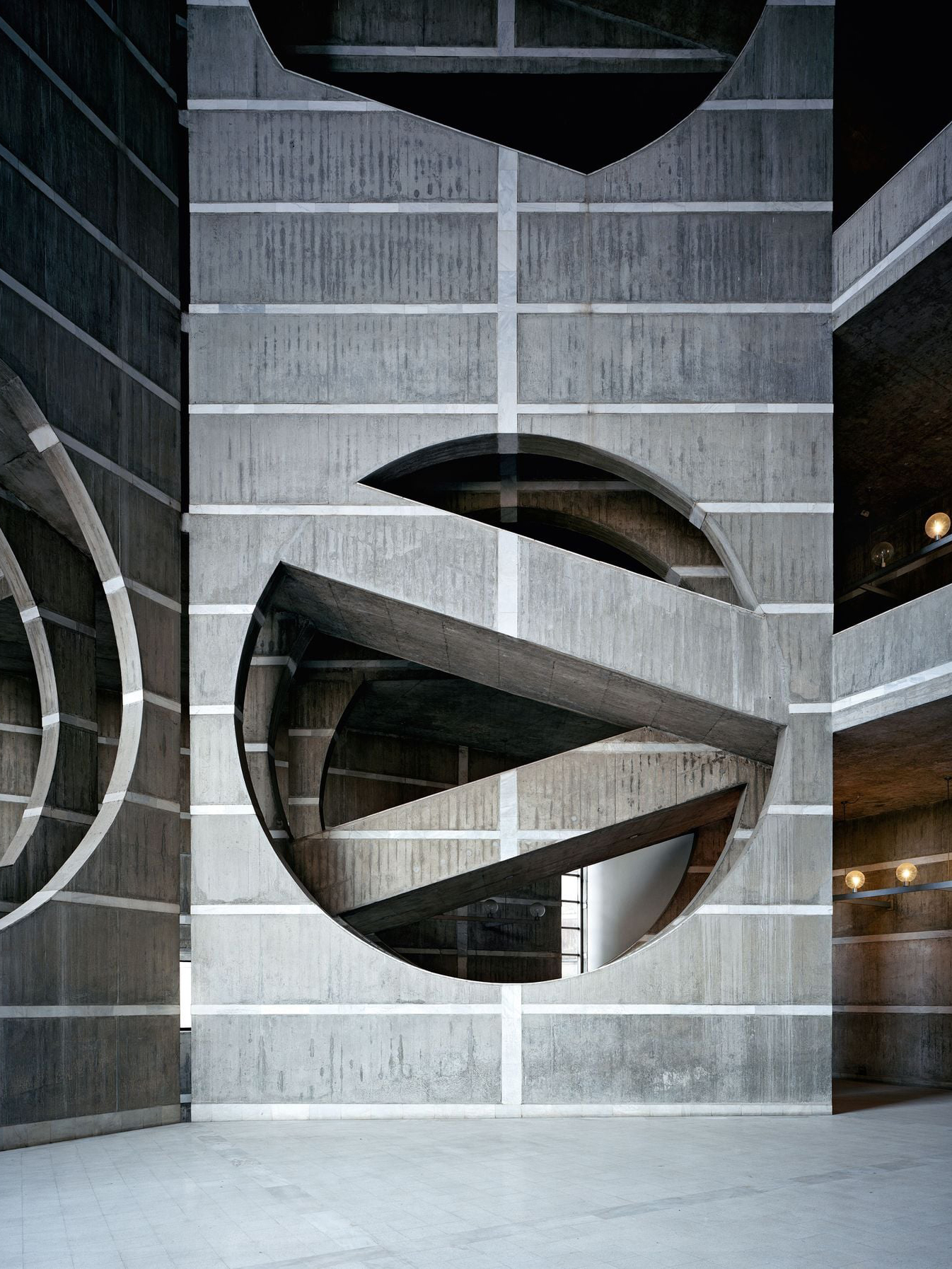
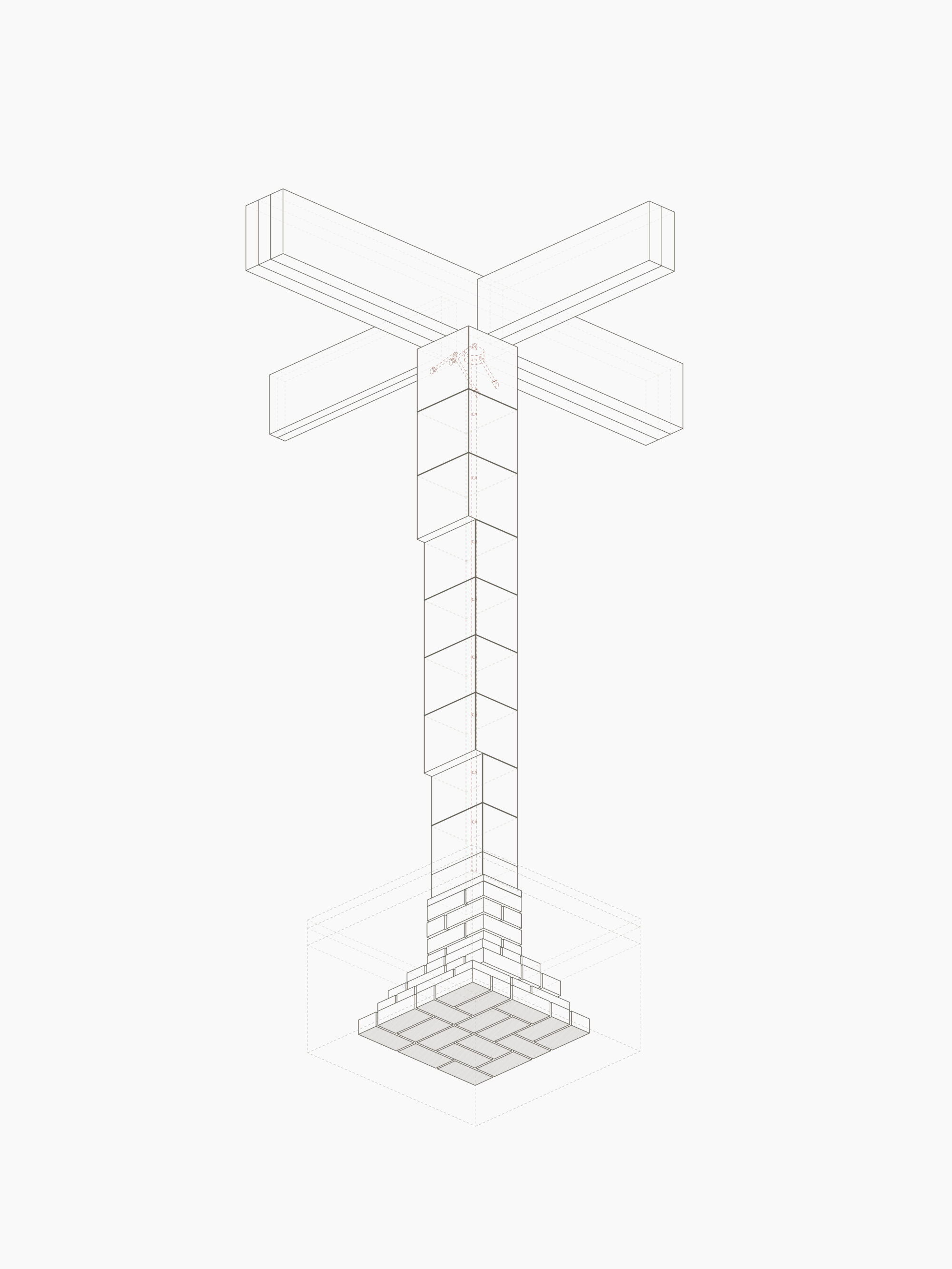
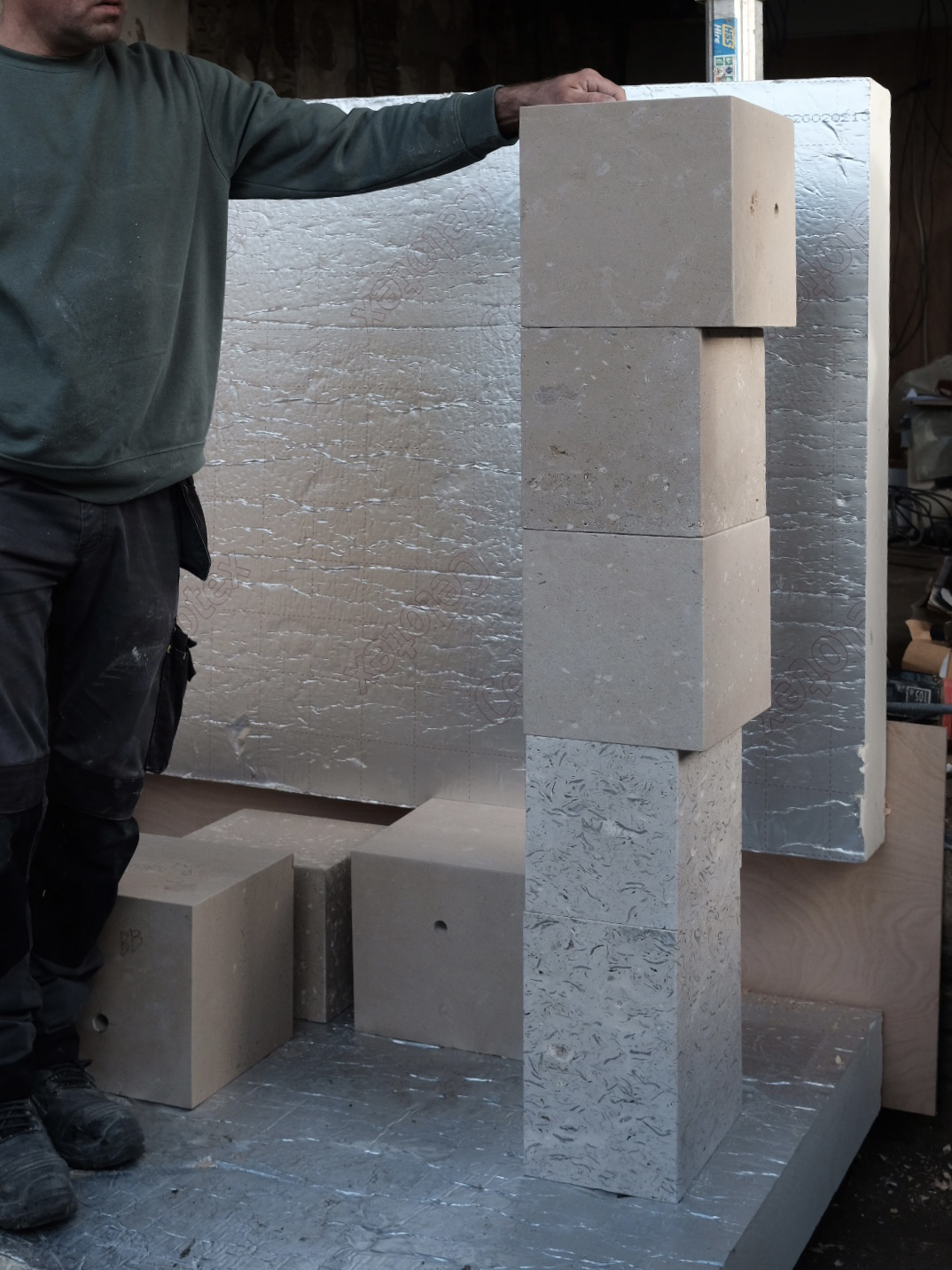
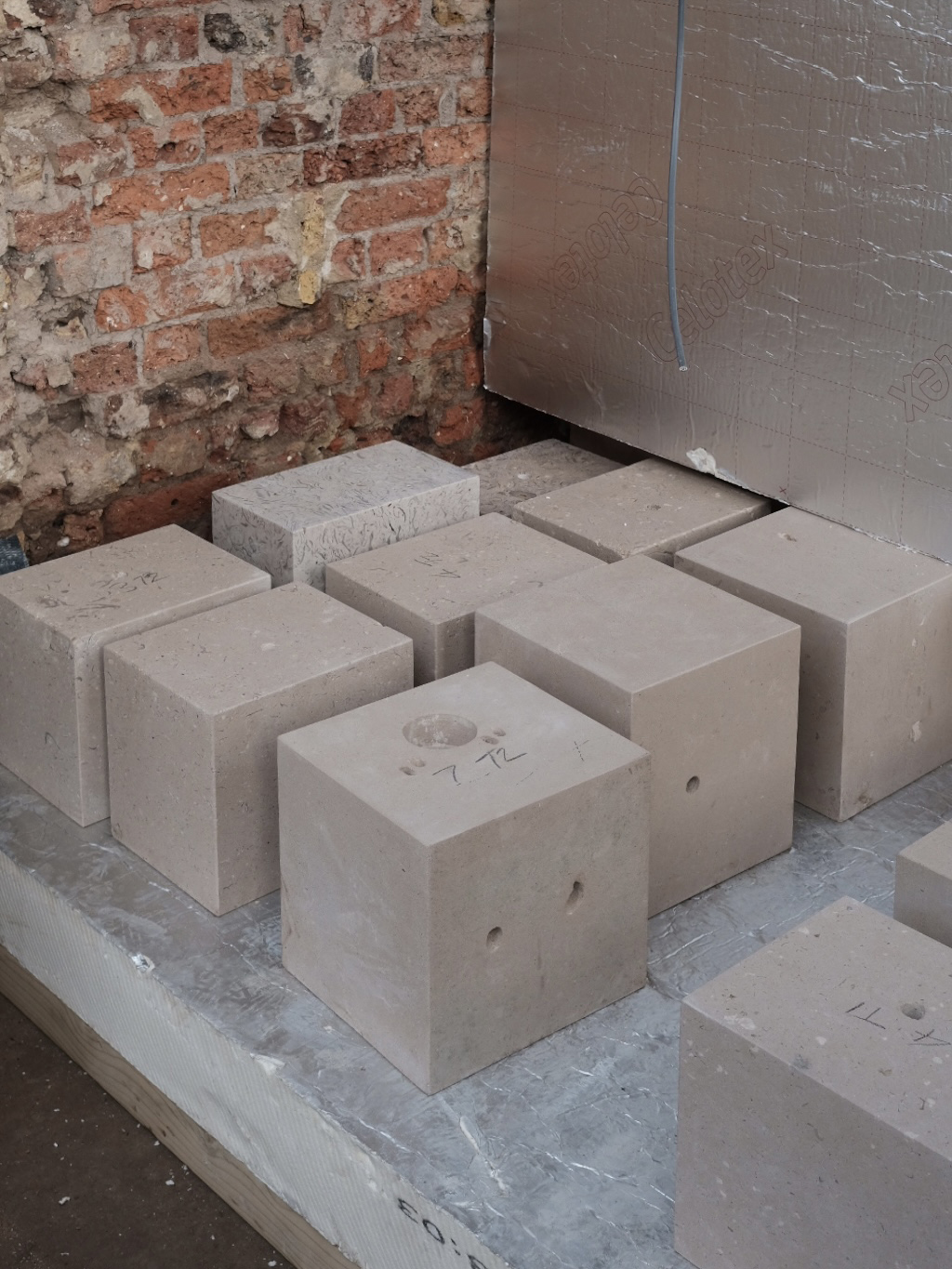
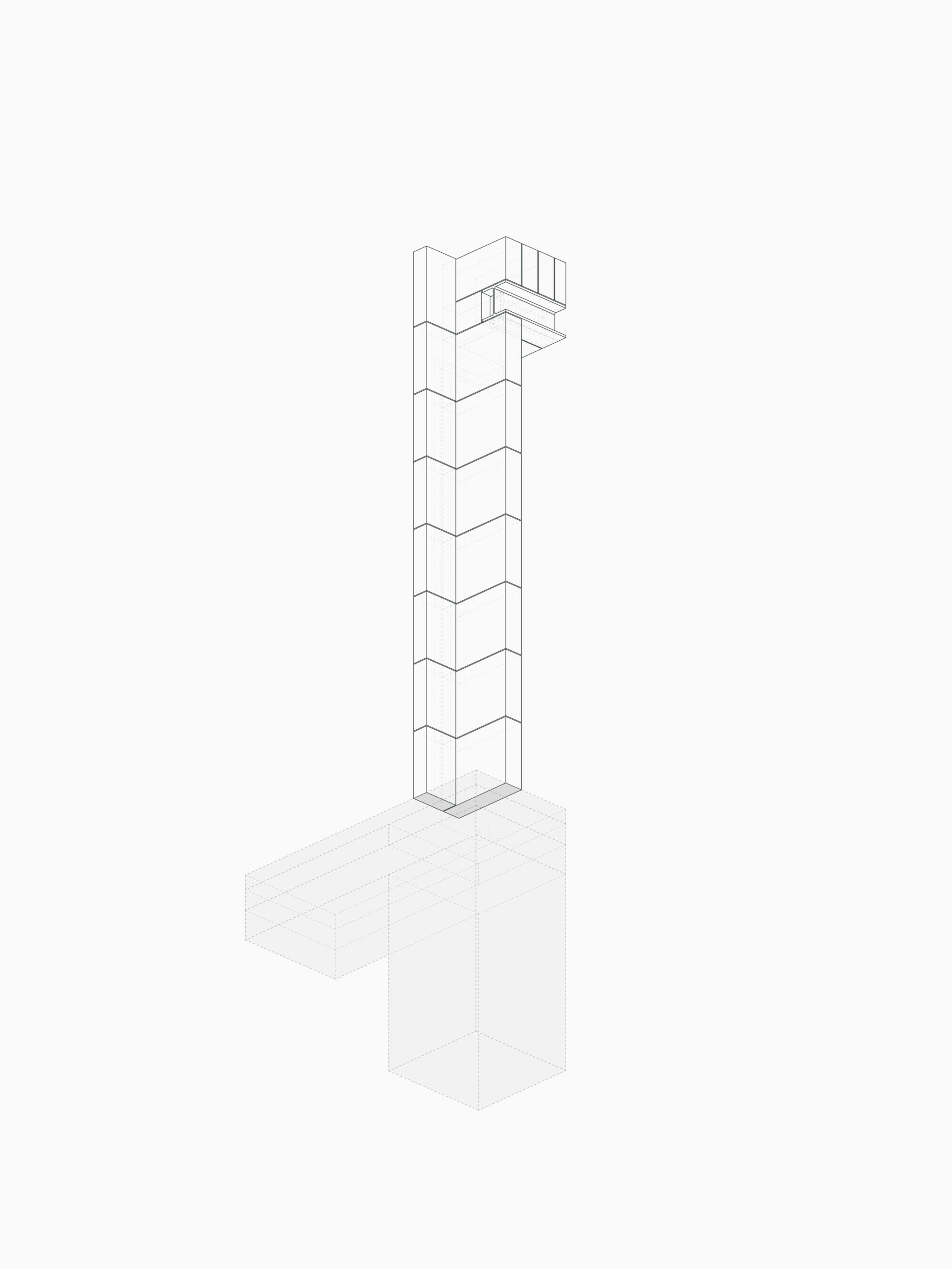
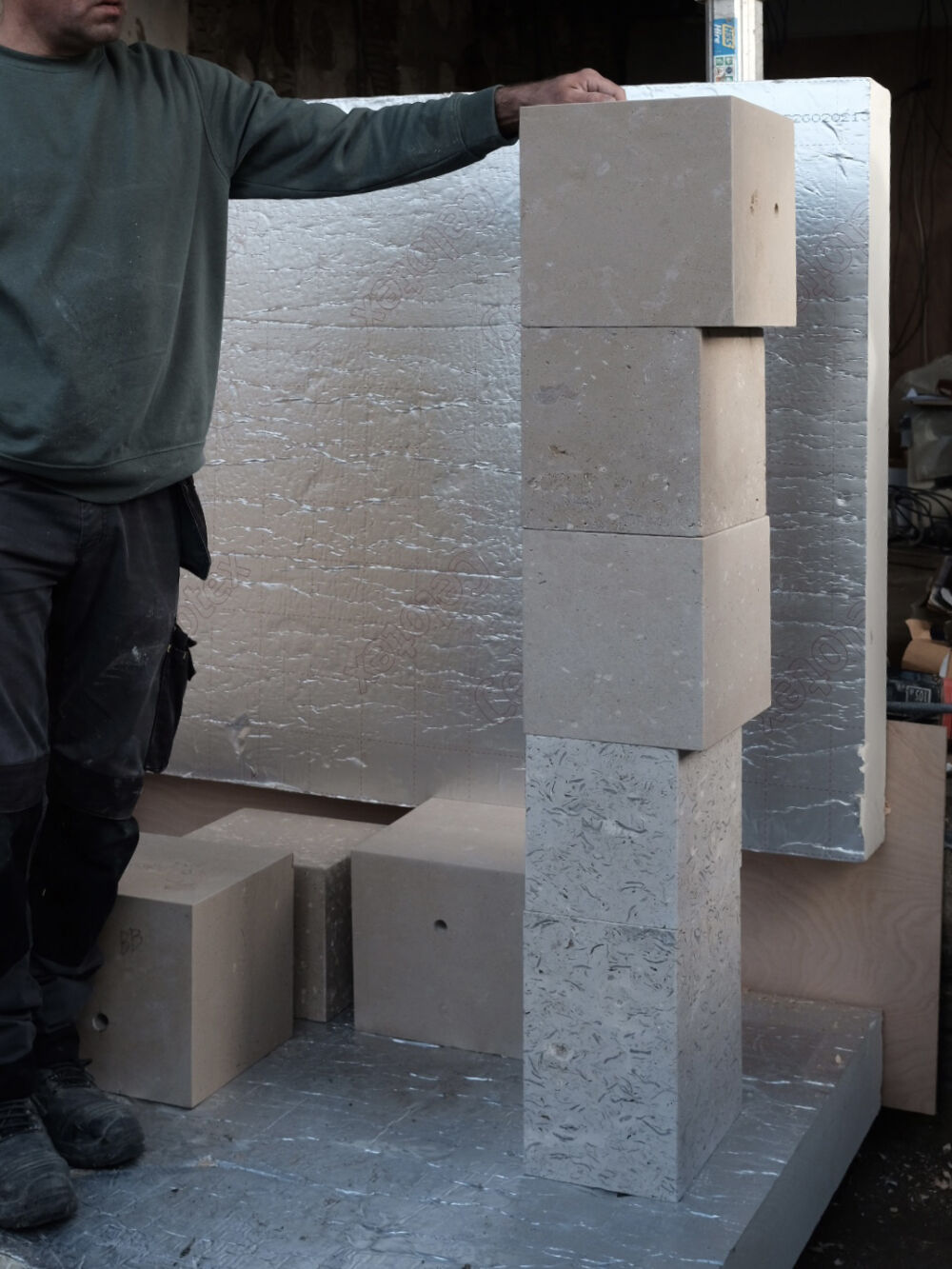
Among the most fundamental operations in architecture is stacking. Stone and brick masonry form walls, earth blocks help breathe and insulate, and timber assemblies shape space. They all rely on the same basic principle: gravity organises matter into structure. Piece by piece the building rises through accumulation. This incremental logic has shaped construction across cultures and centuries, not because it is primitive but because it is reliable. Stacking introduces a discipline of rule rather than expression. Each element follows a simple logic: one unit placed upon another. Yet the resulting structures can achieve remarkable variation and depth. Walls thicken, openings emerge, surfaces catch light differently depending on their orientation and density. The richness of the architecture arises not from singular gestures but from the consistency of the system. Louis Kahn often spoke of the desire to understand what a material “wants to be.” This statement can be interpreted not as poetic metaphor but as a question of assembly. A brick wall, for example, expresses both weight and order through its stacked units. The wall reveals the logic of gravity and repetition, while small adjustments, whether it be an arch, a recess or a shift in alignment, produces spatial and atmospheric consequences.
In Kahn’s work, construction is never hidden. The building communicates the rules of its own making. Structure becomes legible, and the act of stacking transforms into an architectural language.
Assembly and Atmosphere:
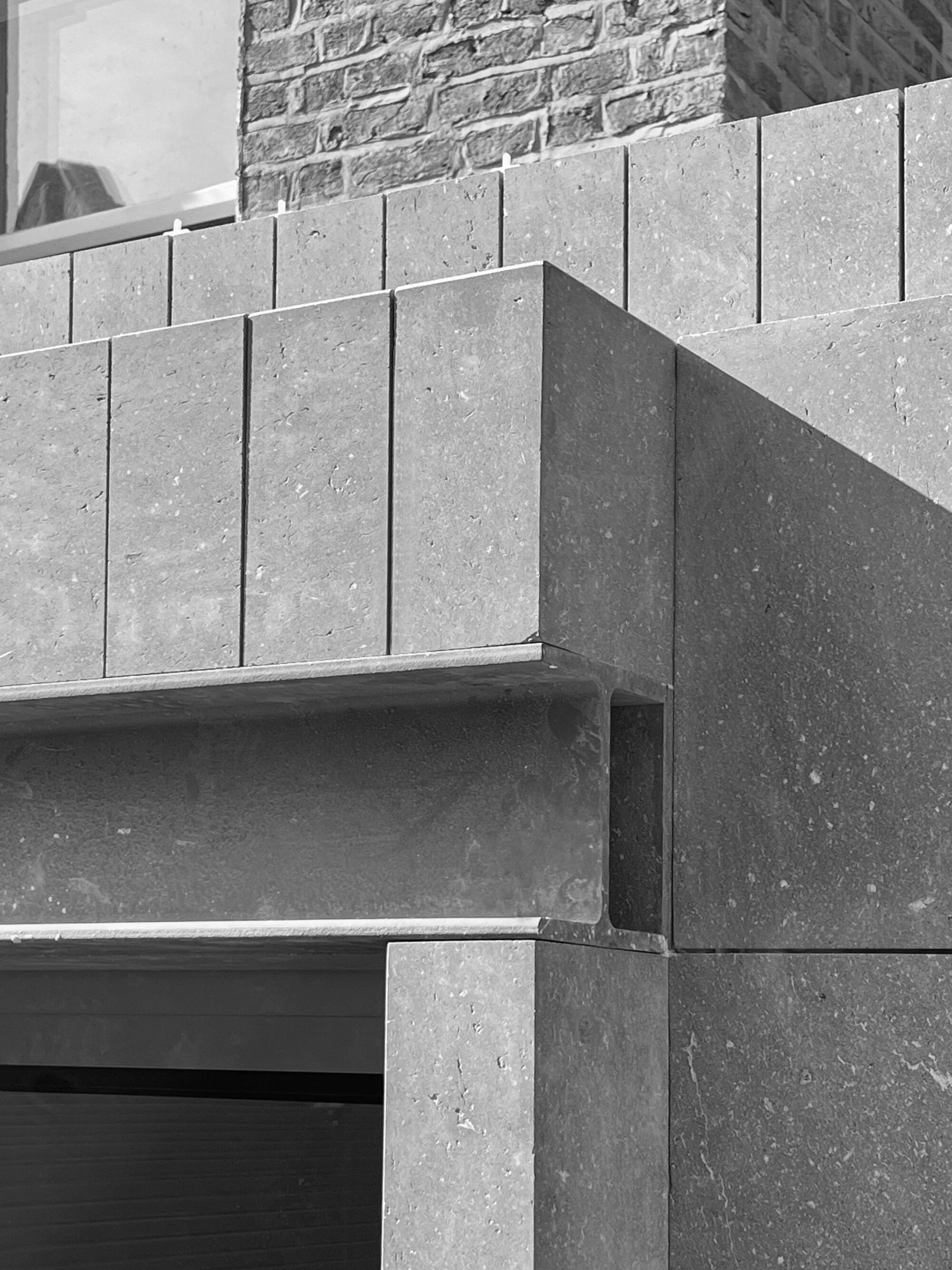
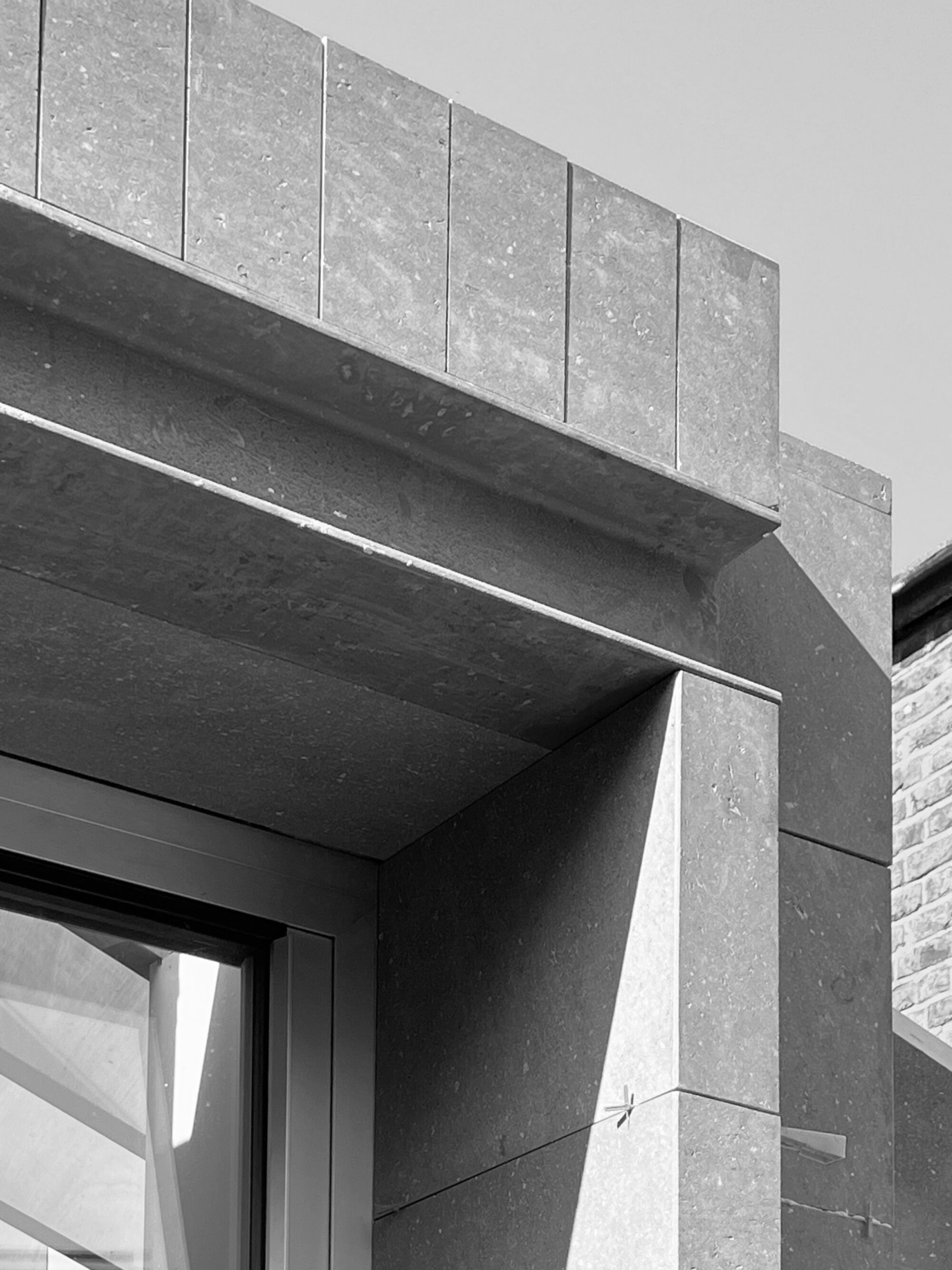
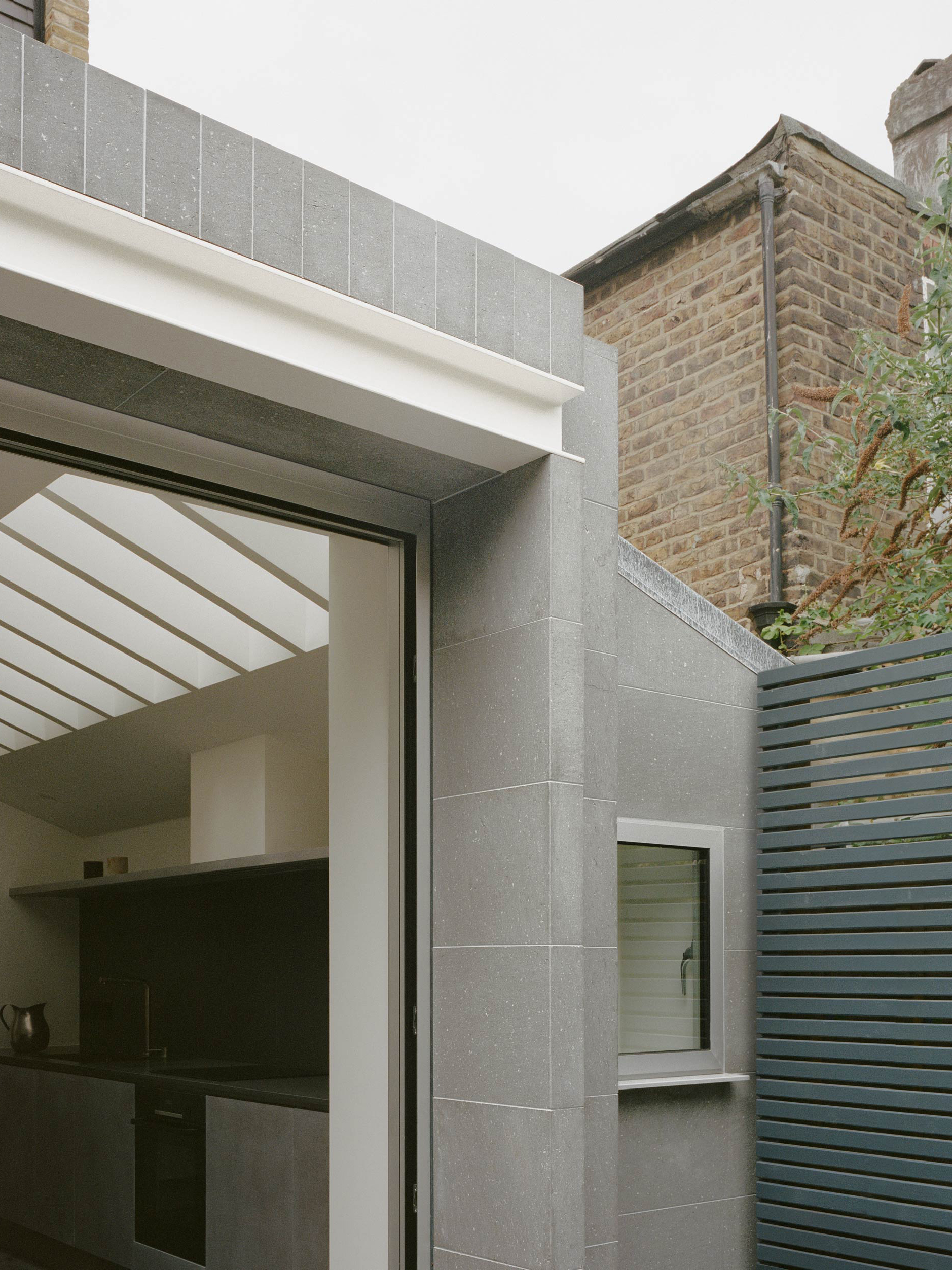
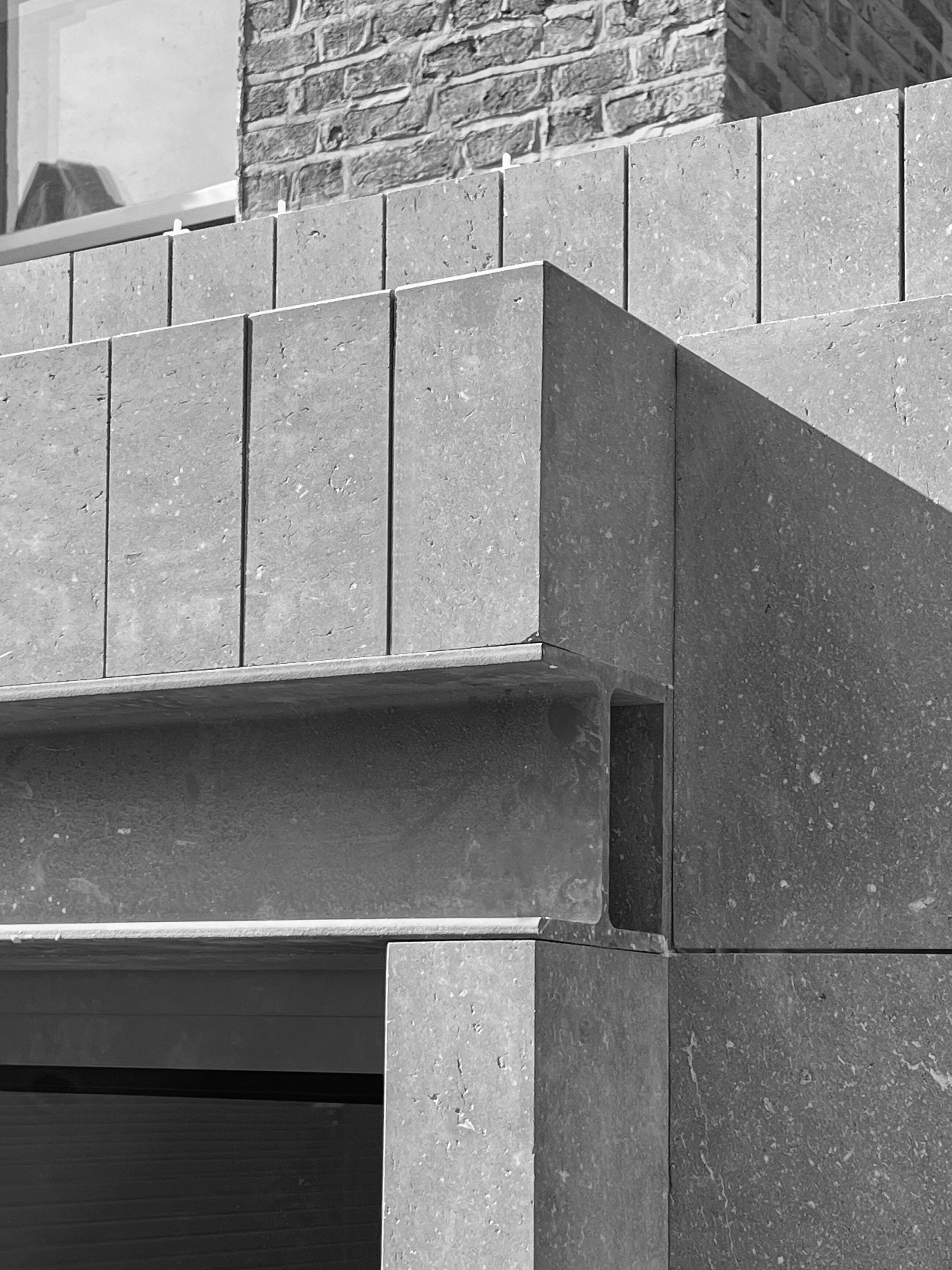
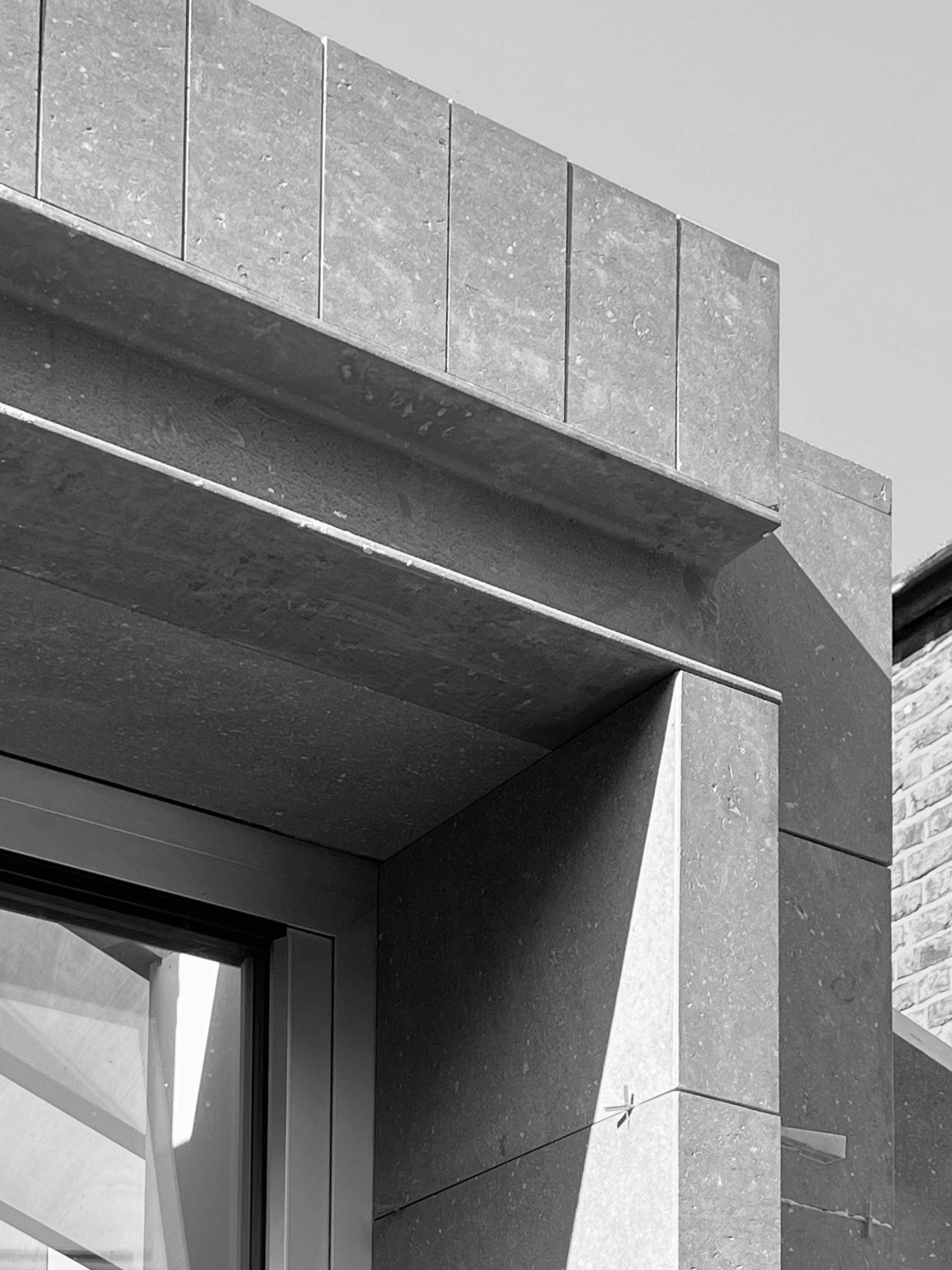
When architecture emerges from assembly, atmosphere is not applied afterward. It is produced directly by the consequences of making. The joint between bricks, the roughness of plaster, the edge of a timber board, the expression of elements or the overlap of metal sheets all participate in shaping how a building feels. These surfaces and edges carry traces of the construction process. They record the rhythm of placement, the texture of tools, and the small variations that occur during building. Light interacts with these surfaces in subtle ways and express something new. For example when the mortar joints catch a shadow or the layering of edges create depth. Repetition establishes a quiet rhythm across a wall, a column, opening or ceiling. Atmosphere emerges through these accumulations rather than through decorative treatment. This approach aligns with a broader architectural ethic: the belief that material presence and spatial sequence can generate emotional resonance. Its qualities unfold gradually through occupation and the effect of light and the environment.
Title: Architecture as Assembly
Year: 2026
Type: Research
Related Projects