Change as a Condition
03 Observations: Change as a Condition
03-2026
Reuse in design is often framed as a question of restraint: how to build less, consume less and minimise impact. While this remains essential it risks positioning reuse as a limitation and an exercise in reduction rather than a driver of possibility. An alternative reading is to understand reuse as a framework for change. Rather than fixing a design at the point of completion, reuse introduces a temporal dimension in which spaces, systems and materials remain open to adjustment, reinterpretation and extension over time. Essentially to carve out space for change once it is inhabited.
This requires a shift in how design is conceived. Instead of producing singular, resolved outcomes, the task becomes the development of structures that can accommodate revision. Materials are selected not only for their immediate performance, but for their capacity to be disassembled, reconfigured and recontextualised. Details are developed with future intervention in mind, allowing elements to be removed, adapted or replaced without destabilising the whole. In this context, reuse operates as a form of testing. Each iteration of a space, whether through partial reconfiguration, relocation of elements, or reinterpretation of content, becomes an opportunity to evaluate how it is used, understood and maintained. Feedback is not abstract but embedded within the material life of the project. The design is therefore not static, but accumulative and is shaped through successive adjustments.
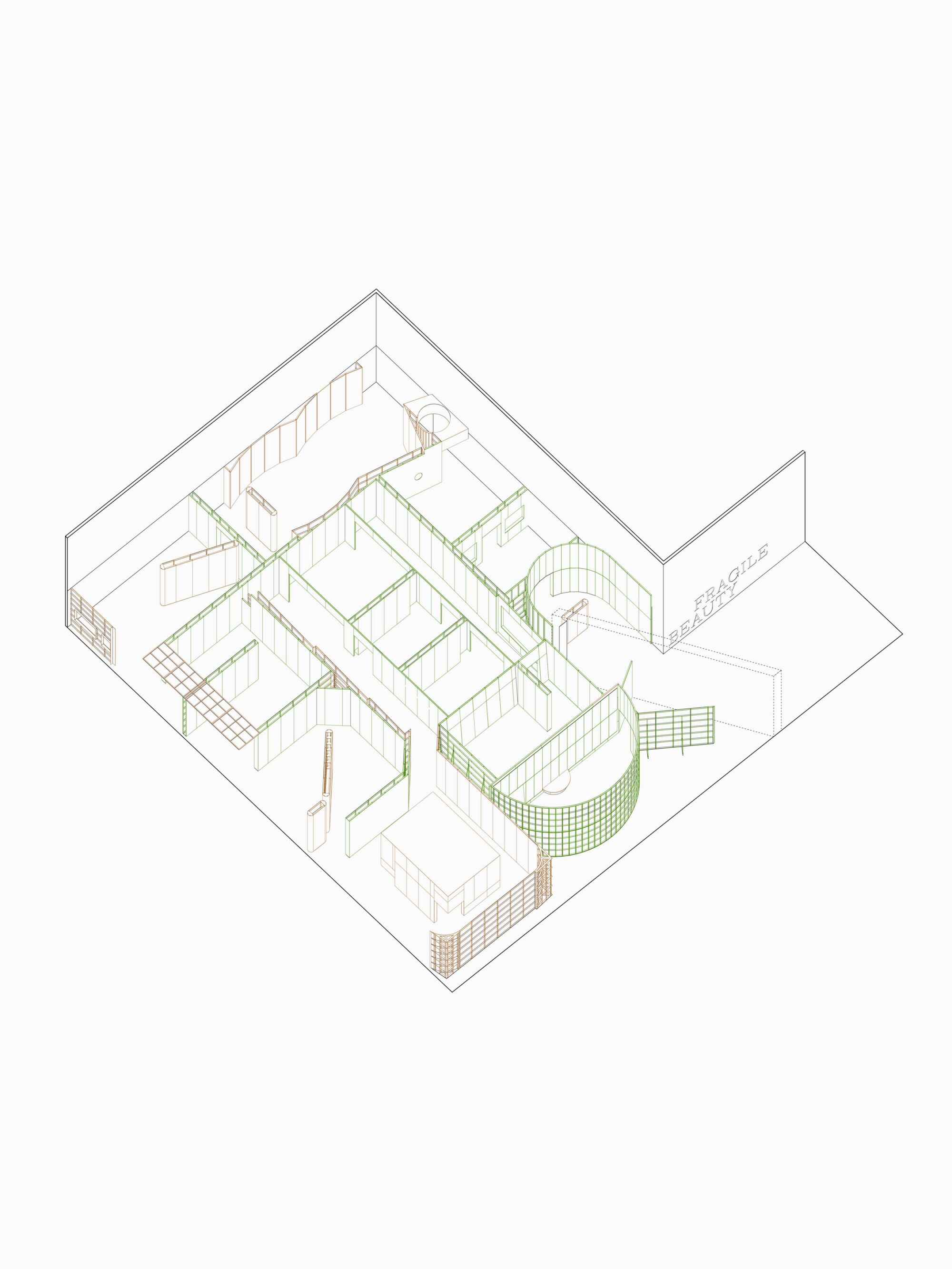
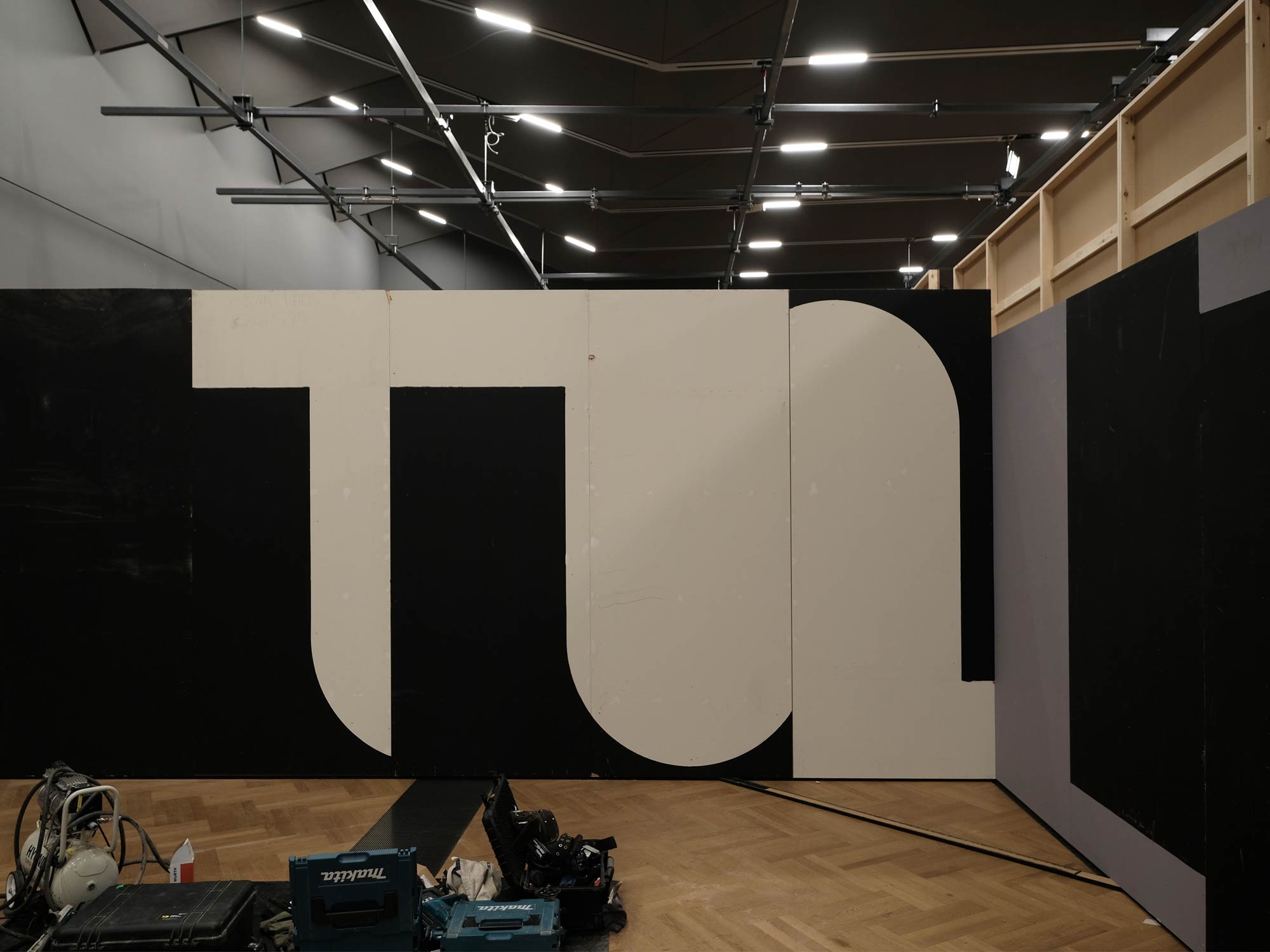
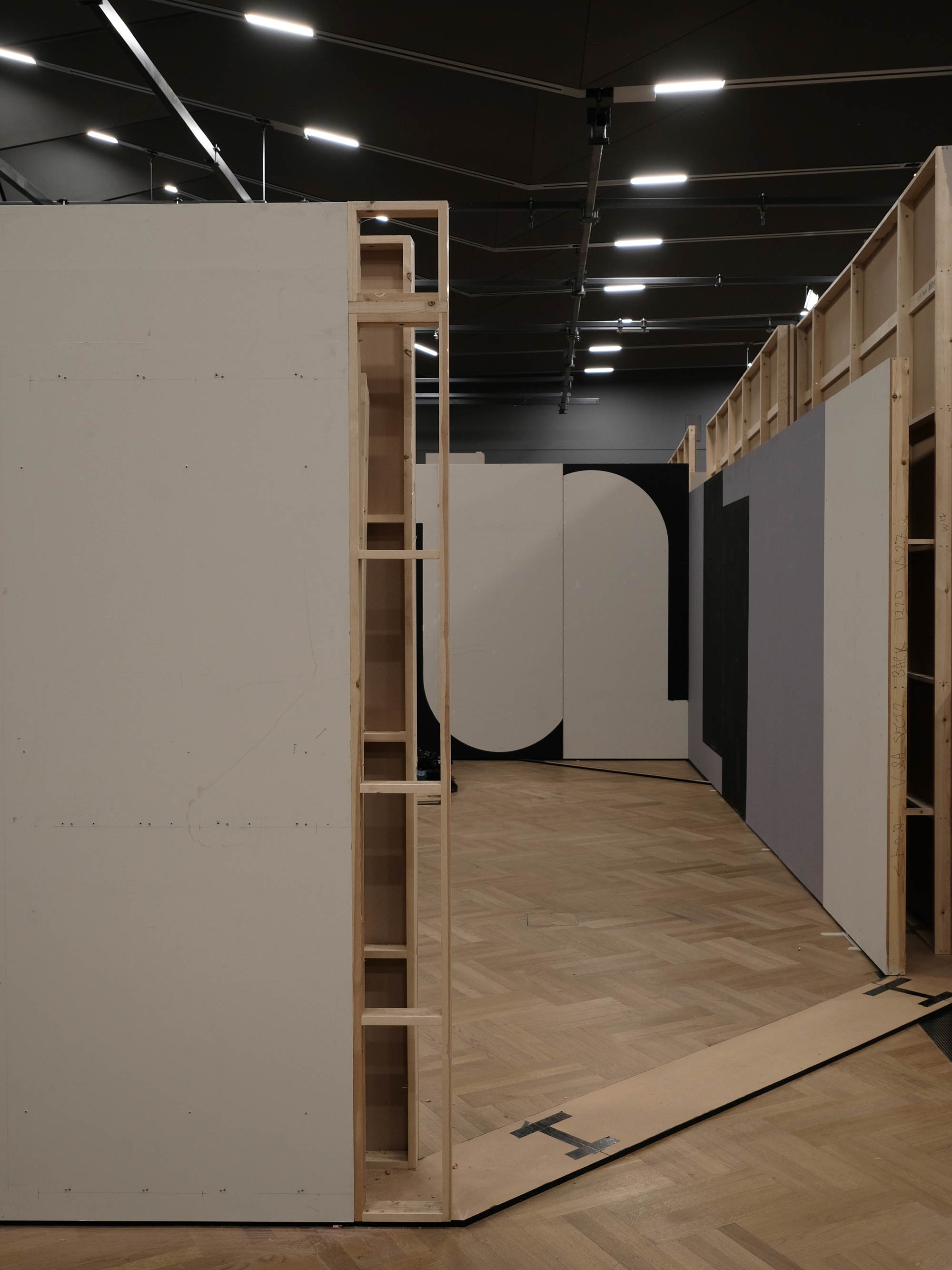
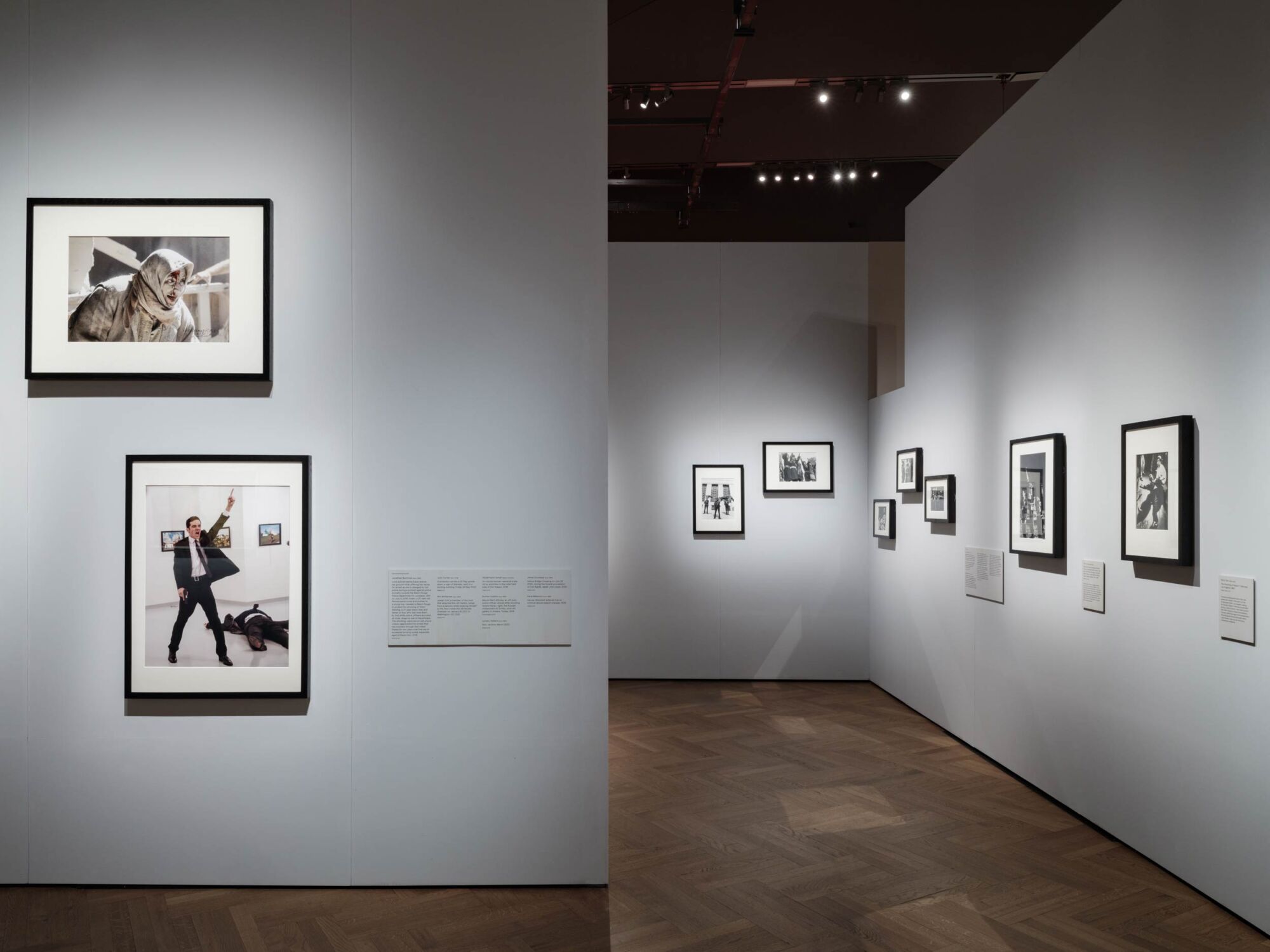
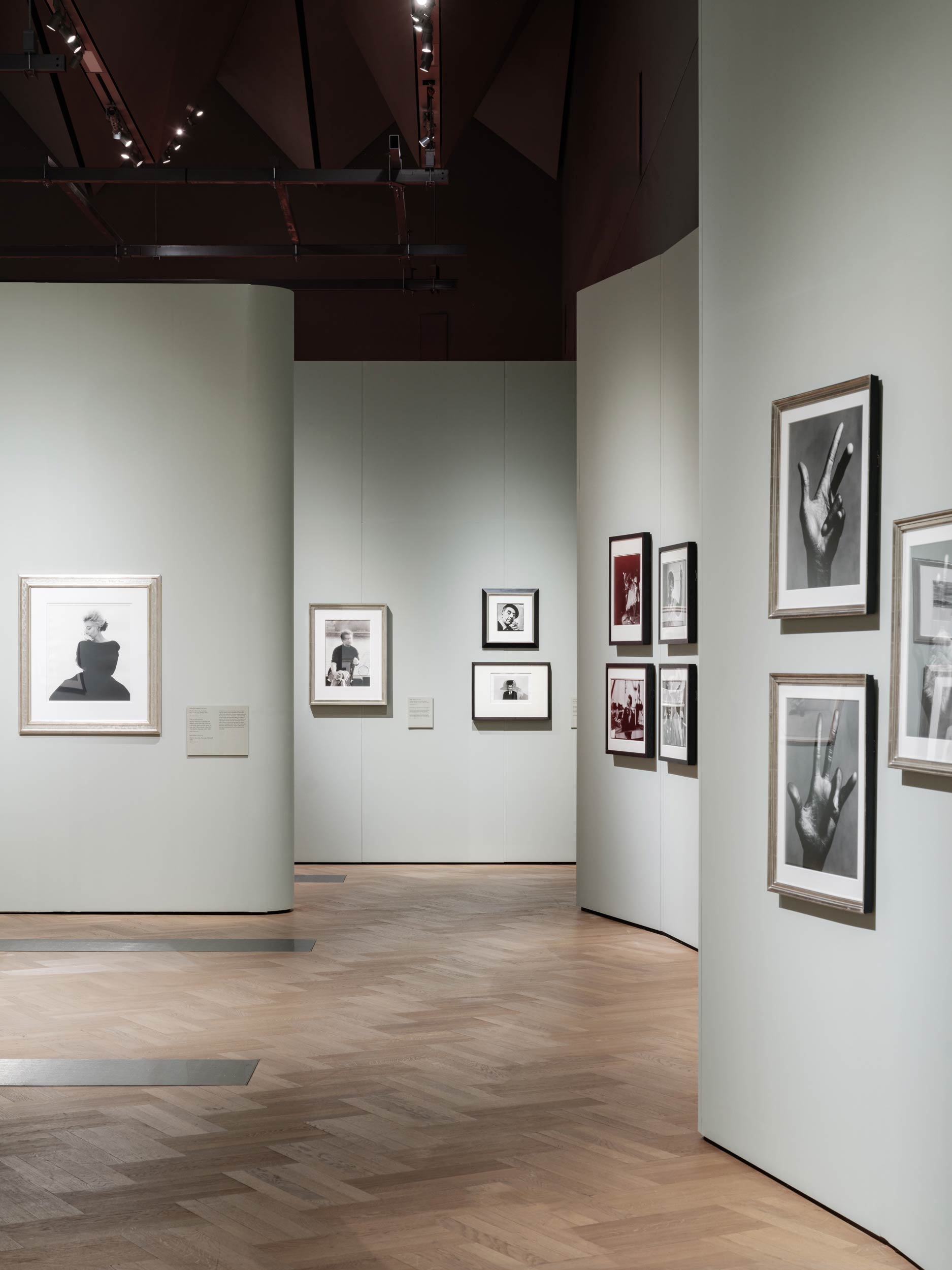
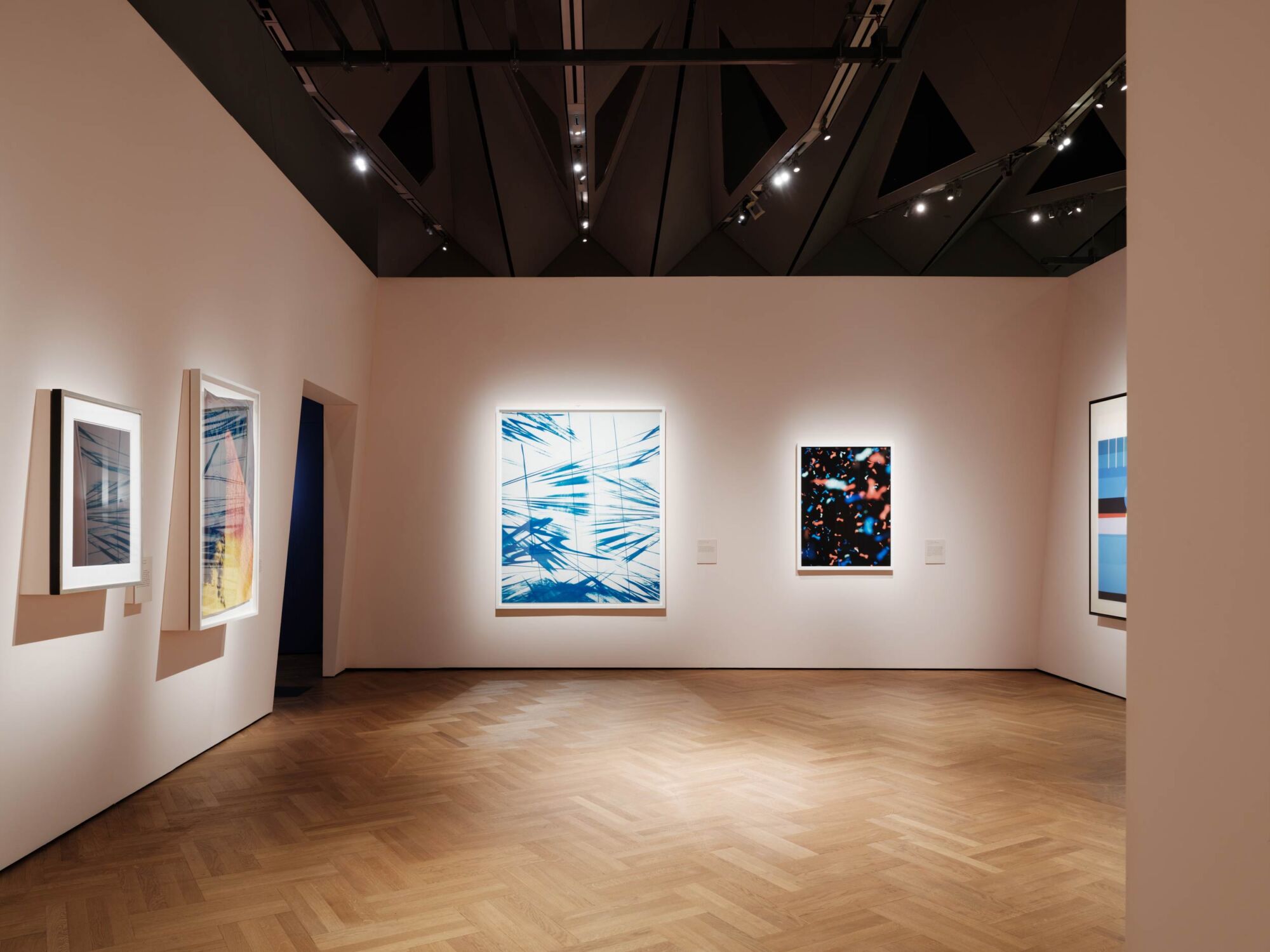
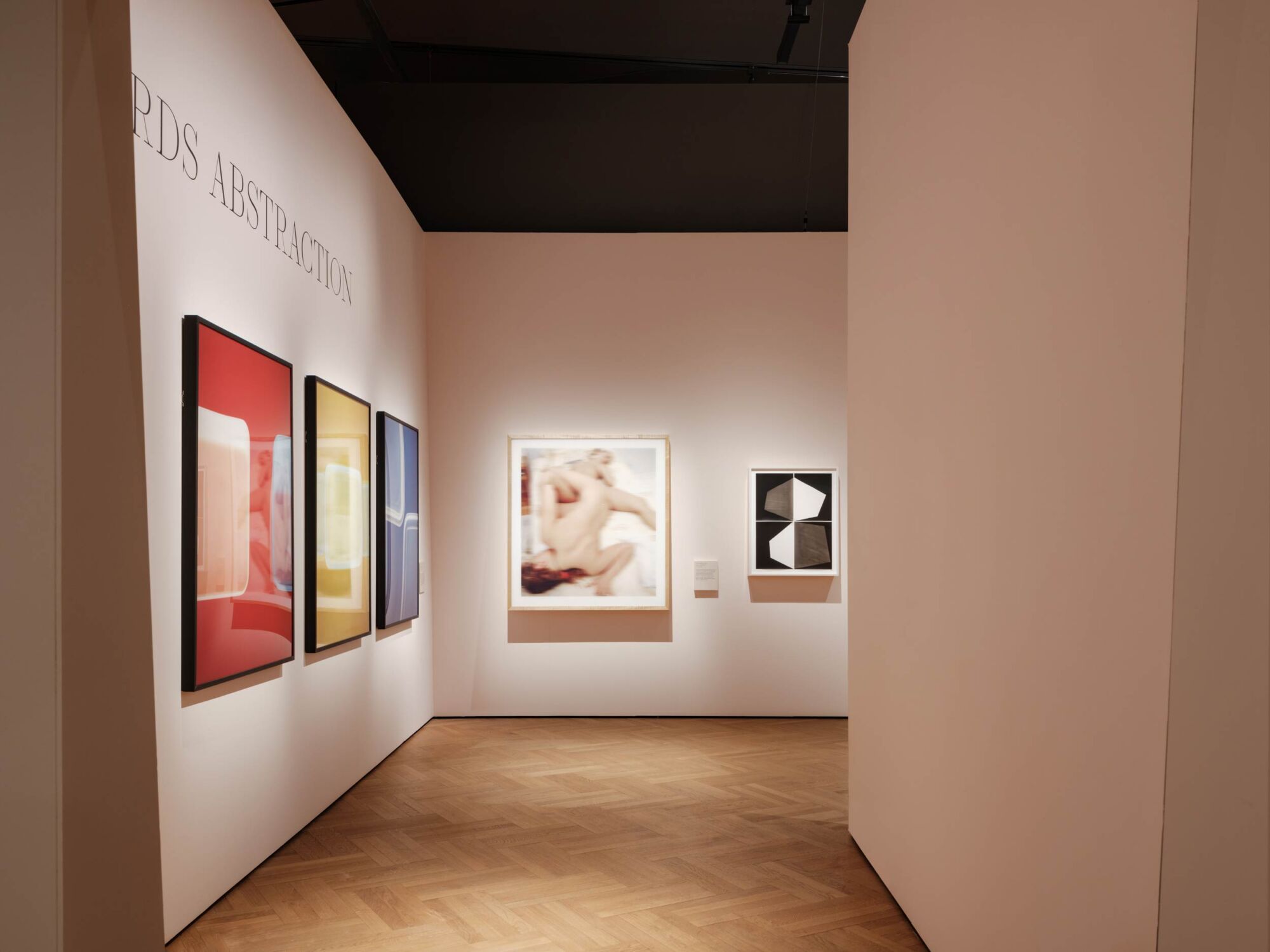
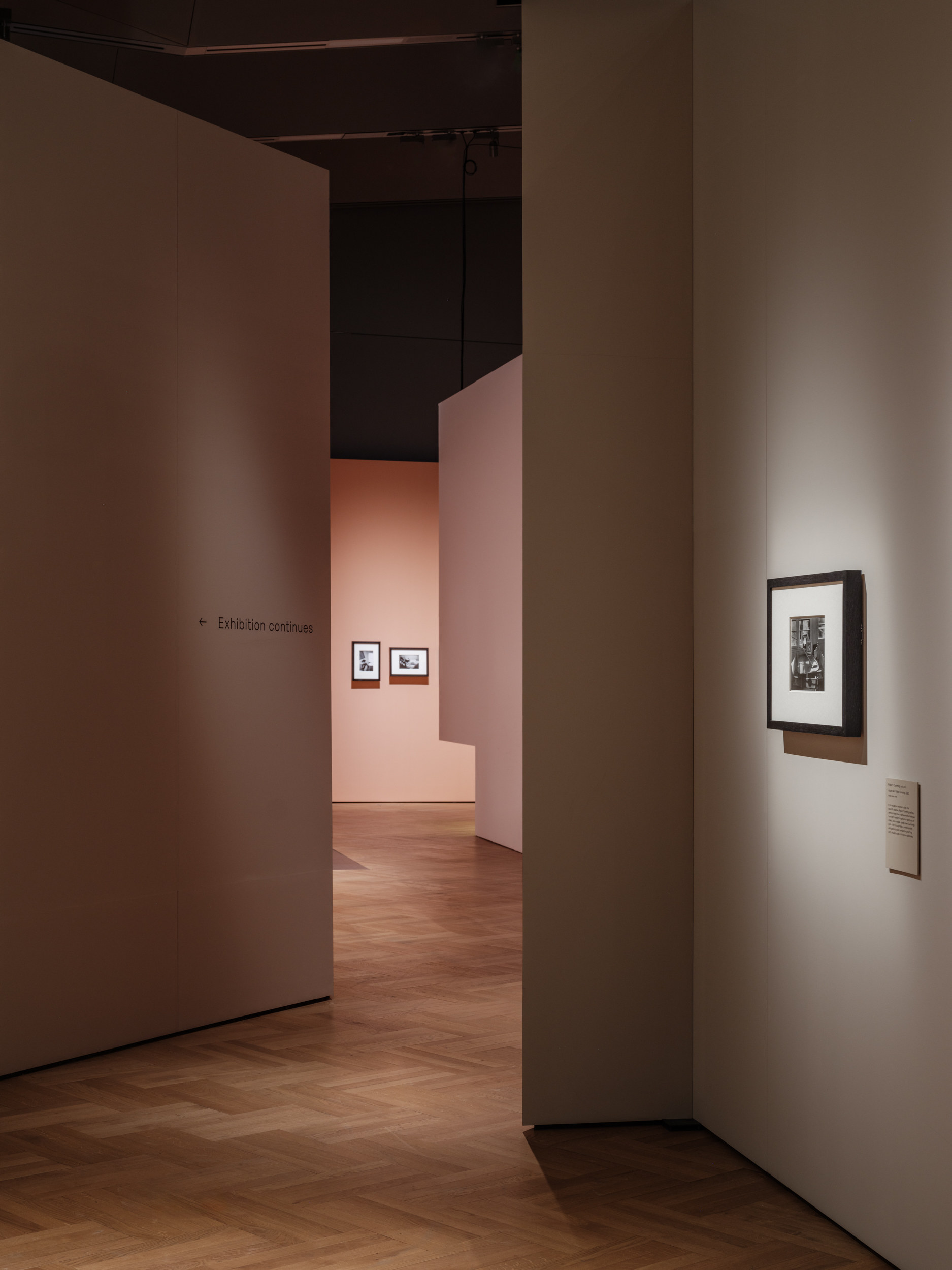
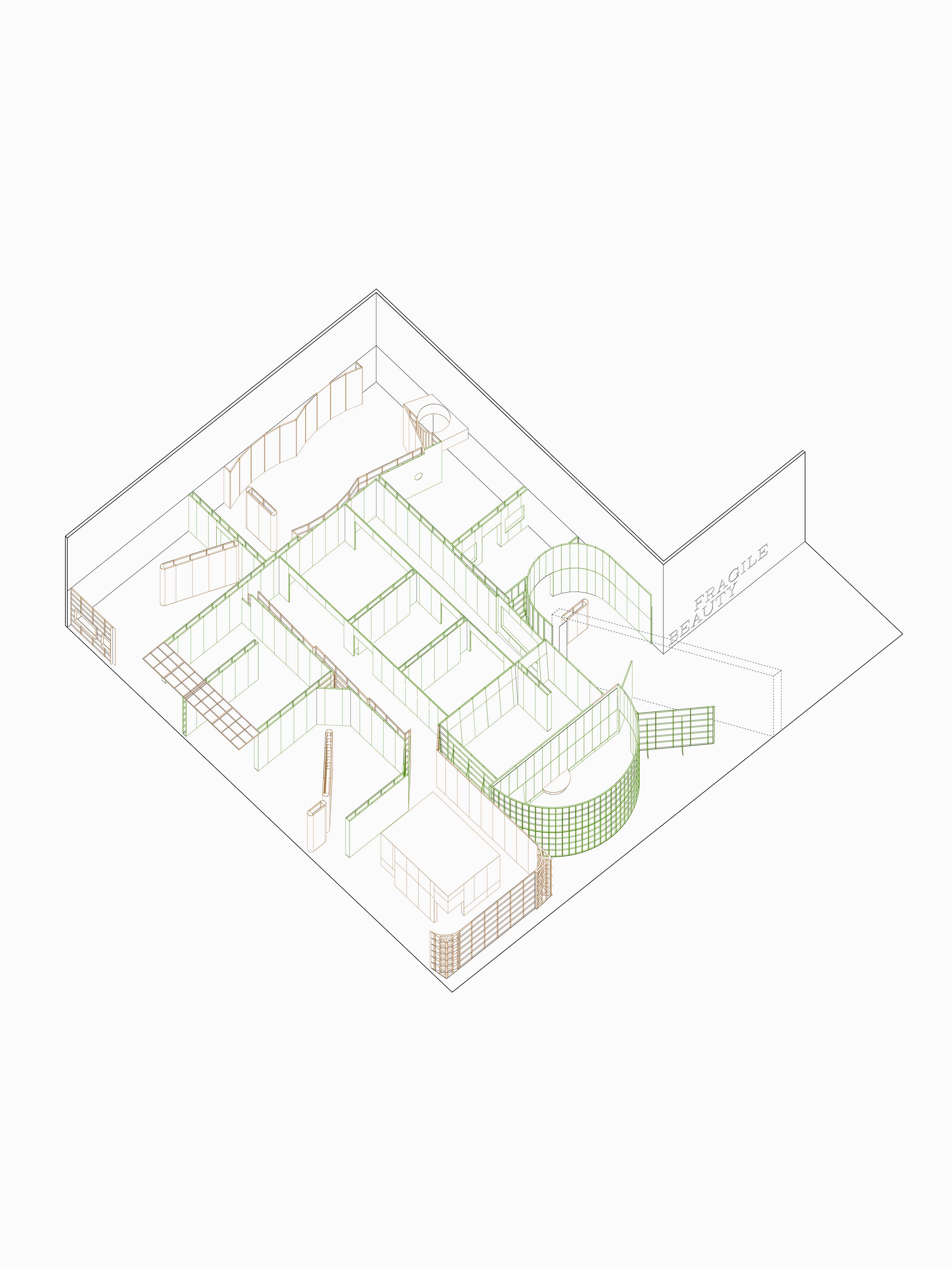
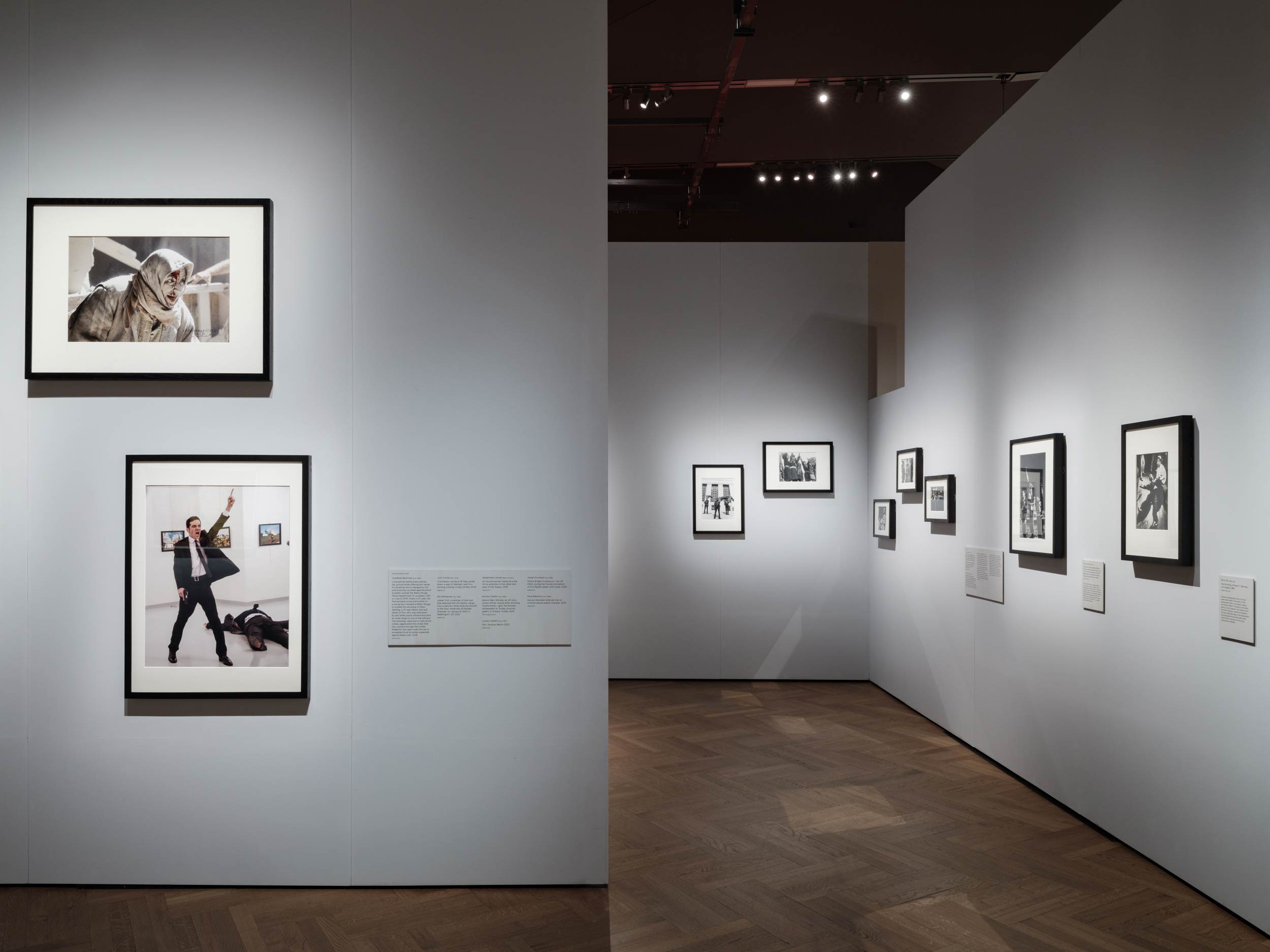
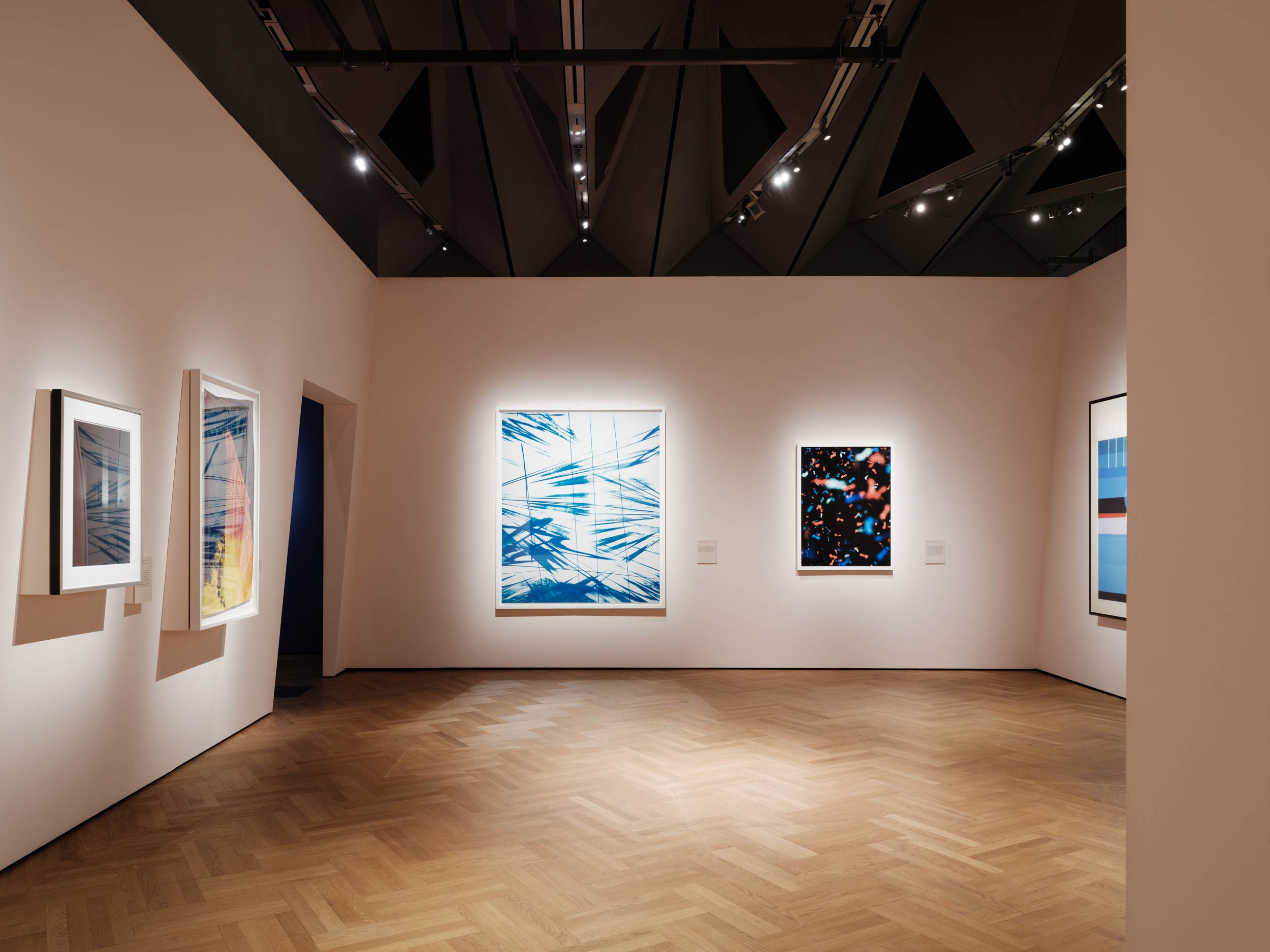
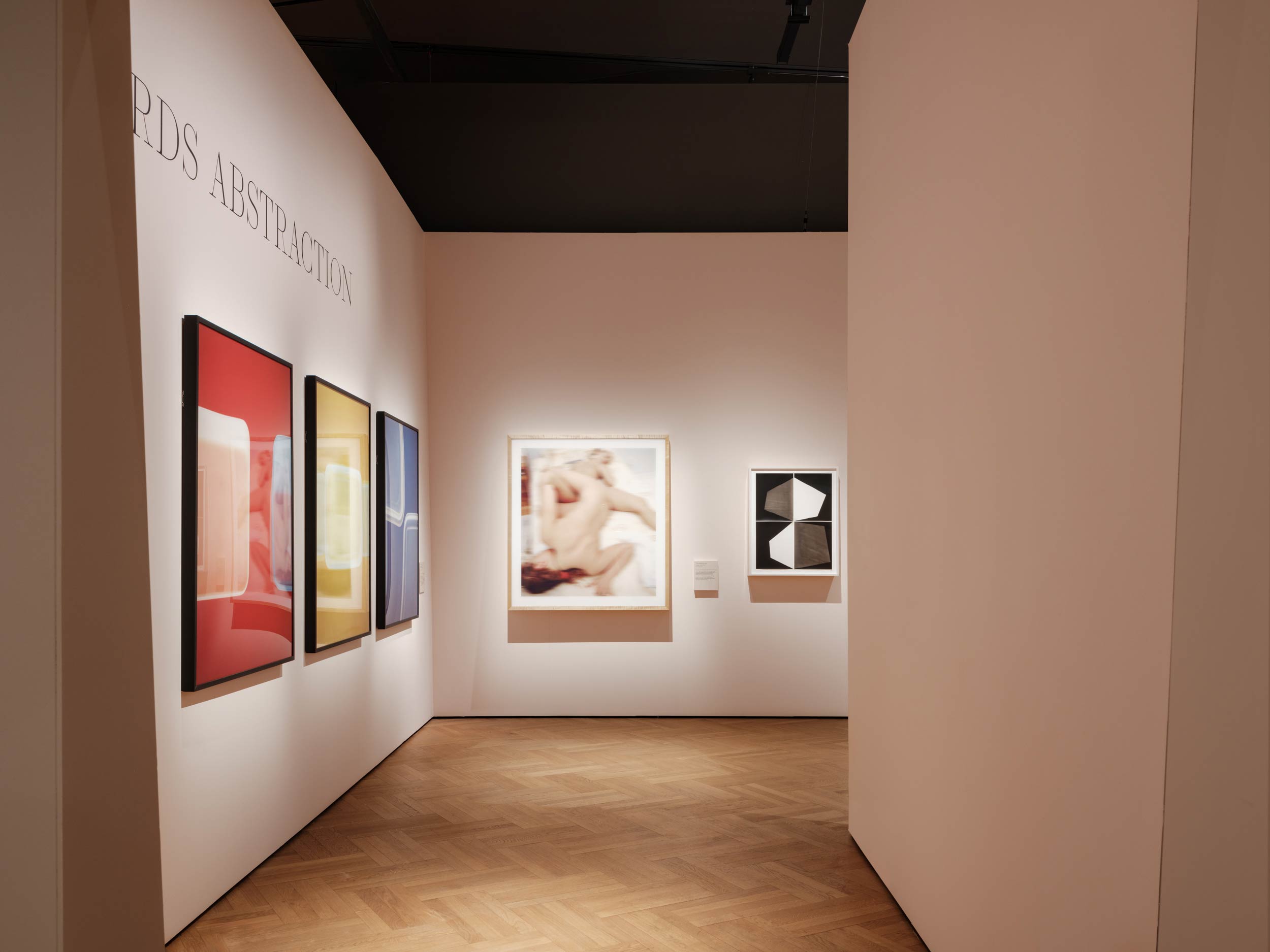
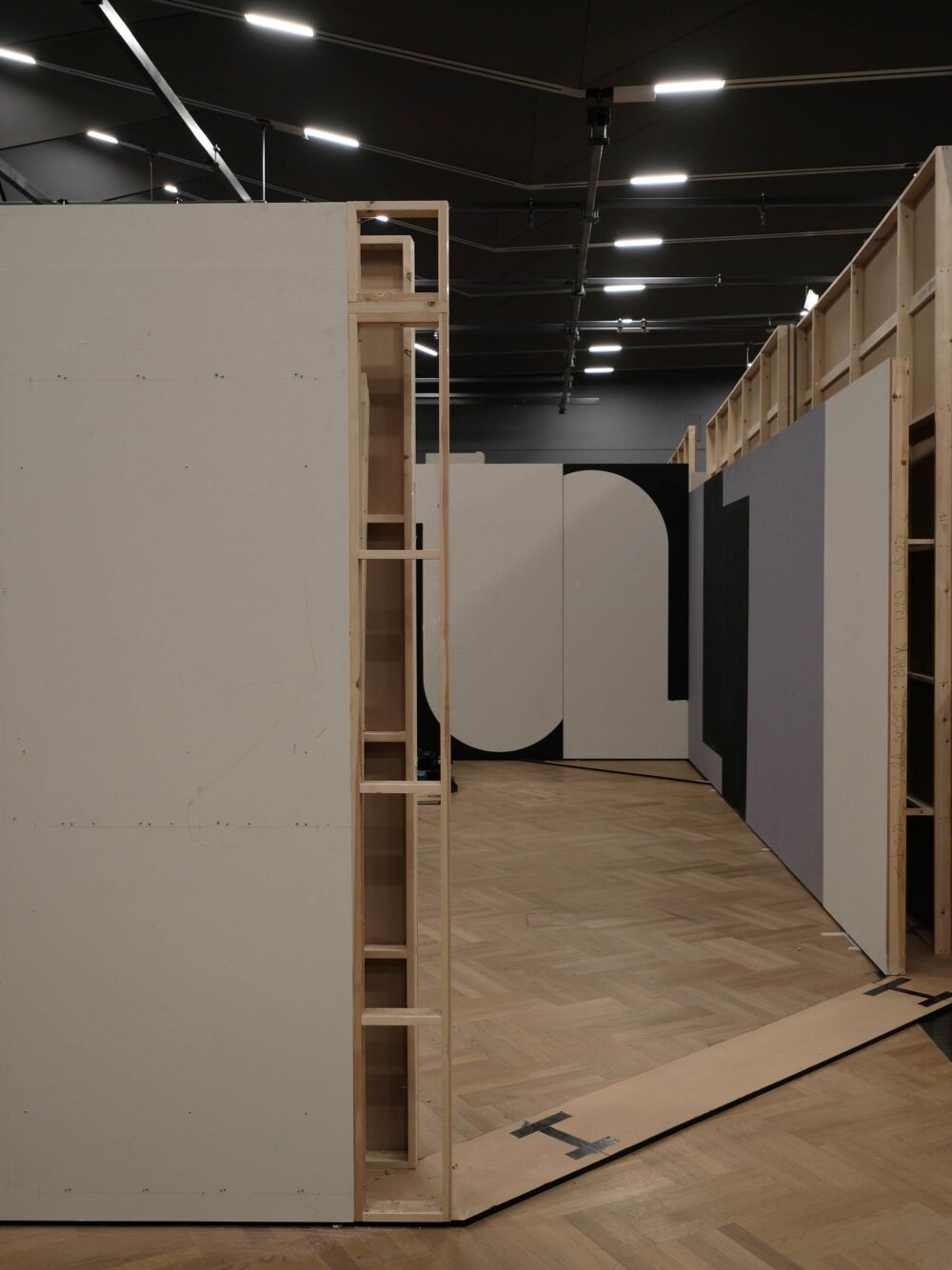
This approach has been central to our work with the Victoria and Albert Museum, where an exhibition was developed through the reuse of approximately 75% of a previous installation. Rather than treating this as a constraint, the project was approached as a restructuring of an existing system. This involved retaining, adapting and reassembling elements to support a new narrative from a previous show. This process not only reduced material consumption but demonstrated how reuse can enable continuity alongside change, allowing the gallery to evolve without requiring complete reconstruction.
Such an approach is particularly relevant within exhibition and museum contexts, where narratives are inherently evolving. A reusable system allows content to shift without requiring full replacement, supporting multiple readings of a collection over time. It enables institutions to respond to new research, emerging voices and changing audiences while maintaining continuity in the spatial and material language of the gallery. Lifecycle thinking extends this further and brings a new lens to the question of design. The question is not only how long a design lasts, but how it performs across its lifespan. As designers this relates to how things are assembled, maintained, adapted and ultimately disassembled. Designing for lifecycle means acknowledging that change is inevitable and structuring projects so that change can occur with precision rather than disruption. Flexibility, in this sense, is not an abstract ambition but a material condition that dictates many of the early decisions. It is embedded in joints, fixings, tolerances and the systems of organisation. It is supported by clarity in how elements relate to one another, allowing parts to be modified without requiring the whole to be reconsidered. For us, this brings opportunities for these to be the design language.
To work in this way requires a different form of discipline. Decisions must be made with an awareness of future consequences, and simplicity becomes critical and not just an aesthetic choice but as a means of ensuring that systems remain legible and workable over time. The removal of unnecessary complexity is what allows a project to adapt without degradation. Reuse, therefore, is not only a strategy for reducing environmental impact. It is a way of constructing resilience within design. By enabling spaces to be tested, adjusted and re-used, it allows them to remain relevant beyond their initial brief, supporting a longer and more responsive life. In this sense, reuse shifts design from an act of completion to an ongoing process. One that accepts change as a condition, and builds the capacity to work with it.
Notes: Diagram, progress images and final exhibition photographs formed part of our work on ‘Fragile Beauty’, the exhibition on Photography from the archive of Sir Elton John and David Furnish at the Victoria and Albert Museum. A project that has helped to pave the way for a new approach to exhibition design that looks at lifecycle and reuse as a design requirement.
Title: Change as a Condition
Year: 2026
Type: Research
Related Projects