Spaces That Hold Culture
04 Observations
06-2026
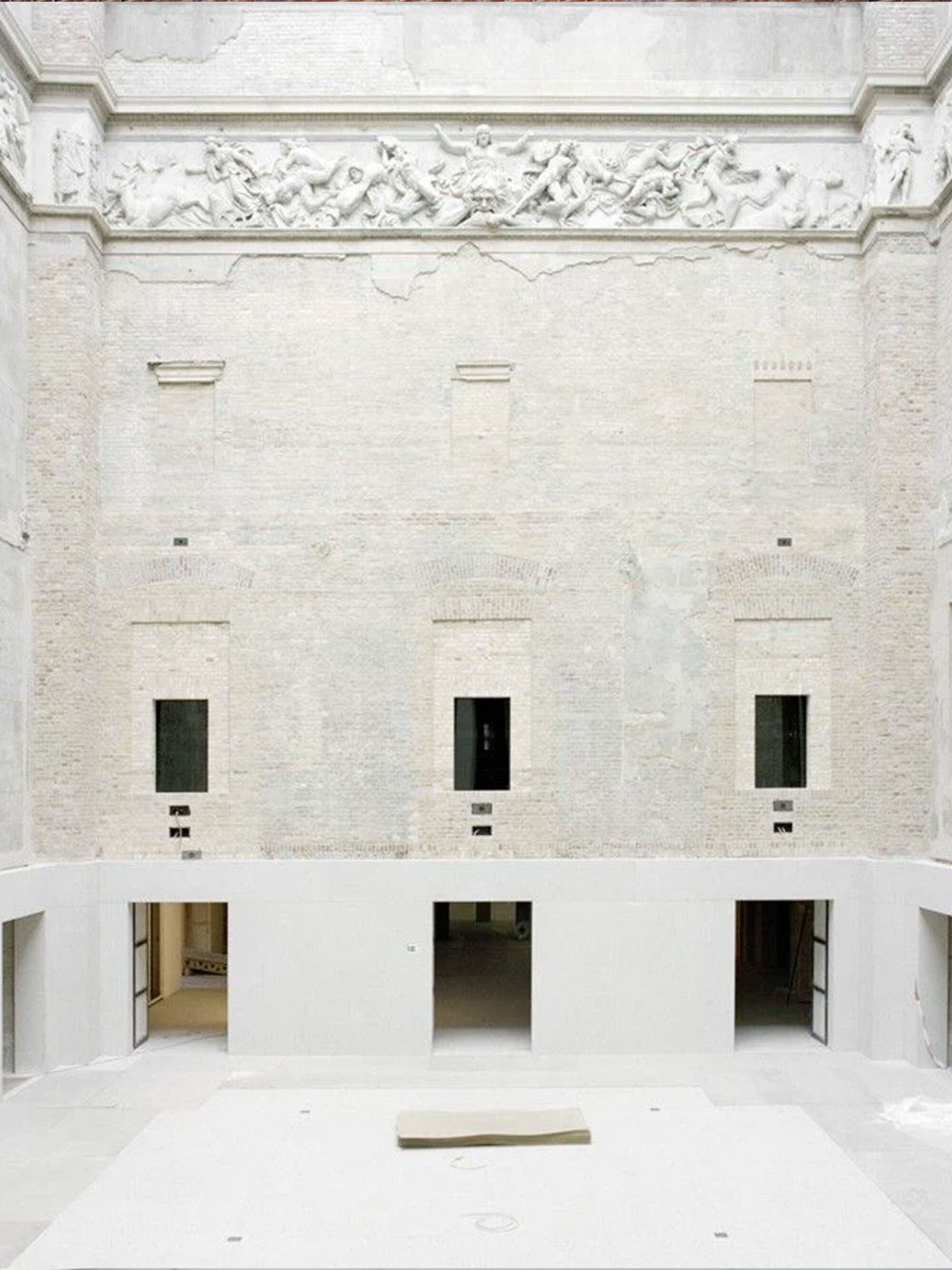
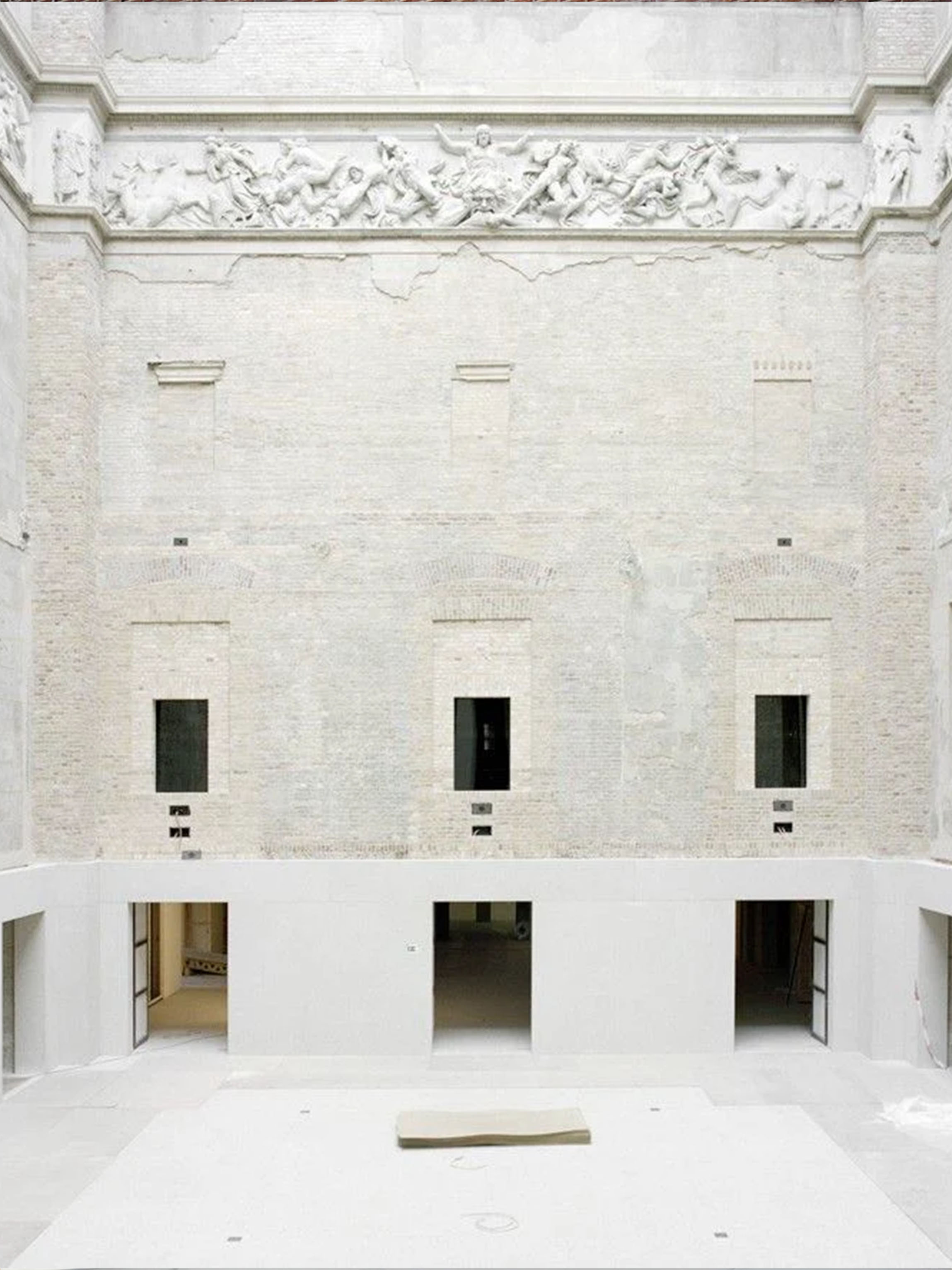
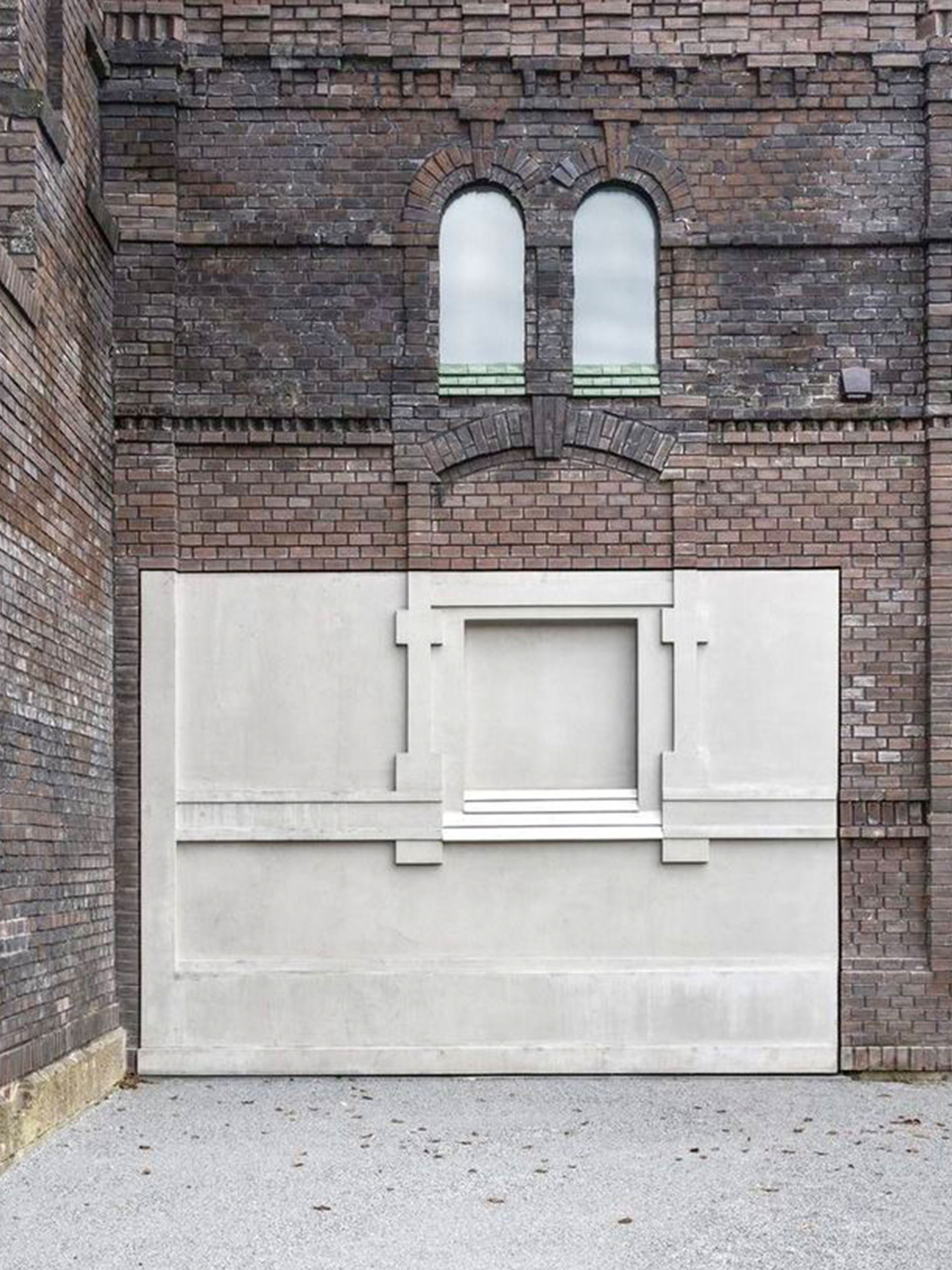
Culture rarely begins in perfect buildings. It starts in the leftover spaces; in workshops, houses repurposed for other uses, factories cleared for performance and so on. These places were built for something else entirely, and that history is precisely what makes them generative. Existing buildings carry time within them. Their proportions, the scars of previous use, the logic of their structure: none of this can be replicated through new construction alone. When we work within them carefully, that history doesn’t constrain what happens inside, it helps to create something entirely distinctive.
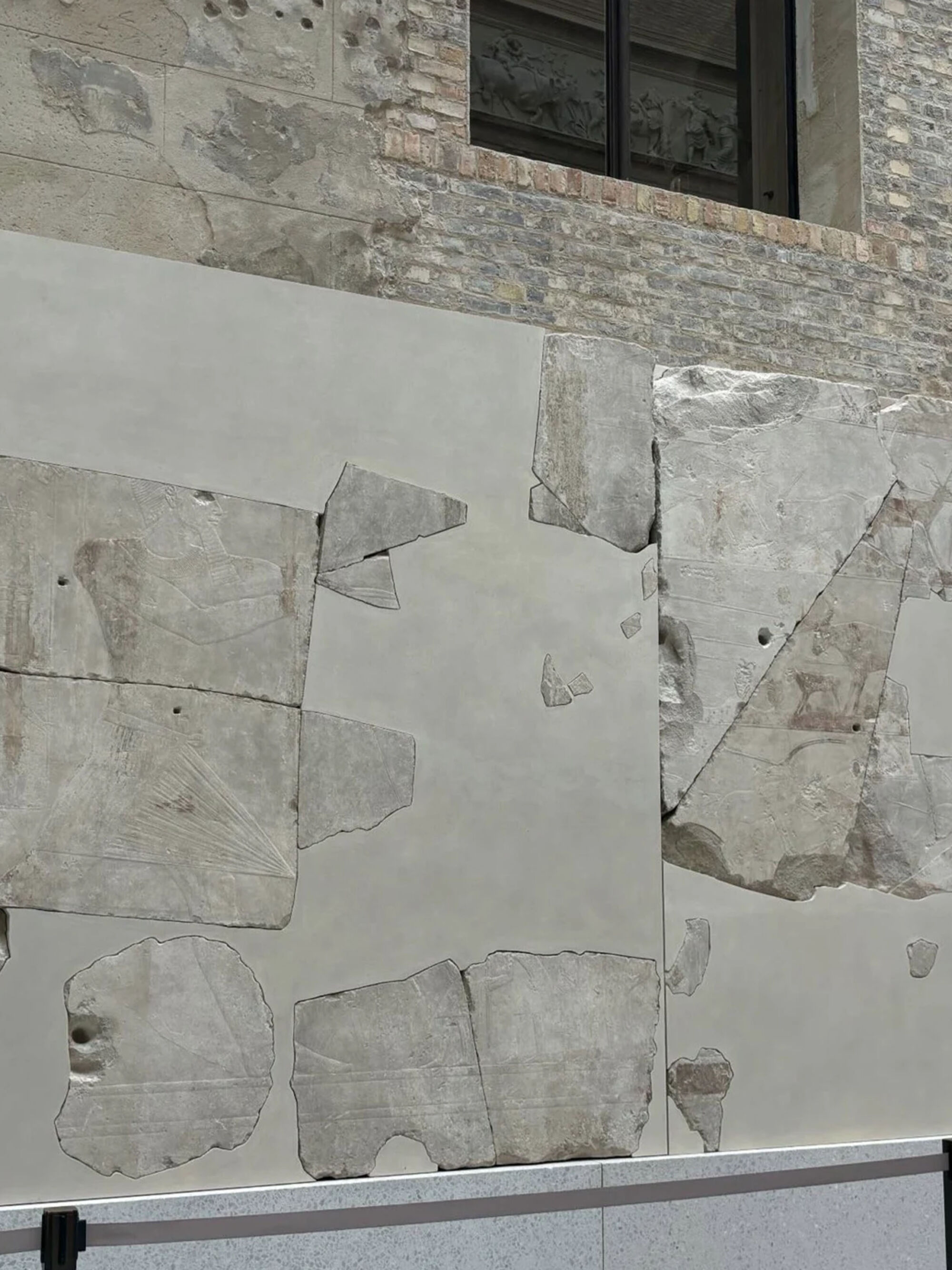
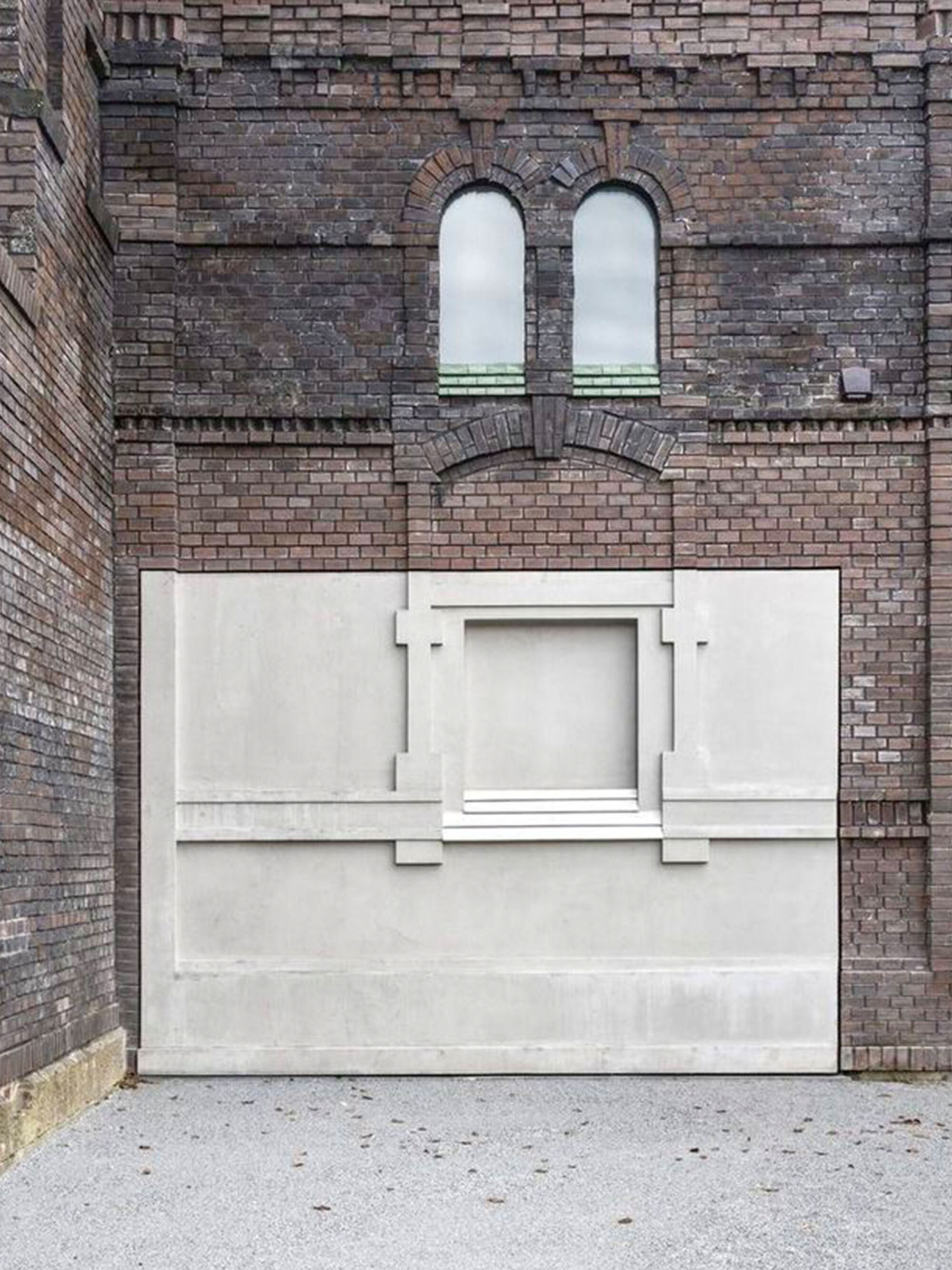
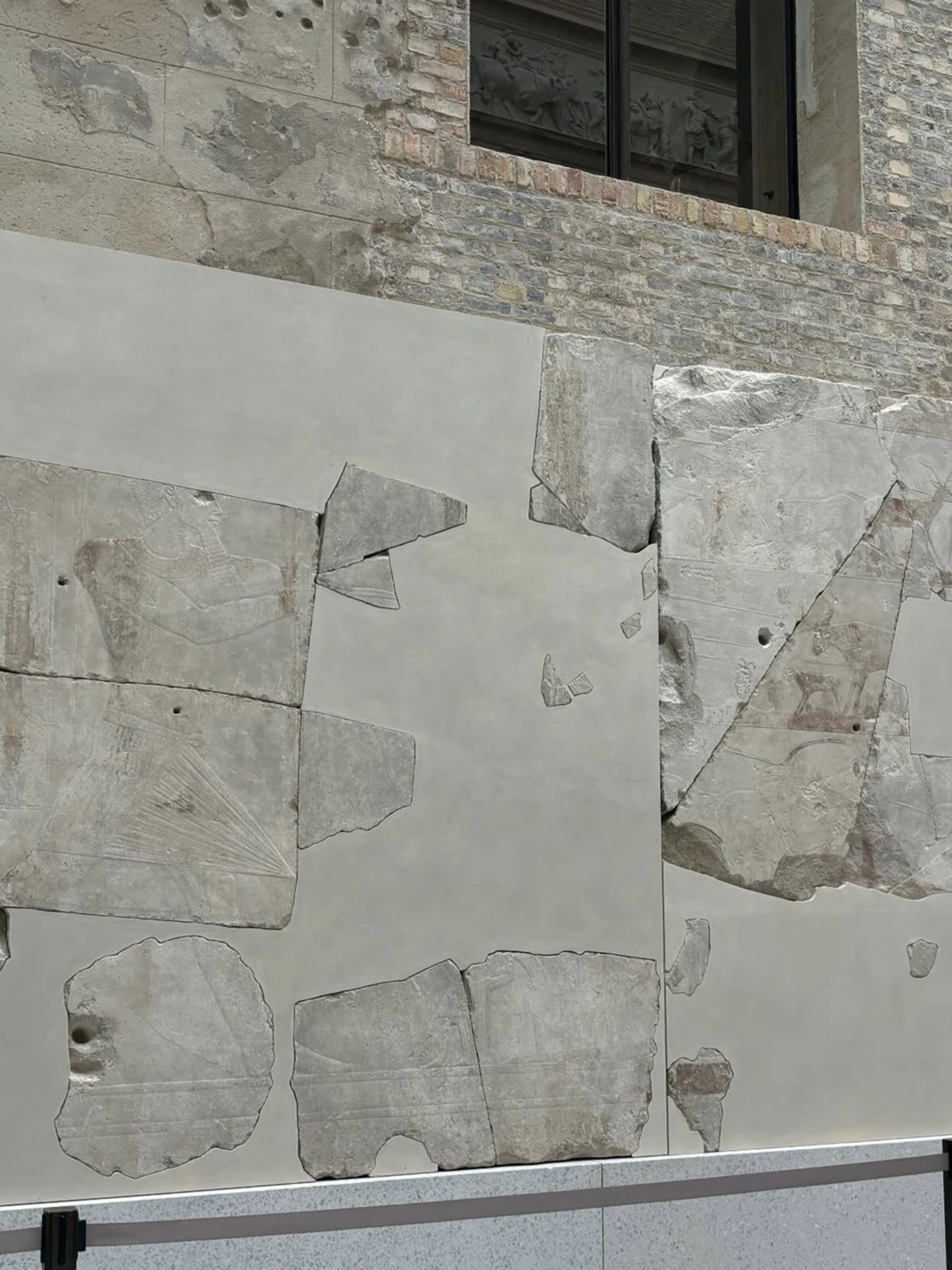
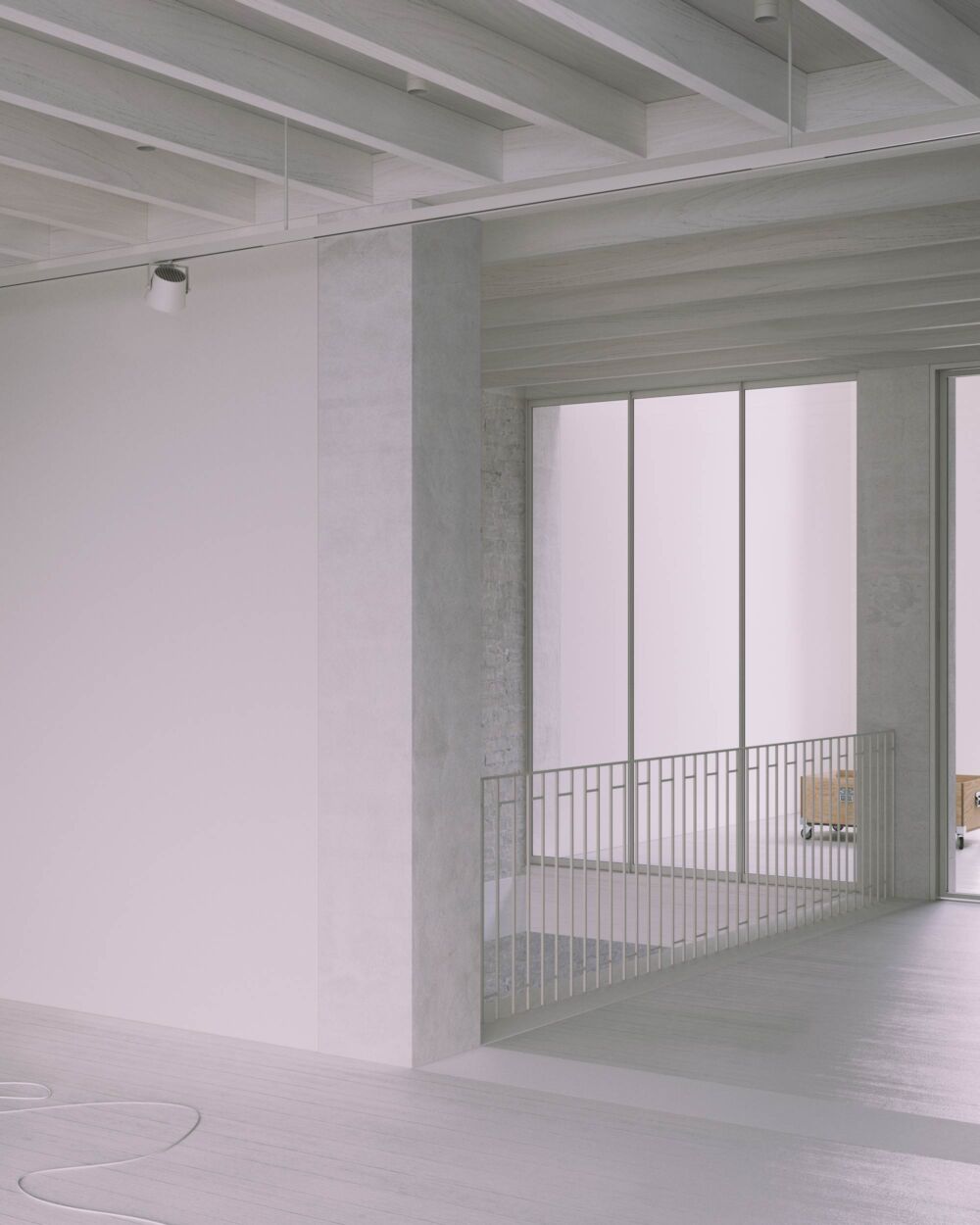
The resistance an existing building offers is not something we aim to solve. It’s the material that creates a framework to work with, where columns interrupt or features express parts of the history of its past. We enjoy the way surfaces hold marks from whatever came before. More and more we are moving away from neutrality; and take on what gives a space its tension – between old and new, rough and refined, fixed and open. When an inherited structure meets a new intervention, something happens that a blank canvas cannot produce. The friction generates a spatial charge, something you feel when experiencing the space for the first time.
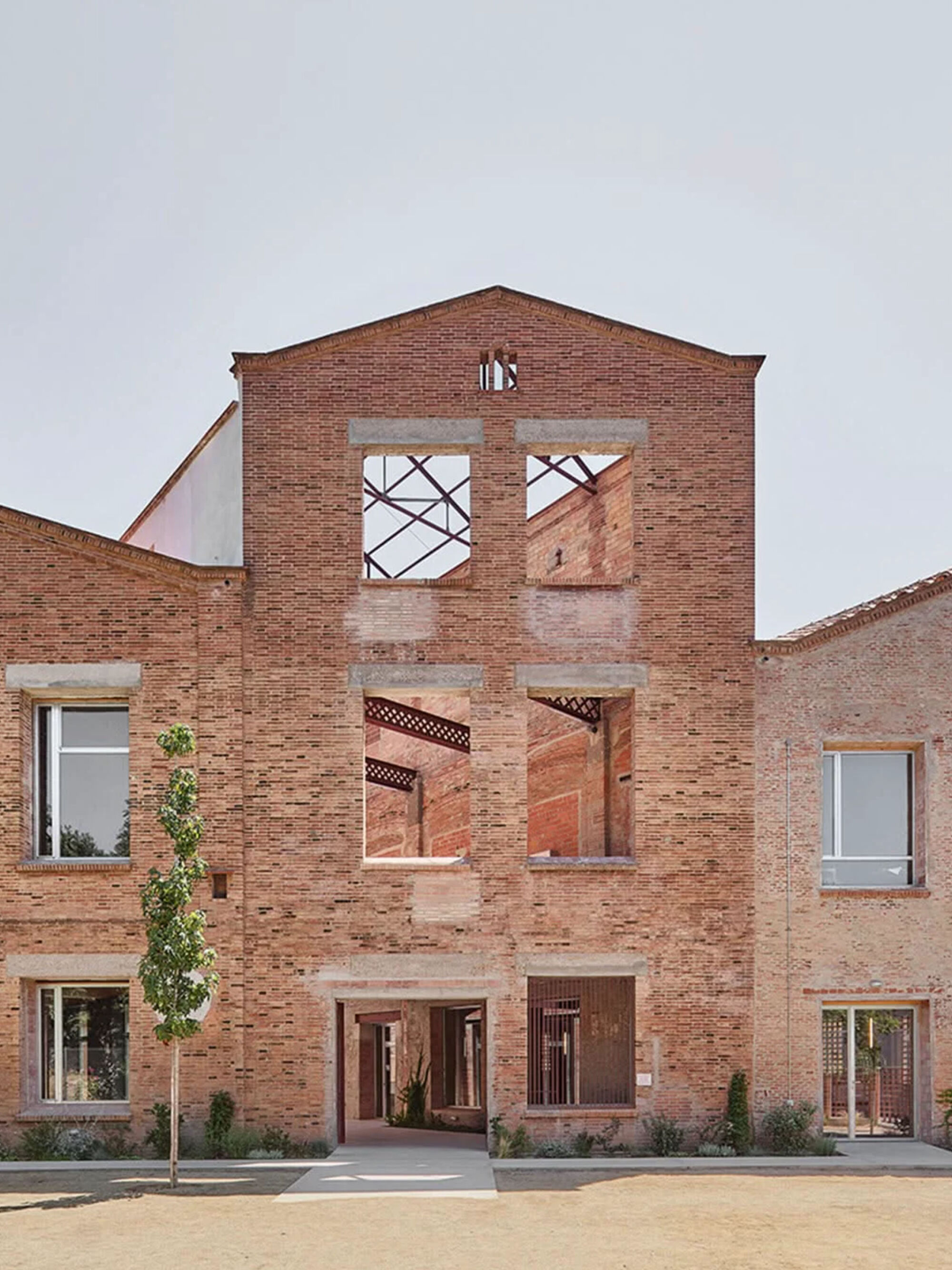
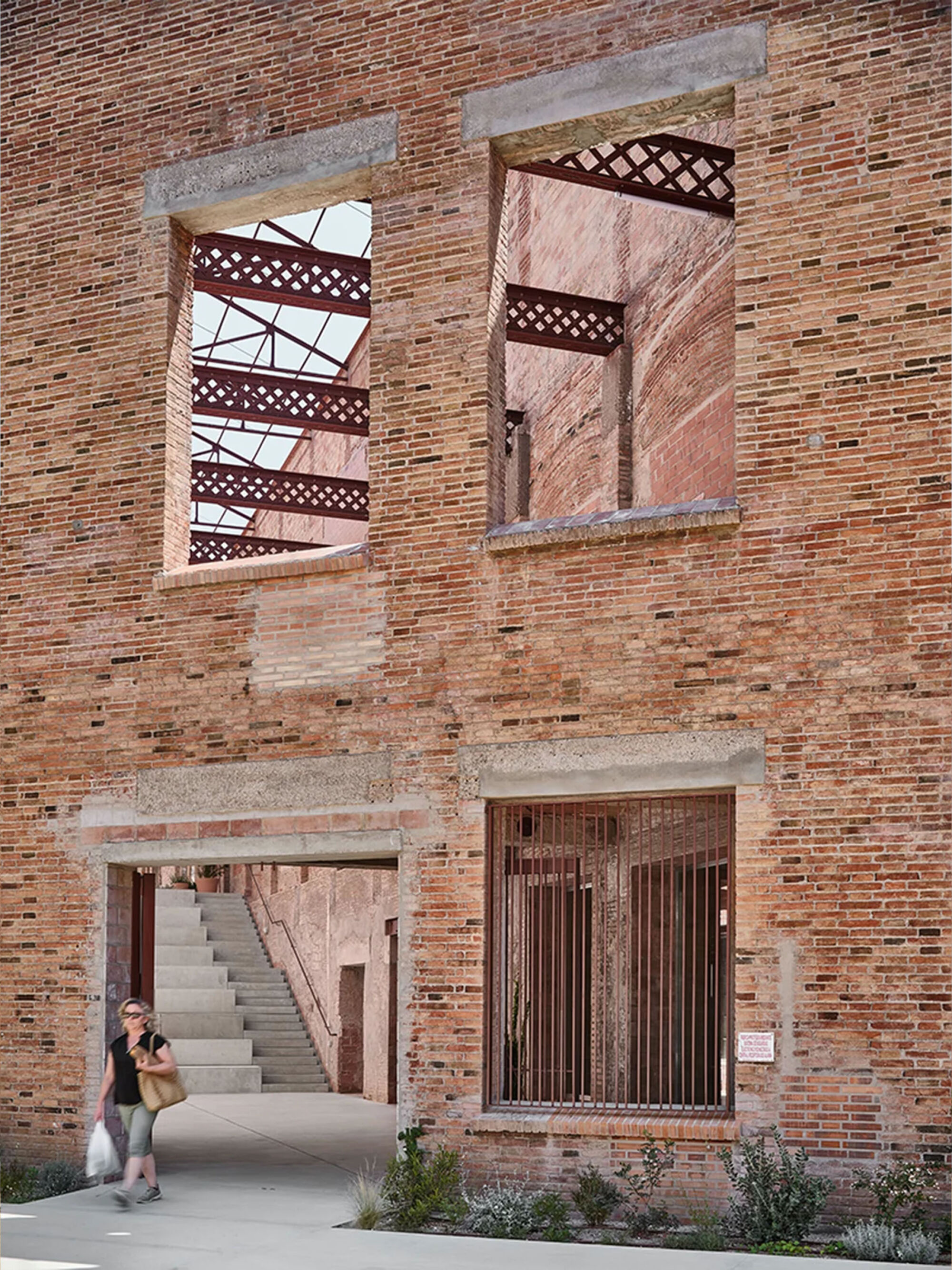
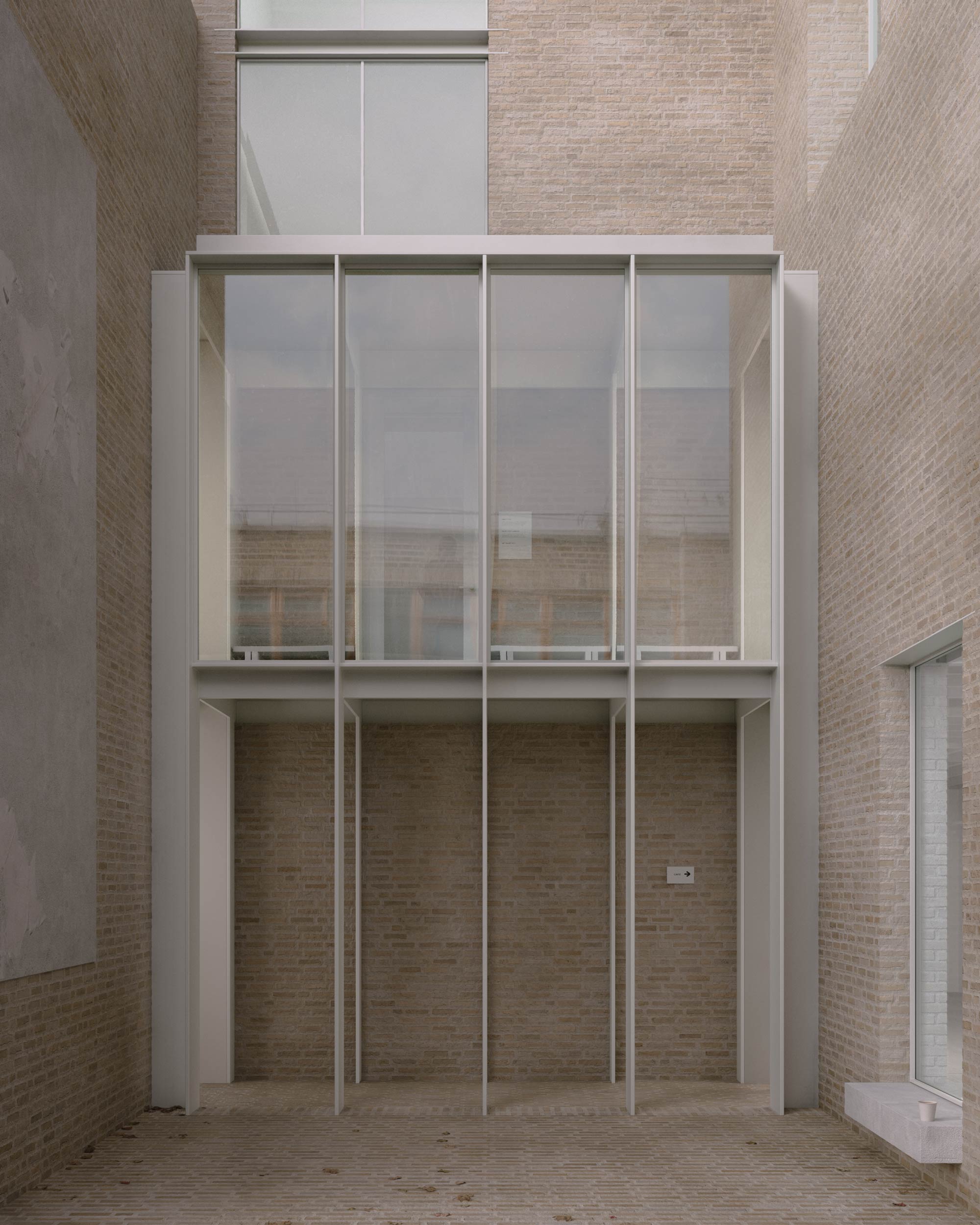
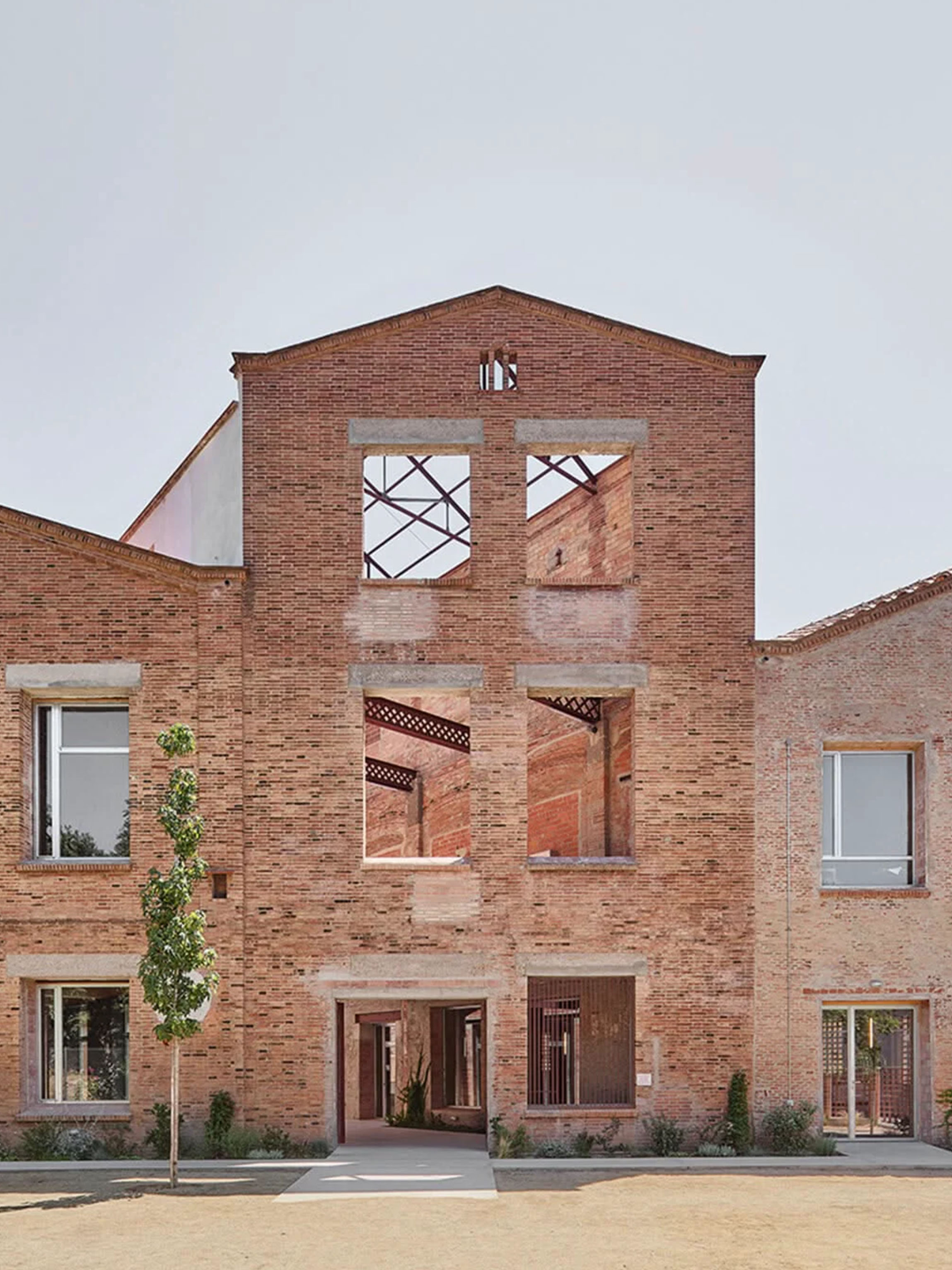
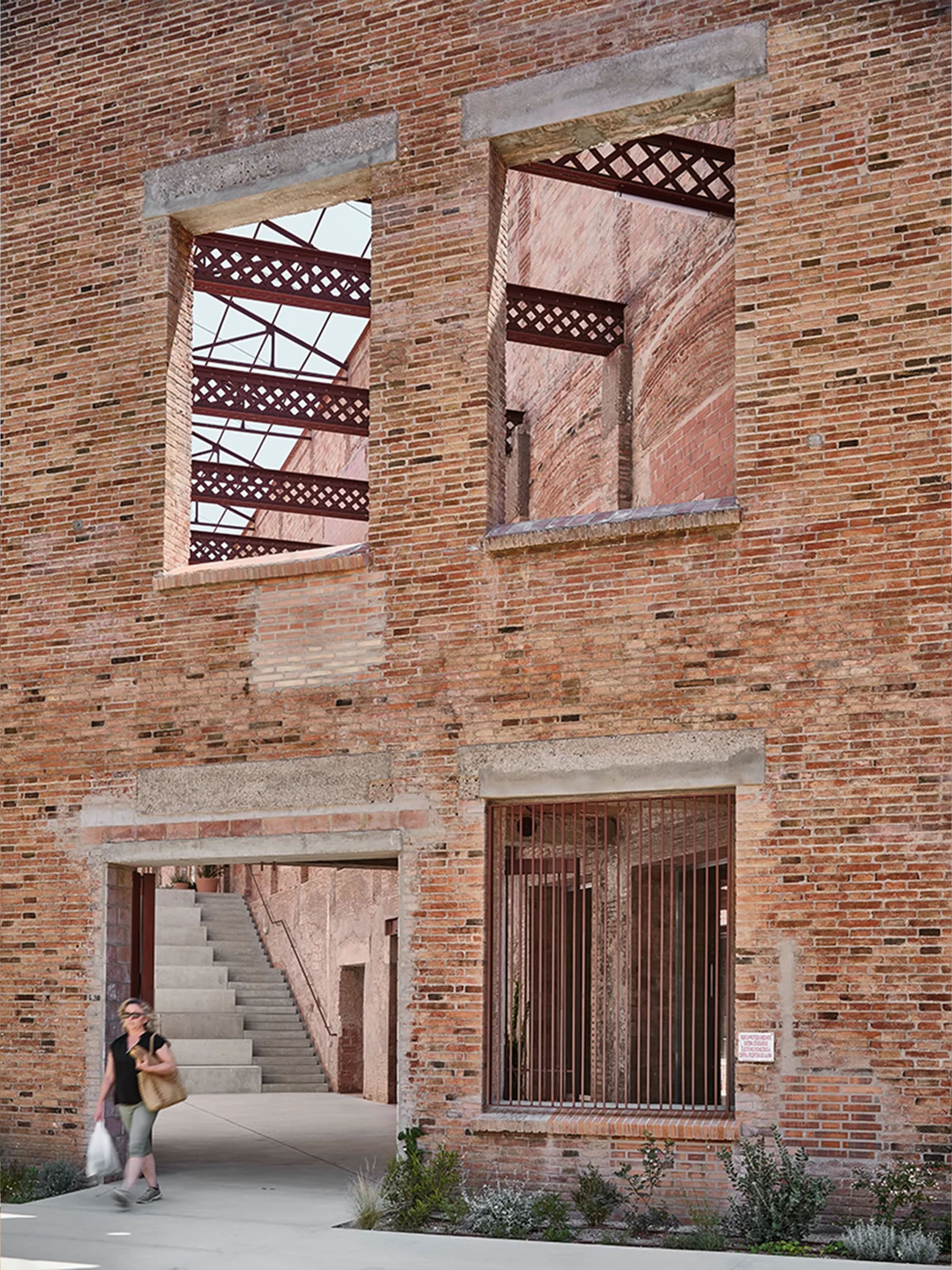
Our view is that an approach towards re-use is not a compromise. It demands a way to treat economy, through reinterpretation and revealing the layers of history. Found materials already present are treated, layered, sealed and appreciated for there ability to wear. Transformation comes from process rather than erasure. The building’s logic stays visible, and its assembly remains legible. We are interested in being honest about its structure, which helps create a particular kind of certainty in a space. The feeling that everything you’re looking at is load-bearing in some way.
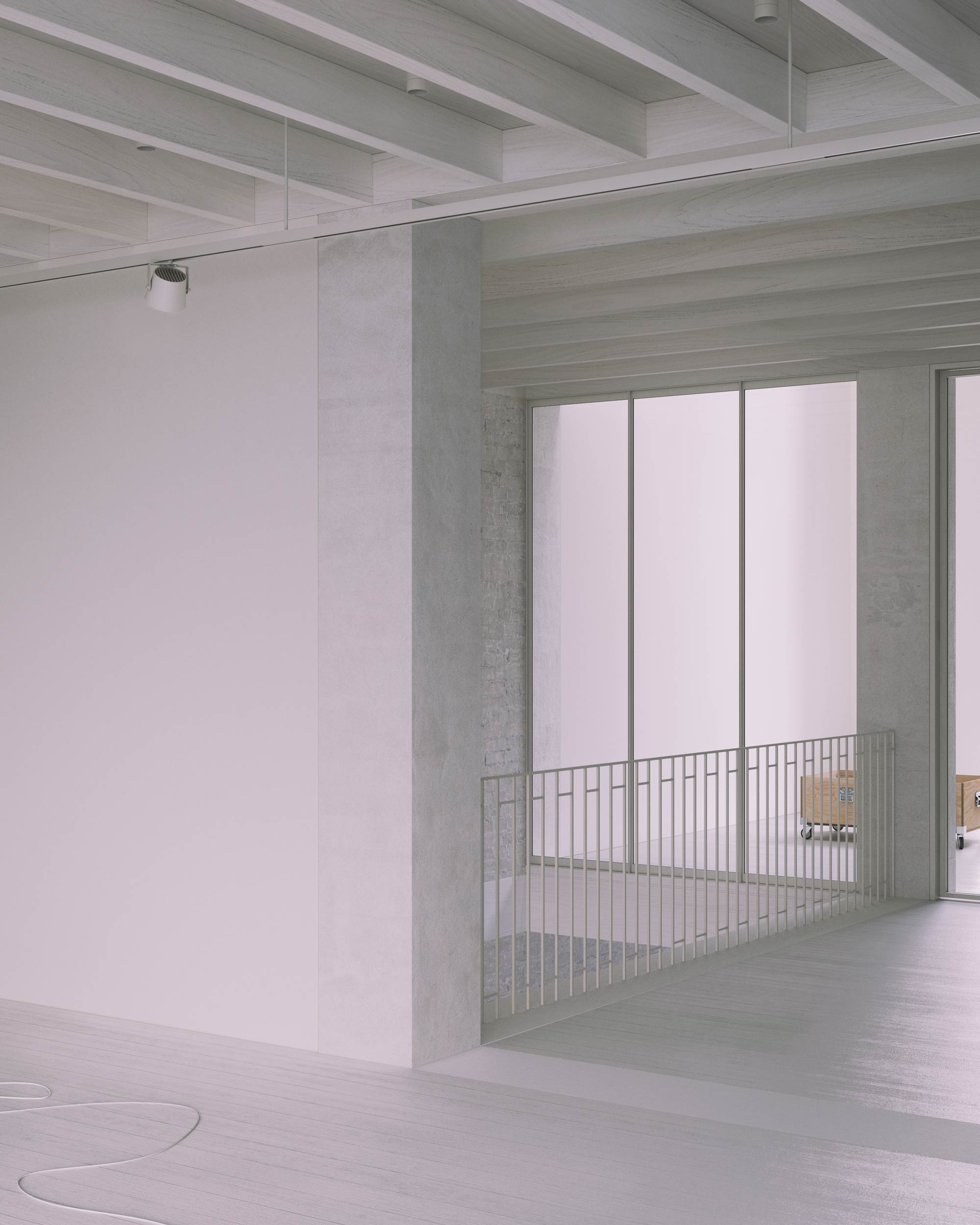
For cultural programmes specifically, this matters enormously. Exhibitions change and installations come and go. The scale at which these are commissioned and delivered also varies wildly. Performances need different relationships between the body and audience, which is often dictated by an already established spatial framework. Industrial and utilitarian buildings often provide exactly what’s needed: generous spans, robust materials, a generosity that allows new rituals to form without the building flinching. They’re strong enough to hold change and disruption, and more so in a world where there is a preference is to eliminate or wipe clean. Notably, the idea of sequence and the choreography of moving through a space becomes especially powerful in reuse. The contrast of different volumes of space, thresholds and the way light interacts within the building is the perfect backdrop for these inherited moments. They help to frame the experience of whatever happens inside, and subsequently the building becomes part of the work.
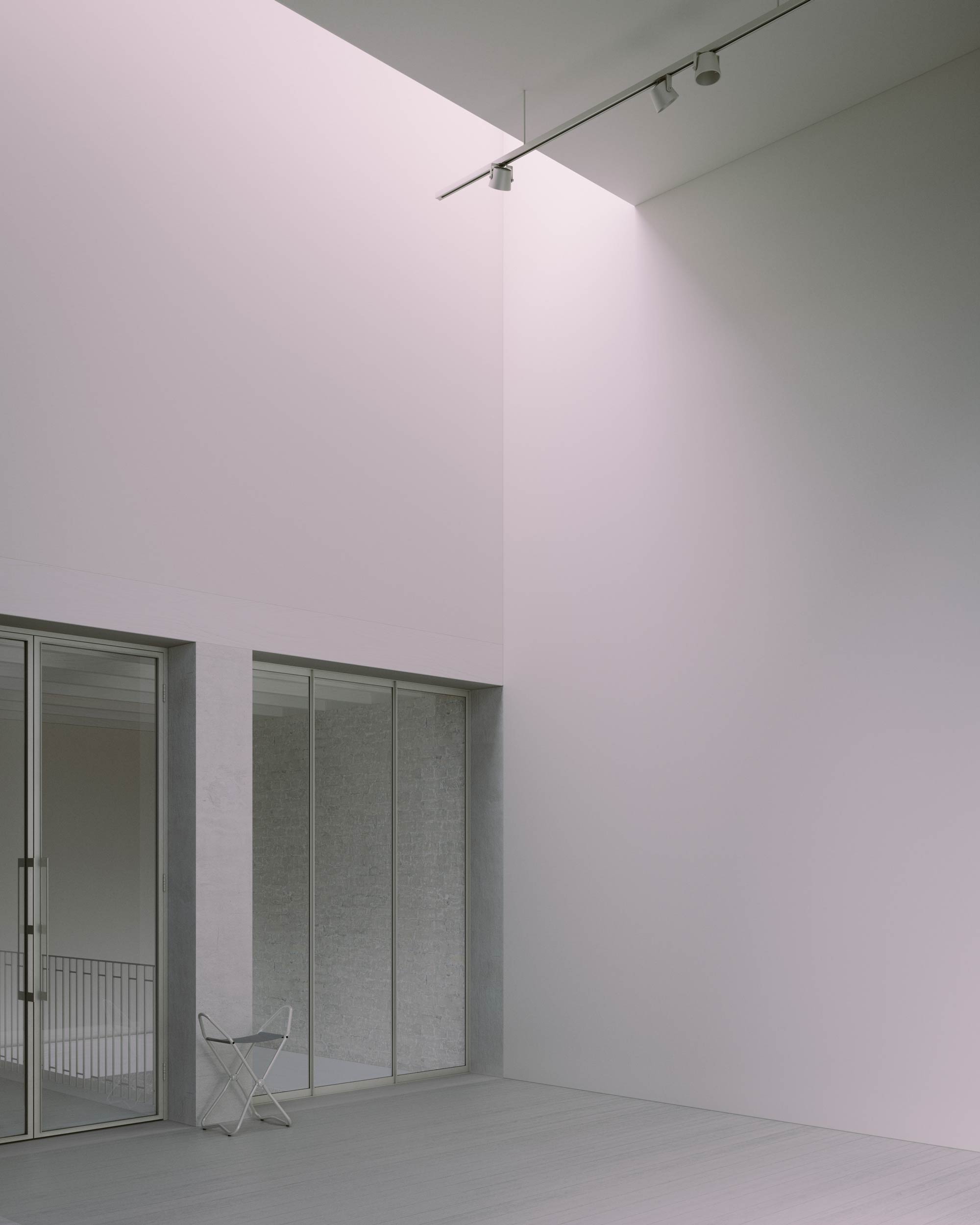
Atmosphere in these spaces is also something that is often not applied but is discovered. Light from a high window, the weight of the structure, timber worn by decades of hands making its surface smooth. These things offer a depth that can’t be manufactured or applied. When we consider how to approach a project that is intended to hold culture, we have to think about all of the physical and metaphysical aspects that control the quality of the building. A measured intervention, something that is bold and deliberate, doesn’t necessarily overwrite these qualities. It helps to sharpen and create a subtle contrast with them. The best examples of this are felt rather than stated, as well as drawing on an ethical way of conserving what is already there. This reusing of buildings preserves embedded energy, resists demolition as a default reflex and acknowledges that cultural production doesn’t require constant formal novelty but requires care in transformation. Buildings offer opportunity not because they’re empty but because they’re incomplete.
When approached with clarity and conviction, adaptive reuse becomes a creative act equal to what it houses. The architect’s role is not to impose expression but to reveal potential. To align structure, surface and sequence so that culture can unfold on its own terms. Spaces for art don’t need to shout. They need to hold, to endure and feel like they were always meant for this, even when they weren’t.
References:
Neues Museum, Berlin – David Chipperfield Architects
Rehabilitation of Vapor Cortès, Prodis – Harquitectes
Converted slaughterhouse, Czech Republic – KWK Promes
The Perimeter Gallery, London – EBBA
Title: Spaces That Hold Culture
Year: 2026
Type: Research
Related Projects