02•2026
02•2026
Horatio’s Garden
Horatio’s Garden
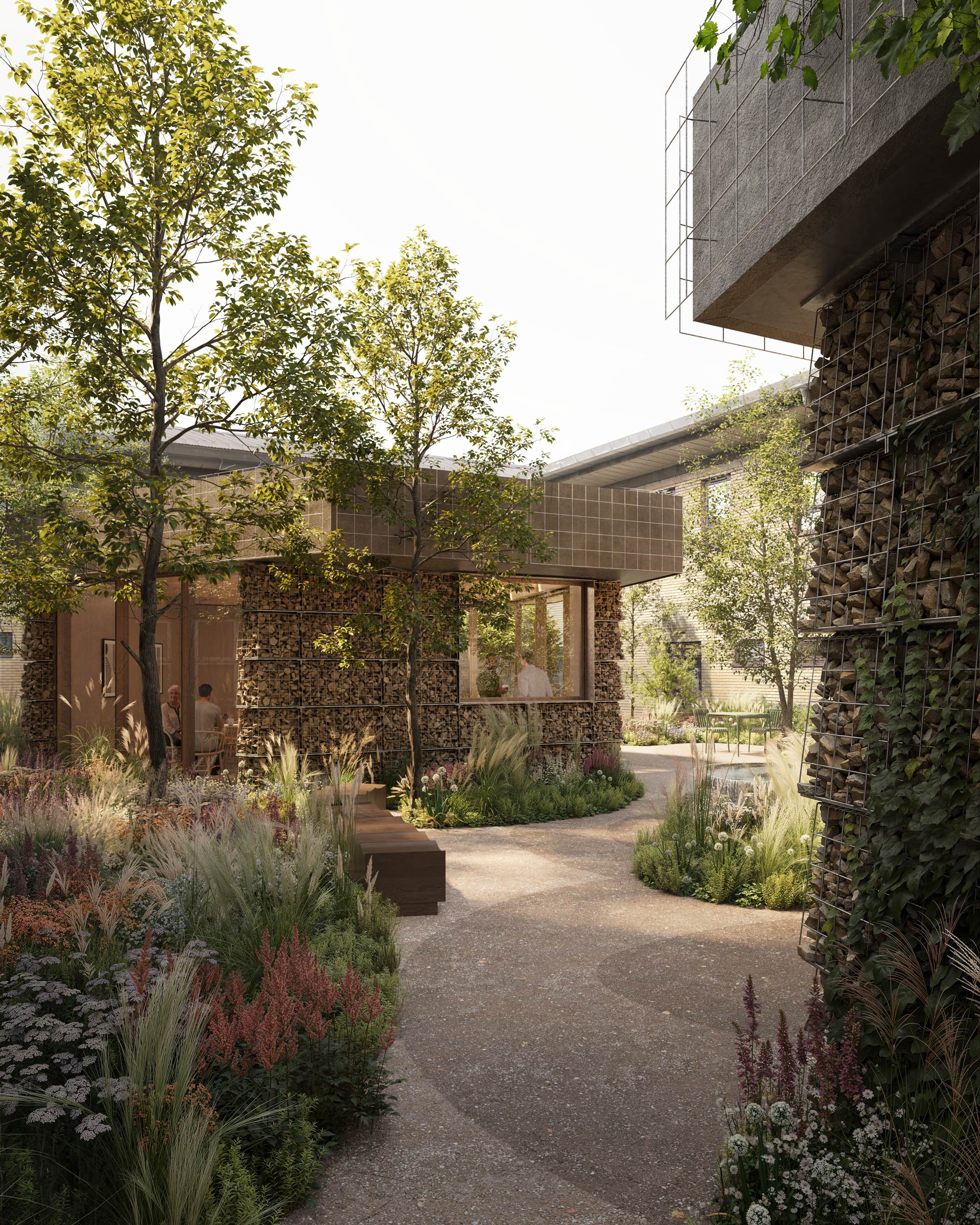
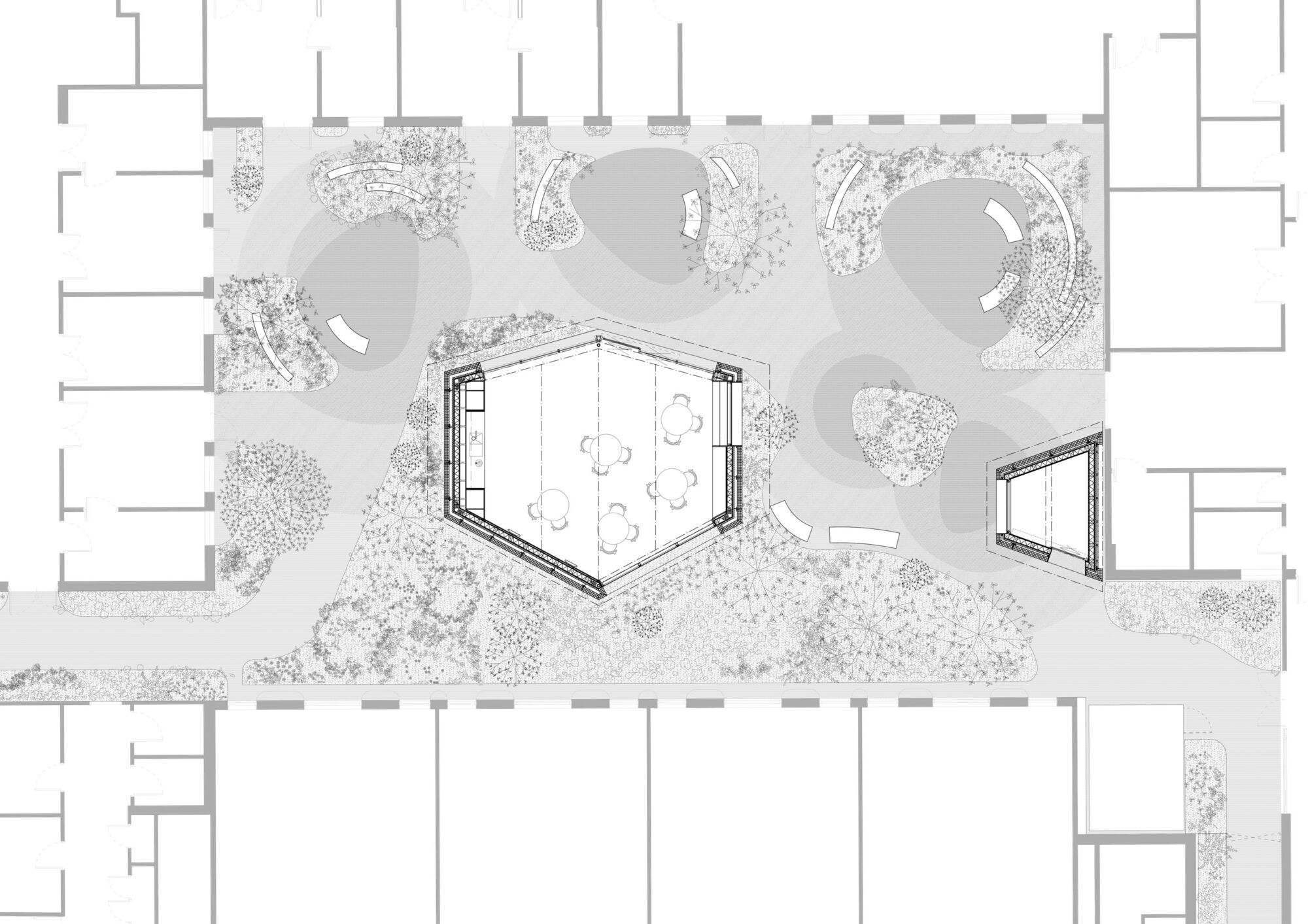
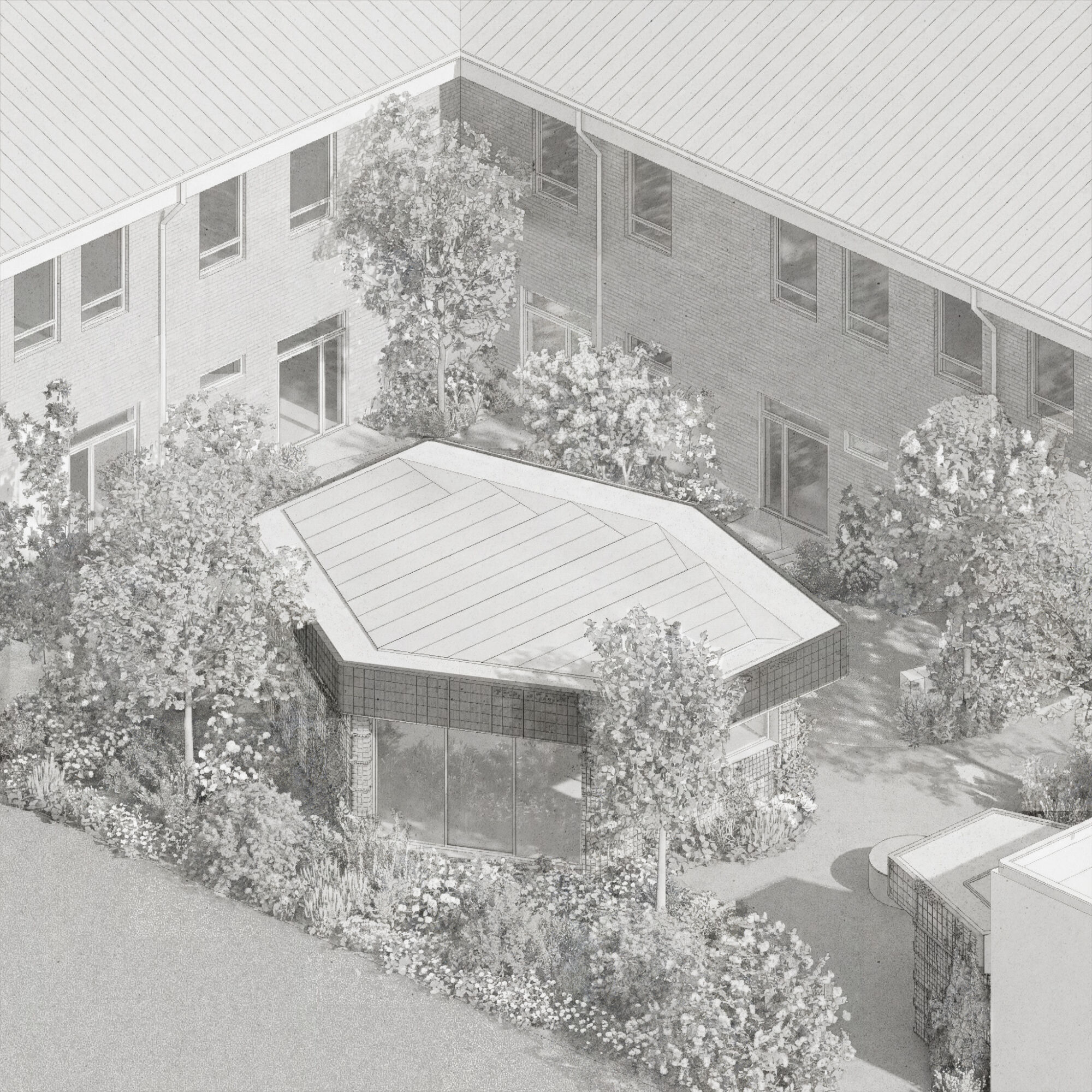
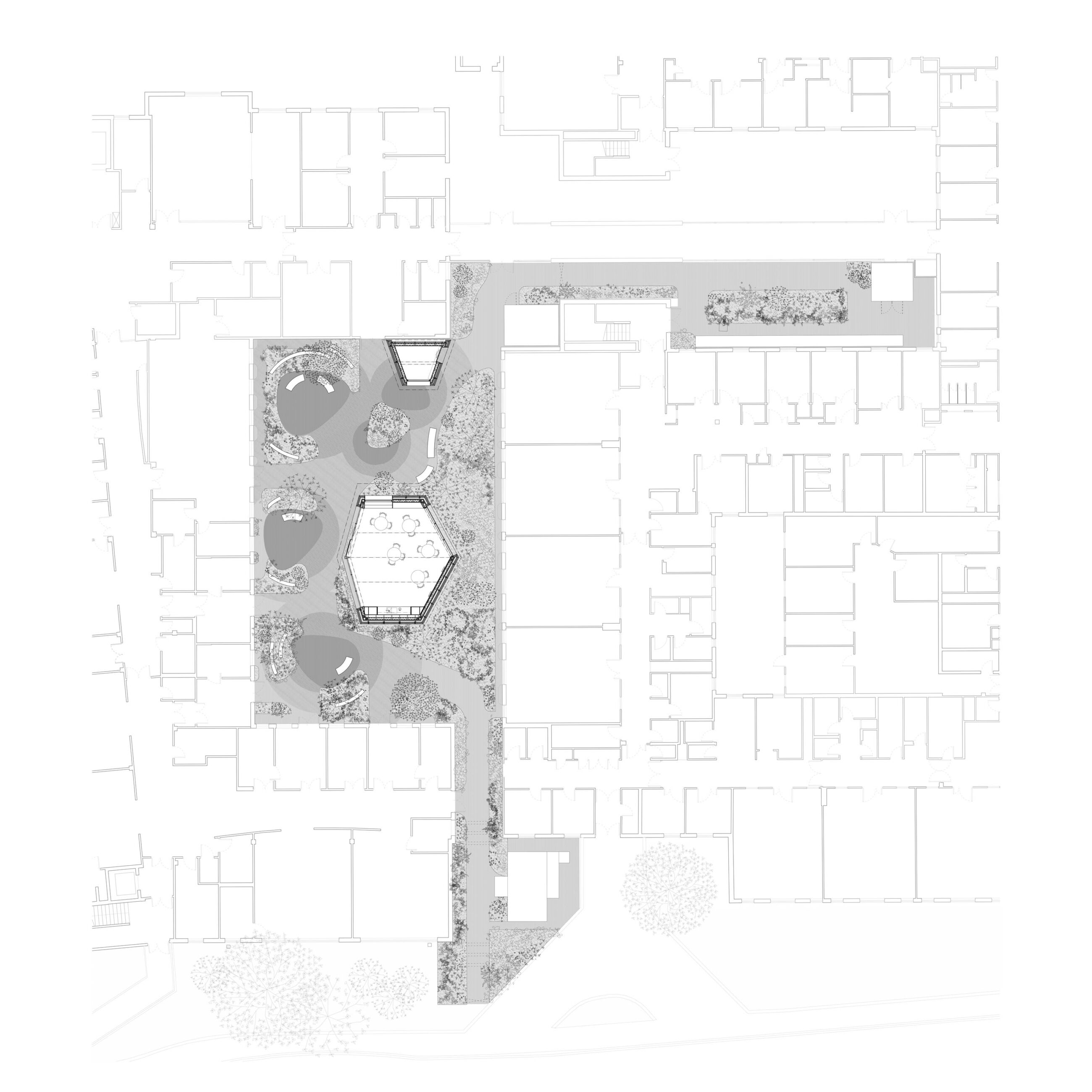
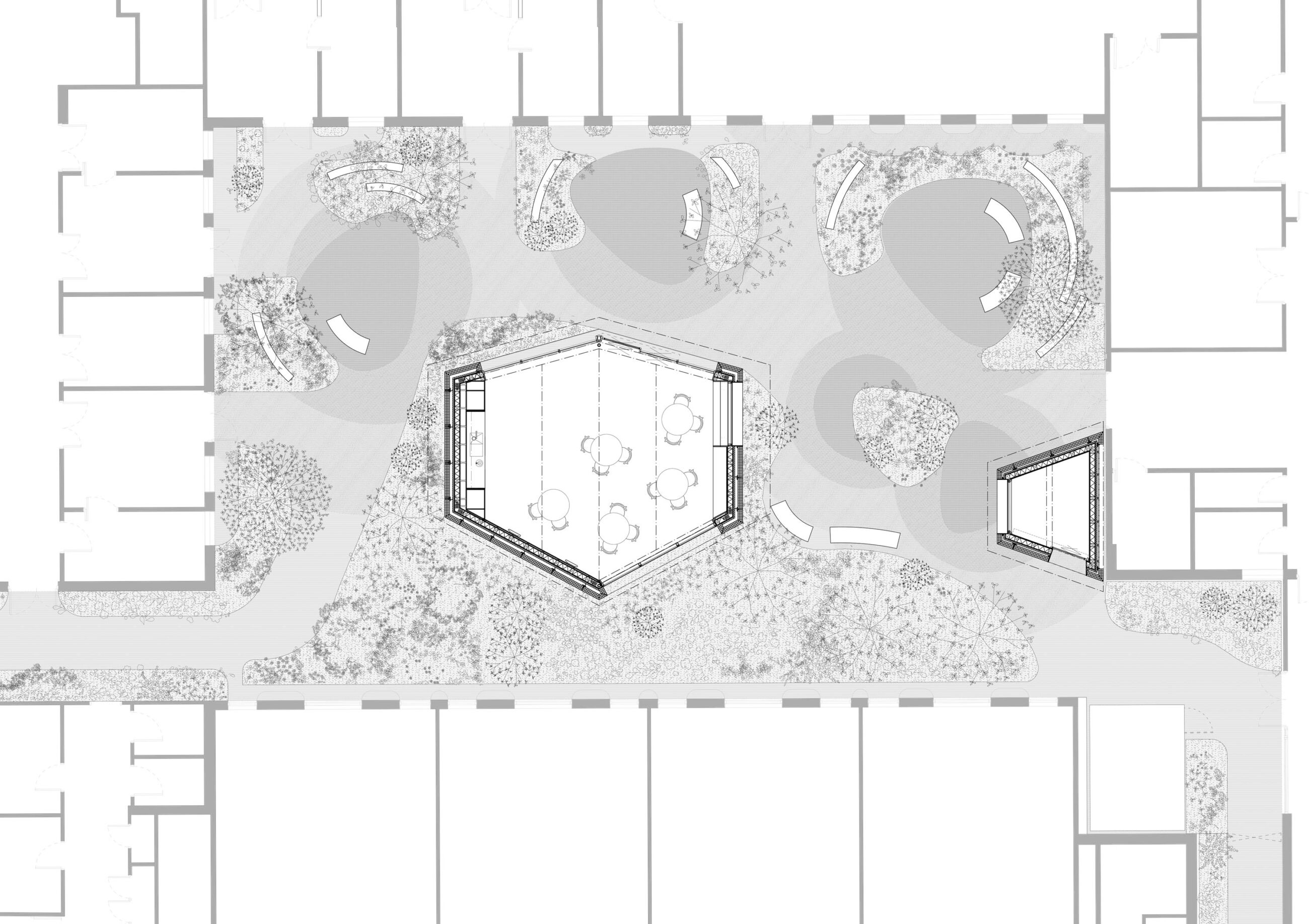
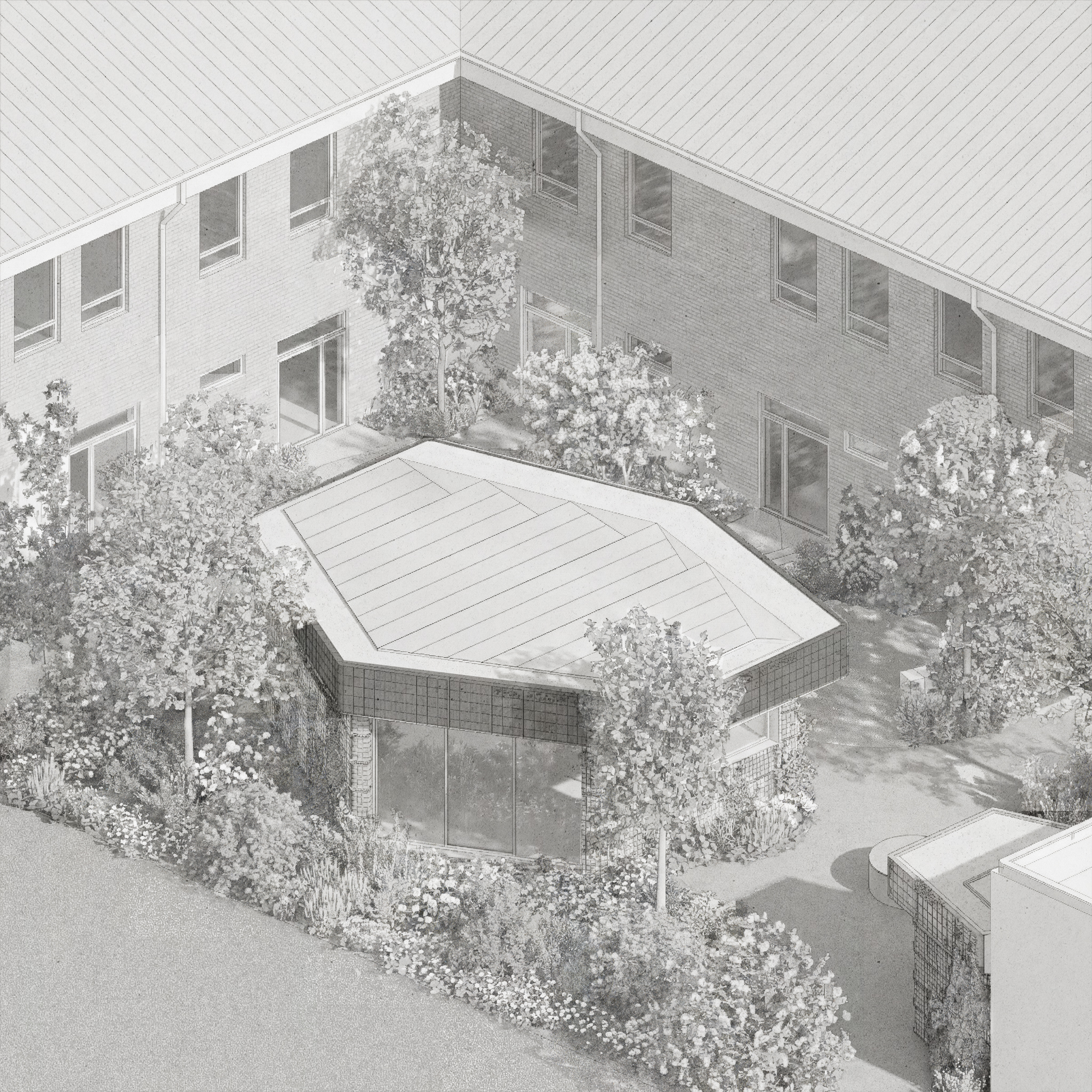
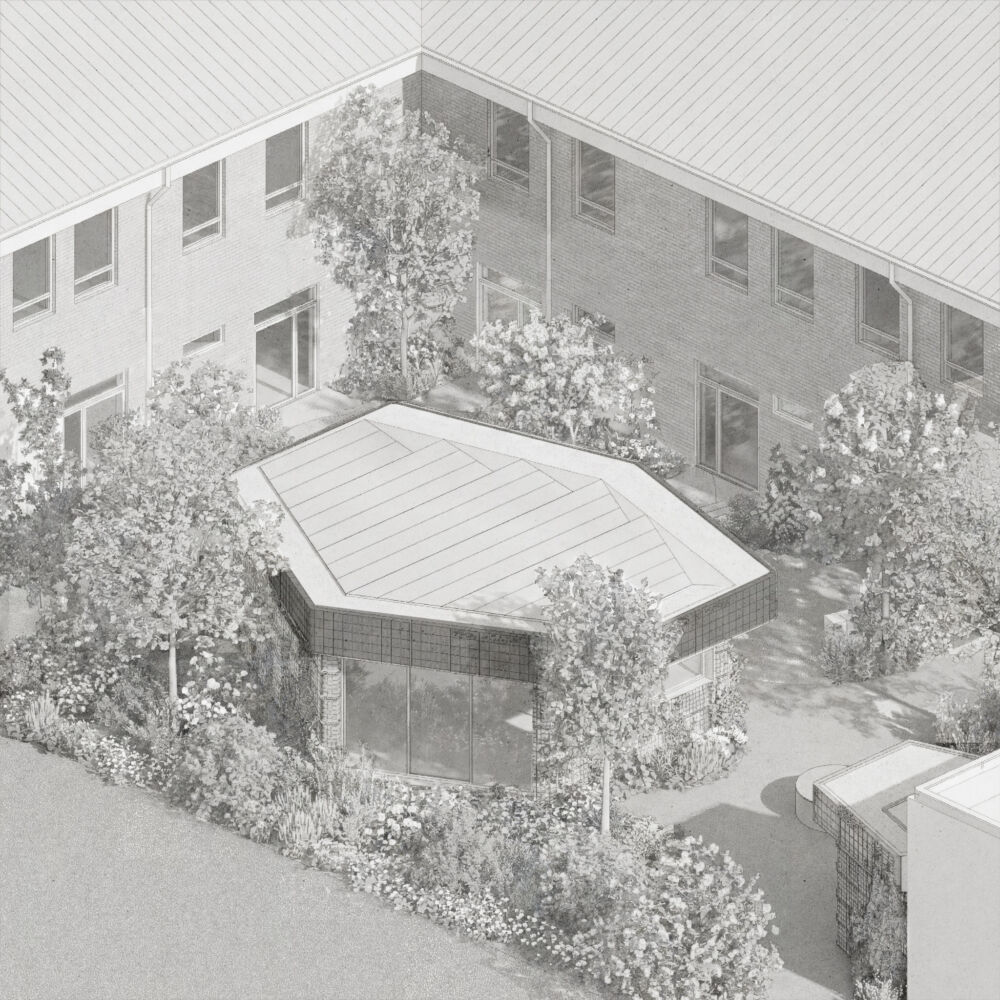
EBBA have been selected to design the latest Horatio’s Garden in North Yorkshire, a significant new chapter for an extraordinary national charity. Horatio’s Garden creates beautifully designed, fully accessible gardens within NHS spinal injury centres across the UK, offering patients and their families restorative spaces that support rehabilitation, social connection and emotional wellbeing. These gardens are not just landscapes; they are places of refuge, dignity and hope during some of life’s most challenging moments.
Our ambition has been to design a space that feels deeply rooted in North Yorkshire, one that resonates with its landscapes, light and material character while also providing an uplifting, welcoming environment for patients, visitors and staff.
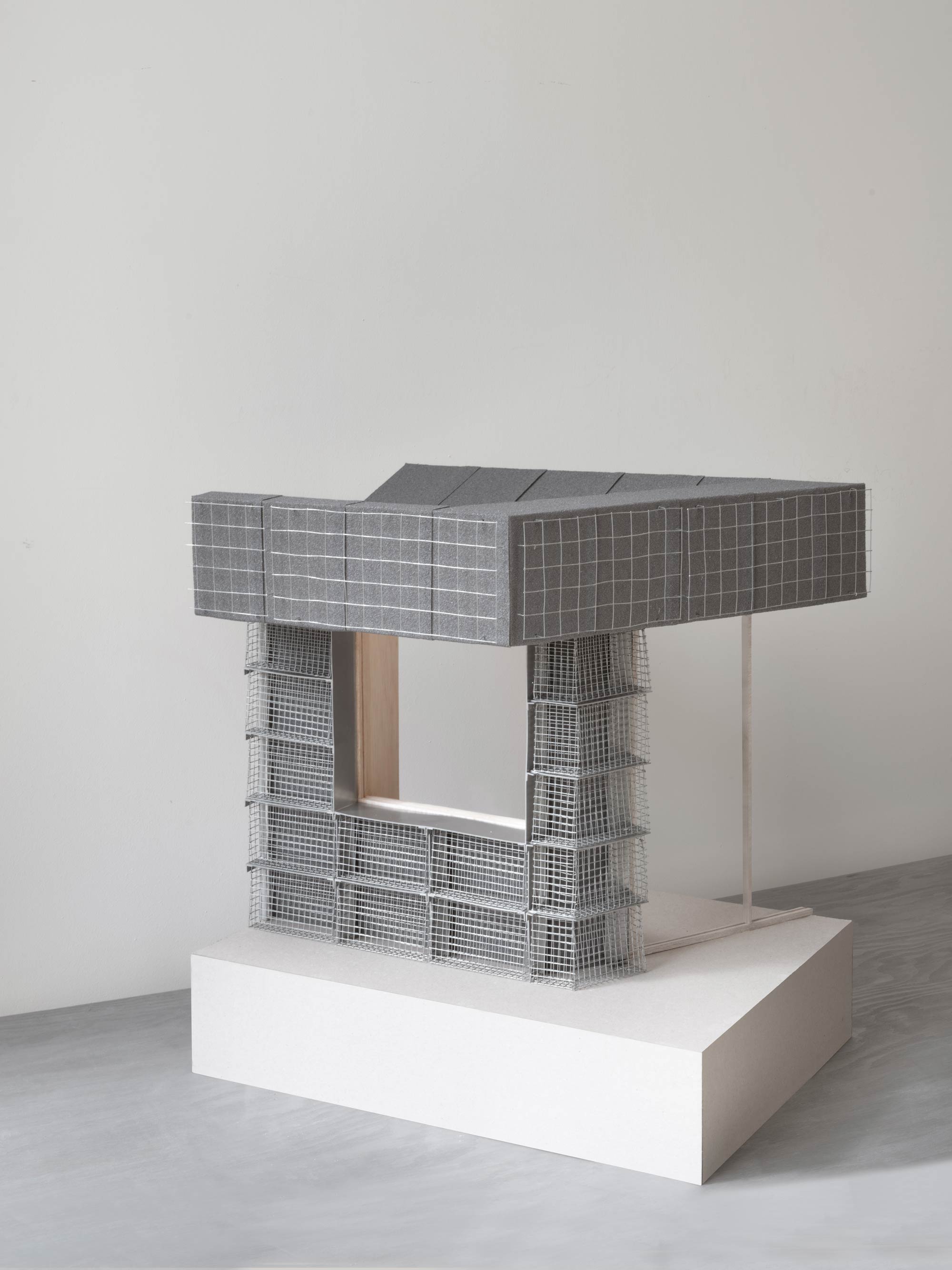
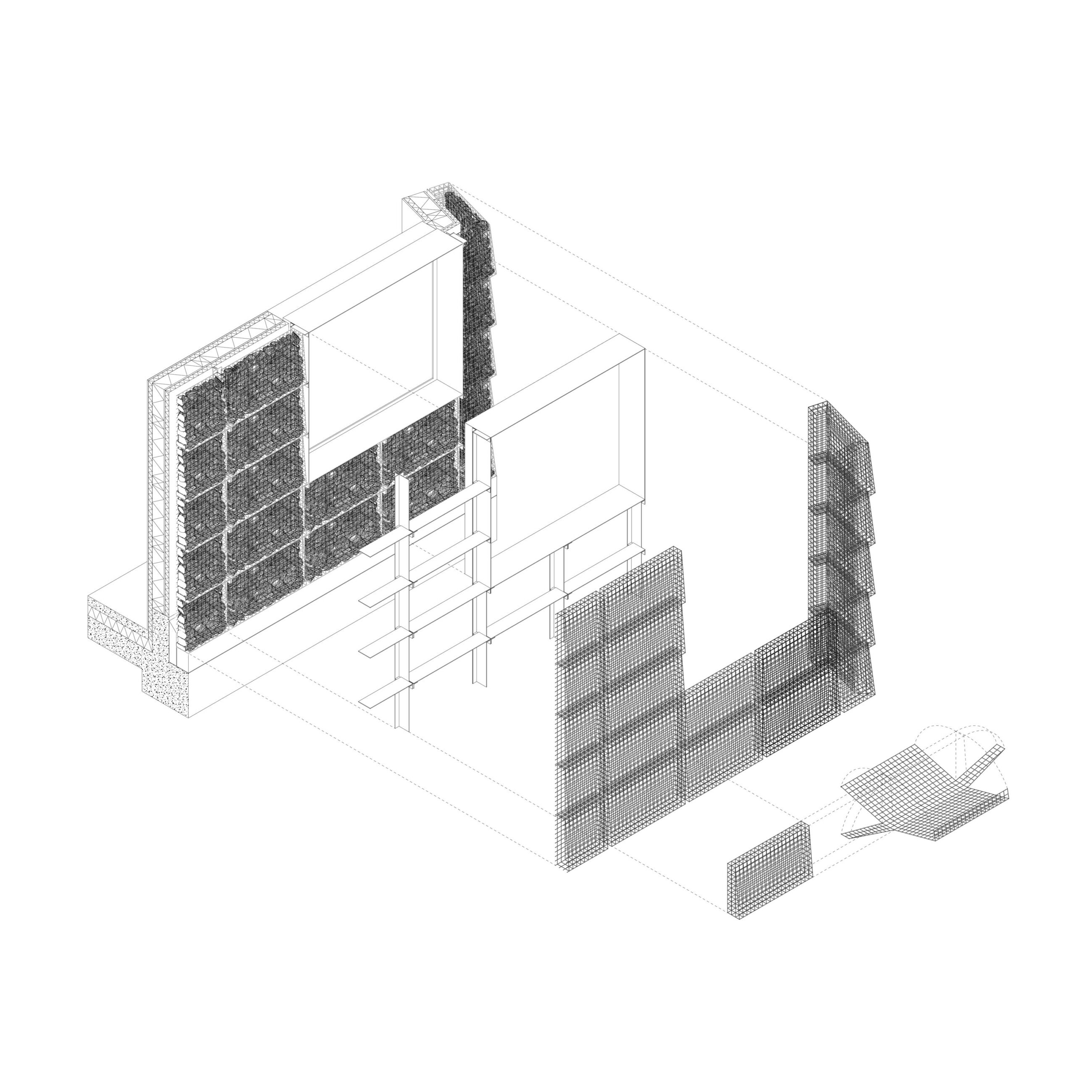
The design draws inspiration from the rugged beauty of the North: its moorlands, drystone walls and the rocky landscape. We are interested in working with materials that feel authentic to this context through the use of stone, timber and metalworks, helping to celebrate their inherent qualities rather than overworking them. There is a deliberate robustness to the palette, acknowledging the toughness of the regional landscape, balanced by softer planted elements that introduce seasonal change, colour and movement.
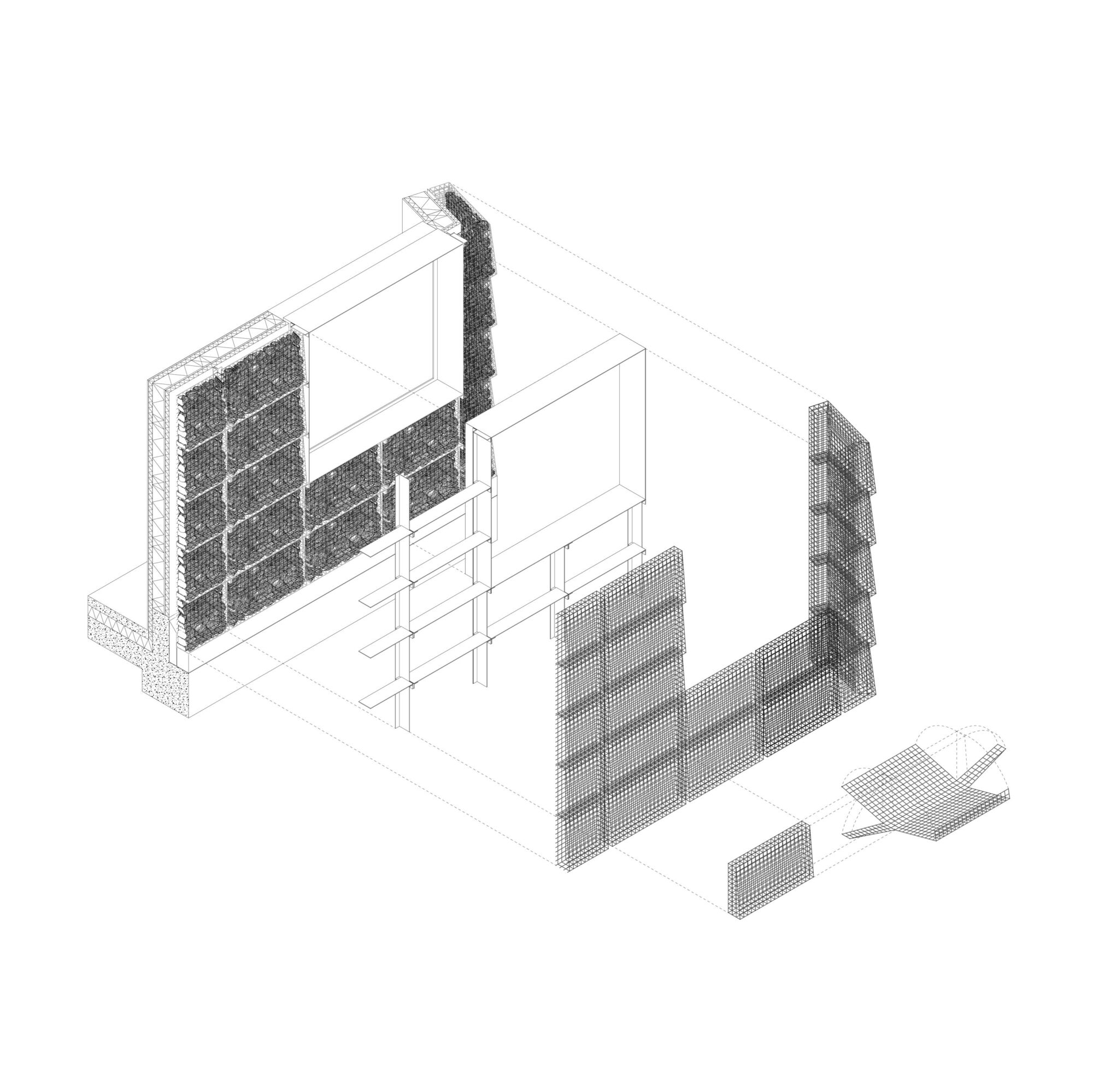
An economy of means underpins the architectural language of the project. We are exploring simple methods of assembly and honest construction techniques that allow materials to express themselves clearly. Rather than relying on complexity, the design seeks clarity and restraint through carefully considered junctions, modular components and repeatable elements that create coherence across the site. This approach not only supports buildability and long-term maintenance but also reinforces a sense of calm and legibility within the garden.
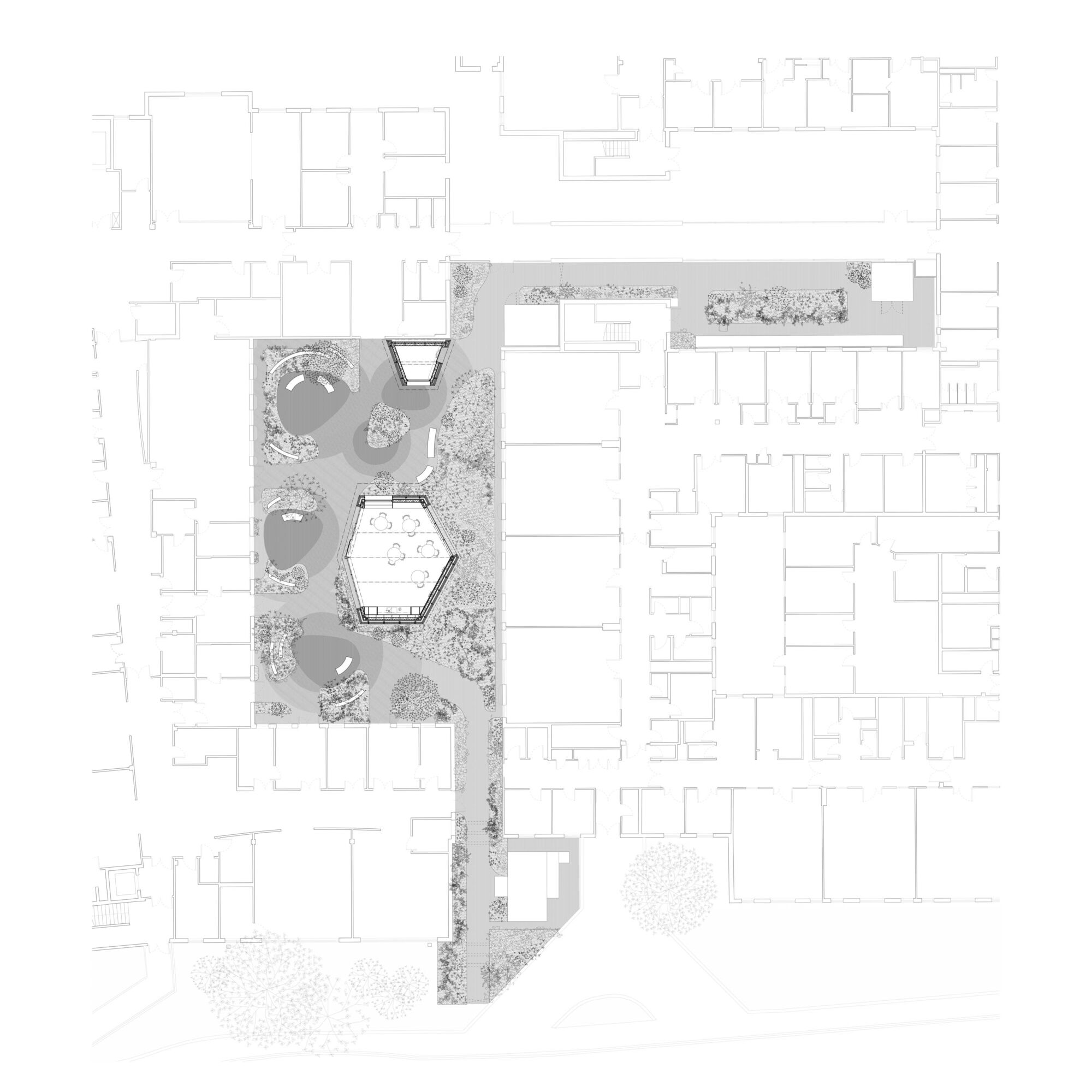
A key theme throughout the design is the interplay between heavy and light elements. Solid stone walls and grounded structures anchor the garden, offering shelter and enclosure, while lighter canopies, screens and planted layers introduce permeability and openness. This dialogue between weight and delicacy mirrors the surrounding landscape and creates varied spatial experiences. Within the landscape are intimate corners for quiet reflection, generous communal areas for gathering, and accessible pathways that gently guide movement through the site.
Accessibility is central to every decision. The garden is carefully planned to ensure that patients with spinal injuries can move independently and comfortably throughout. Level thresholds, generous turning circles, tactile planting and thoughtfully positioned seating all contribute to a space that empowers rather than restricts. Sensory planting, seasonal interest and views to nature are woven throughout, supporting both physical rehabilitation and mental wellbeing.
Collaboration has been fundamental to the project’s development. Working closely with Studio Pollyanna and Arup, we are bringing together expertise in landscape, engineering and placemaking to ensure that the garden is not only beautiful but technically rigorous and sustainable. This integrated approach enables us to consider environmental performance, structural clarity and long-term resilience alongside the experiential qualities of the space.
As the project moves toward construction, we look forward to seeing the garden take shape on site in Spring. More than a design exercise, this is a commitment to creating a meaningful, lasting environmenta and a place that supports recovery, fosters connection and enriches daily life for those who need it most.
Title: Horatio’s Garden
Location: Houghton Festival
Year: 2025-present
Client: Horatio’s Garden
Type: Cultural, Public
Related Projects
Late Constable Exhibition
Studio Potter Exhibition
Edouard Malingue
08•2024
08•2024
Housing, Germany
Housing, Germany
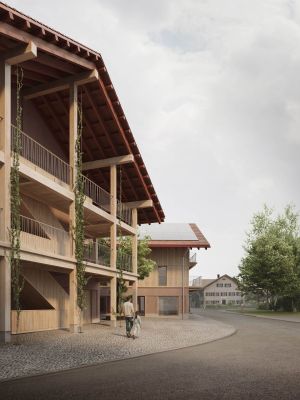
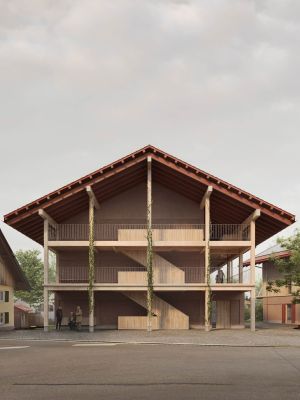
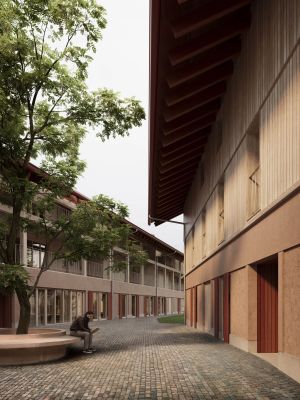
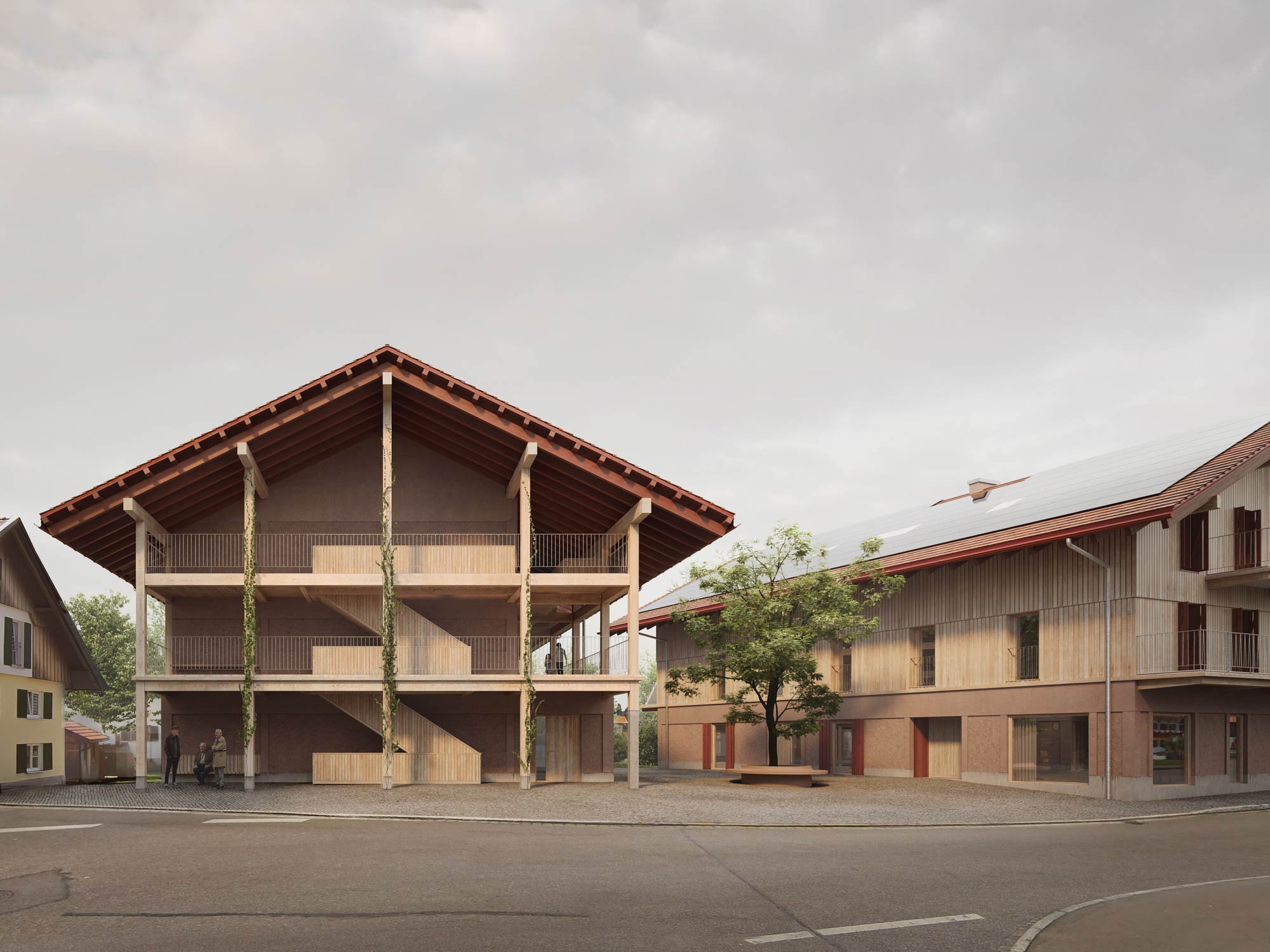
EBBA in collaboration with Cairn and sophie & hans have gained planning approval for an innovative, community-led residential scheme in Rosshaupten, Germany. The project, designed to meet the needs of the town’s evolving population, will feature two timber-framed buildings housing a community hall, care home, accessible apartments, medical practice and affordable housing.
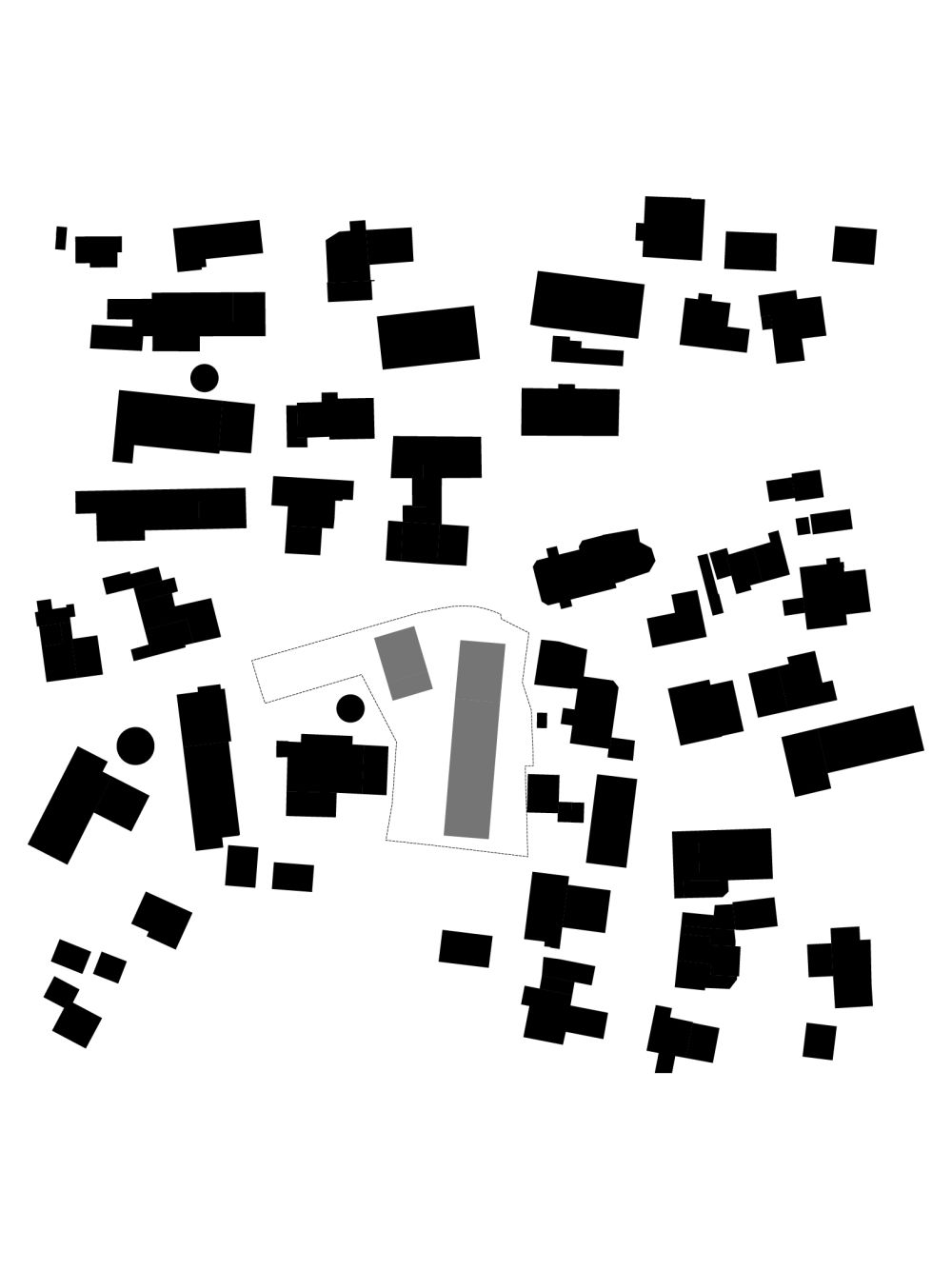
Stretching from the town church to agricultural fields, the proposal respects the local architectural vernacular characterised by two long buildings recalling the traditional farmhouses of Rosshaupten which feature deep plots, street-facing gables and semi-public yards. The two proposed buildings will frame a sequence of public spaces, starting with a civic square defined by the relationship between the church and the gable of the long building; and moving inward, a courtyard space which provides access to the community hall, clinic, and residential apartments, leading to an expansive garden that serves as a semi- private space including gardens at the rear designed for people with Dementia Reflecting the tradition of timber architecture in the town, EC-SH’s structures embrace humble materials familiar to the community, adapted for contemporary use and with environmental considerations in mind. The buildings will feature exposed timber frames and timber upper floors, sitting on a masonry ground level finished in warm coloured render, and large roofs with red tiles and beams. The boarded facades with balconies and shutters add depth and variation. The thermal envelope is separated from the frame on the upper floors, making unconditioned, shared spaces of wide decks, stairs and the winter garden where residents can enjoy sweeping views of the town, countryside and a horizon of mountains.
The Community Centre will be located at the northern end of the longhouse, and will include a flexible double- height hall designed to feel like a shared house for its small community, with warm materials and exposed structural rhythm. The Care Home with accommodation for assisted living will be directly connected to the community hall and will feature shared spaces, easily navigable hallways, and a common room with a hearth to encourage social interaction. Rooms are arranged in clusters to avoid long corridors and each one has direct garden access with full-height glazing and timber shutters.
The apartments for affordable living will be situated on the upper floors of the longhouse; these homes are accessed from wide, sheltered decks and feature external front doors with east and west sunlight exposure. Finally, the Medical Clinic will be located on the ground floor of the small house, opposite the community hall entrance, with dual-aspect apartments and large balconies above.
The collective’s design prioritises sustainability, with excellent daylight and ventilation in all internal spaces. A key environmental strategy is the exposed frame facade and open terraces. This means less internal air to heat and ventilate, and less material in the facades than a conventional design, as well as a stronger connection to the gardens and landscape. The south-facing garden, designed by landscape architects Wamsler Rohllof Wirtzmüller, will serve as a communal outdoor room with areas for privacy and gathering, incorporating mature trees, community growing beds, and a children’s garden.
Title: Housing Germany
Location: Rosshaupten
Year: 2024-present
Client: Public
Type: Dwelling
Status: Stage 4
Related Projects
09•2025
09•2025
New Gallery
New Gallery
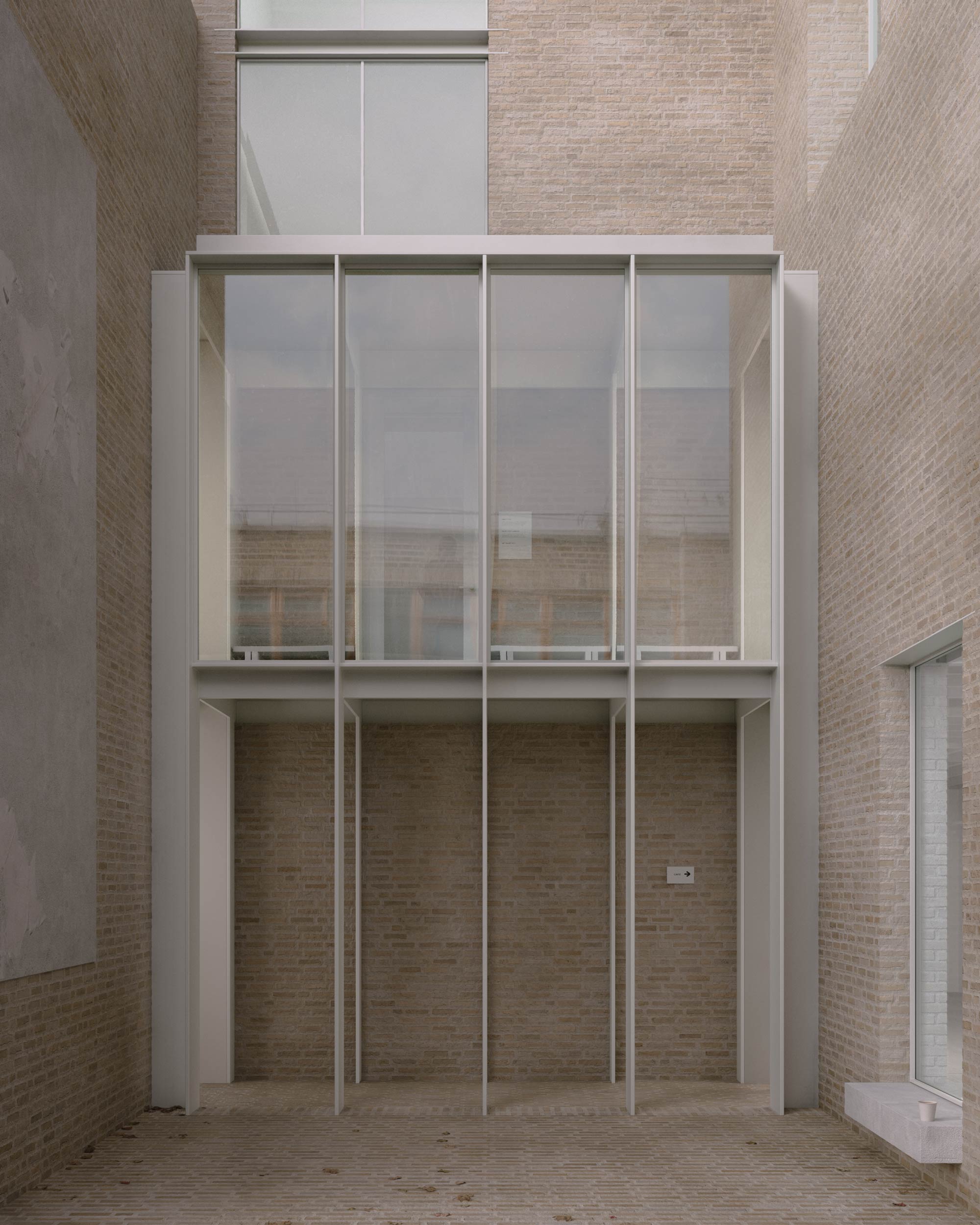
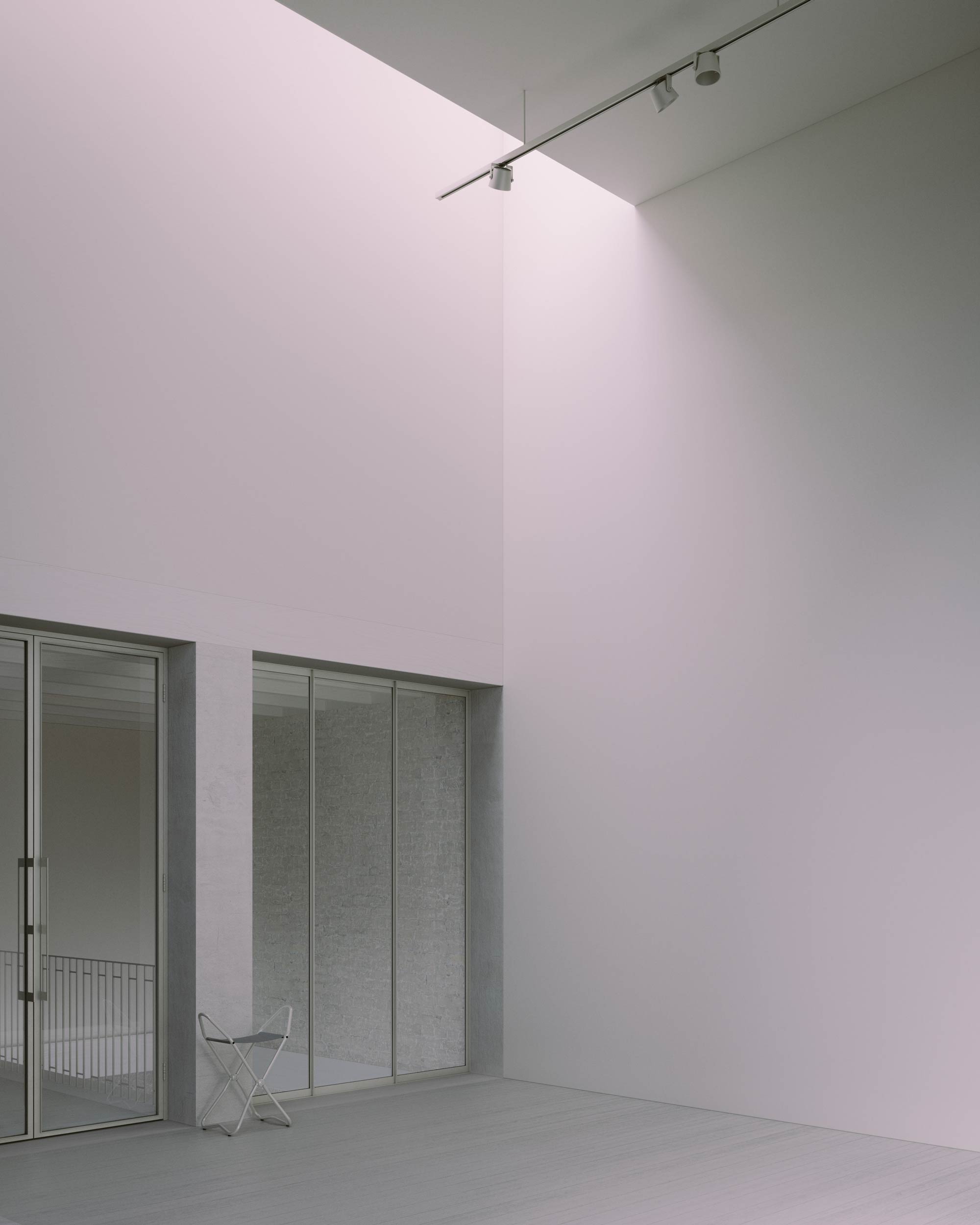
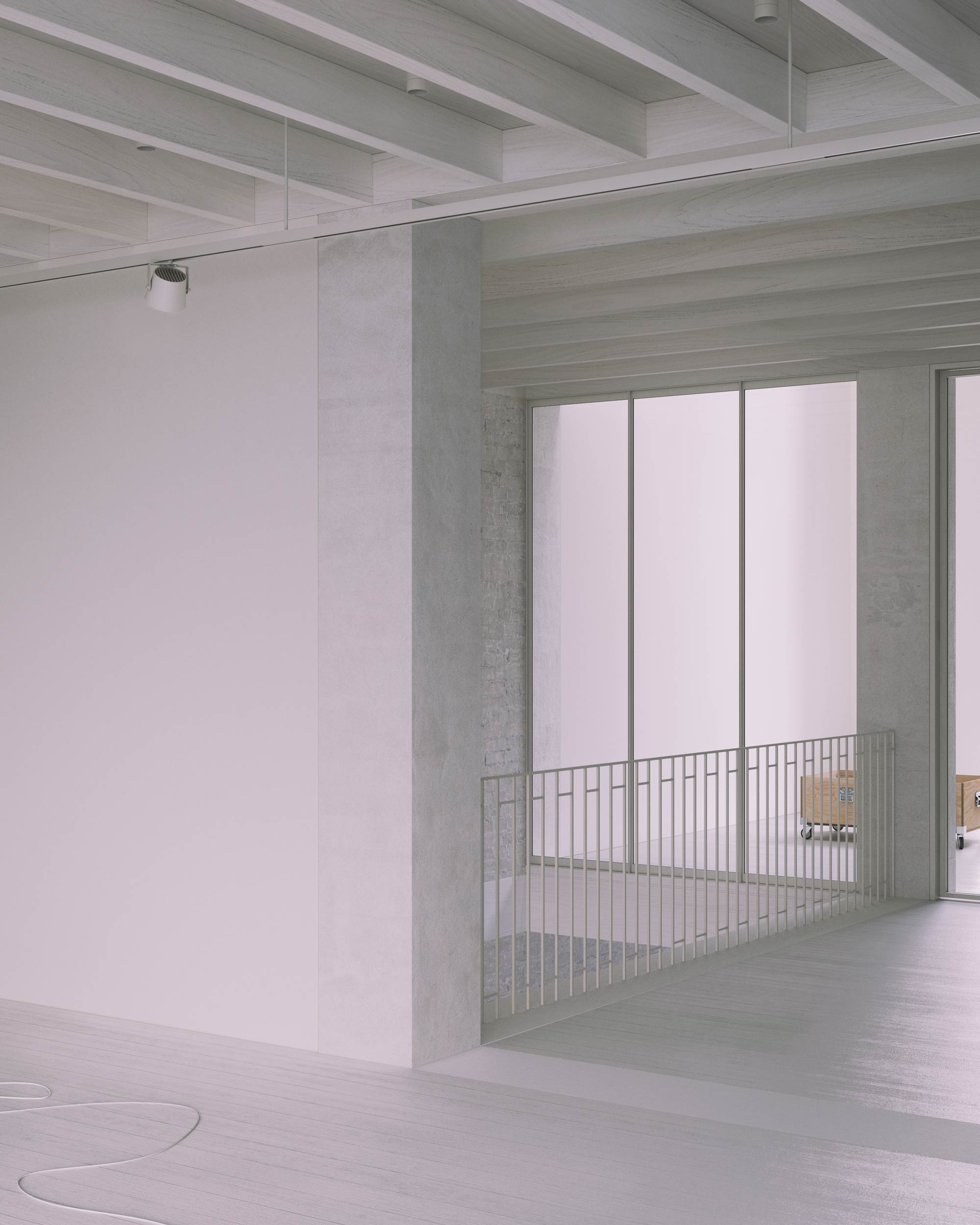
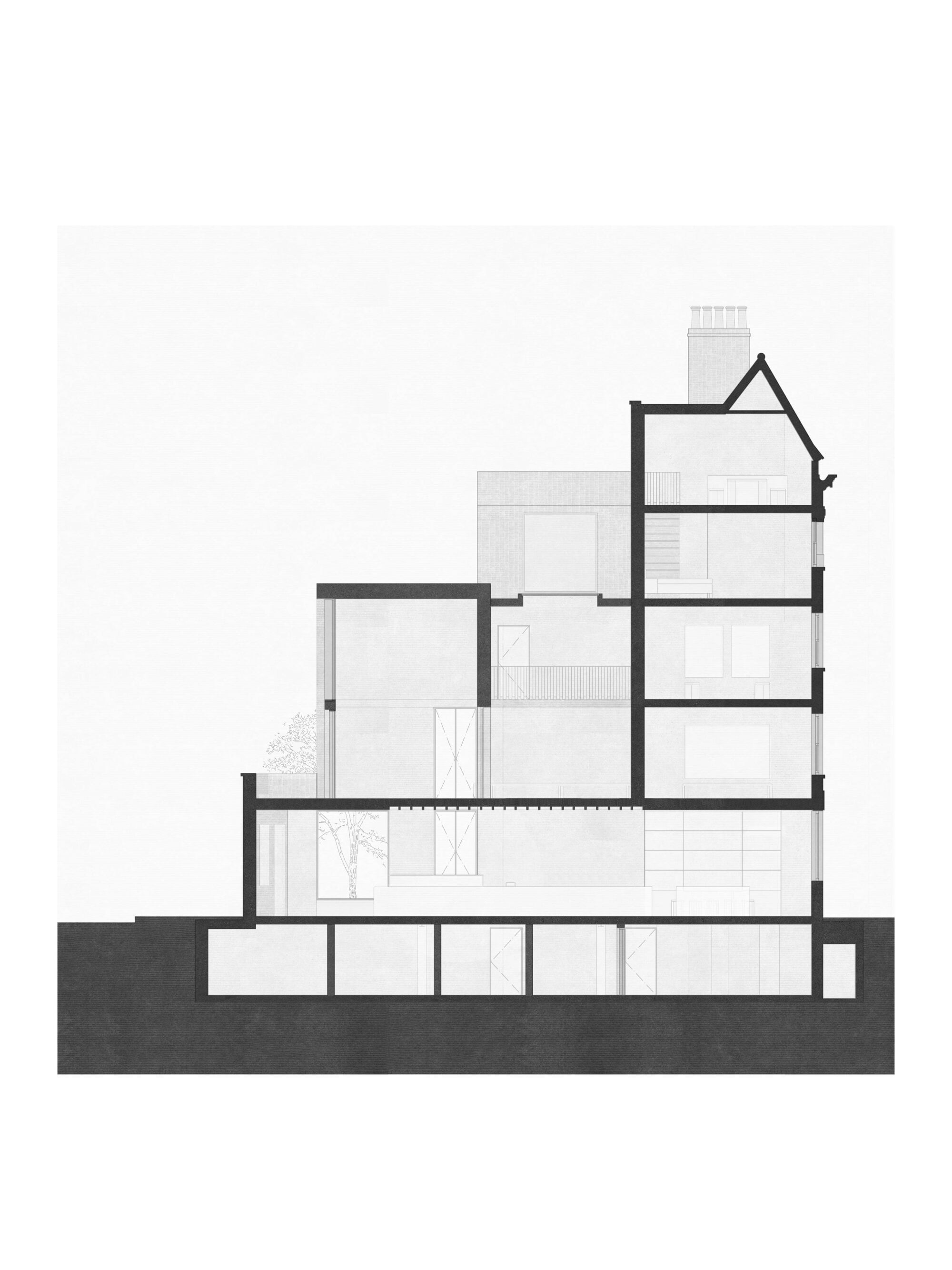
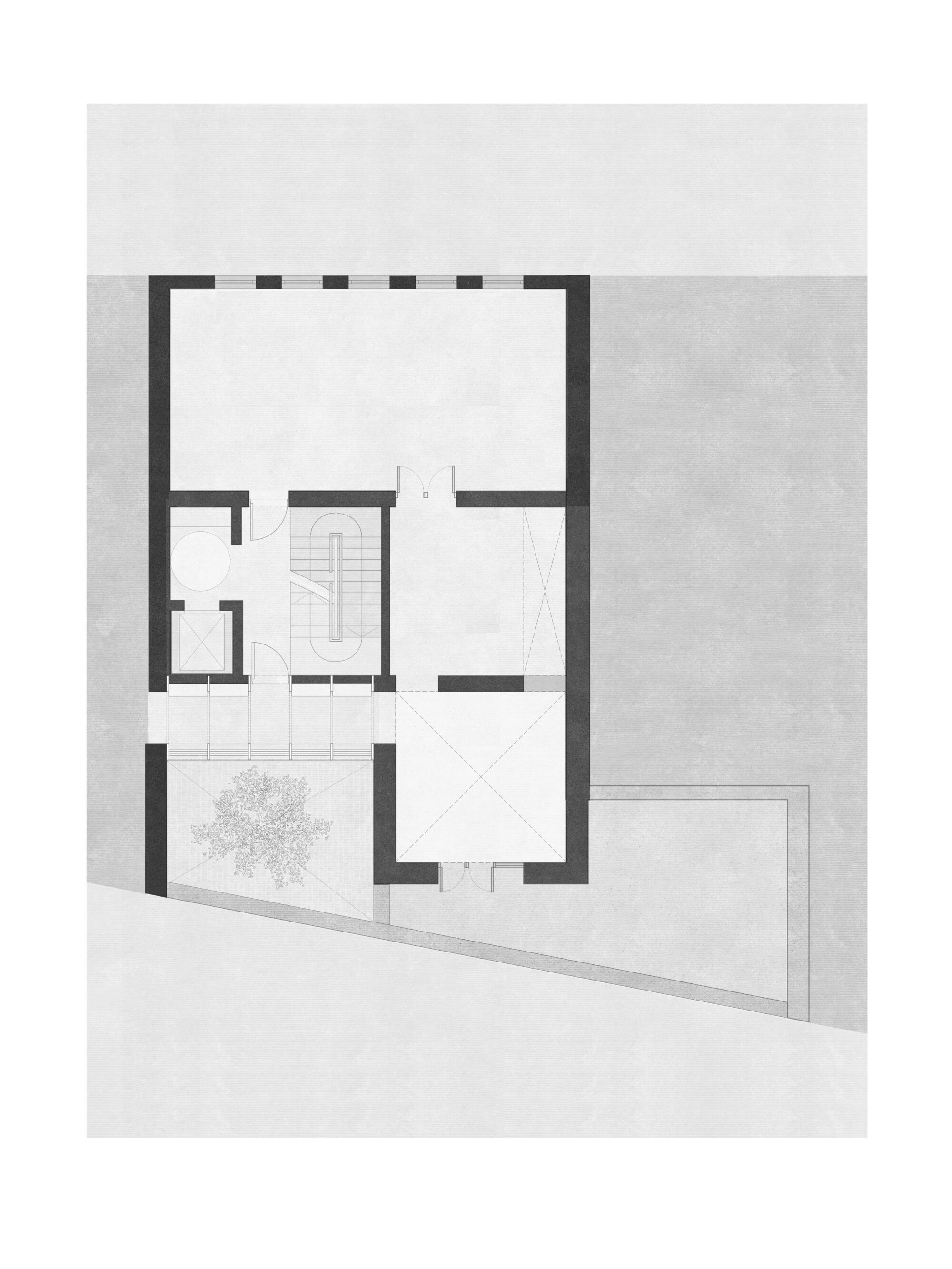
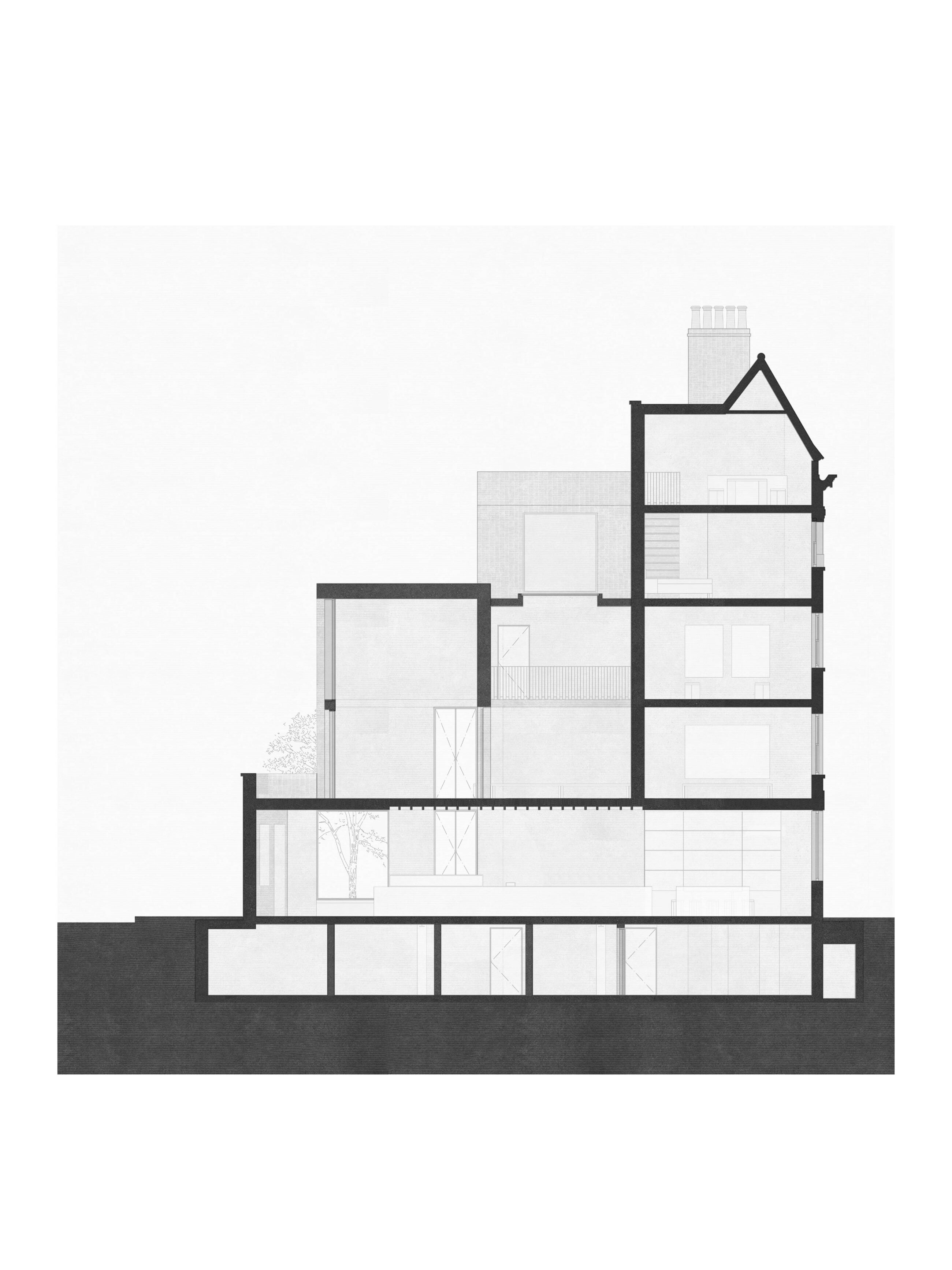
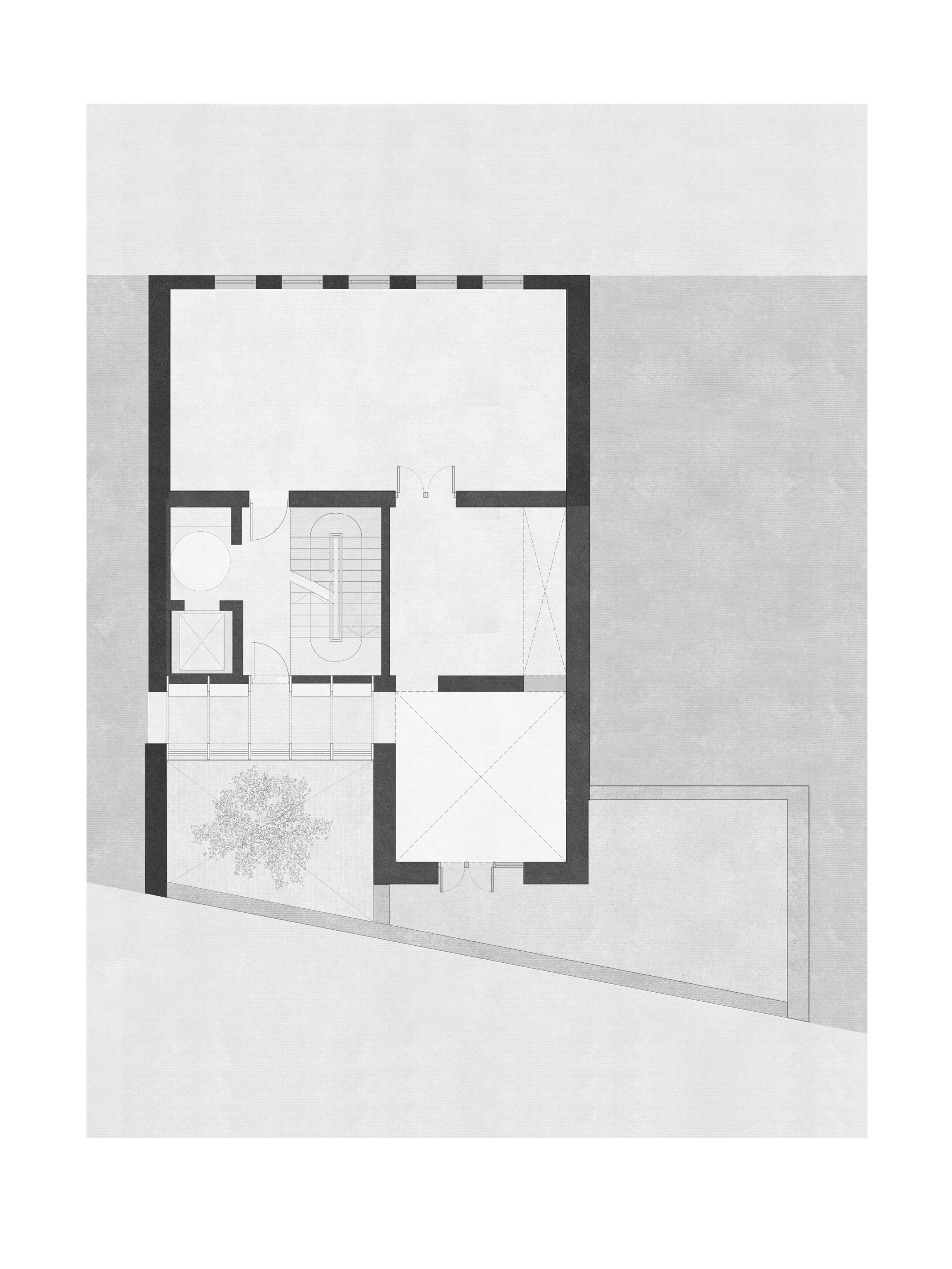
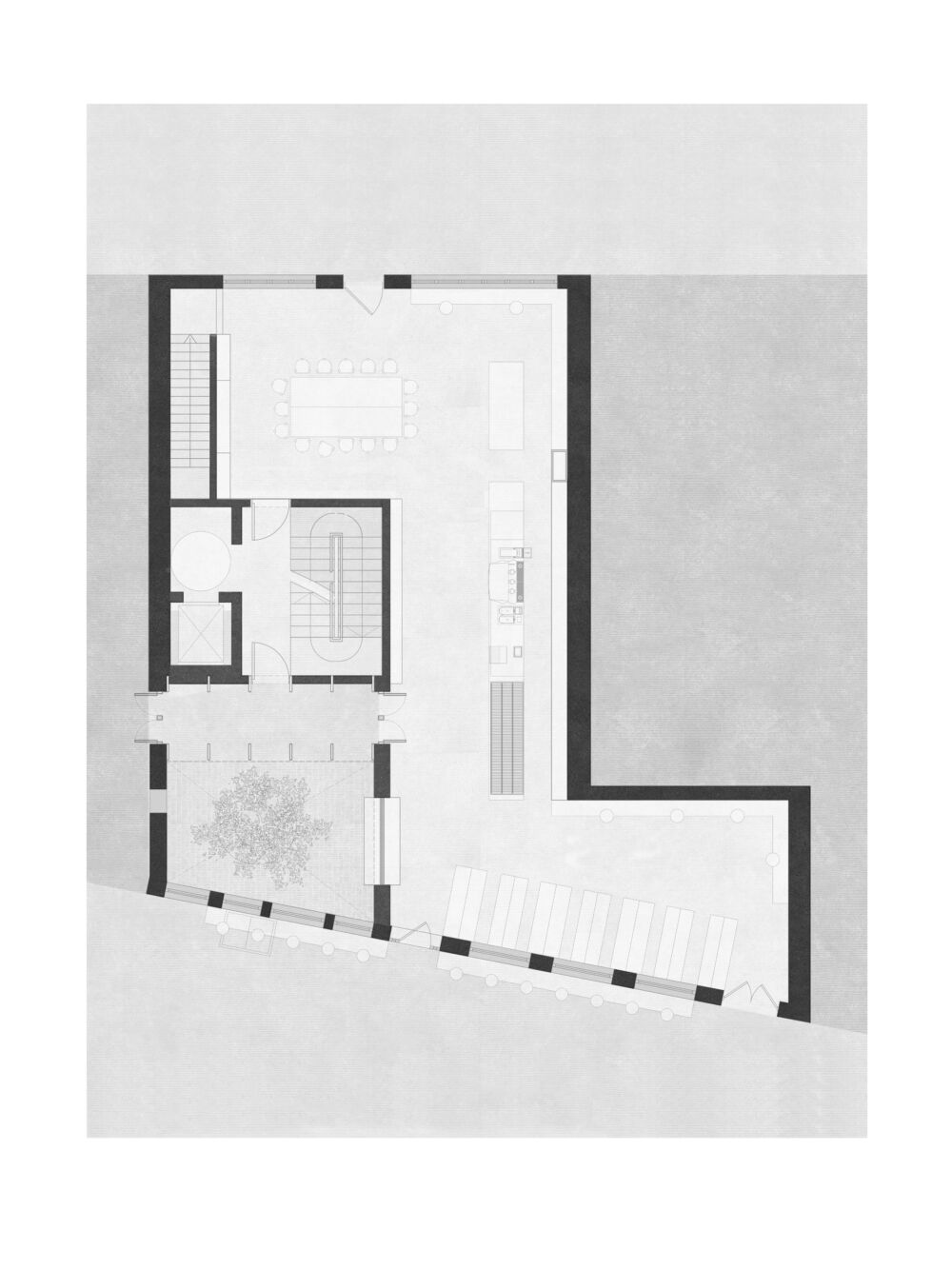
EBBA have worked on the design of a new gallery space in Central London, transforming and extending a unique building to provide additional exhibition spaces and a cafe that connects to a mews street at ground level. The project is about improving the circulation and connection to the existing gallery while introducing a series of volumes that help to add well-proportioned spaces for the display of art. A lightweight linking structure helps to connect the new and old, while the solid mass of the building responds to the piece-meal qualities at the rear of the mews.
The subtle yet bold gesture of the new interlocking structure acts as a bridge to the new spaces, connecting visually to different levels of the building. The steel language is a nod to the industrial heritage of the mews and can be seen as a reference to the working nature of this part of London.
Title: New Gallery
Location: London
Year: 2025
Client: Private
Type: Cultural
Status: Concept
Related Projects
05•2022
05•2022
Pre-School
Pre-School
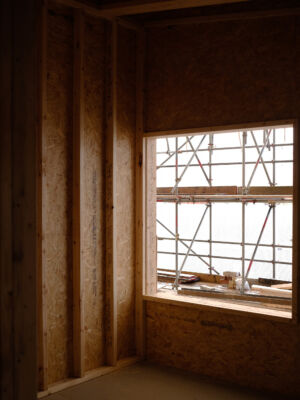
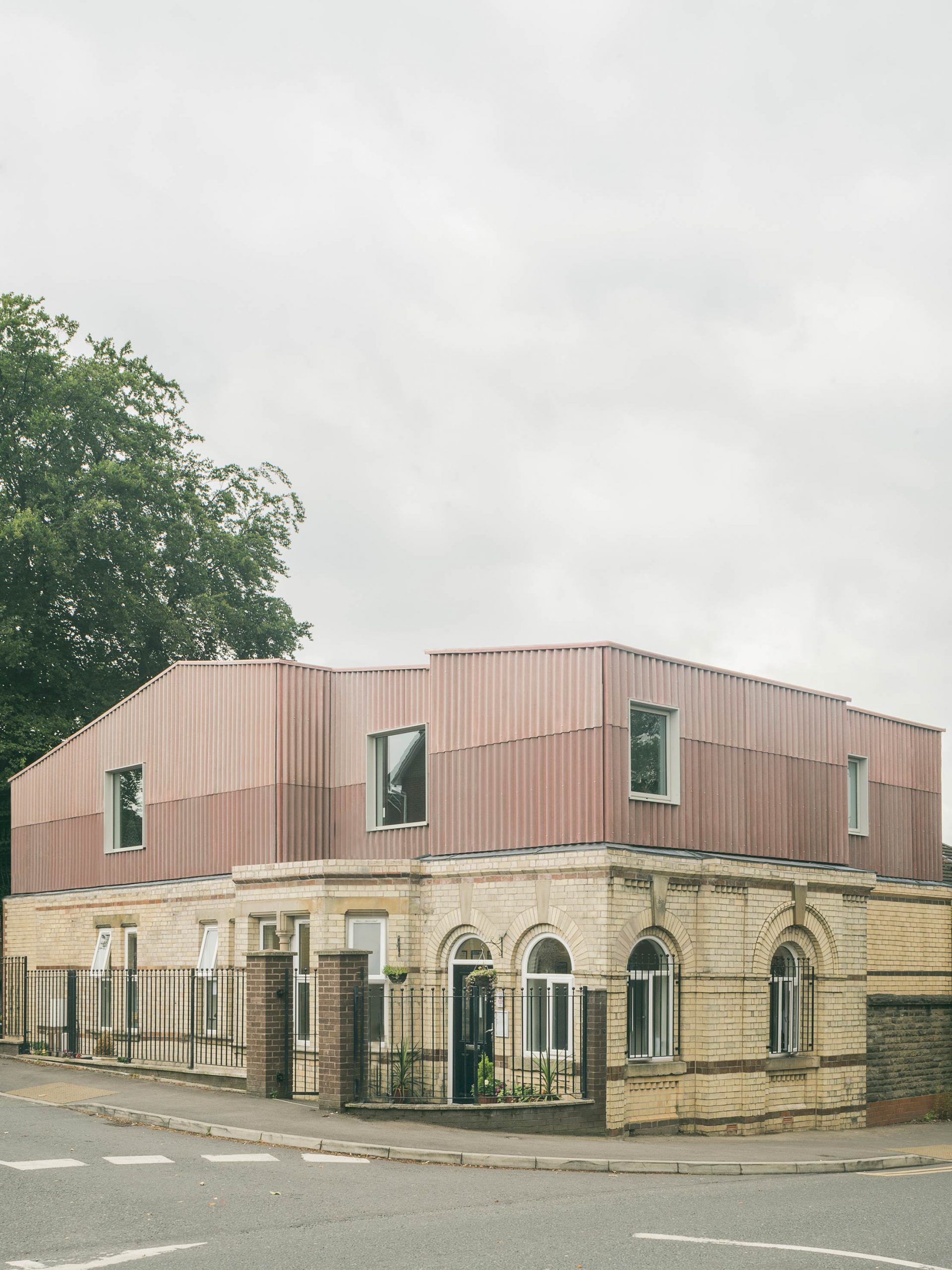
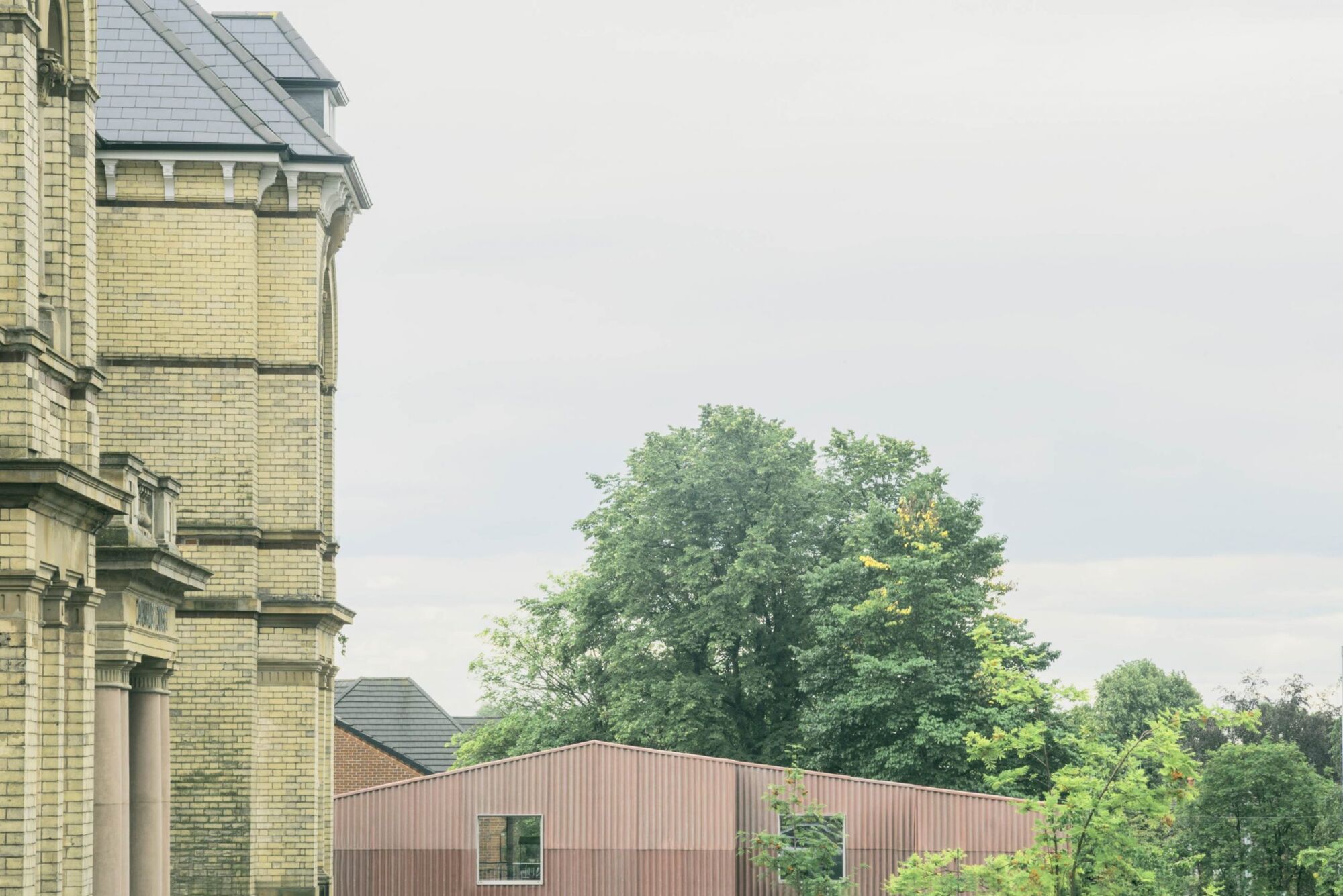
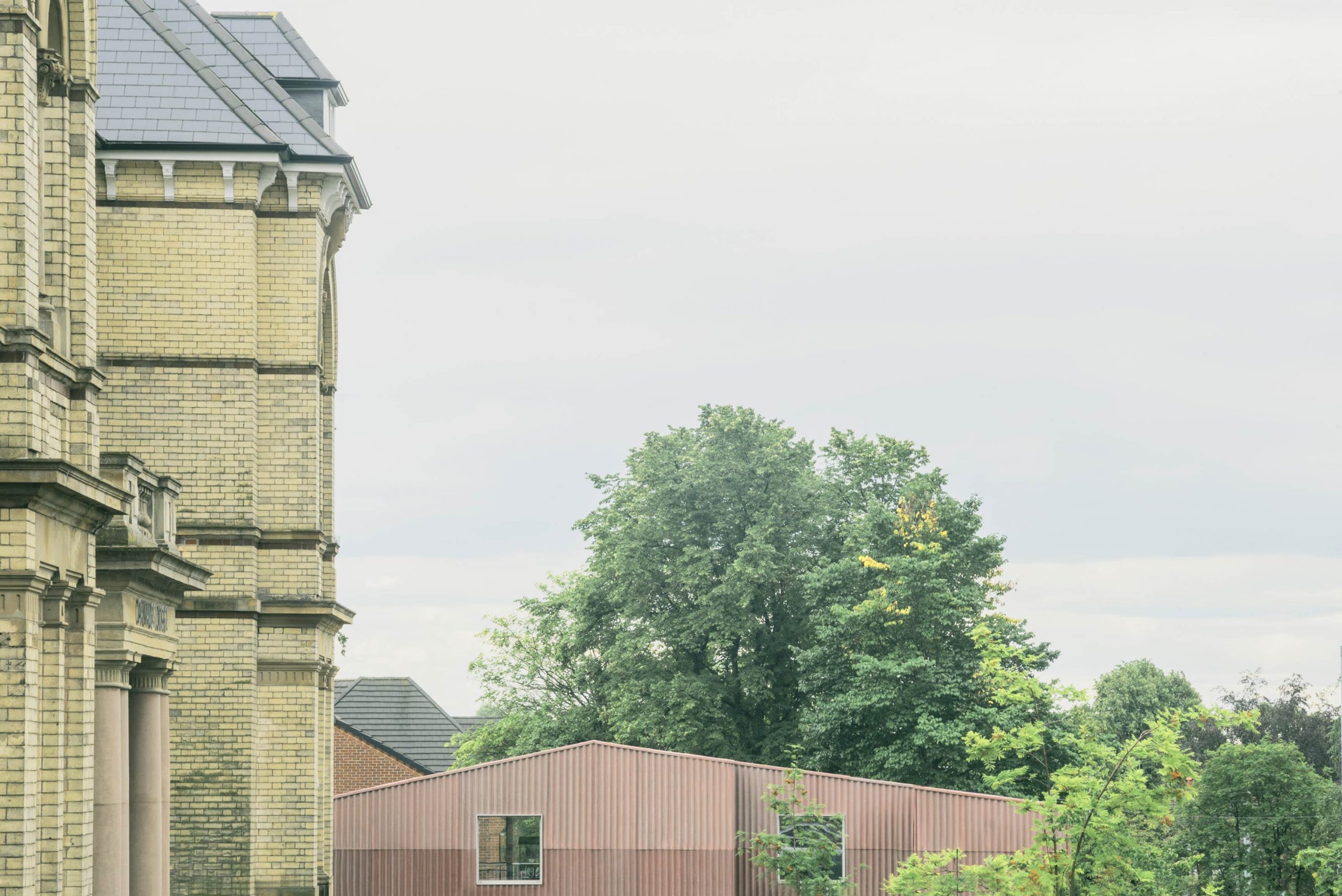
This modest single storey building, built in the 1870s as part of the largest children’s hospital in Manchester, was occupied by a children’s nursery when the site was sold and developed to allow for 300 homes. The only two remaining historic buildings left being the main hospital and this lodge, which was primarily used as a gate house.
Due to the success of the nursery, as well as the wider issues generally regarding care, the client decided to extend and remodel. EBBA were commissioned after an invited competitive process to add a significant extension to provide much needed space for teaching and the staff.
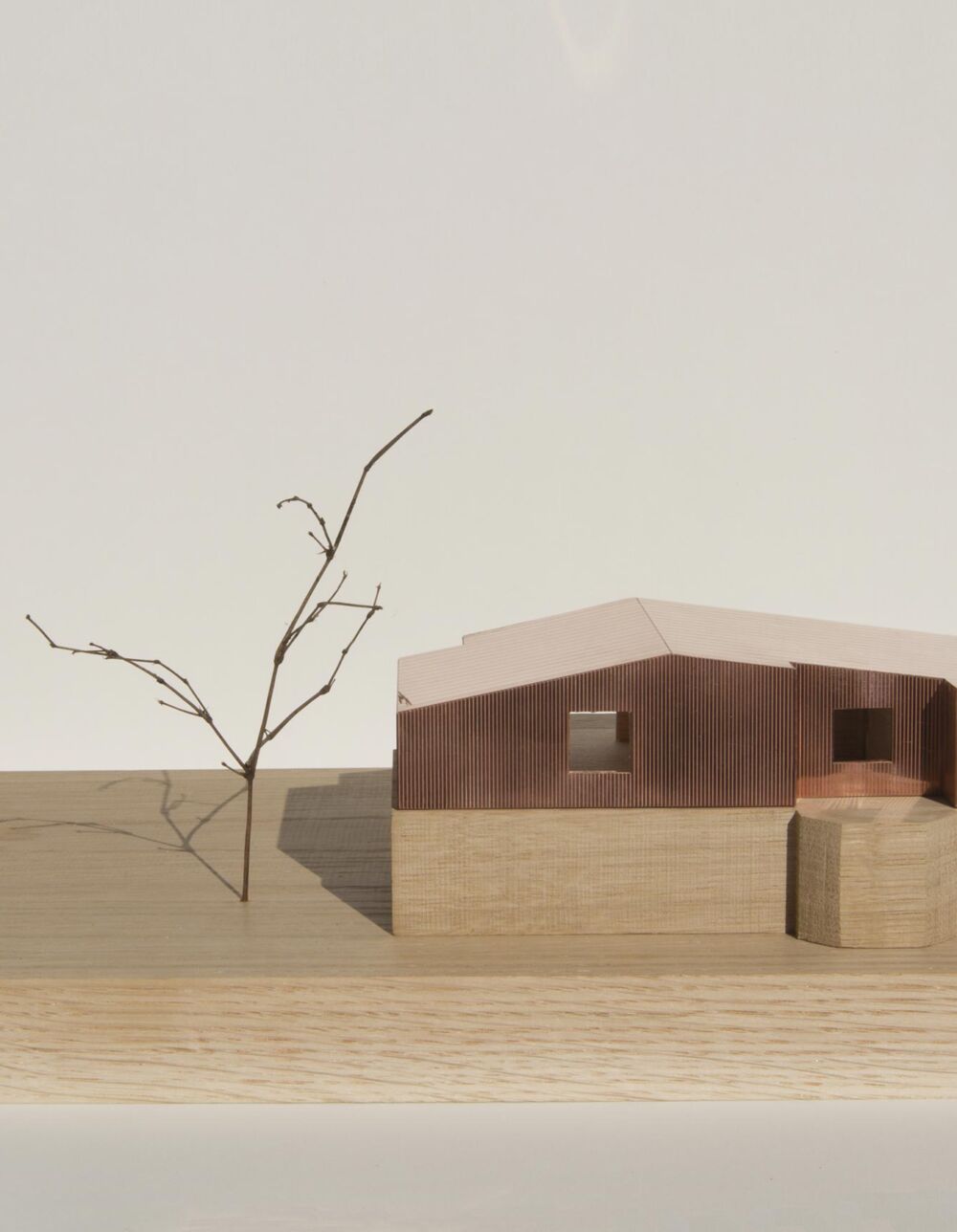
Dealing with an existing building and the challenges of its previous transformations set the limitations and its opportunities. The original architecture is humble and unpretentious, apart from two of its sides that have tried to present a mature elevation onto the street. Both have projecting bays with modestly decorated stone lintels and arched windows in brick that give it its character. The form of the new massing is a playful attempt at tying the project to the character of the site, one dominated by the detached houses and steep pitched roofs, while also wanting to create a tent-like form that the children could relate to. The shape of the plan is defined by the perimeter of the building, while in places it steps back to respect the prominence of the window bays of the existing structure.
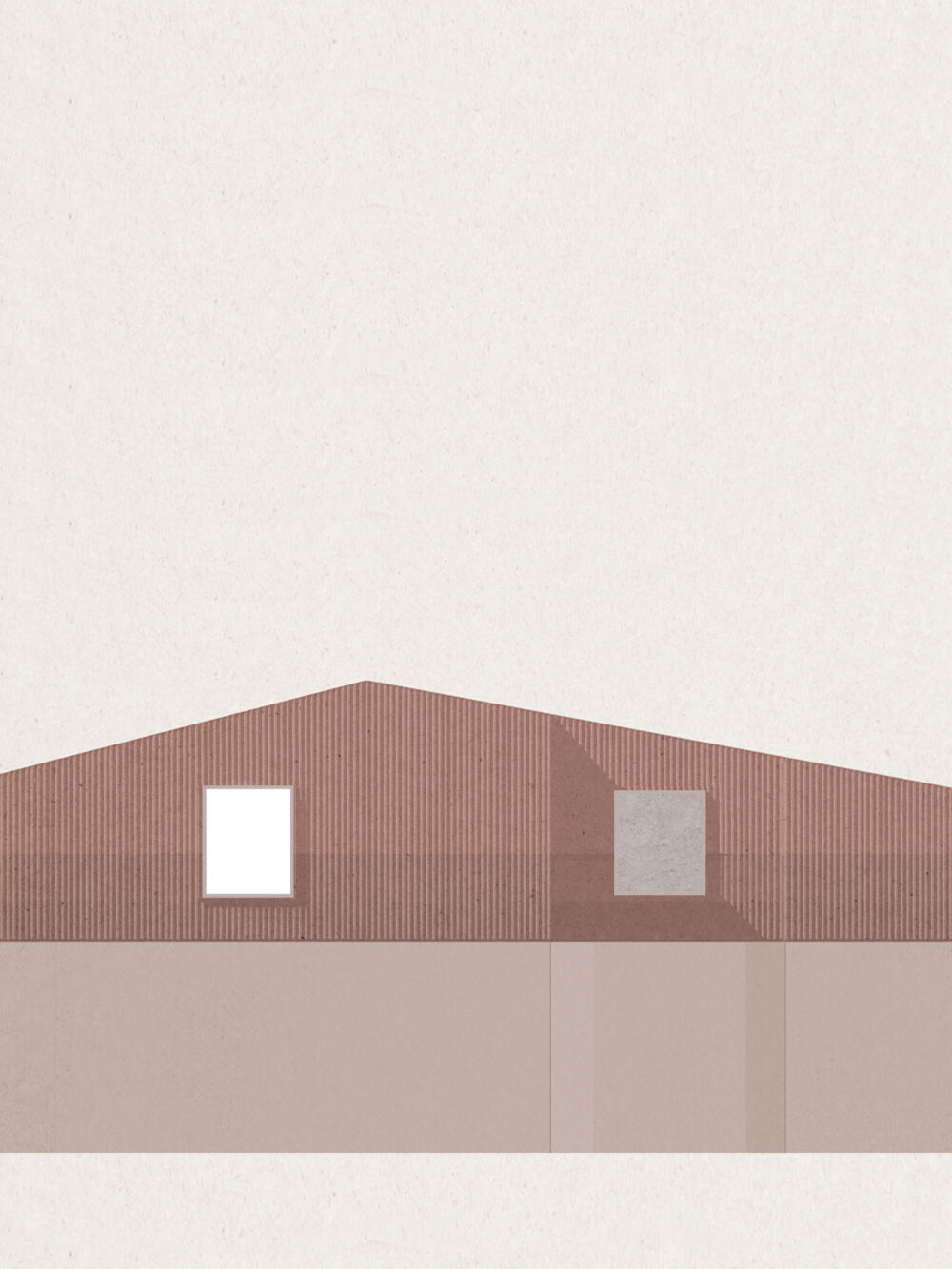
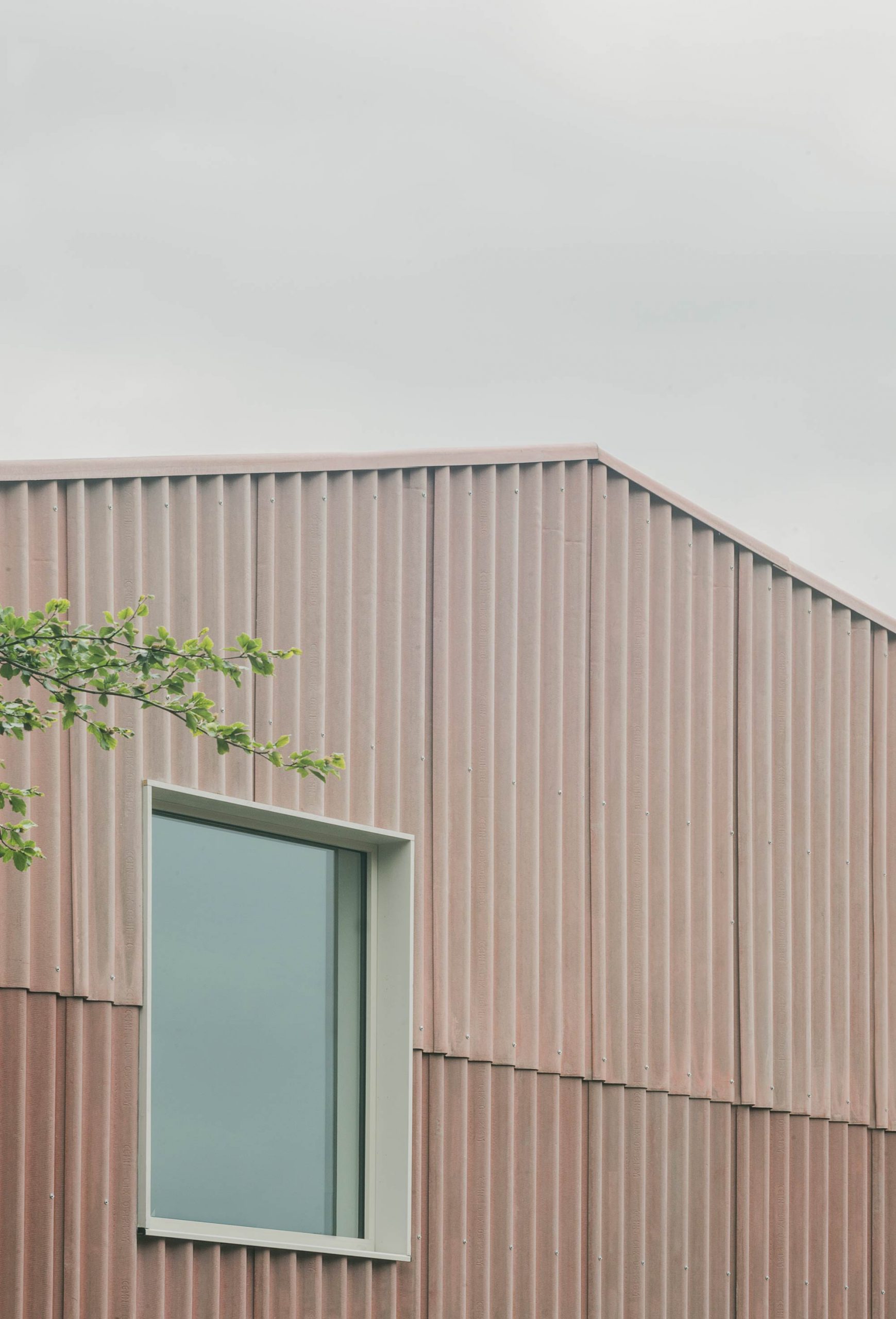
The extension is a contemporary addition that complements the whole while tying it in to the surrounding context. The strong banding created by the different staining processes on the cladding help to give a soft appearance and makes reference to the darker brick detailing around the existing building. The ambition for the architecture was to try to express an understanding of modern buildings being made of layers, clearly defining linings and pealing away planes to reveal the inner construction. Likewise, details around windows and flashings help to create the appearance of an easily understandable construction system.
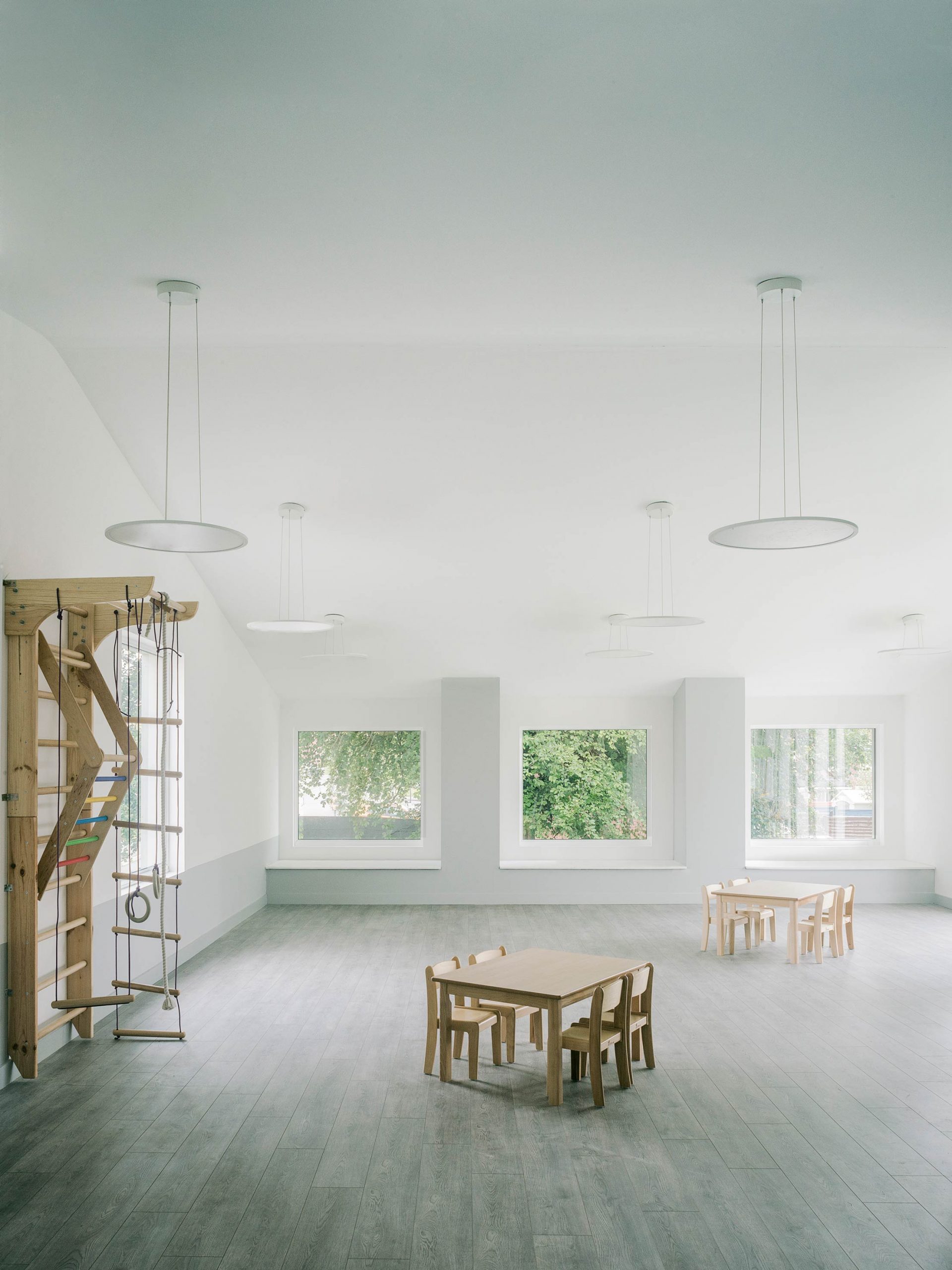
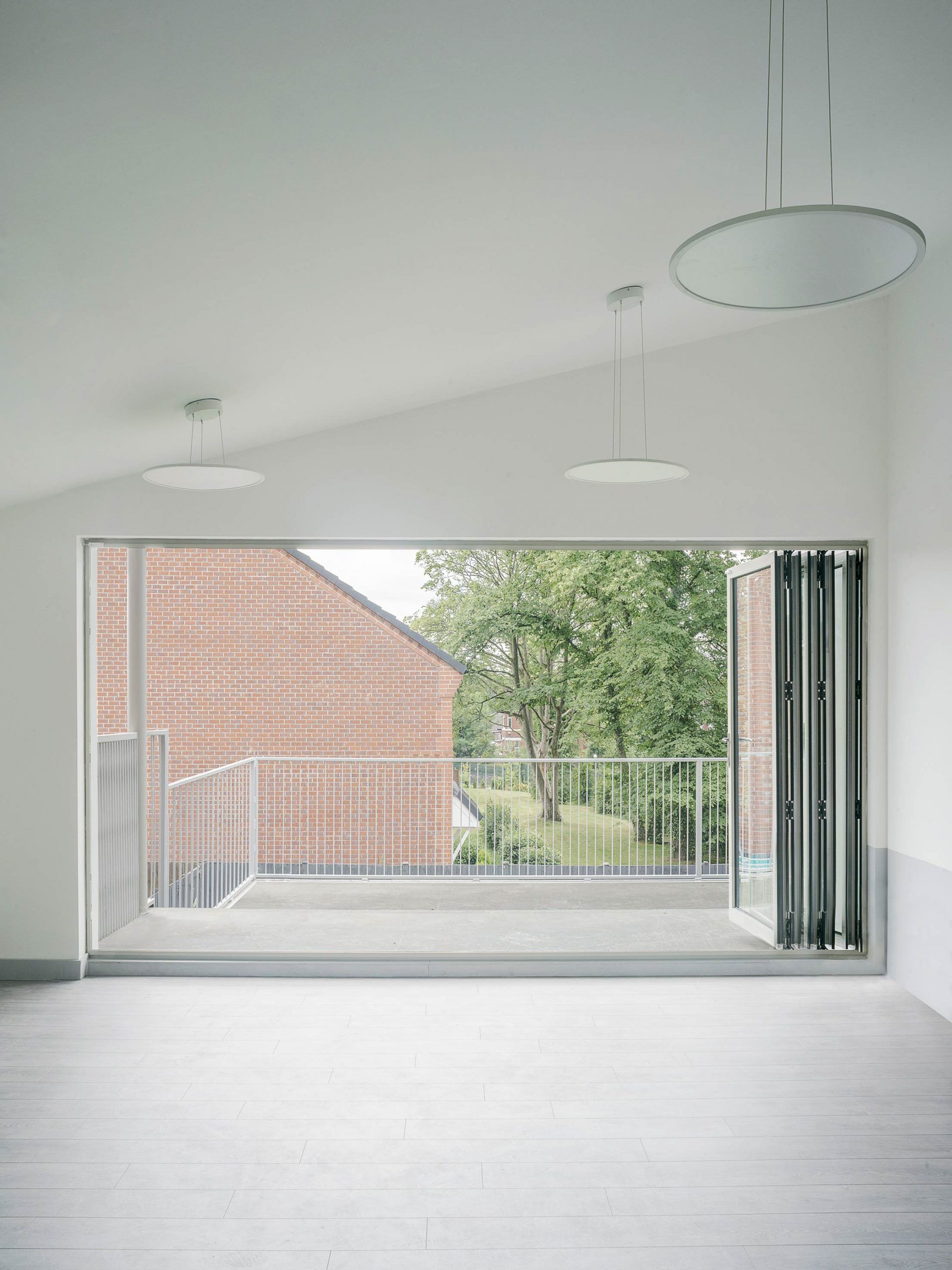
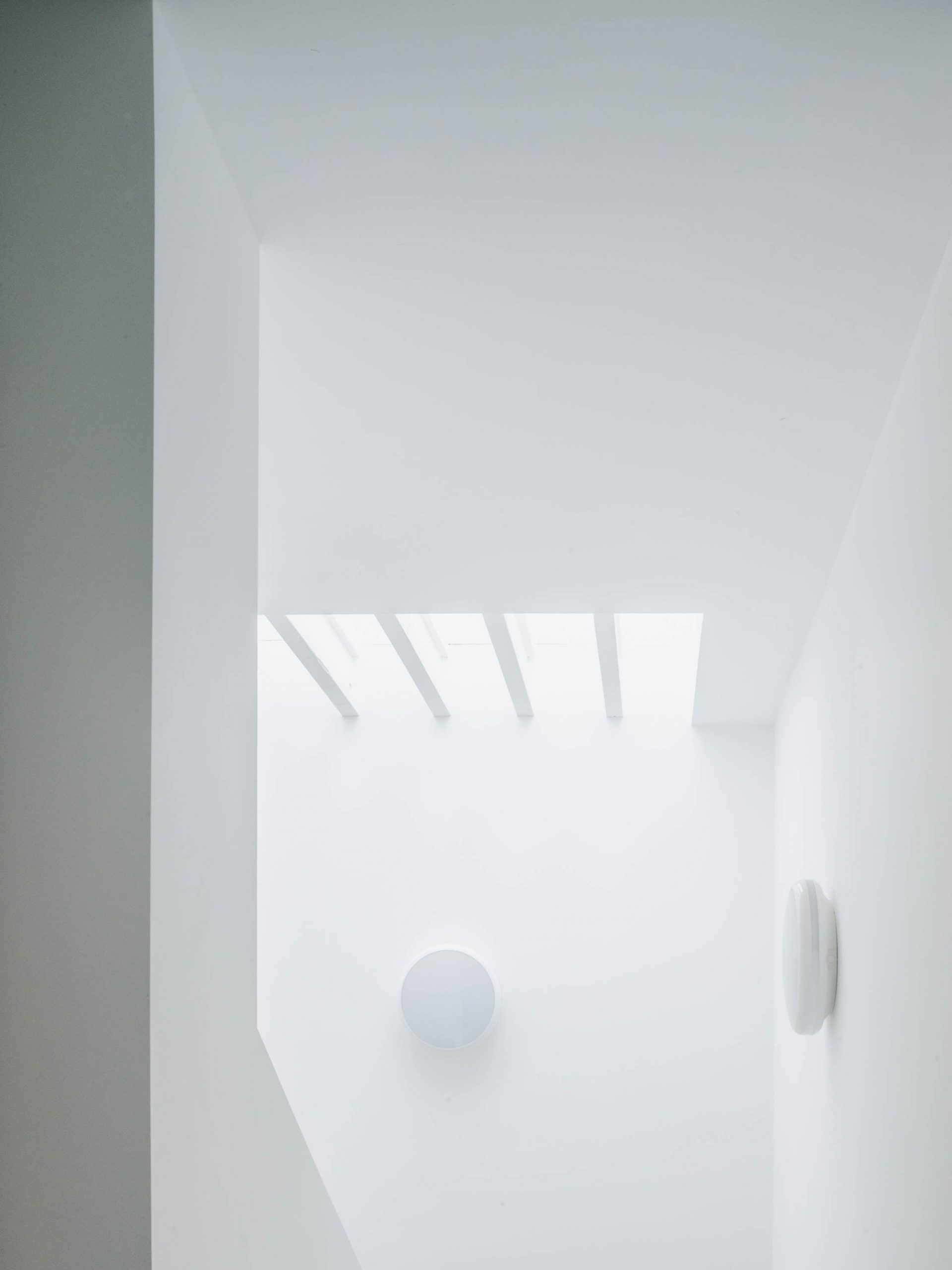
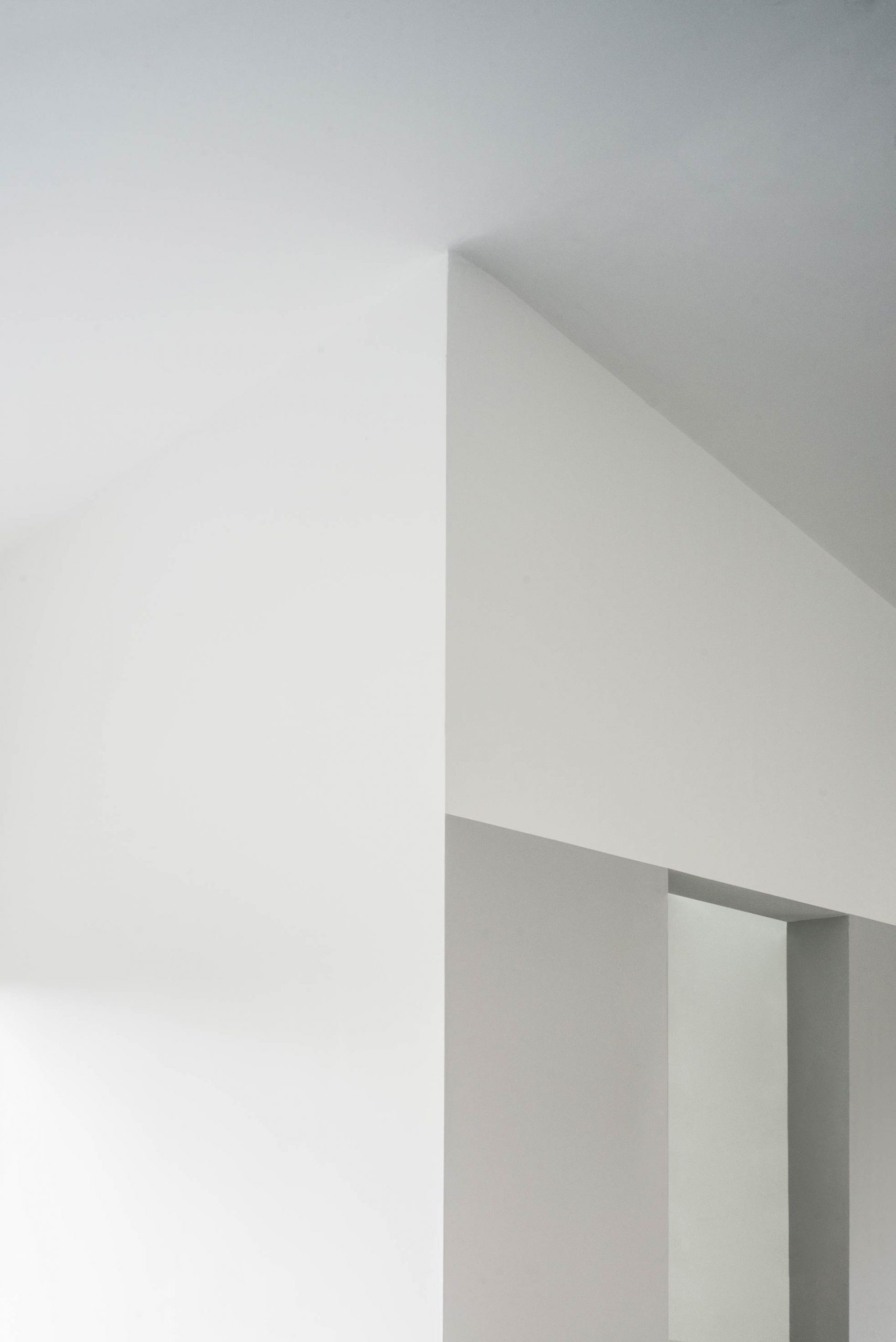
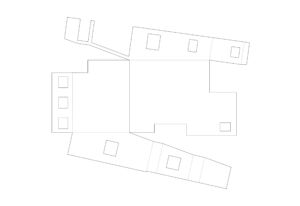
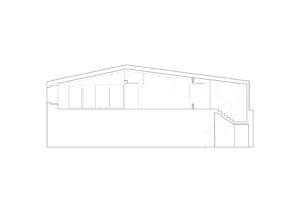
Spatially the plan offers a new large teaching space for early years learners, staggered as three rooms within a room, each one incrementally getting larger. The tall ceilings rise with the pitch of the roof to create an airy, uplifting learning environment. Large, low windows allow views out for the children, and big niches offer spaces to climb into and play.
Title: Pre-School
Location: Manchester
Year: 2019
Client: Private
Photographs: Lorenzo Zandri
Type: Cultural
Status: Completed
Related Projects
Las Maravillas Farmhouse
WatchHouse
Construction Skills School
08•2026
08•2026
Cup of Joy
Cup of Joy
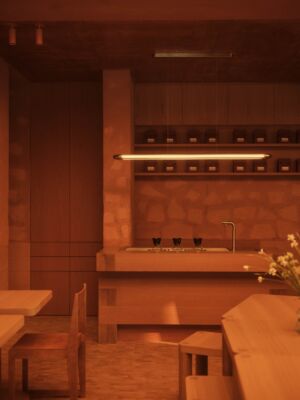
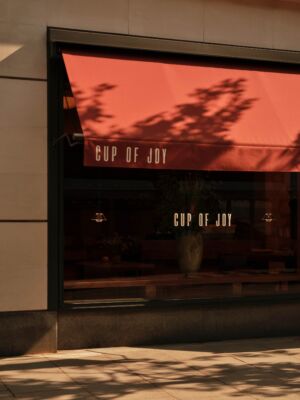
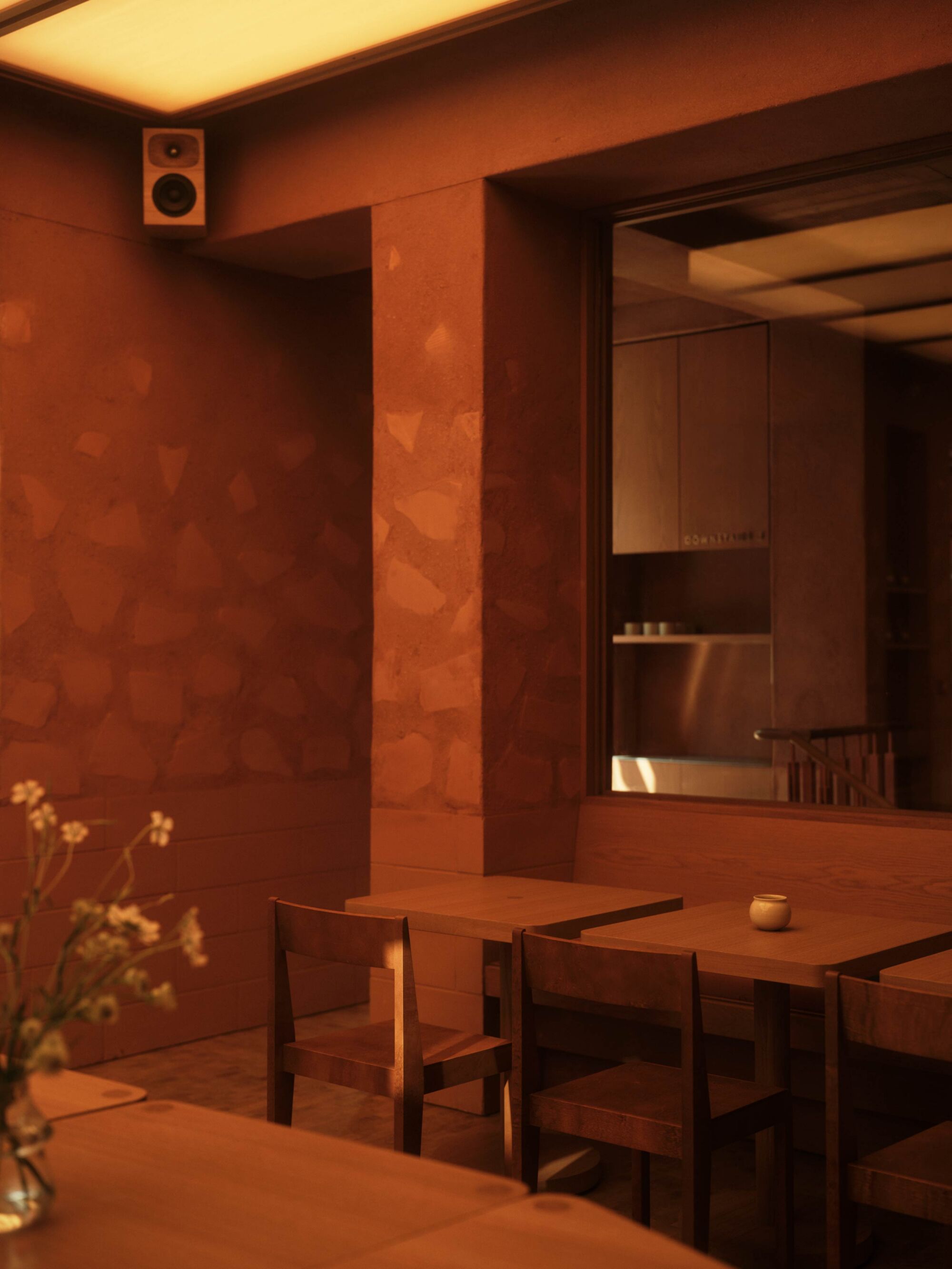
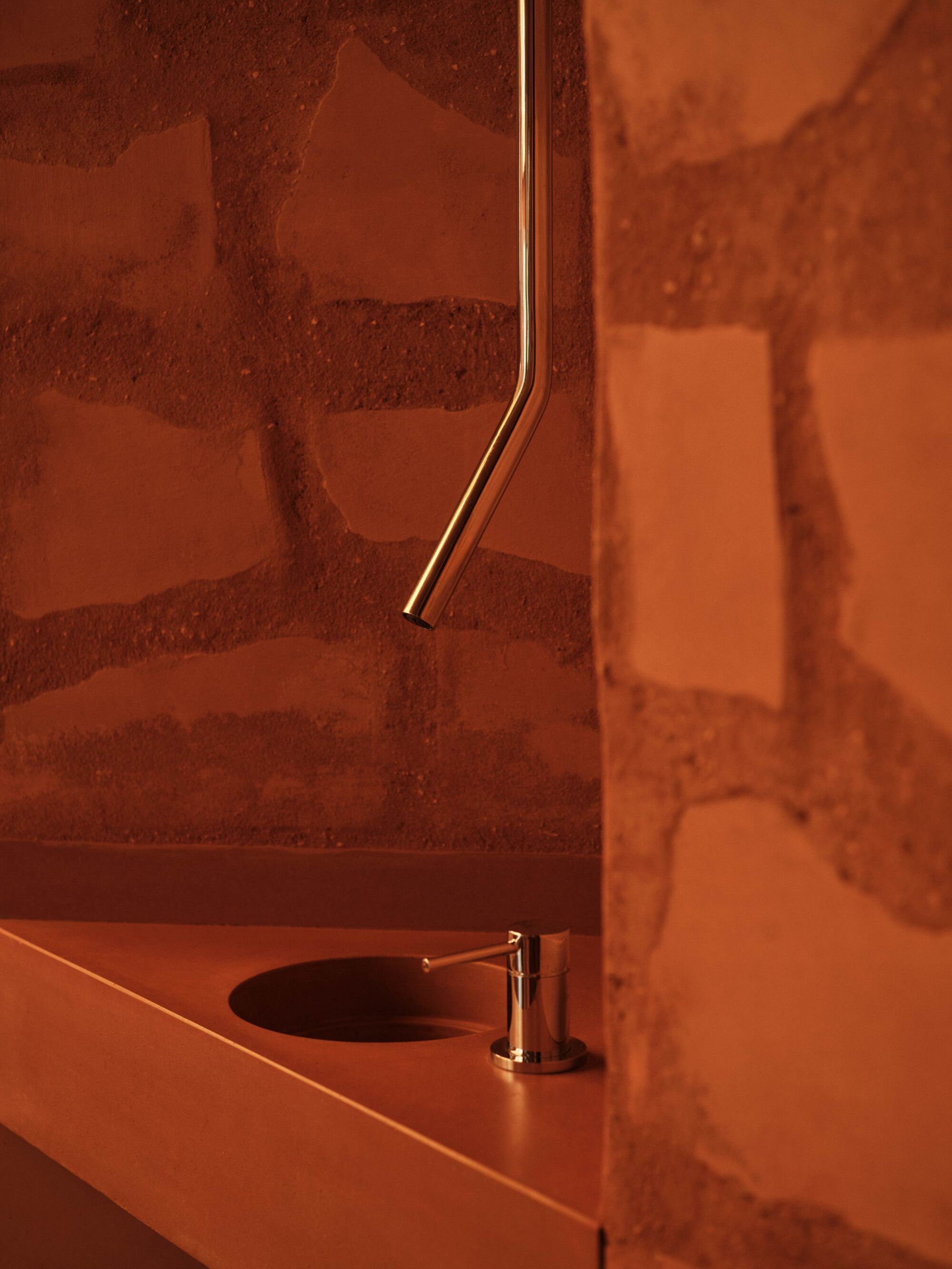
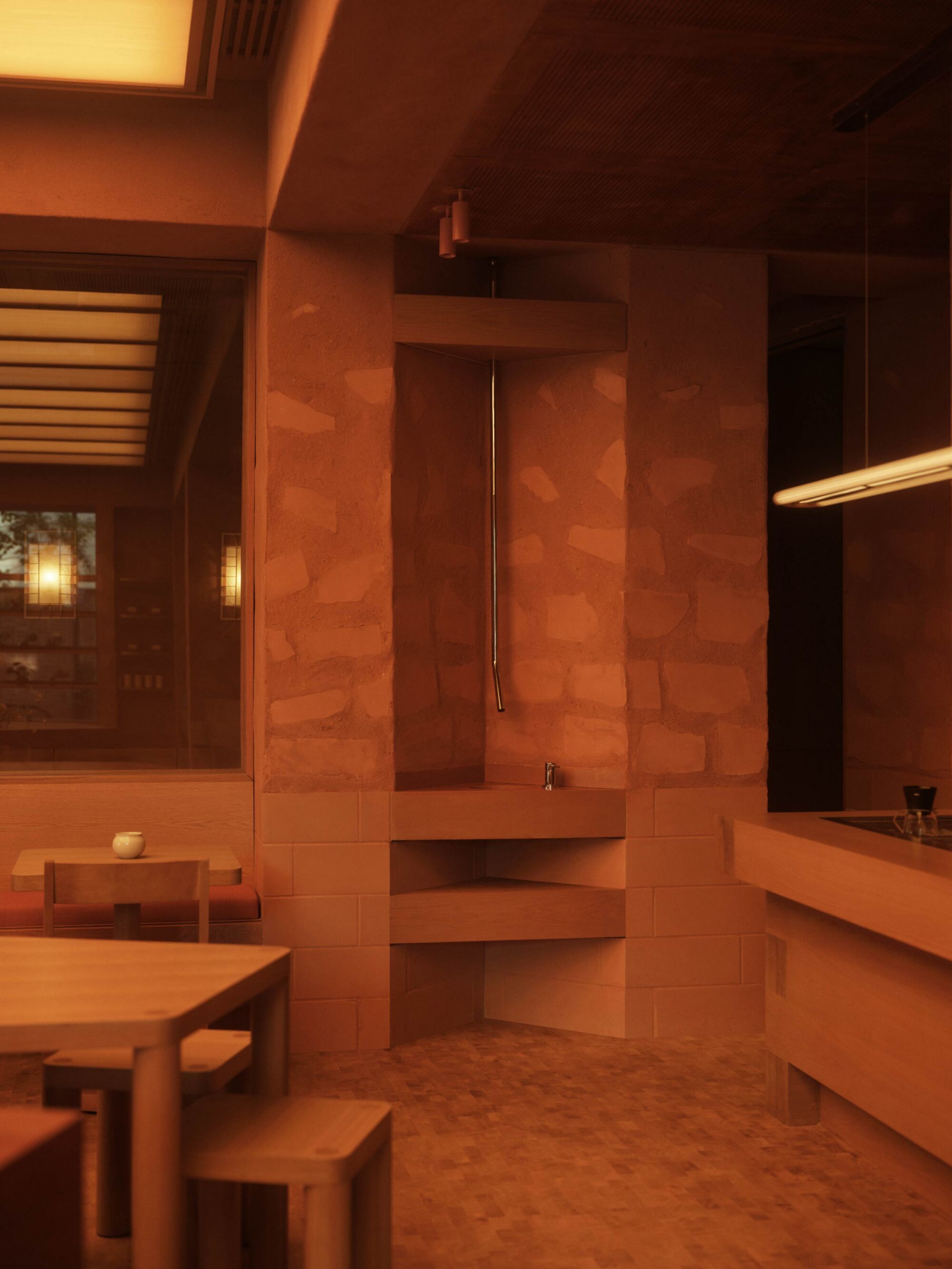
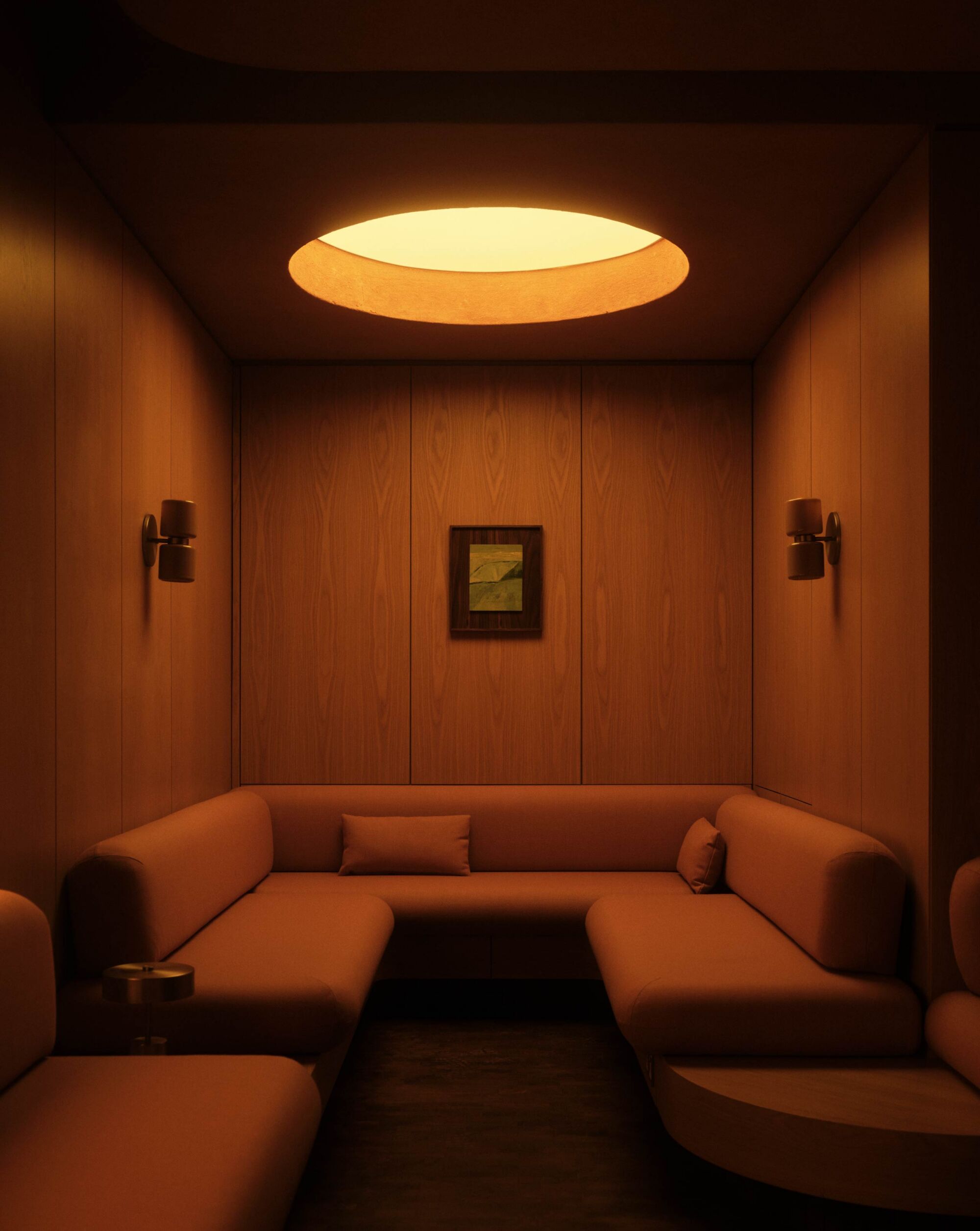
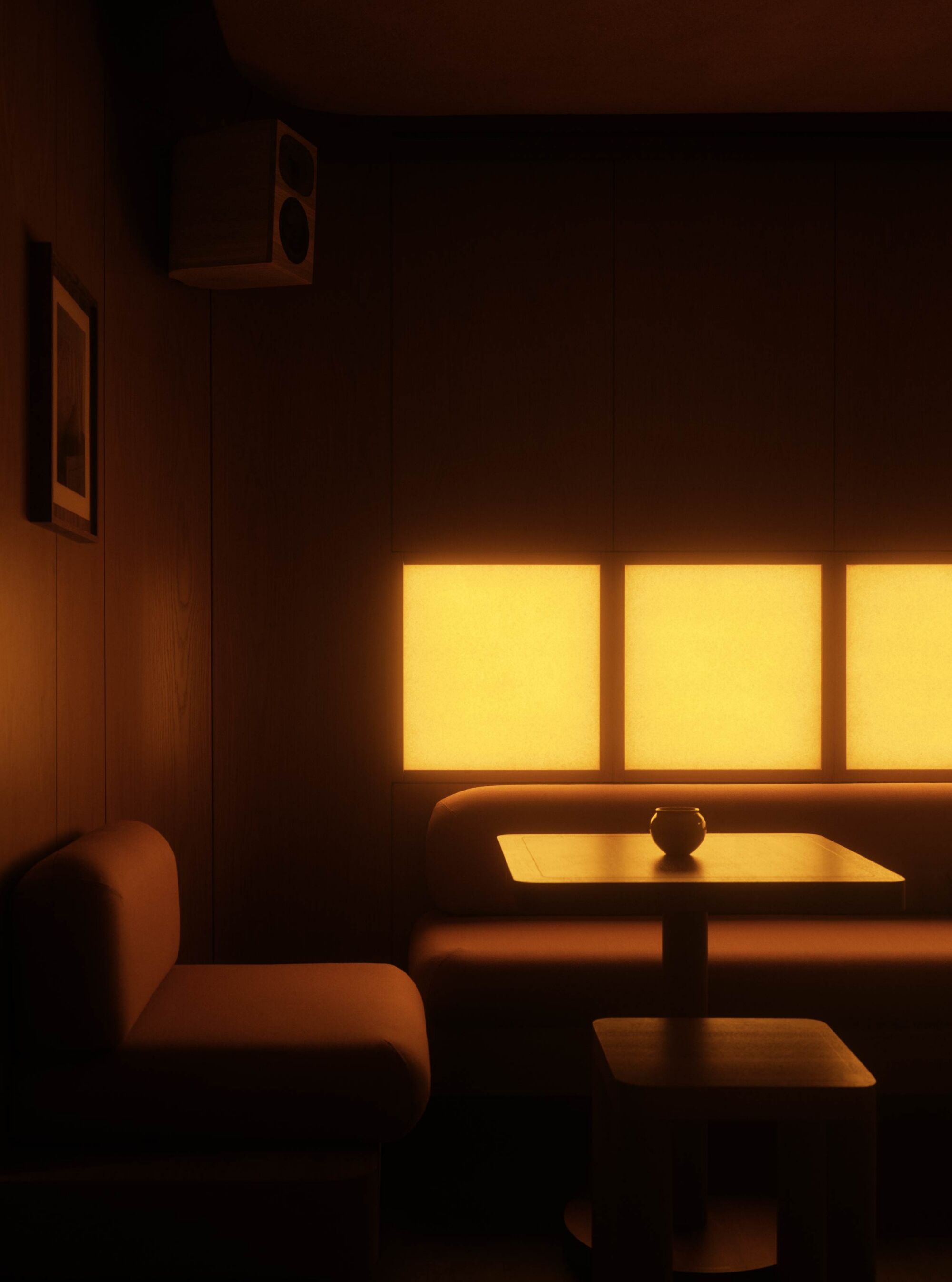
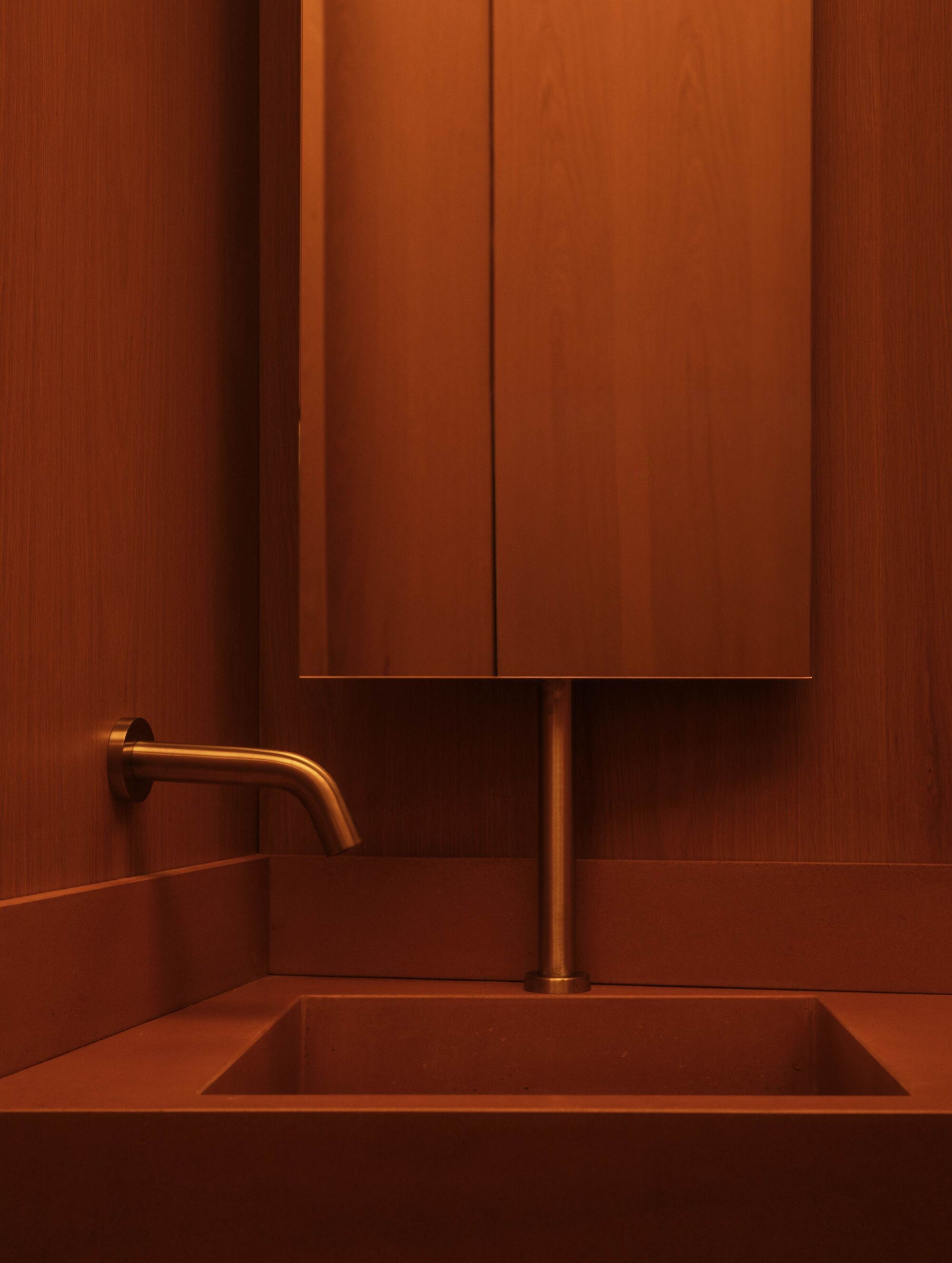
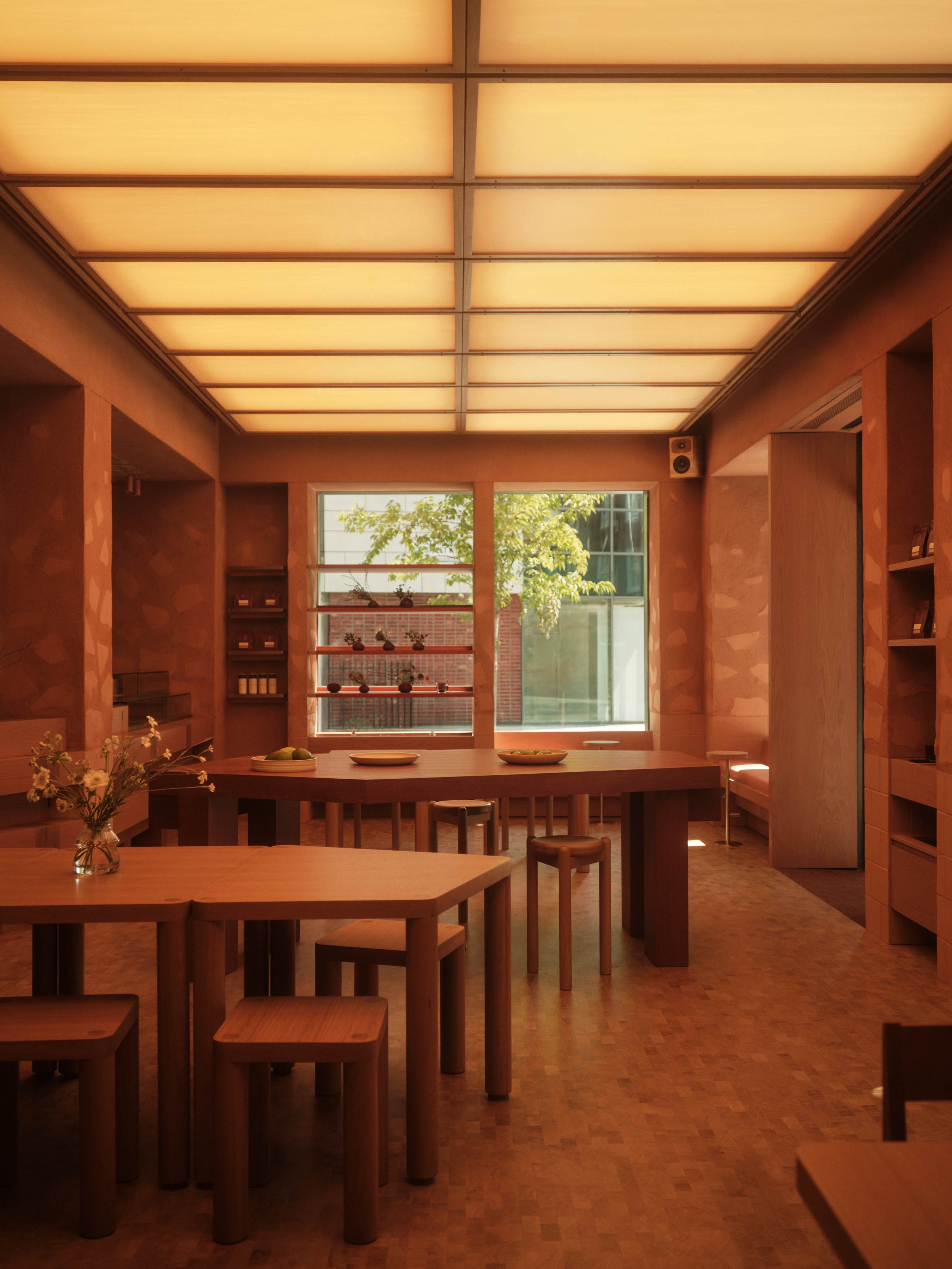
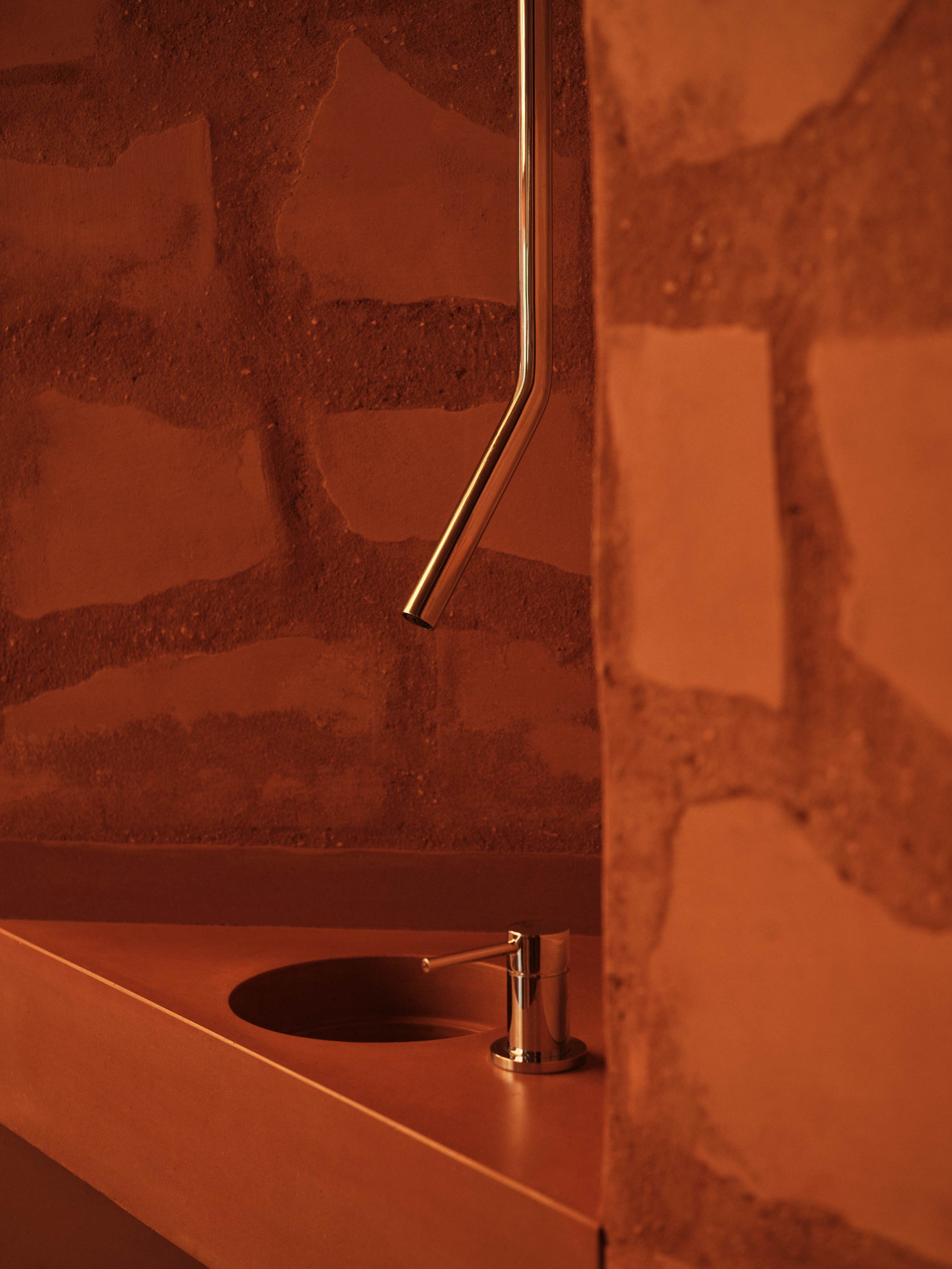
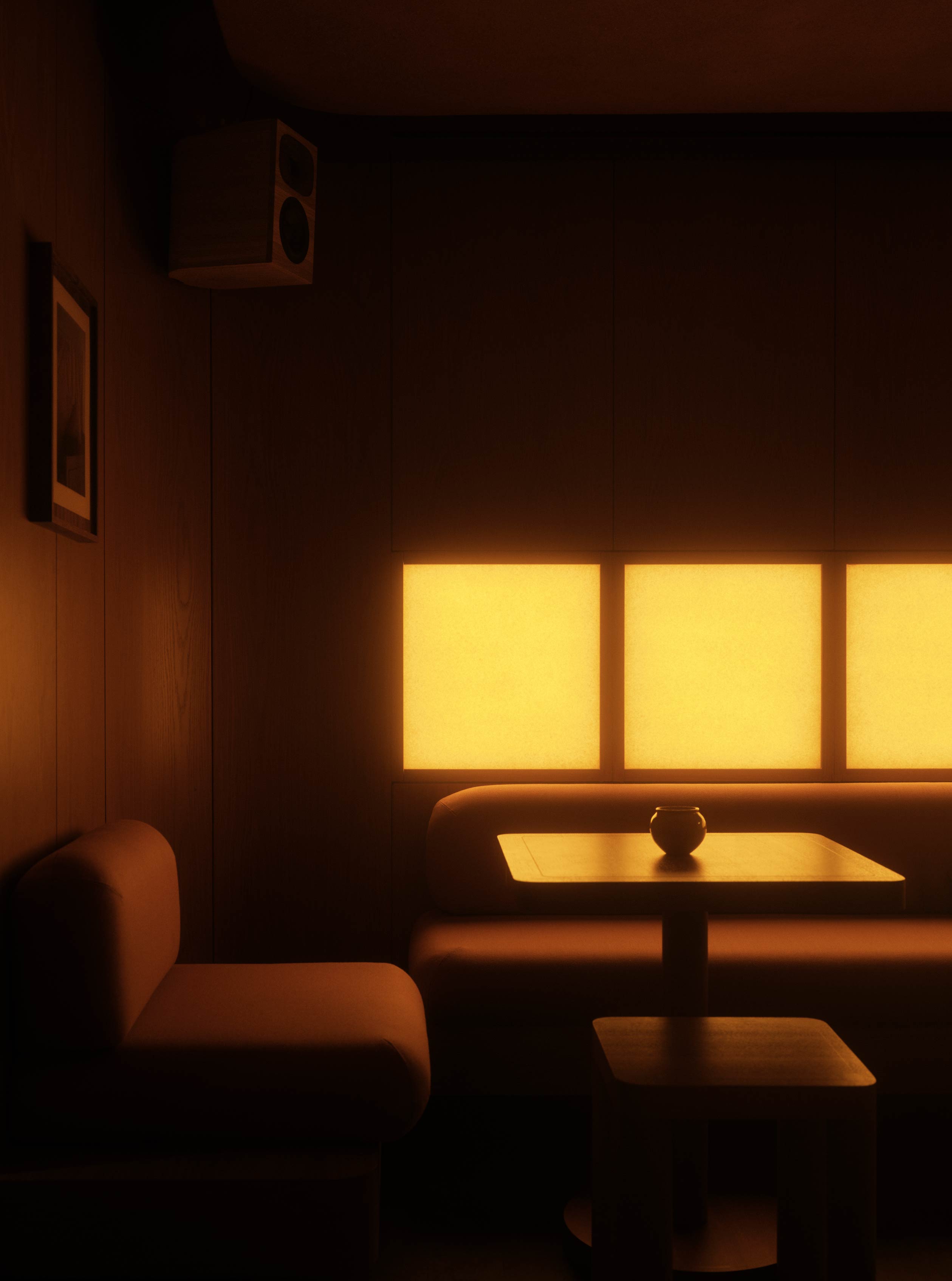
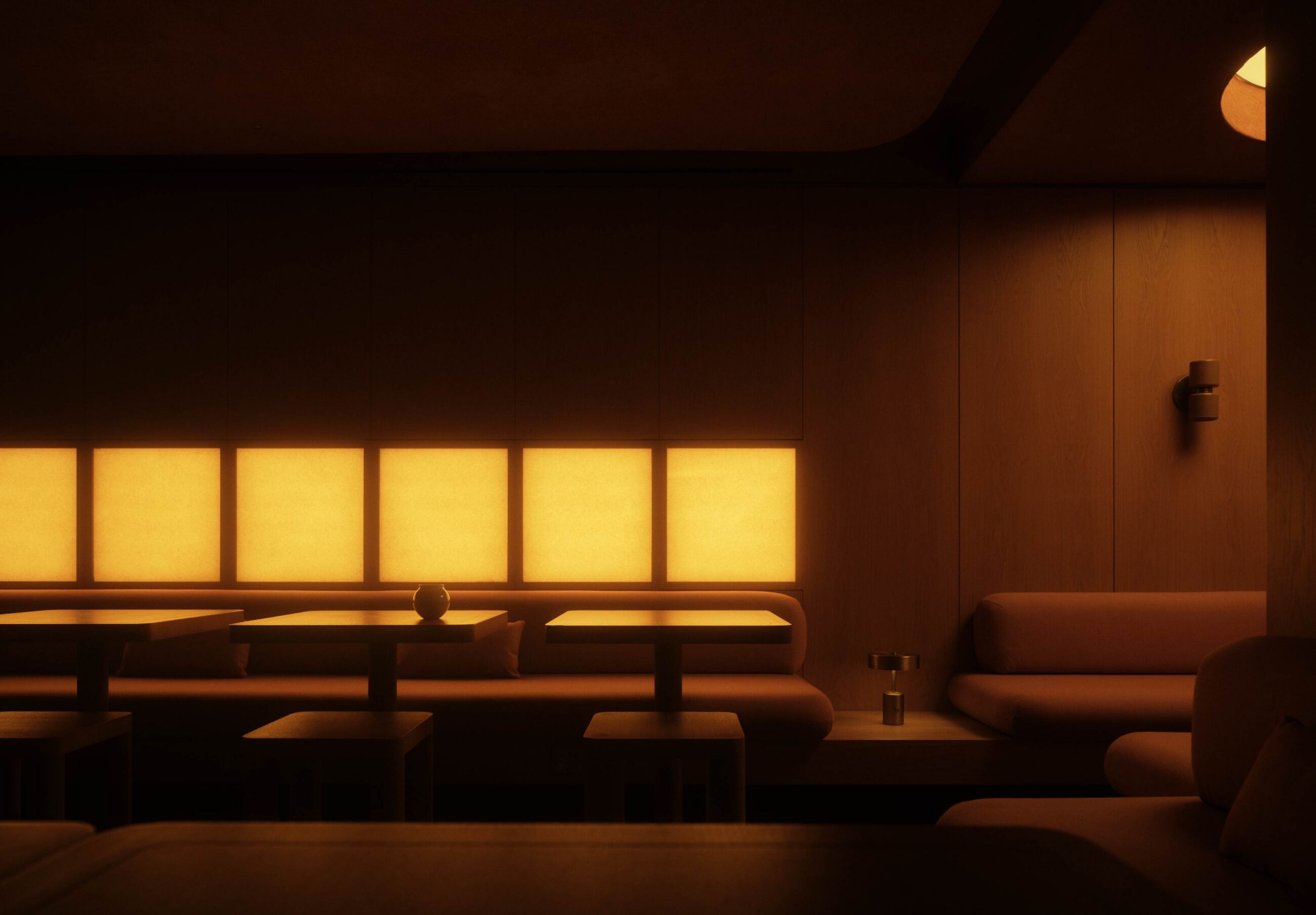
The design is organised around a series of heavy sculpted wall elements that create a sense of being in a courtyard. The concept was to create an interior that spoke to the character of Istanbul, where the brand originates. From the very beginning the concept started with materials, and an intent to create something that could translate a feeling of being somewhere else. With it being the brand’s first store in the UK, we intended to draw on the history of that city and the culture of drinking coffee, while also connecting to the ethos of a material-led client.
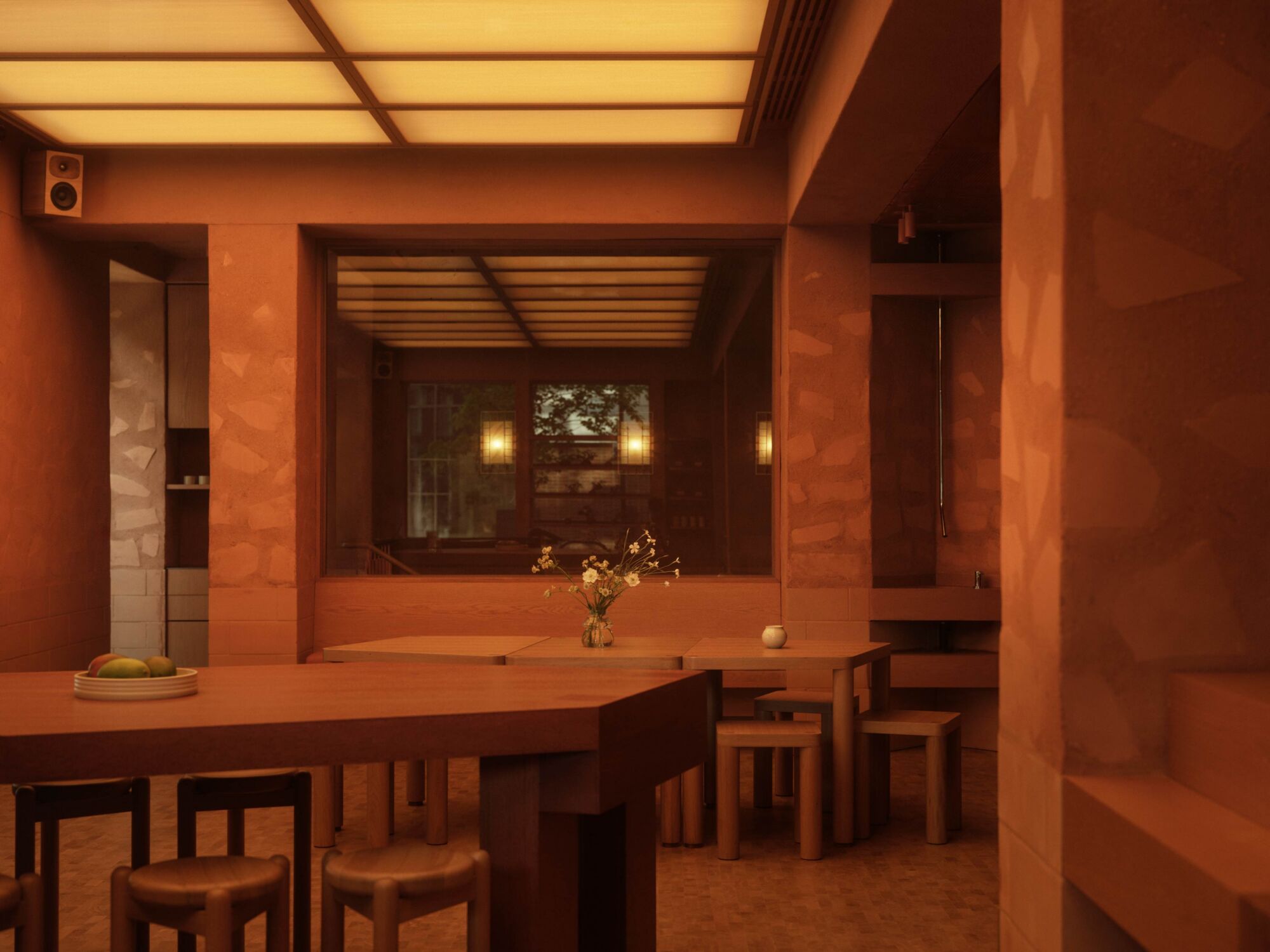
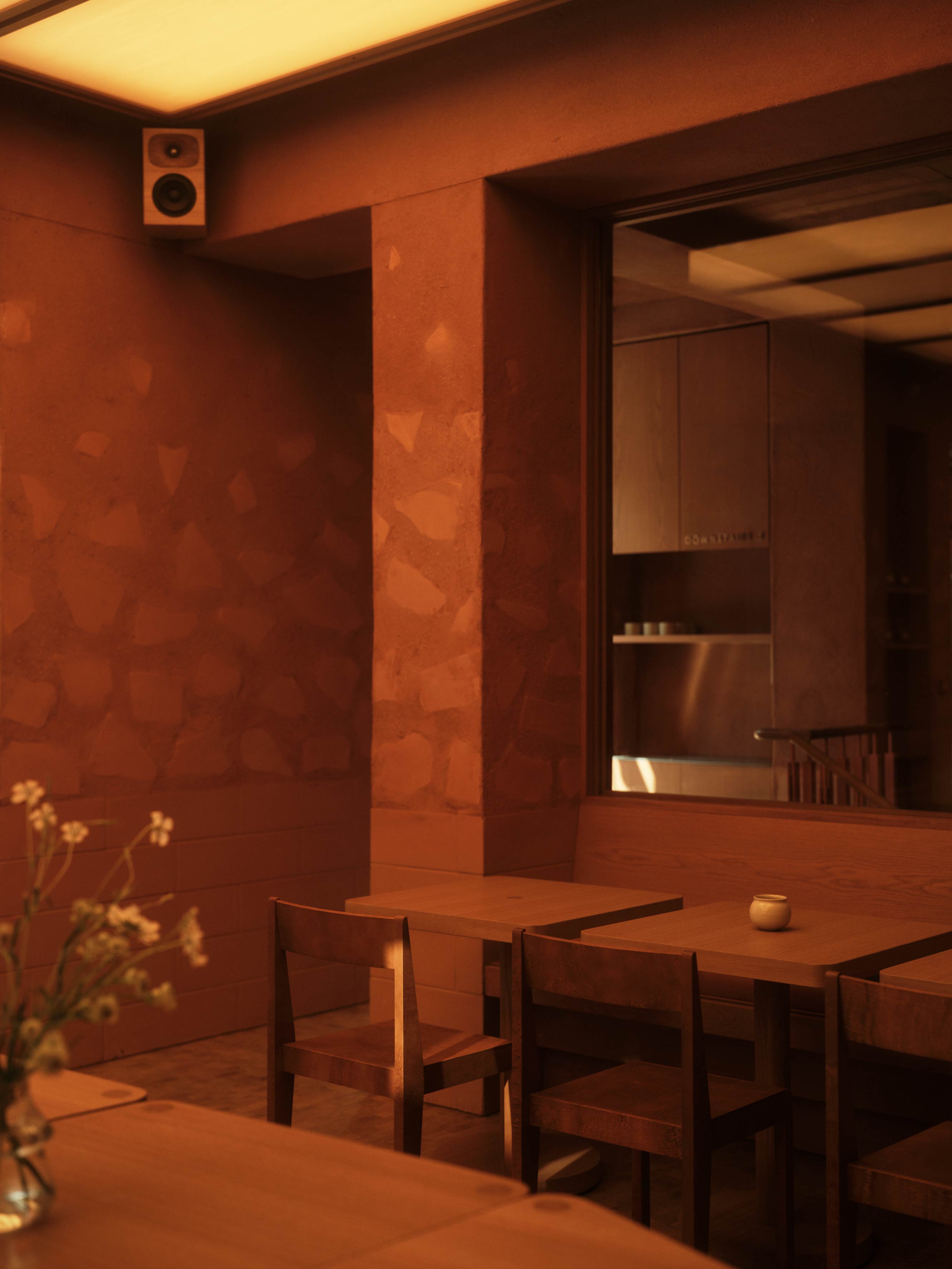
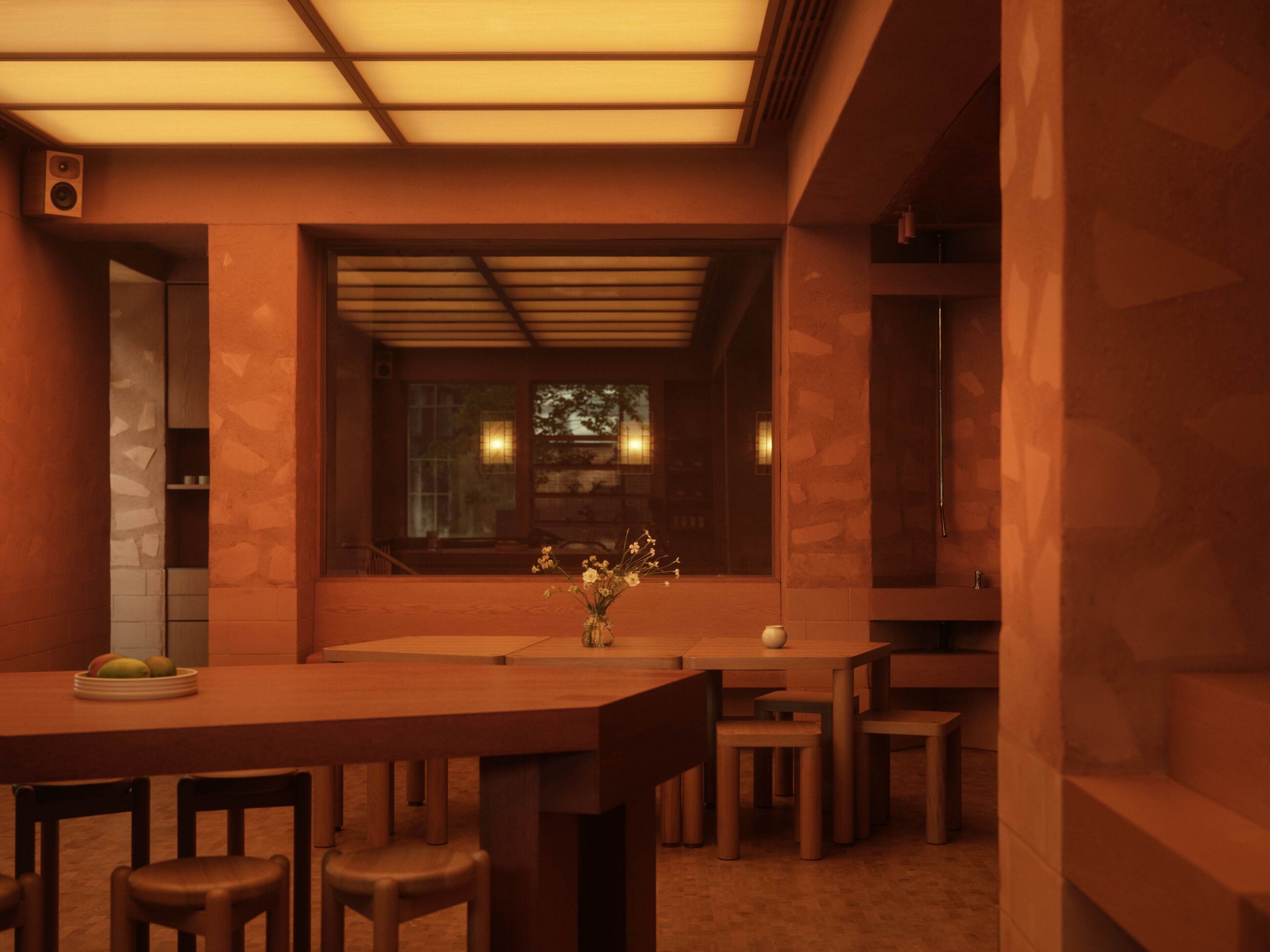
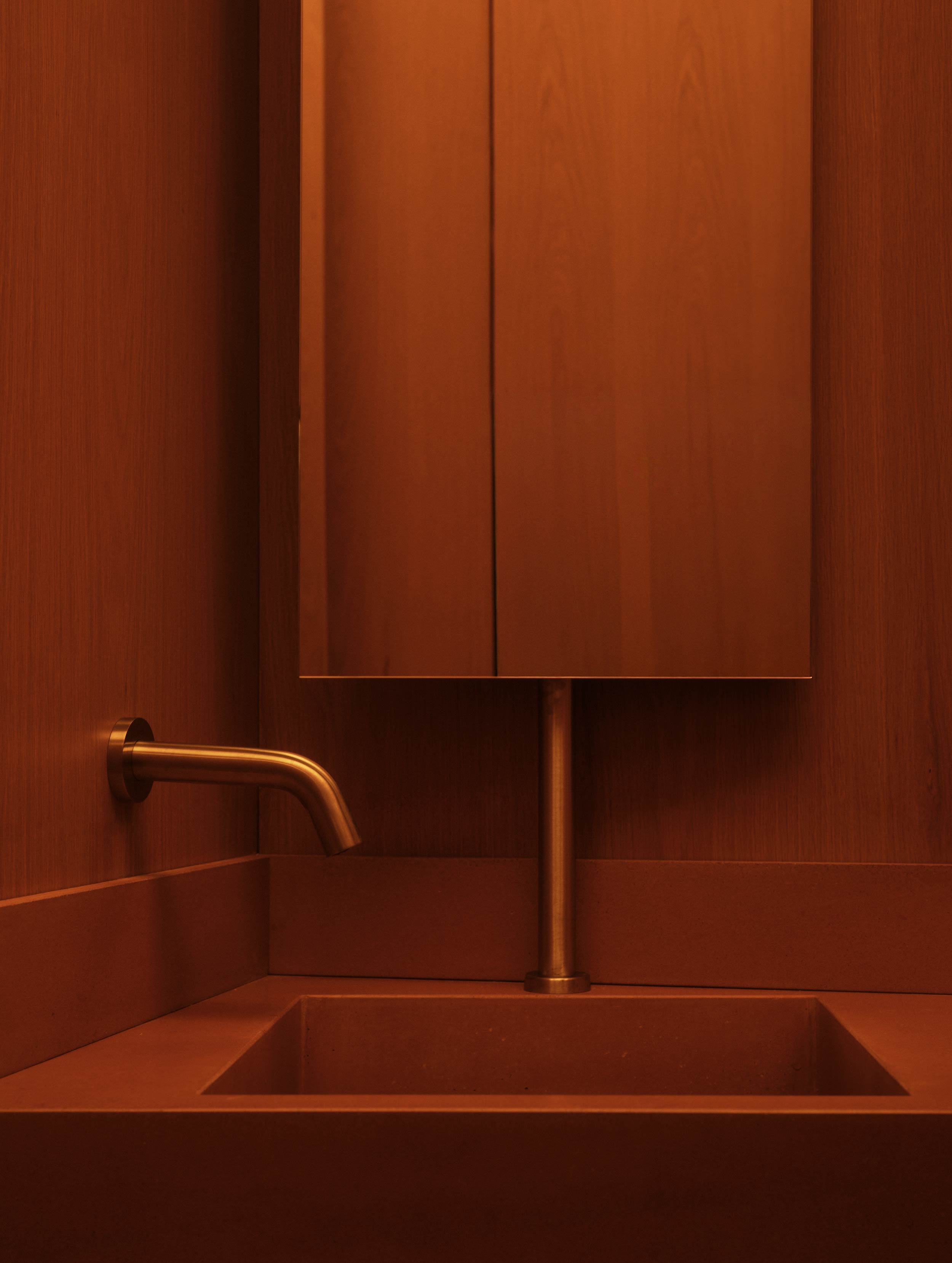
Clay rendered over stone give the walls a harmonious yet monolithic quality, providing the sense of enclosure close to the feeling of being in a courtyard space. Each of the walls were inset with hand-selected stones, positioned by the studio on site before being drawn back into the render surface by the clay. The result reads as a series of surfaces that appear to have been there for years. Clay was also chosen for its innate capacity to absorb and soften: acoustically and visually, helping to do the work of calming the space. The interior references the textures and tones found during our research trips, and the richness of the history captured in the city walls.
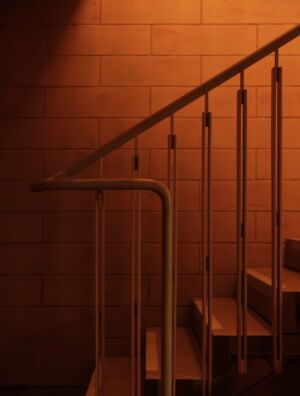
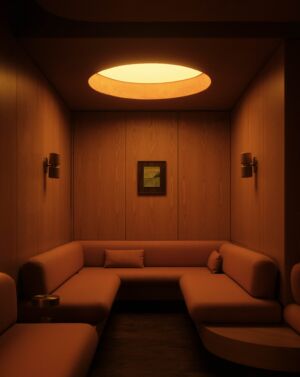
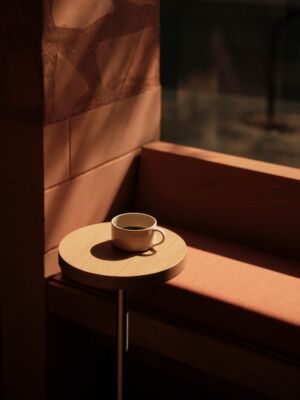
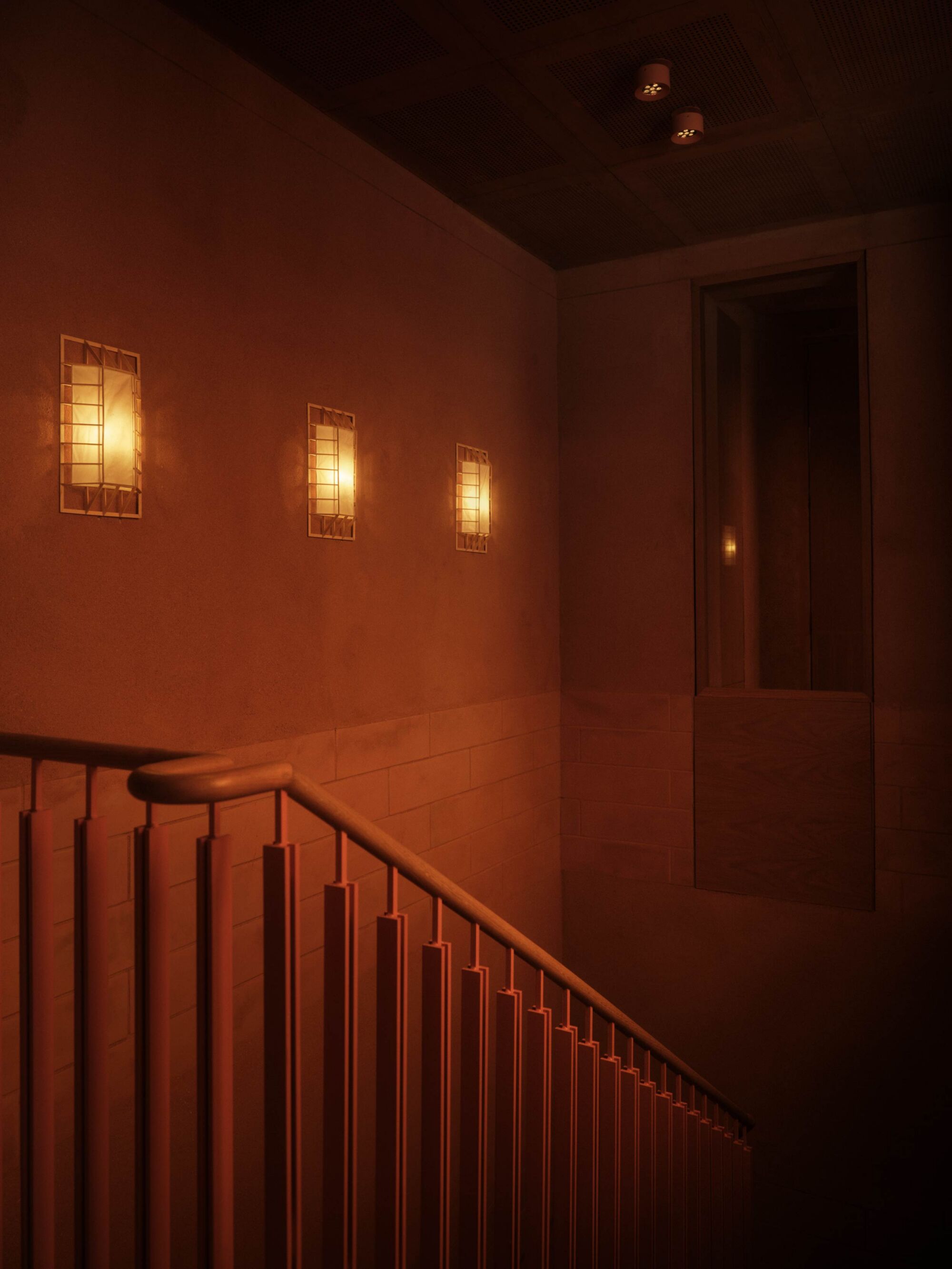
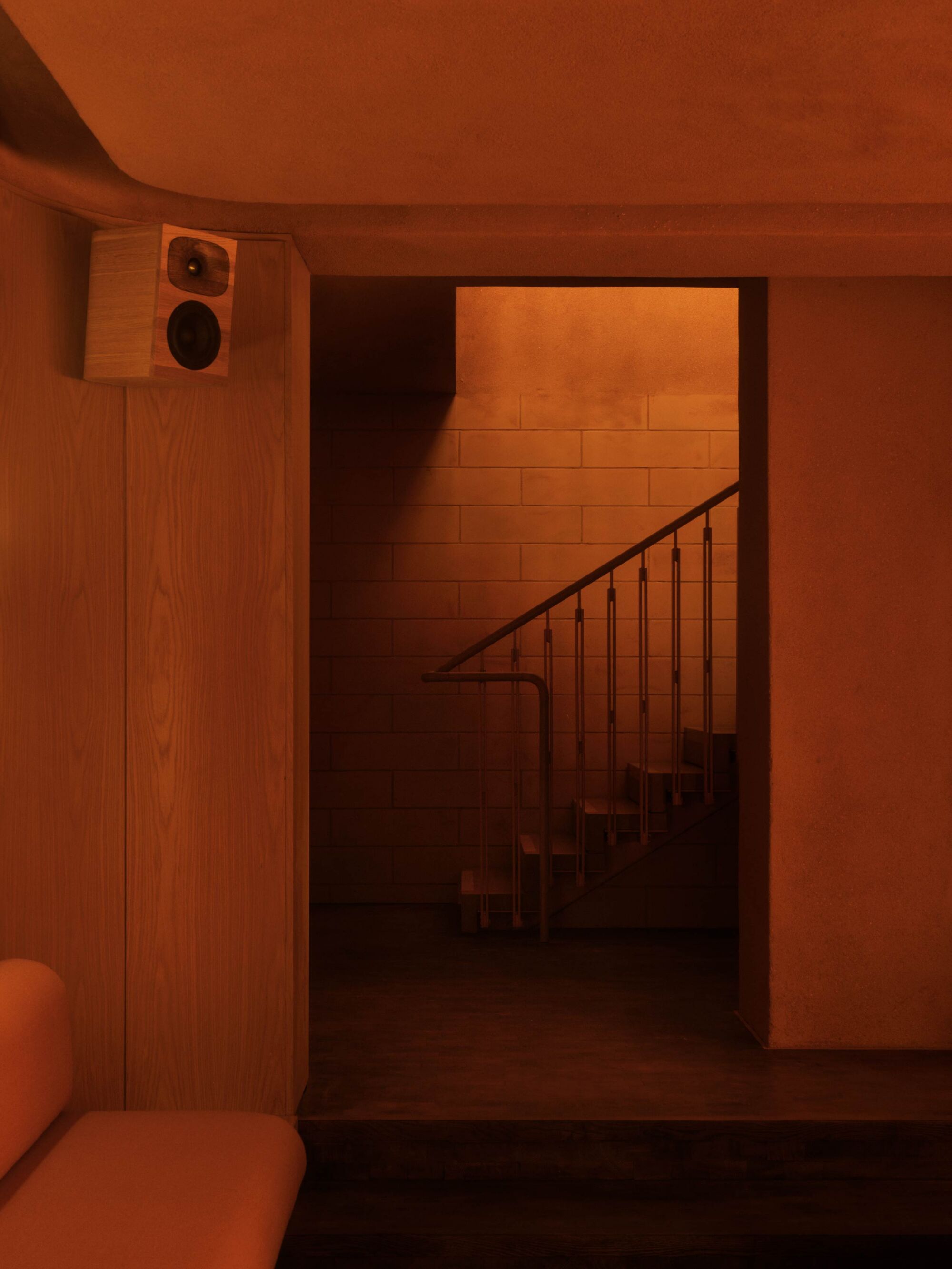
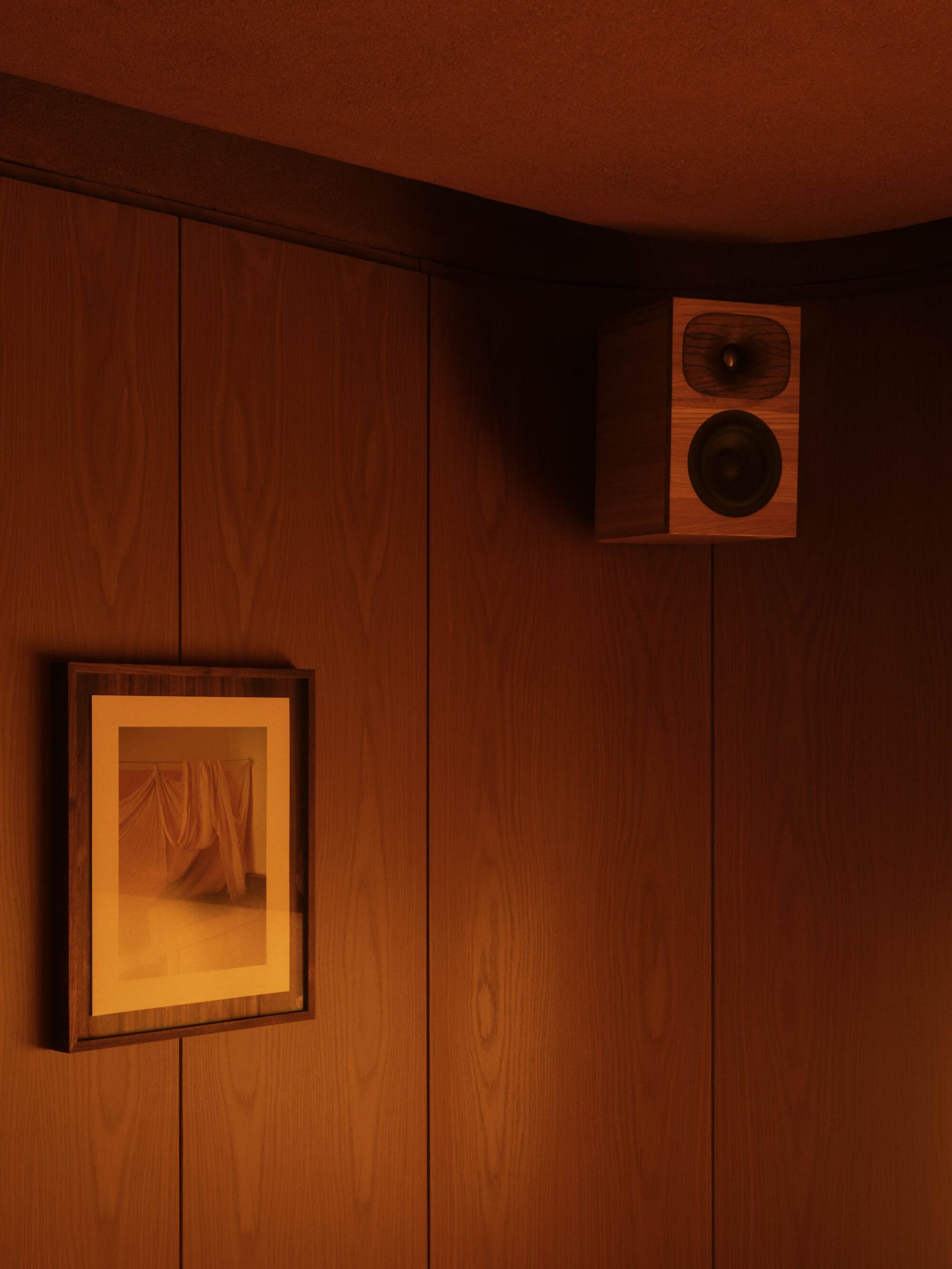
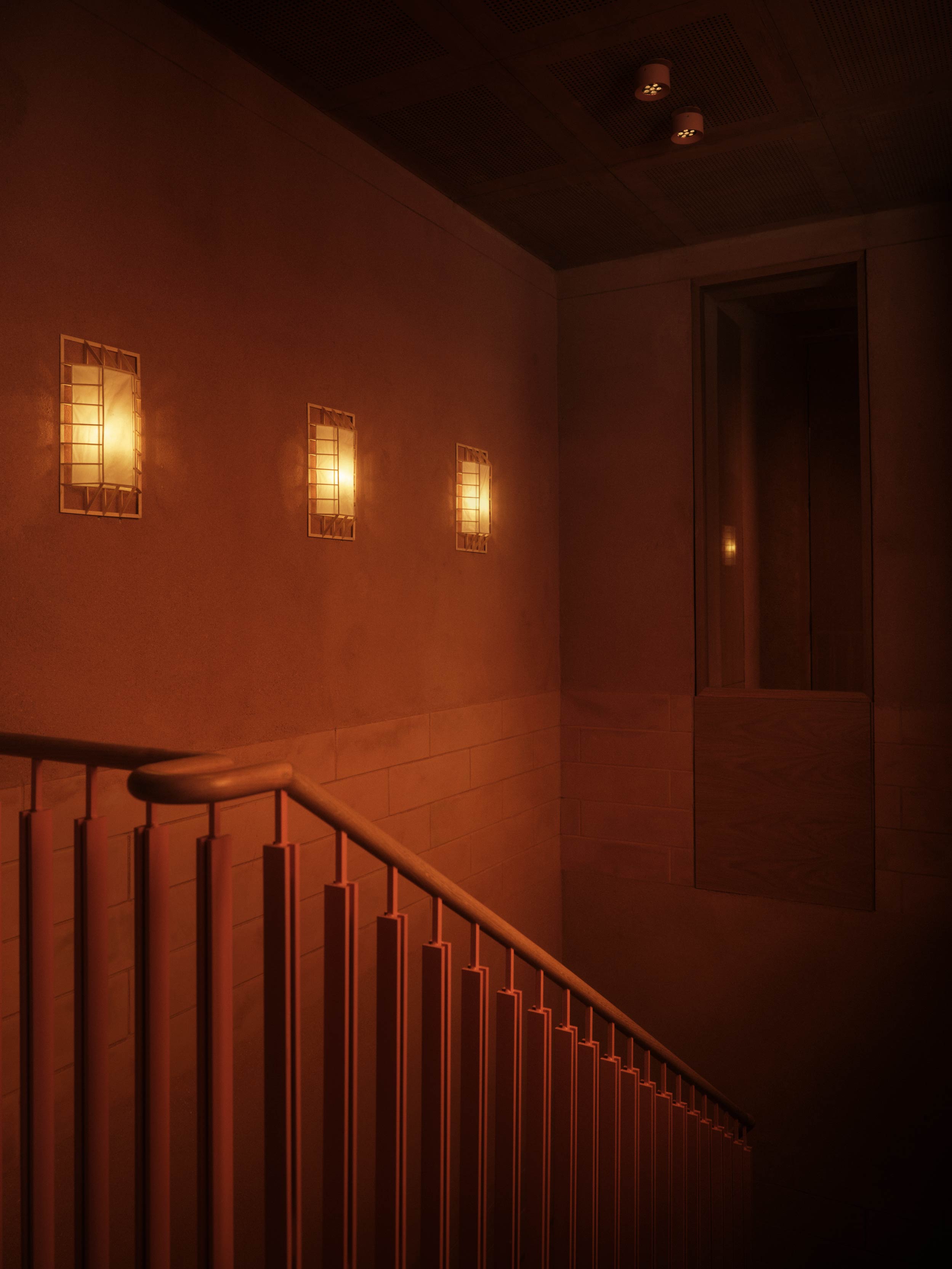
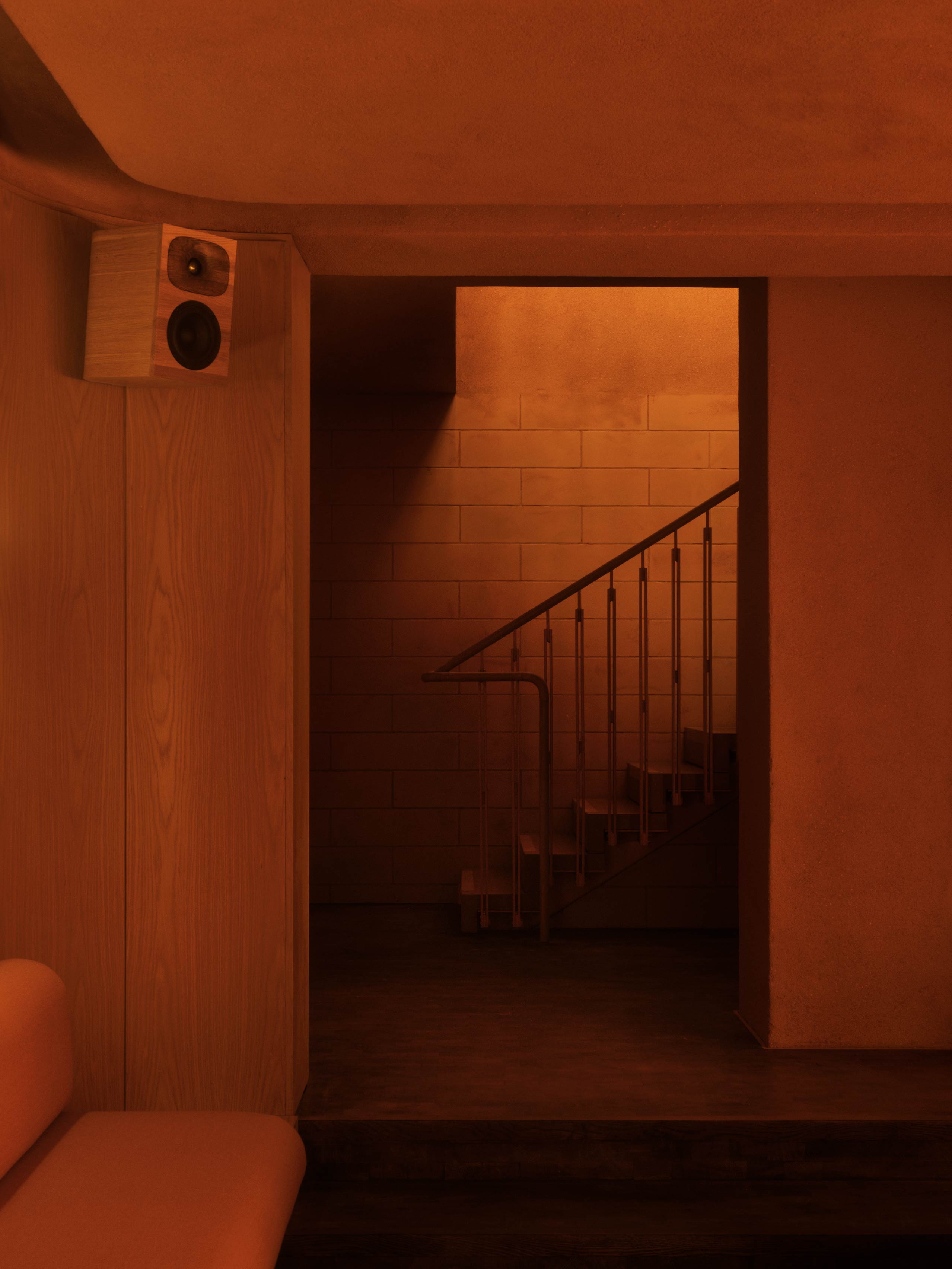
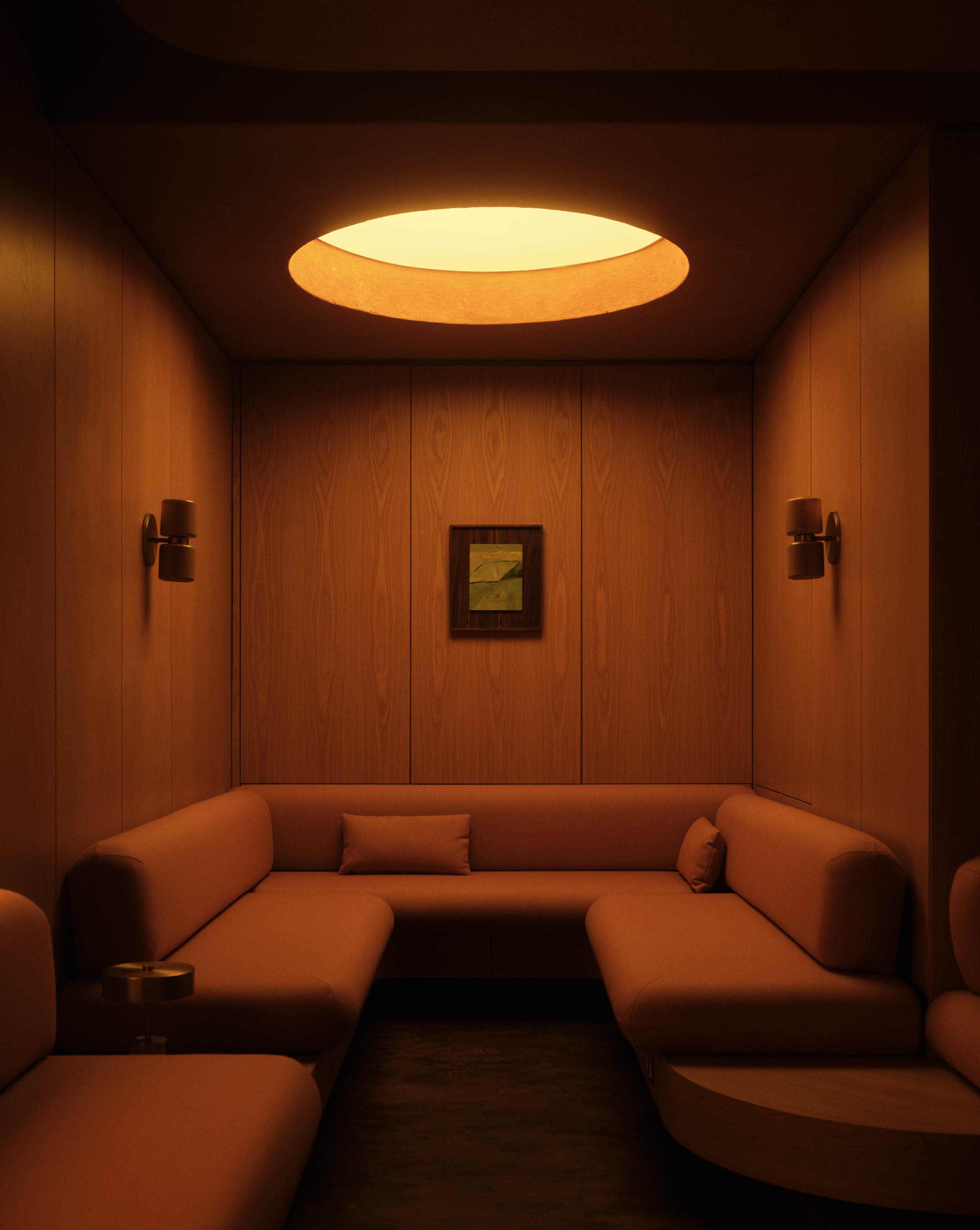
A clay plaster is used across most of the surfaces on the ground floor and down into the stairwell. Large Portland stone slabs are inlaid into the walls are rendered over with the clay to give a harmonious quality. The stone has a block base, with it breaking up as it rises to give the space a sense of grounding while also being about translating the textures of Istanbul. Downstairs the clay is used on the ceilings to provide an intimate feeling, with oak panelling helping to create a calm space to relax.
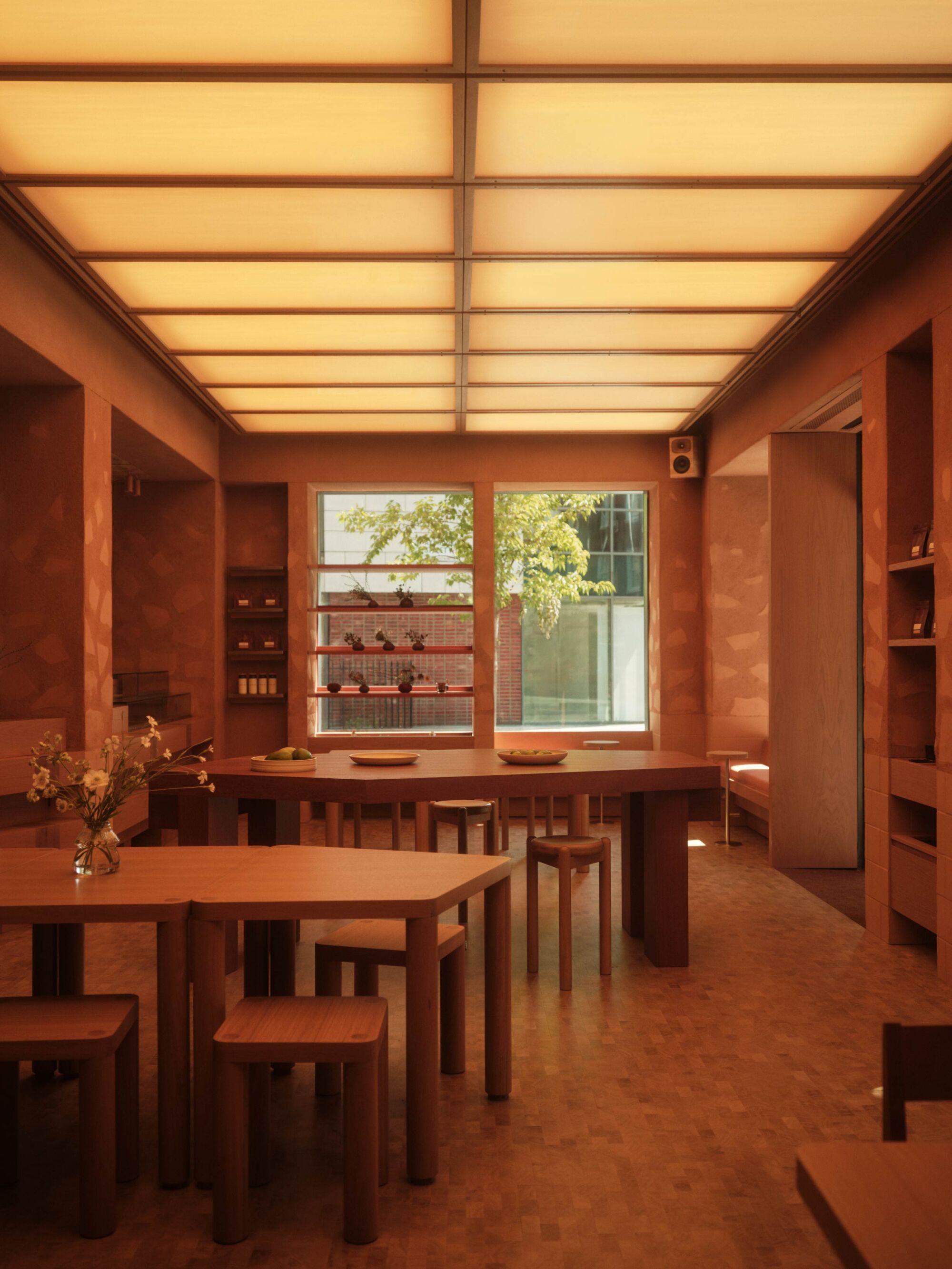
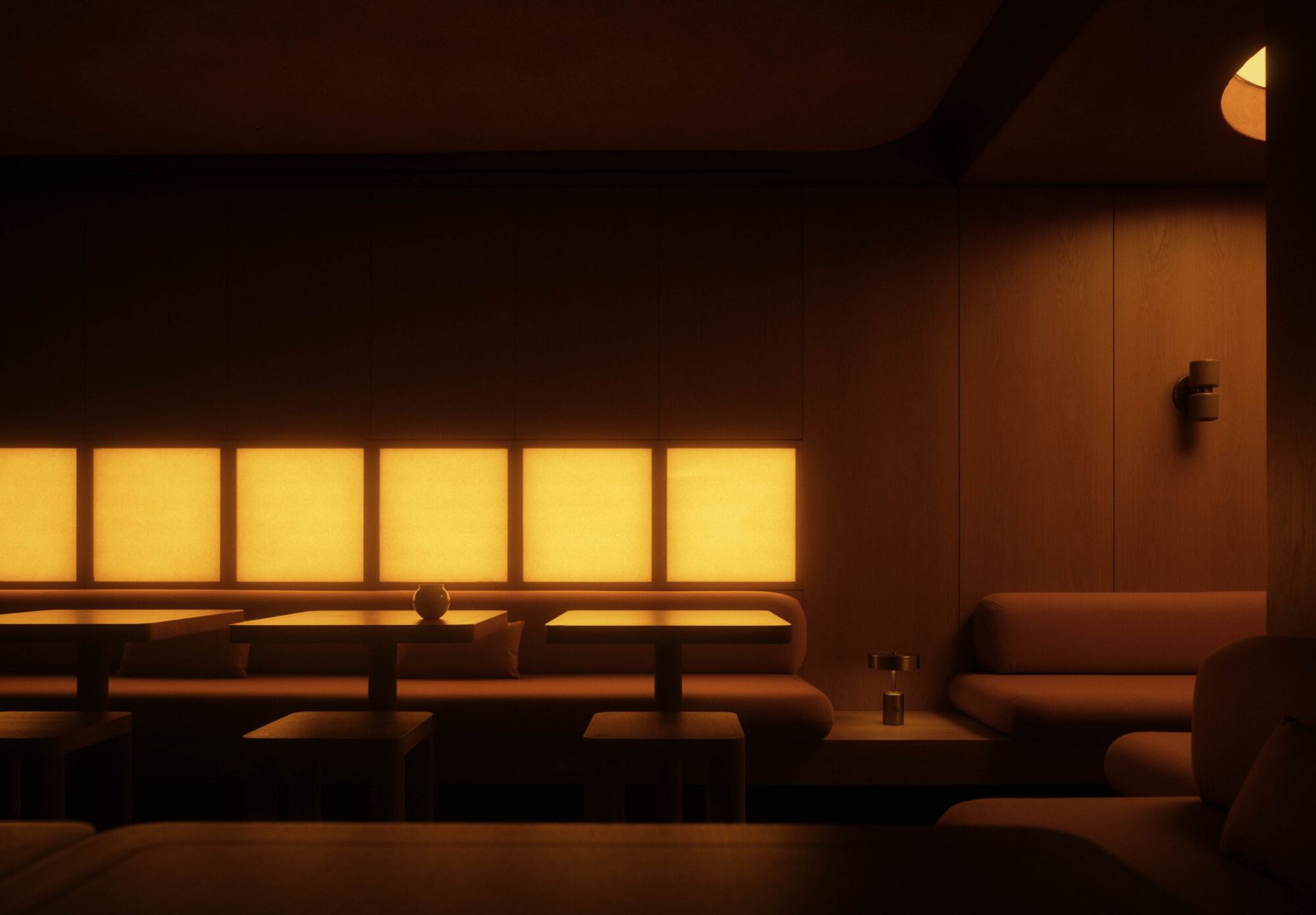
A datum runs continuously around the interior, anchoring guests within the room and giving the heavy walls a legible order. Between these sculptural elements, insertions of timber provide seating, benches, retail displays, a water fountain and intimate nooks. The practice of carving into the thick walls gave the opportunity to place moments to sit within them. A large oak bar cuts diagonally across the ground floor, its angle echoed in the geometry of surrounding furniture pieces, giving the space a quiet internal coherence.
Overhead, a panelled ceiling of timber and opaque glass distributes light evenly across the room, avoiding the harsh directionality of conventional hospitality lighting. The glow it produces is deliberately about providing an ambient quality of light. Woodblock flooring is used across both floors, while a terracotta concrete stair with matching steel structure divides the two floors.
Title: Cup of Joy
Location: London
Year: 2026
Photography: Felix Speller
Type: Retail, Interior
Related Projects
08•2025
08•2025
Pulse at Houghton

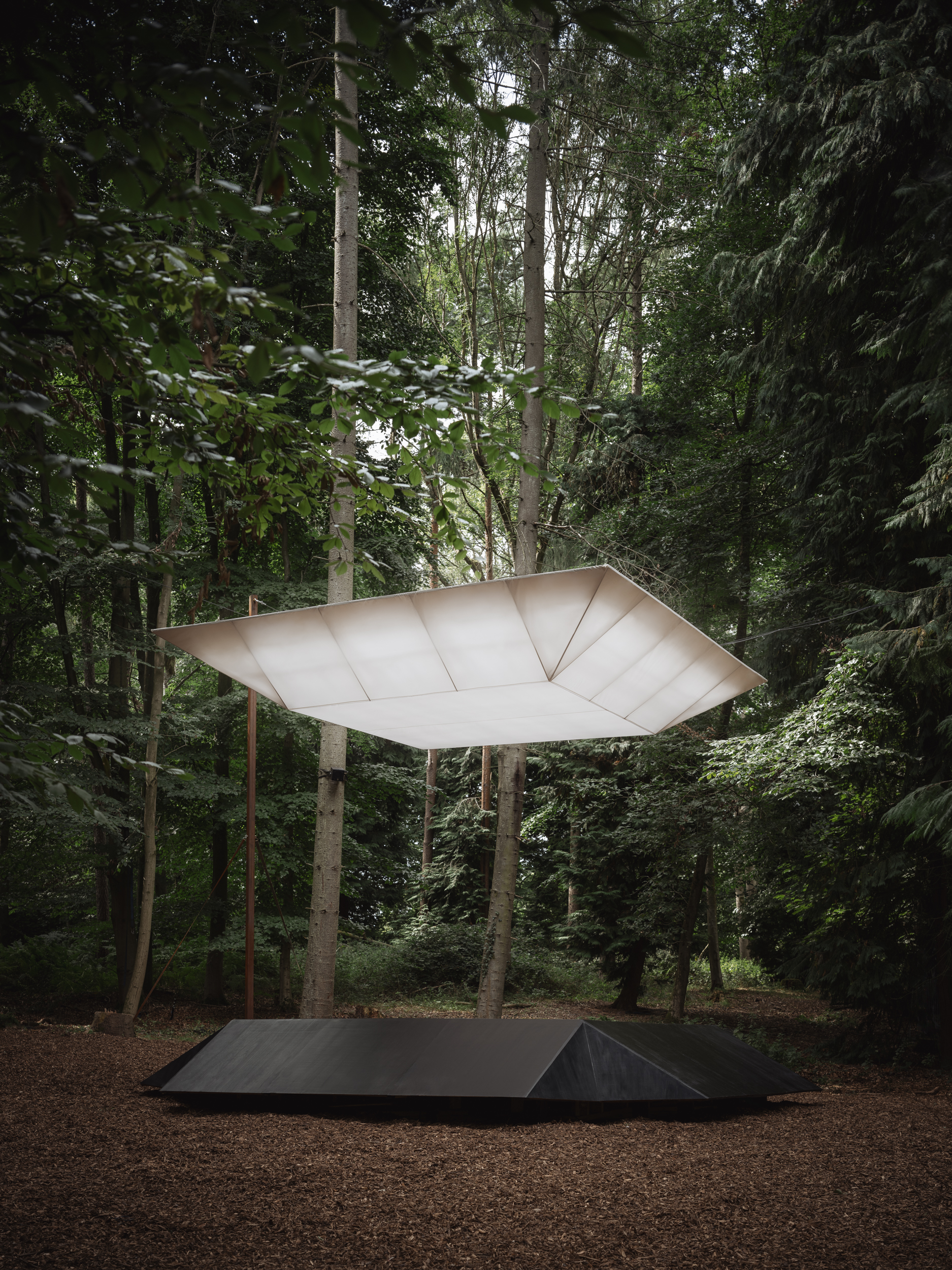
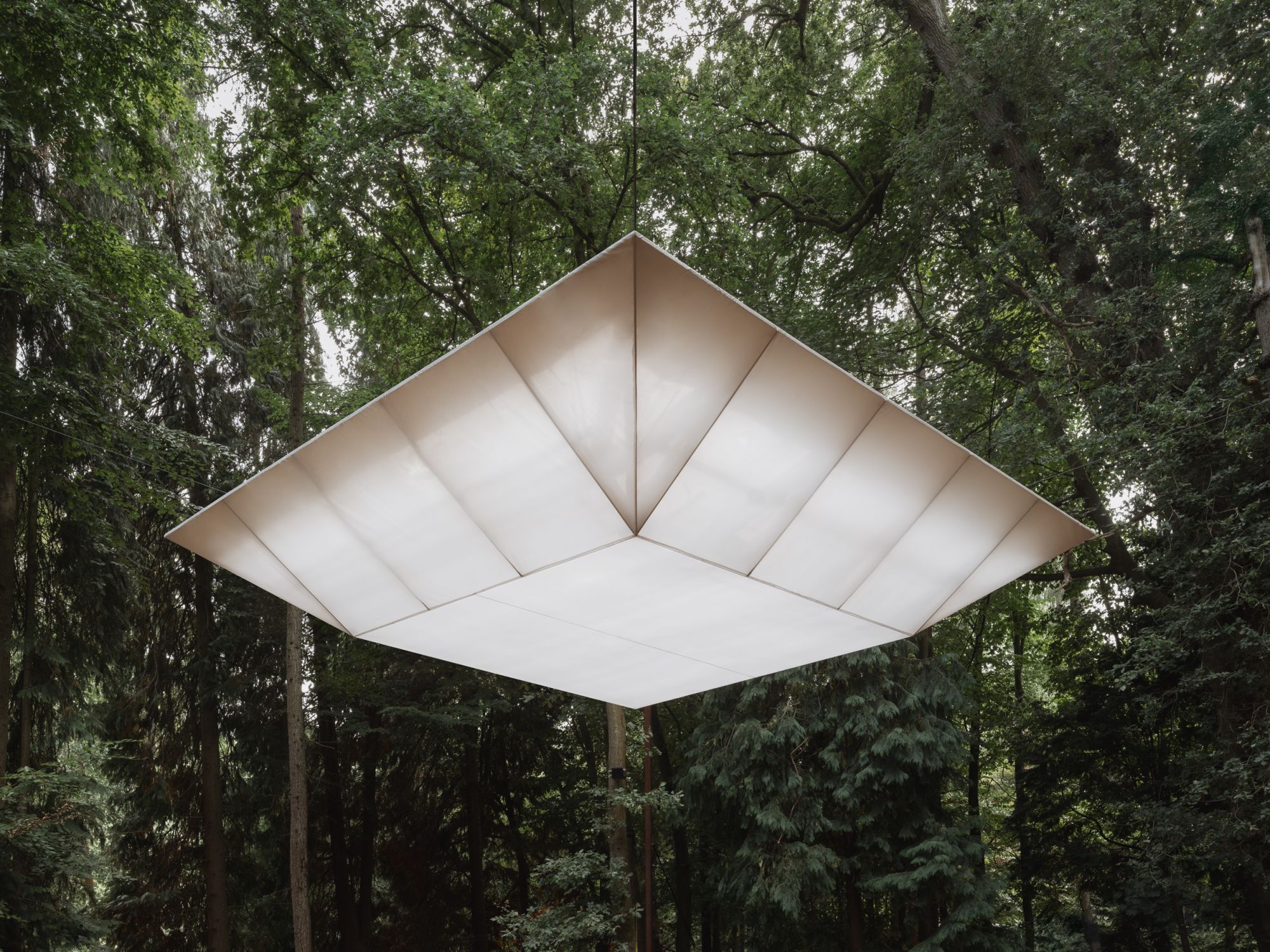
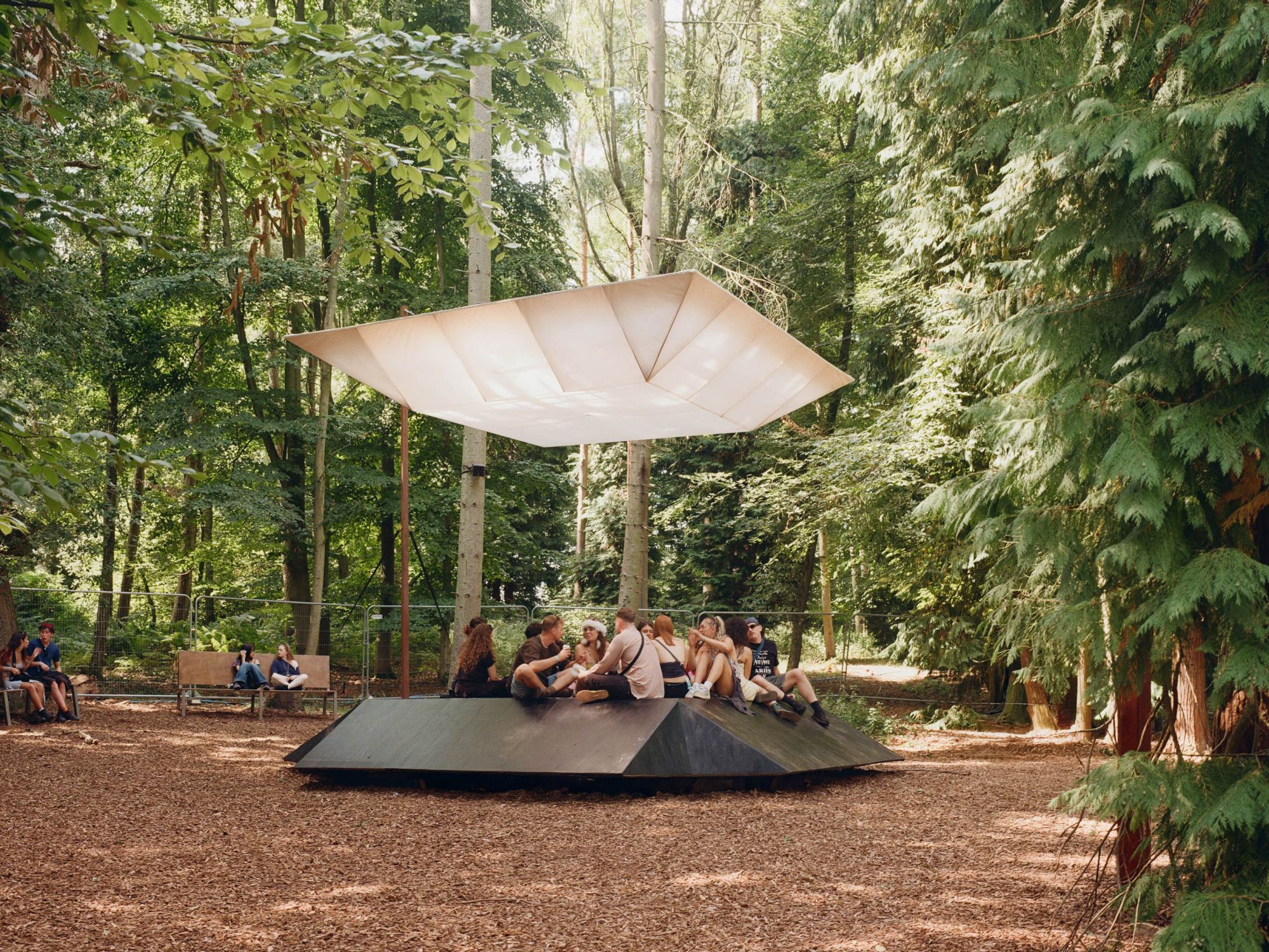
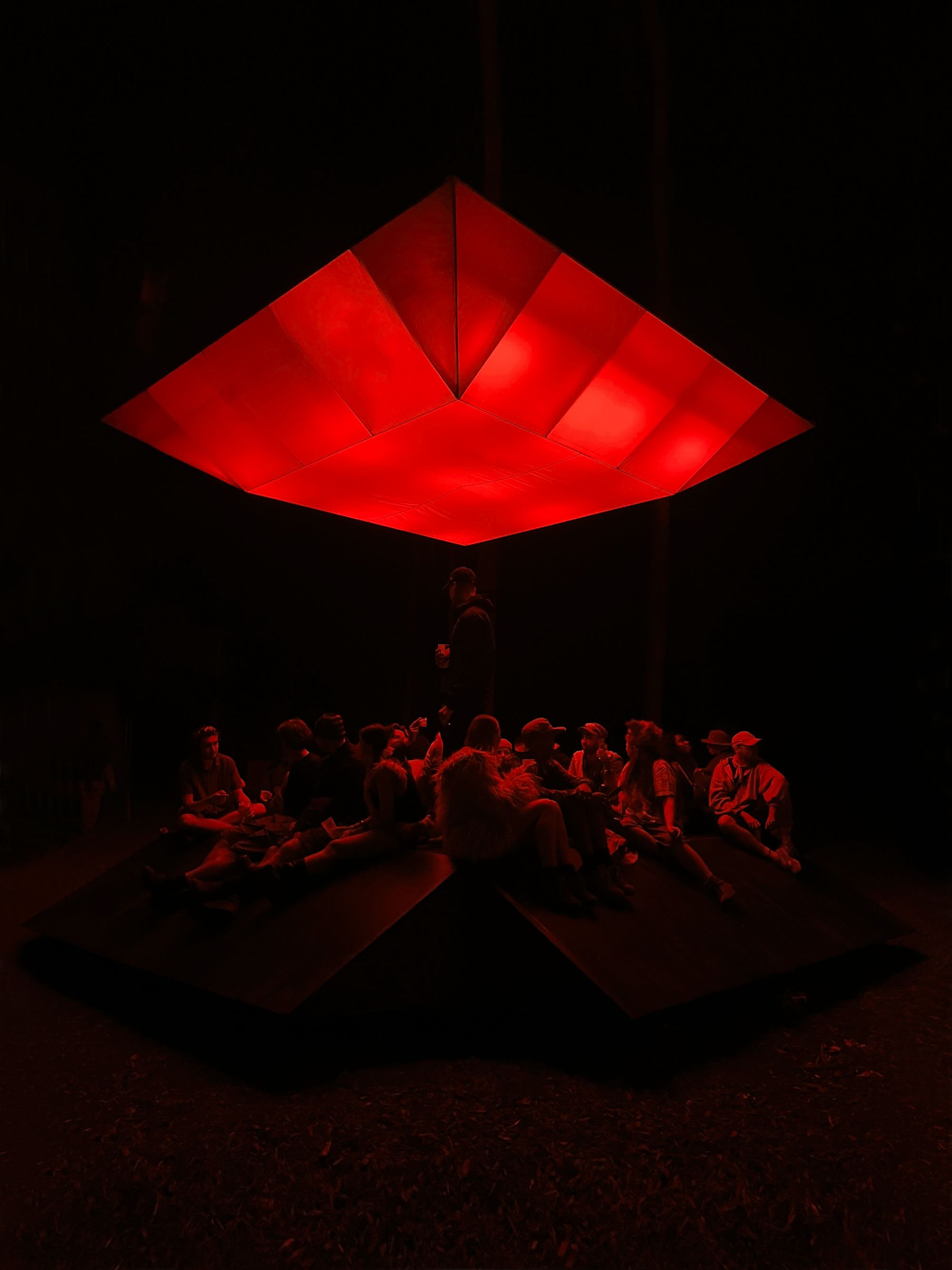

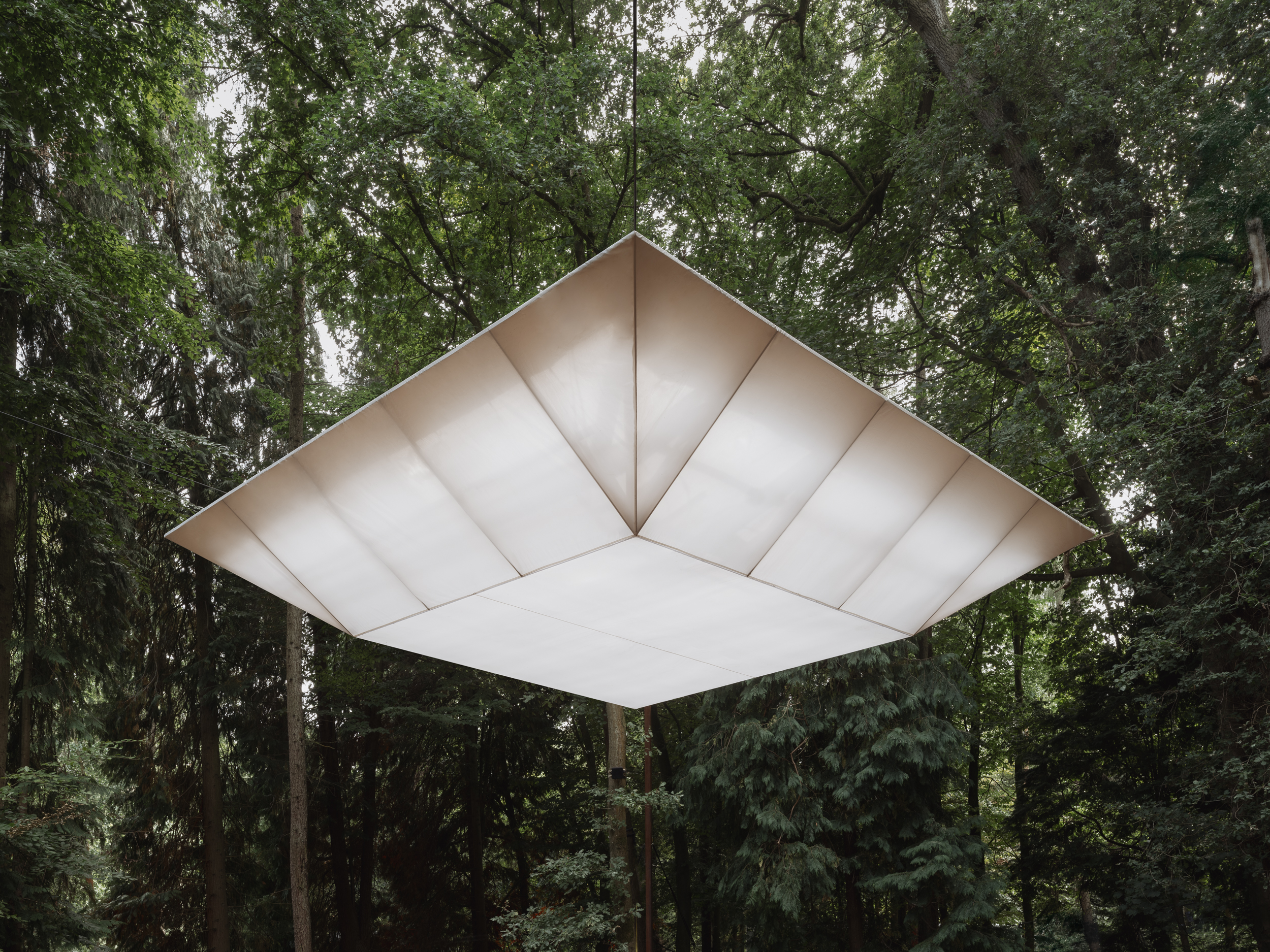
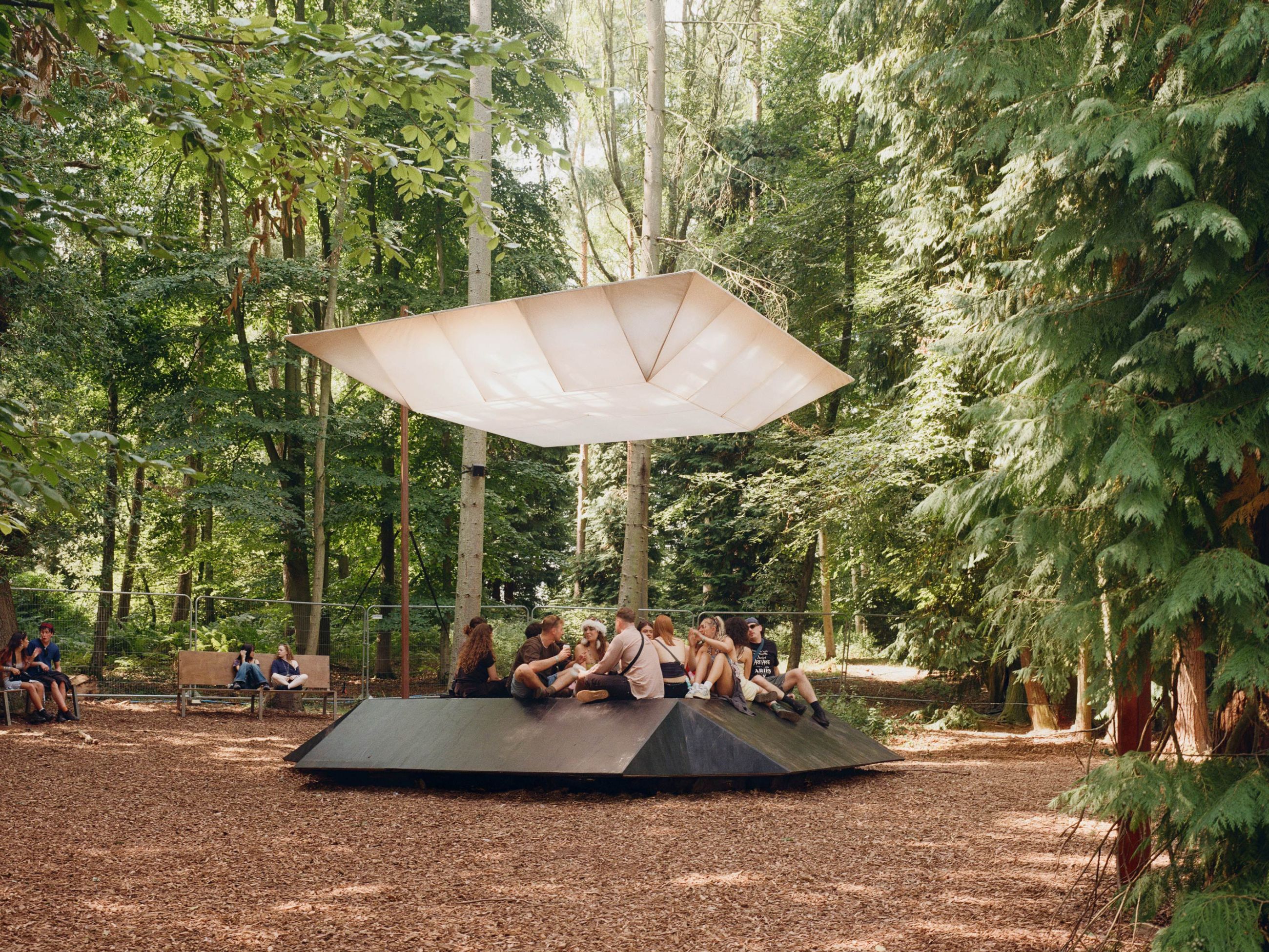
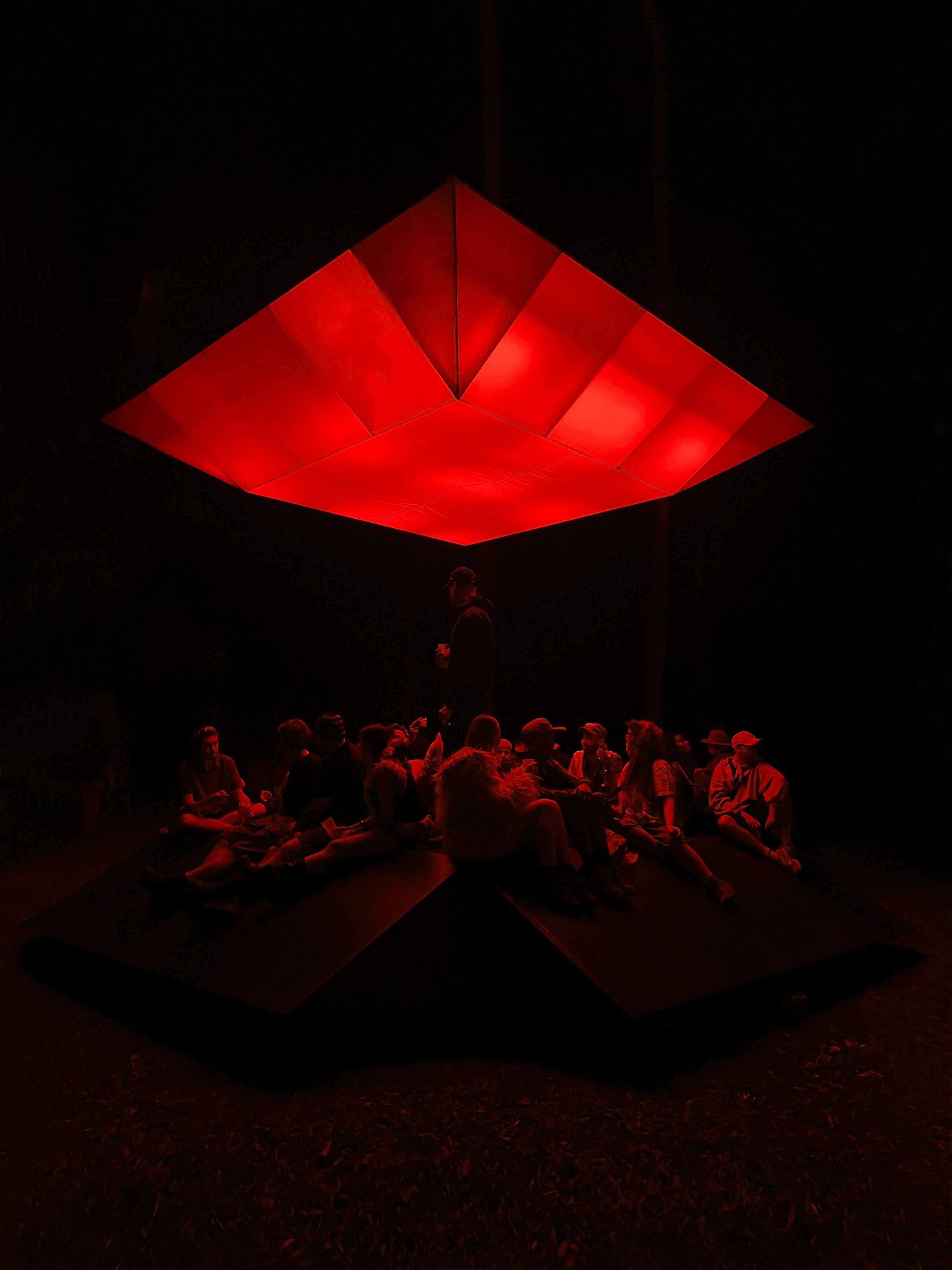
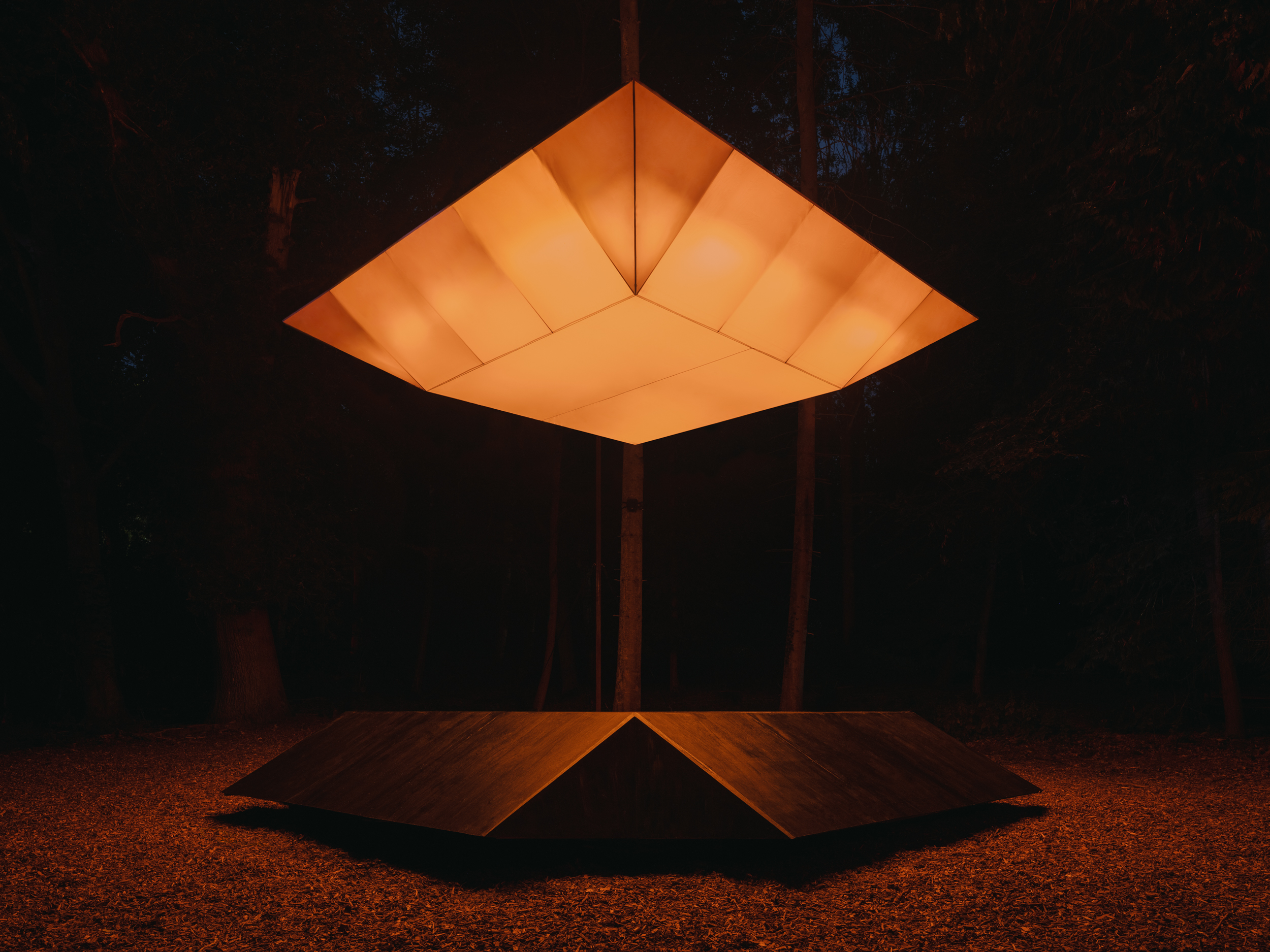
Pulse at Houghton
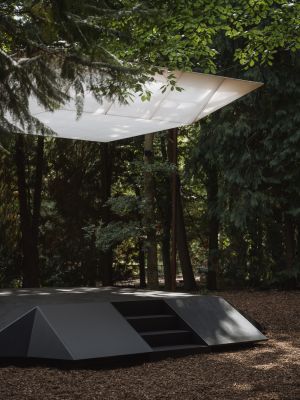
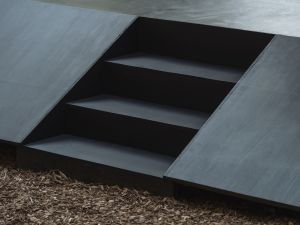
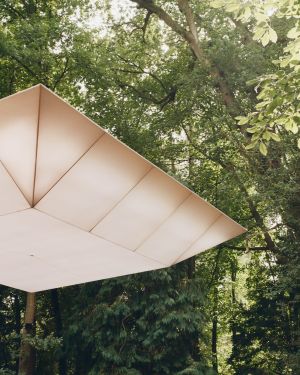
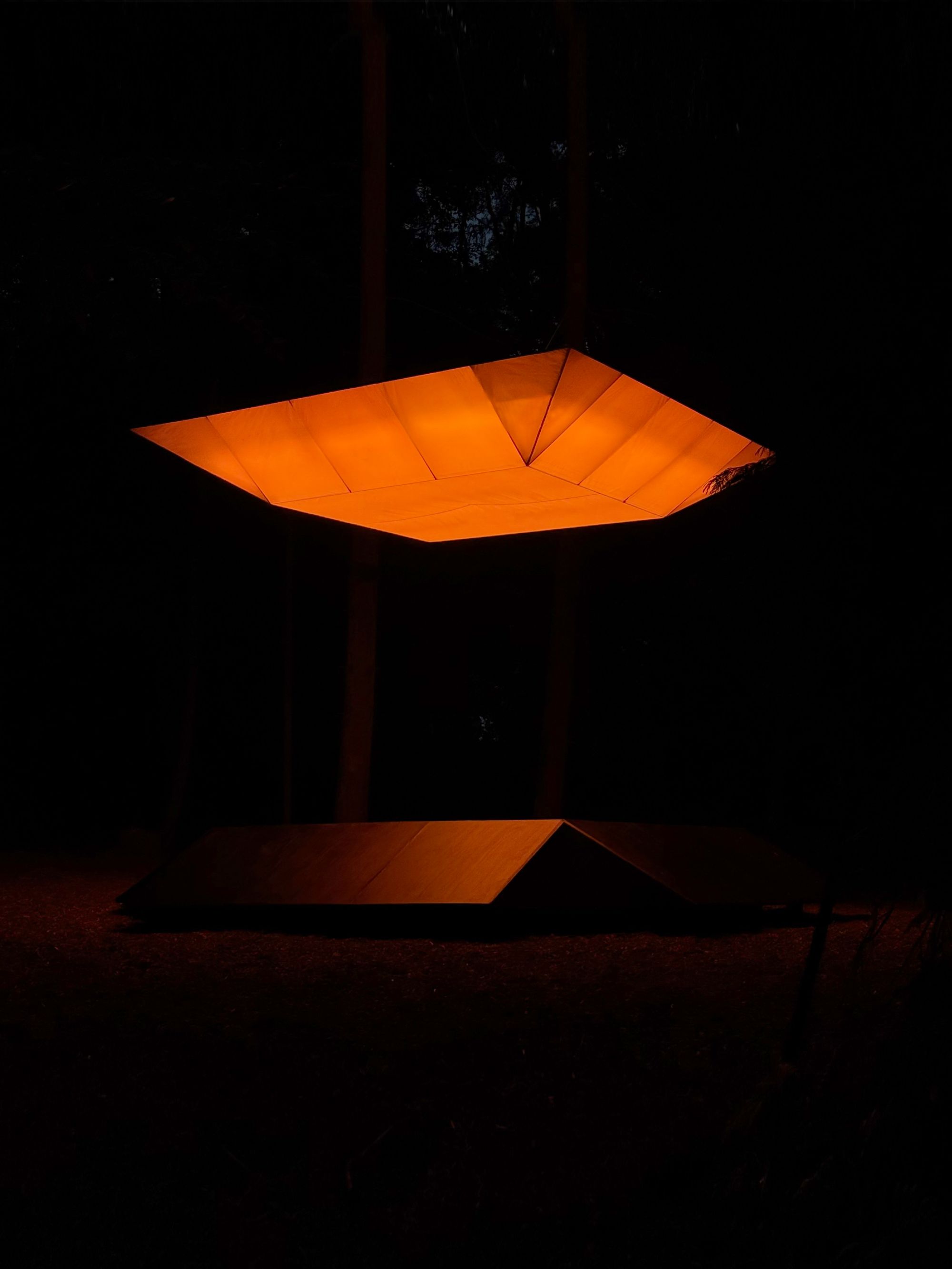
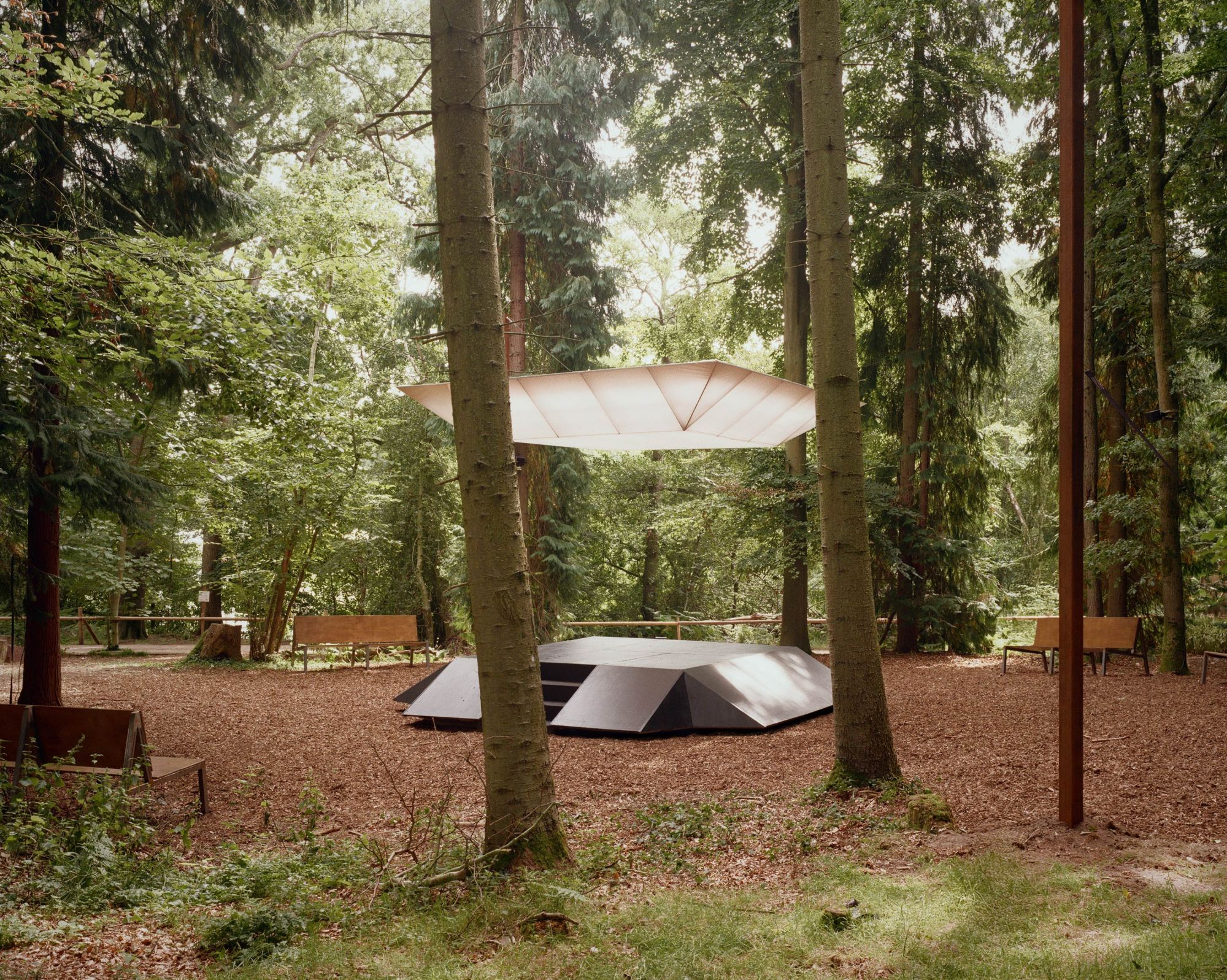
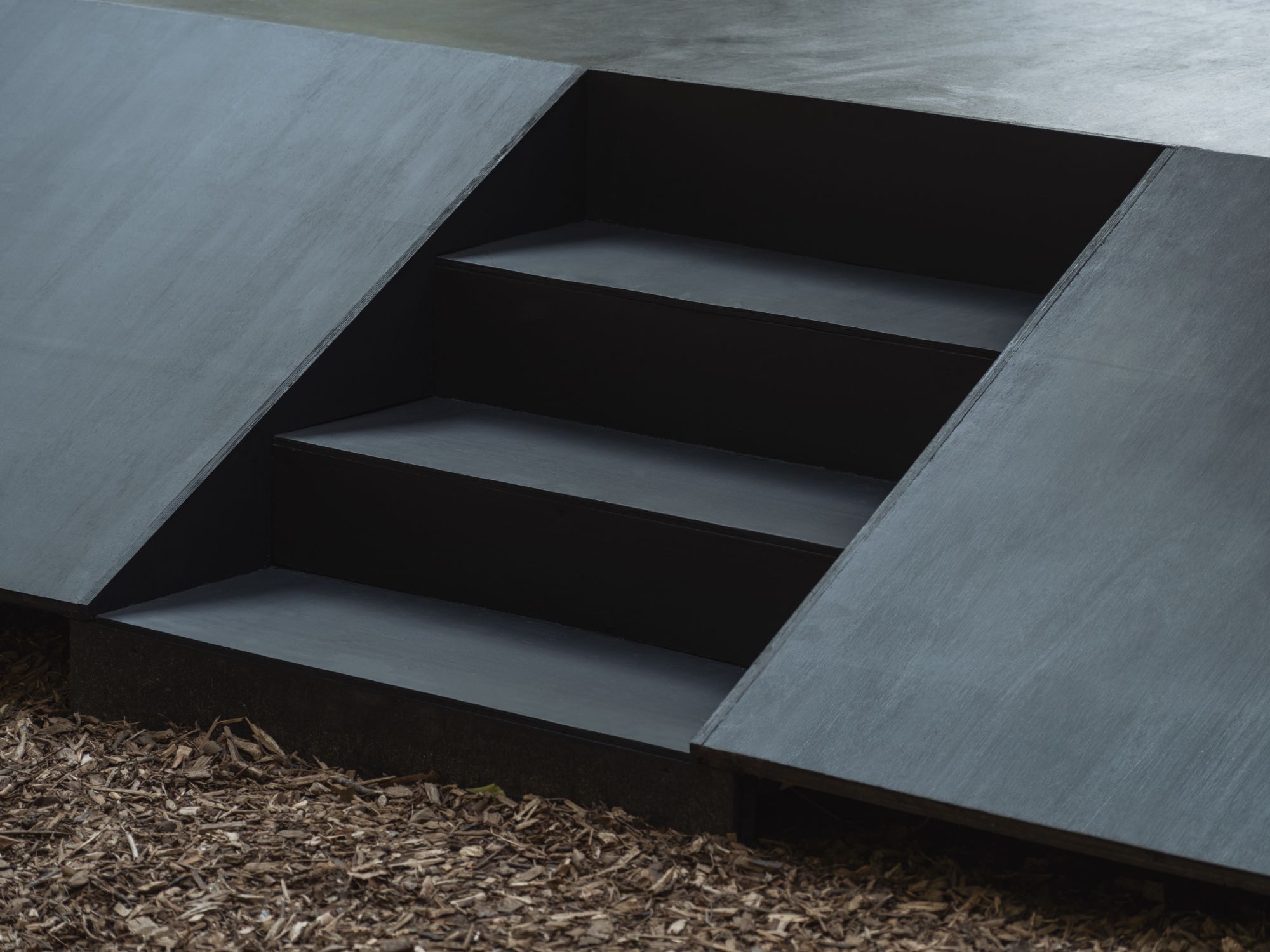
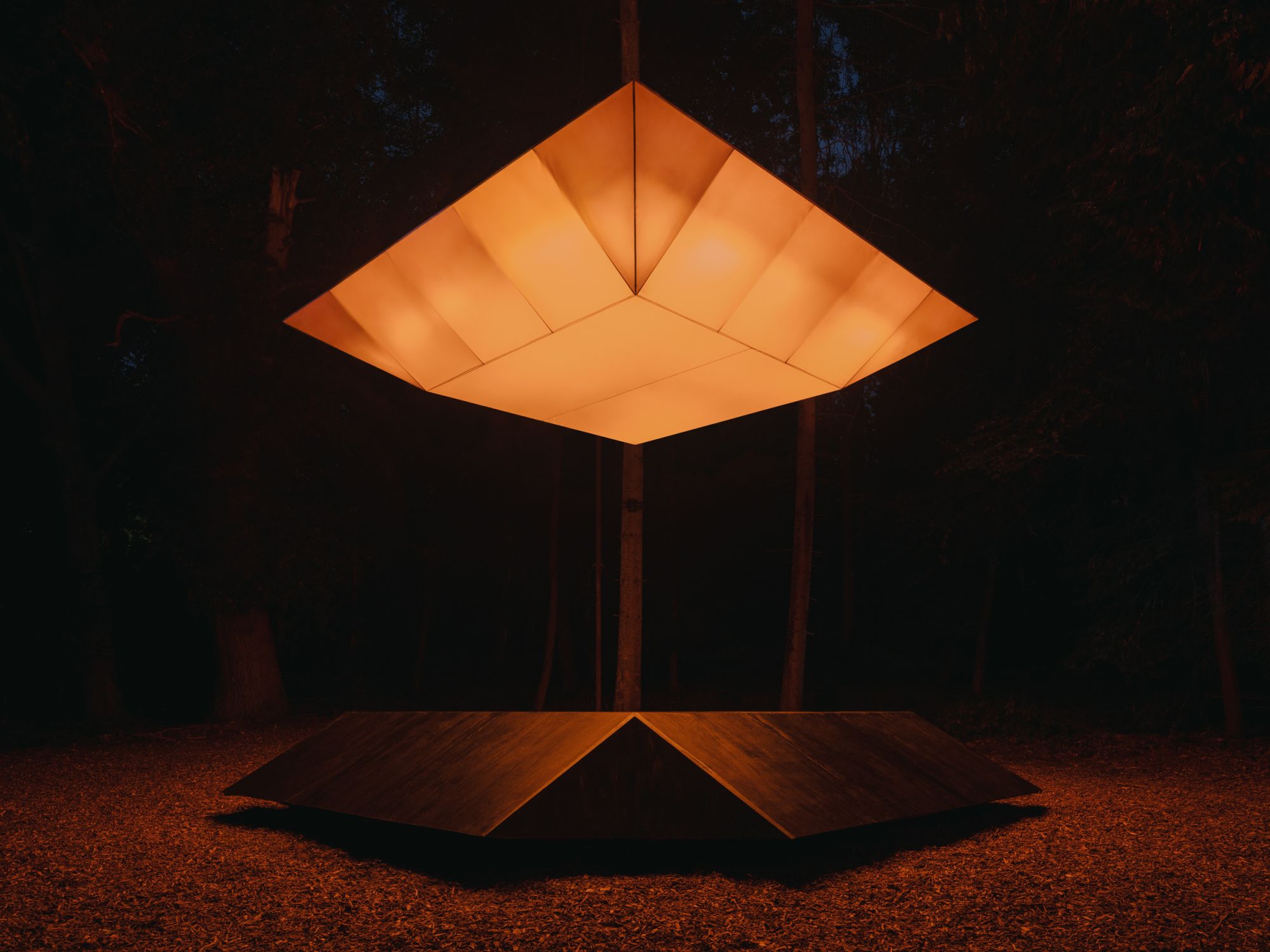
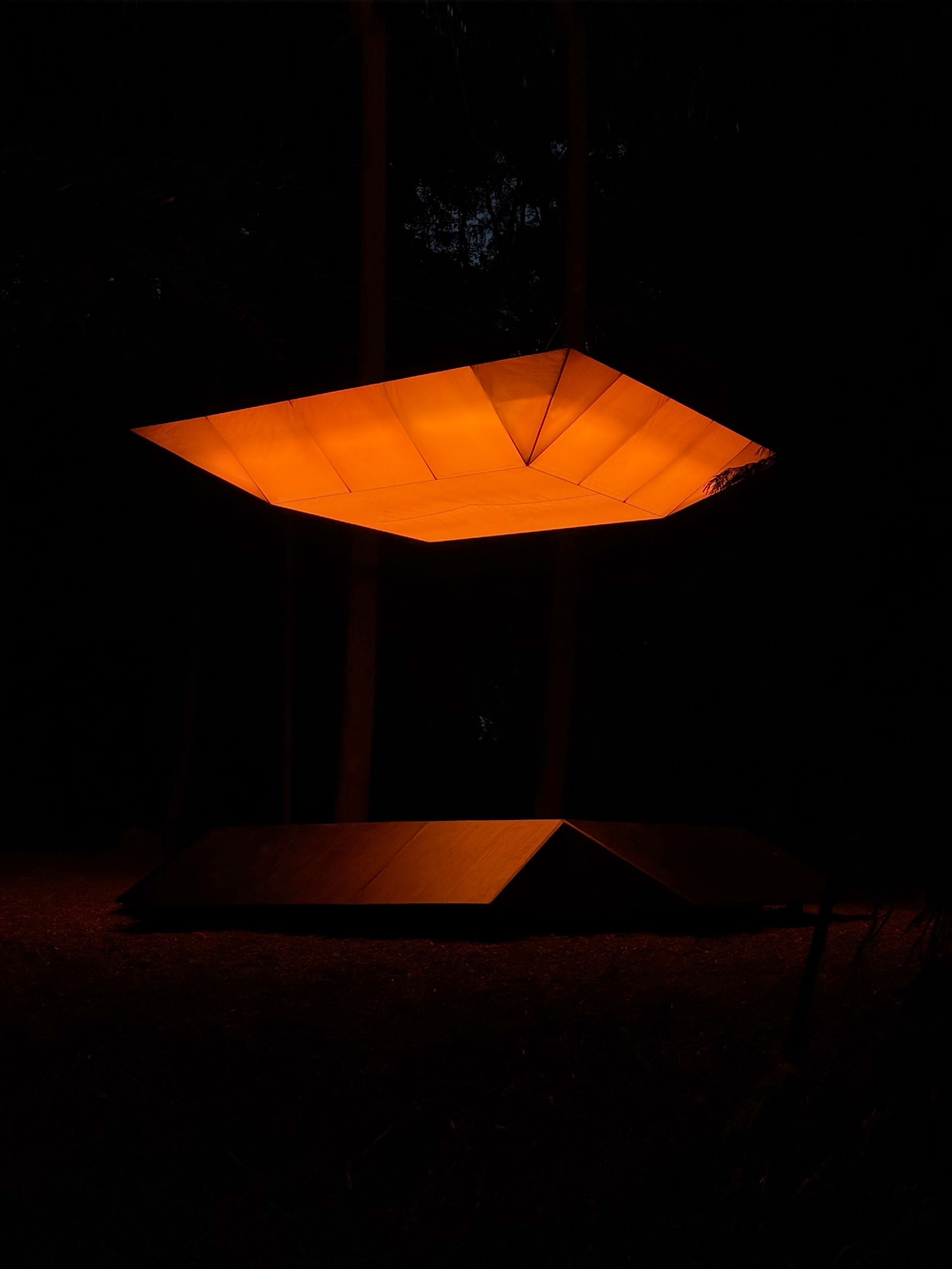
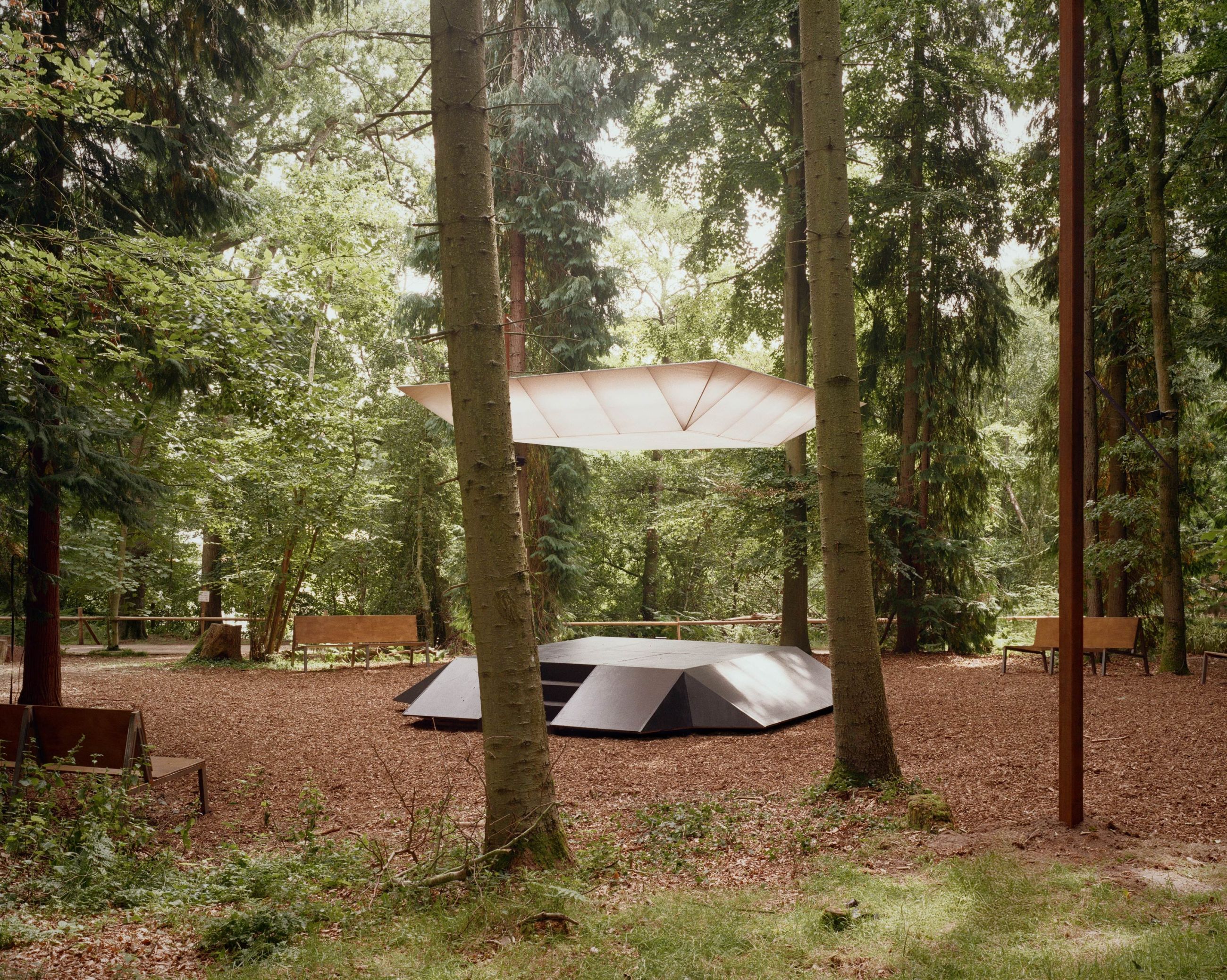
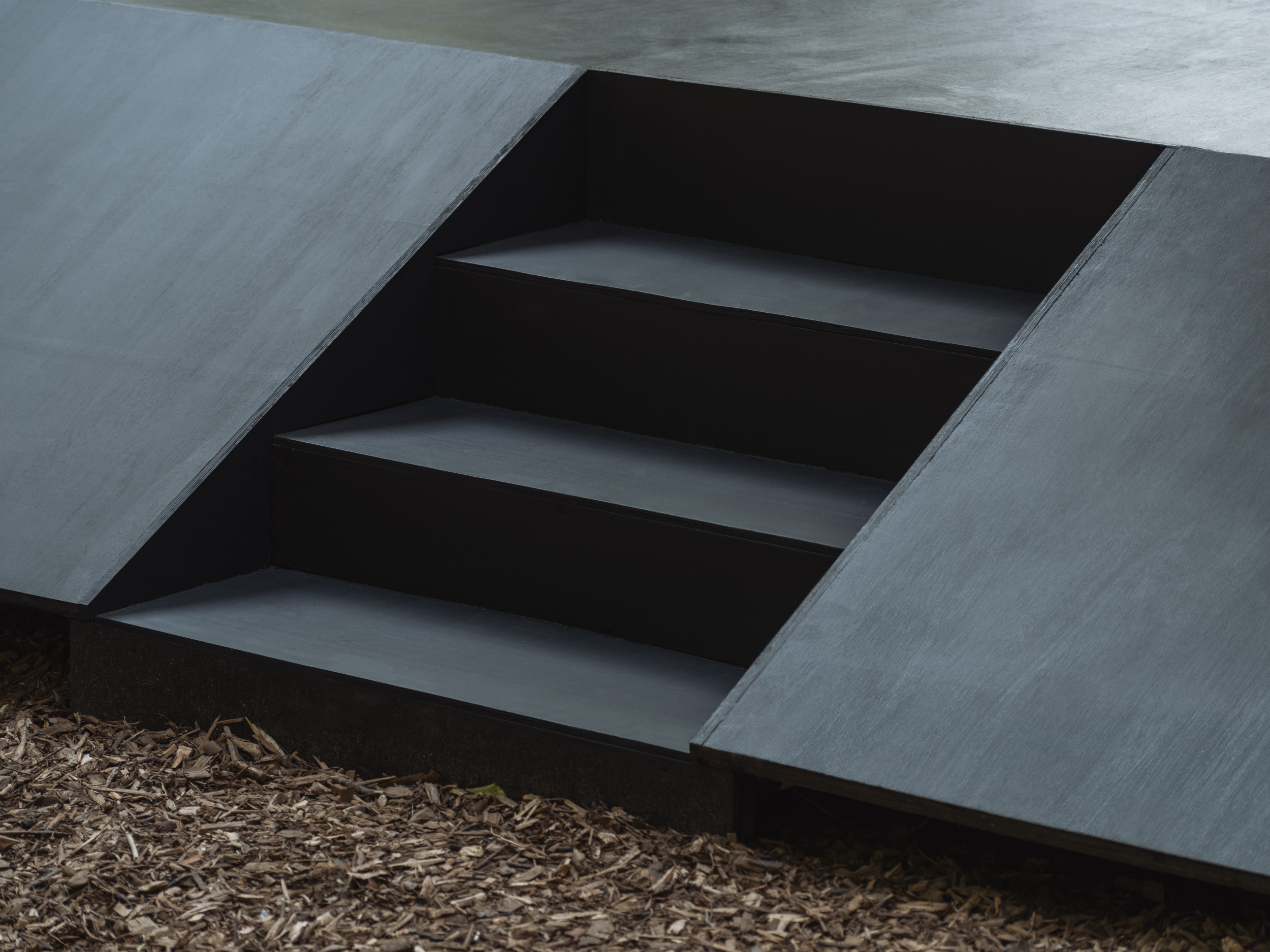
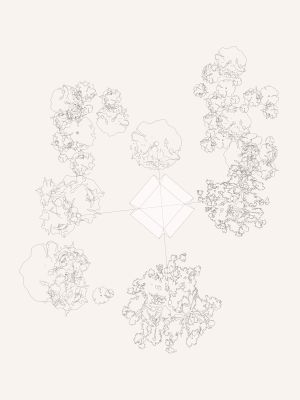
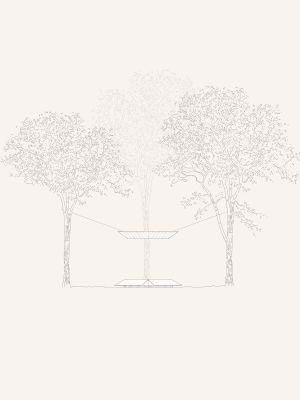
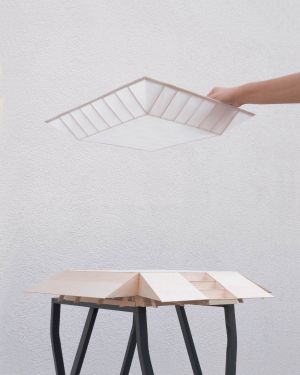
Pulse is a new conceptual piece developed by EBBA director Benni Allan for Houghton Festival. Pulse is about capturing and transmitting the resonance of trees and how they respond to their context, drawing on advanced environmental sensors that pick up signals and translate these into a dynamic composition of light and vibrations. The result is an immersive experience completely unique to the site at Houghton Festival, where technology allows for a bridge between human perception and nature.
Visitors find themselves enveloped in a responsive environment where light pulses and soundscapes shift in dialogue with the forest, encouraging a moment of introspection and wonder. Designed to respond to the environment in real time, the installation captures and interprets the connection between trees through an interplay of sound and light, creating a mesmerising, meditative journey that resonates with the festival’s ethos of discovery, creativity and connection.
Pulse will not disappear entirely with the end of the festival. It has been conceived as a permanent fixture at the Houghton site, offering ongoing access to this dialogue between art and nature. Over time, the installation will offer the potential to respond to the changing seasons, weather patterns and tree activity, evolving into a living monument to the forest’s vitality.
Team:
Houghton Festival – Commissioner
Benni Allan – Lead Designer
EBBA – Architects
Kevin Pollard – Sound Design
Our Department – Fabricators
Arup Engineers – Advisory Engineers
Public House – Engineers
Lighthaus Studio – Technical Production
Oliver Ellmers – Lighting Design
Kat Rothery and Katie Dufort – Fabric Seamstress
Abwb.carpentry – Carpentry
Title: Pulse
Location: Houghton Festival
Year: 2025
Client: Houghton
Photography: James Retief, Rikard Kahn
Type: Cultural, Installation
Related Projects
06•2026
06•2026
ALL PROJECTS Gallery
ALL PROJECTS Gallery
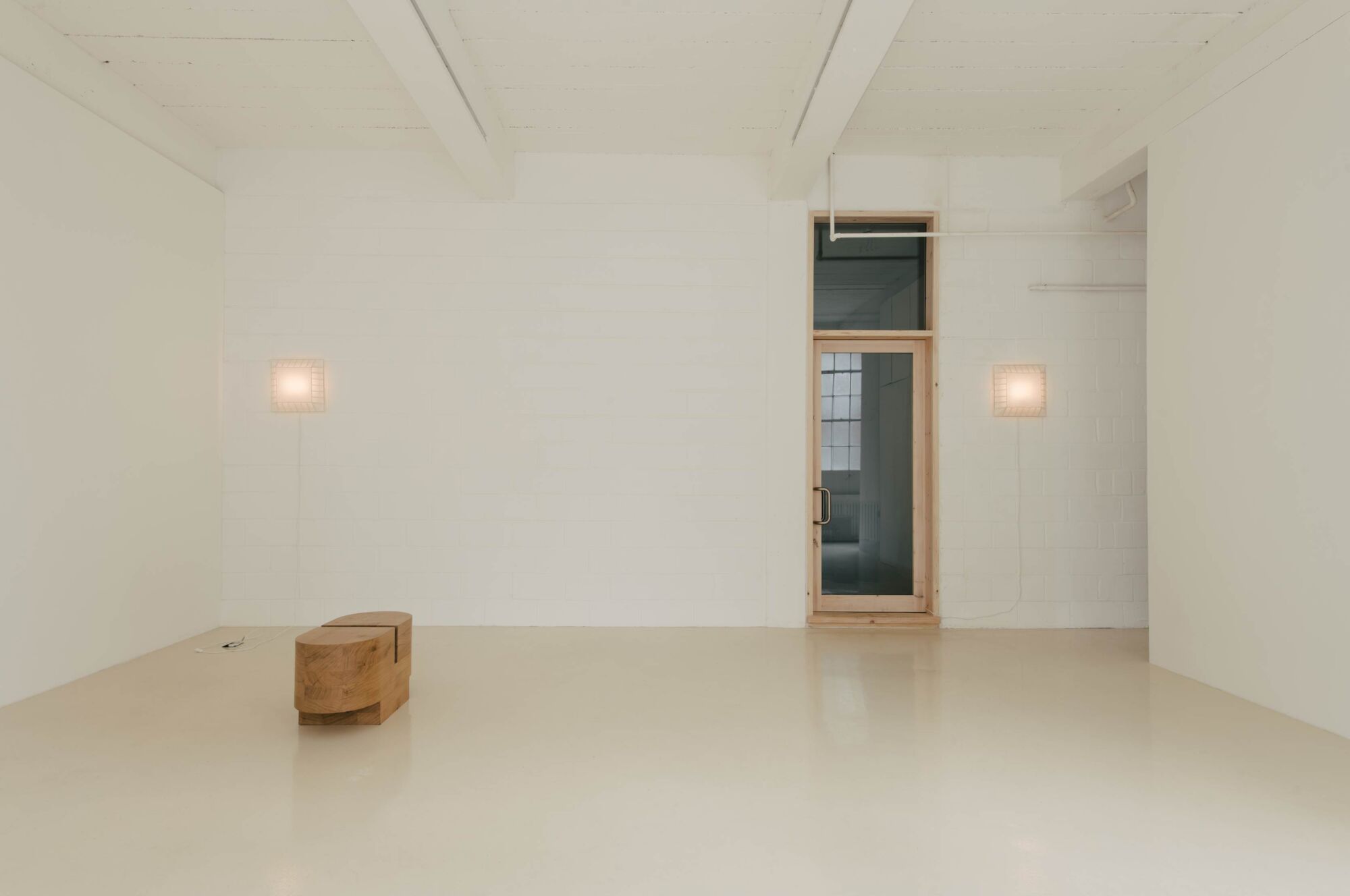
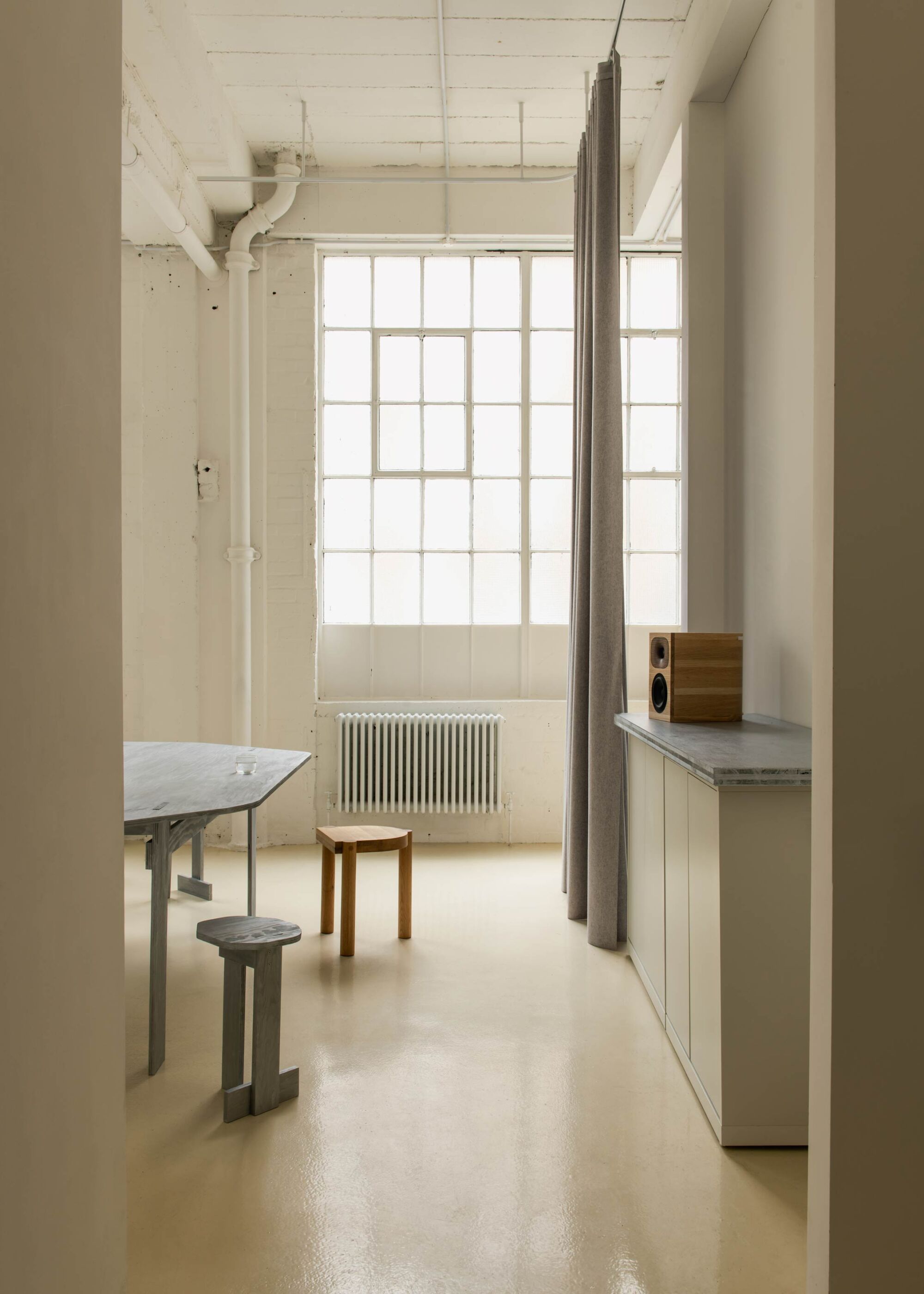
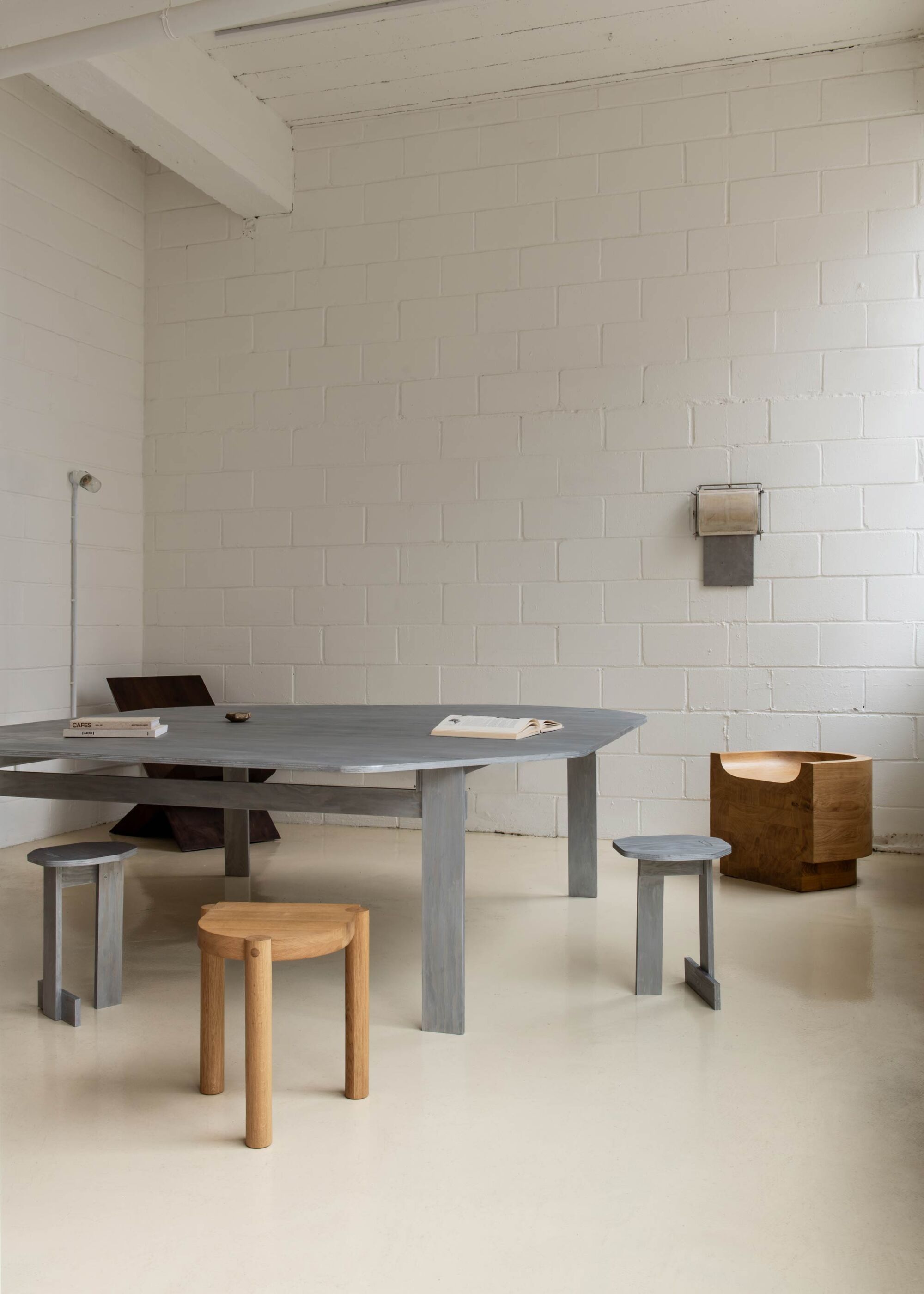
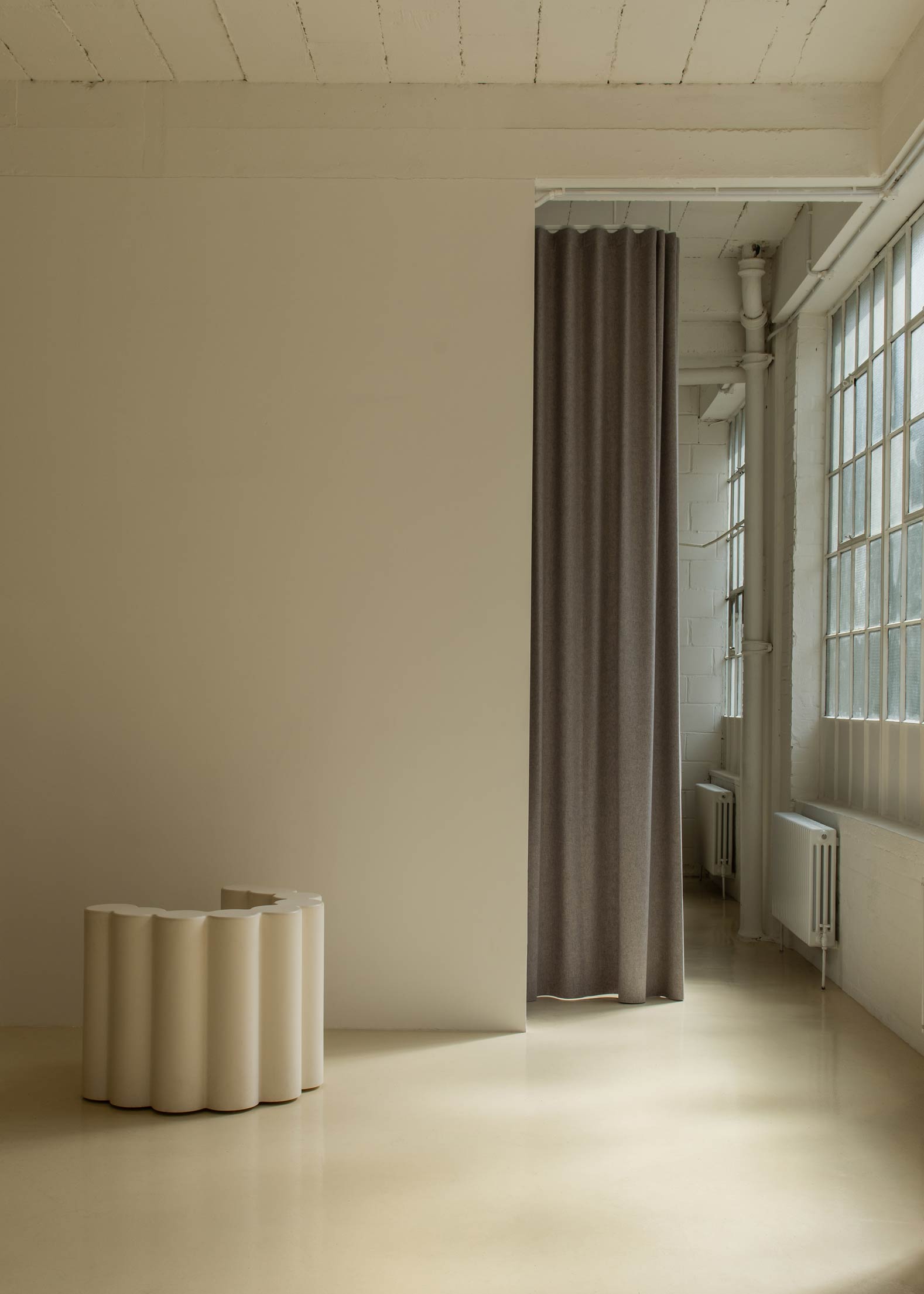
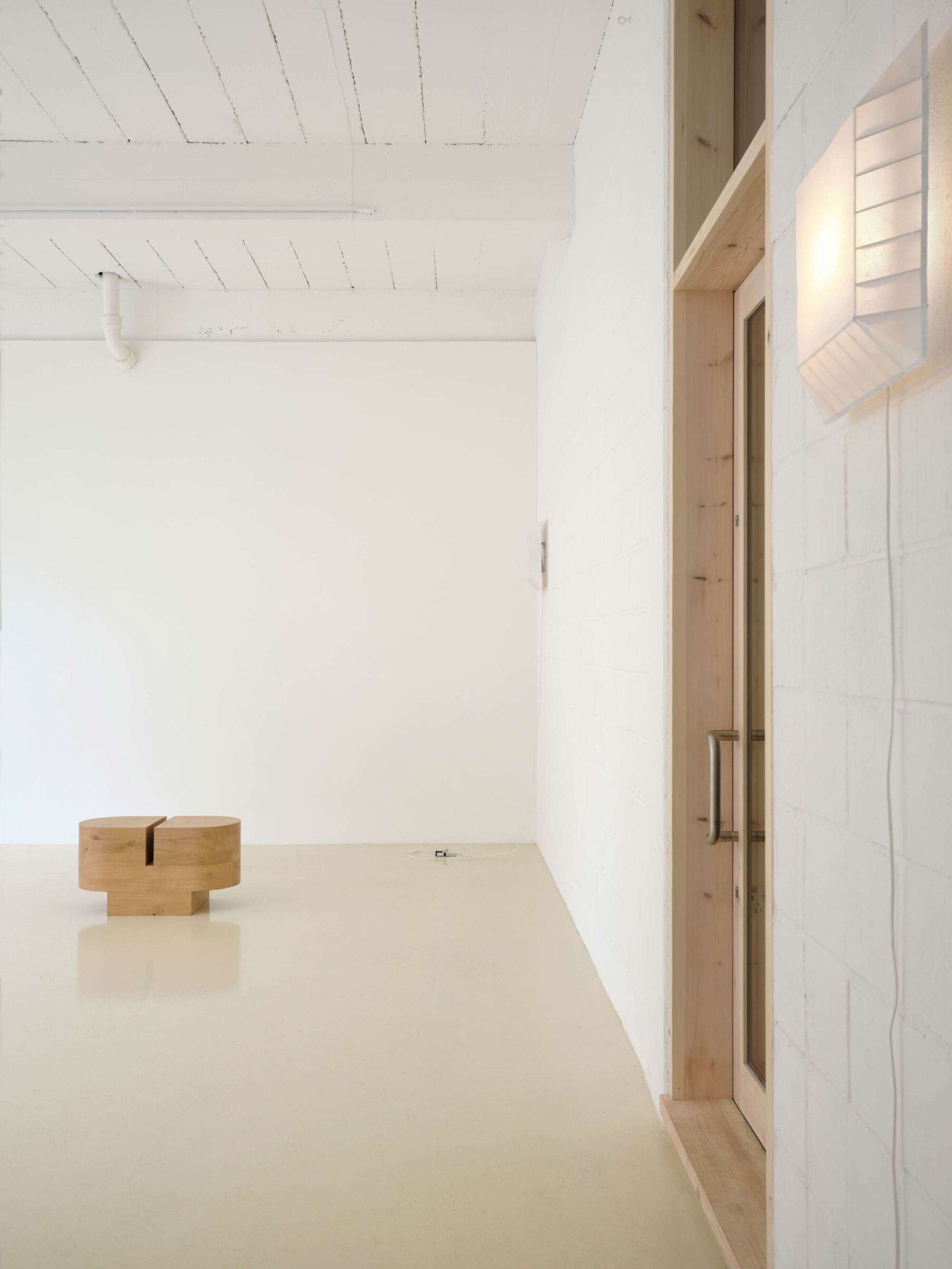
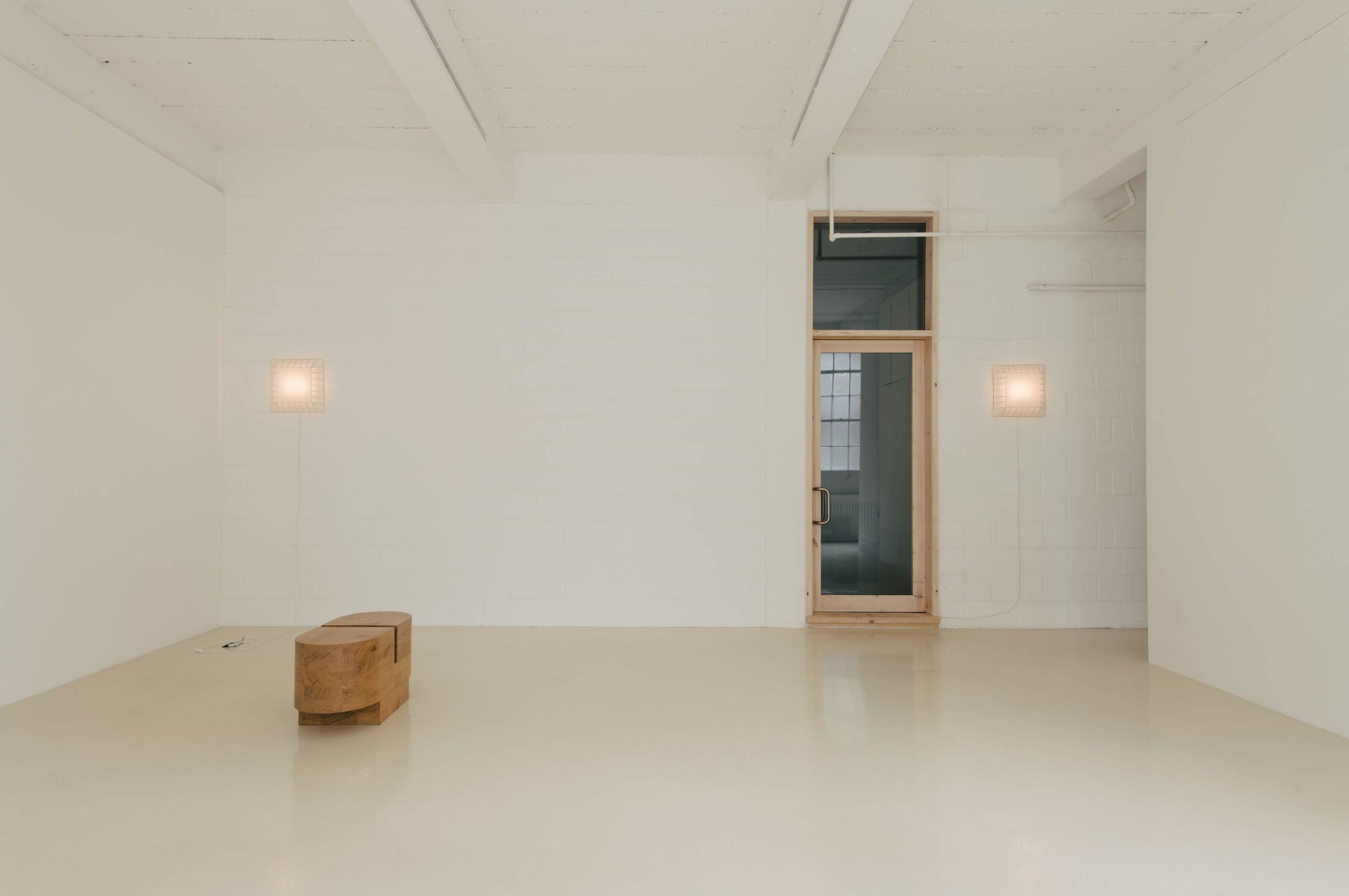
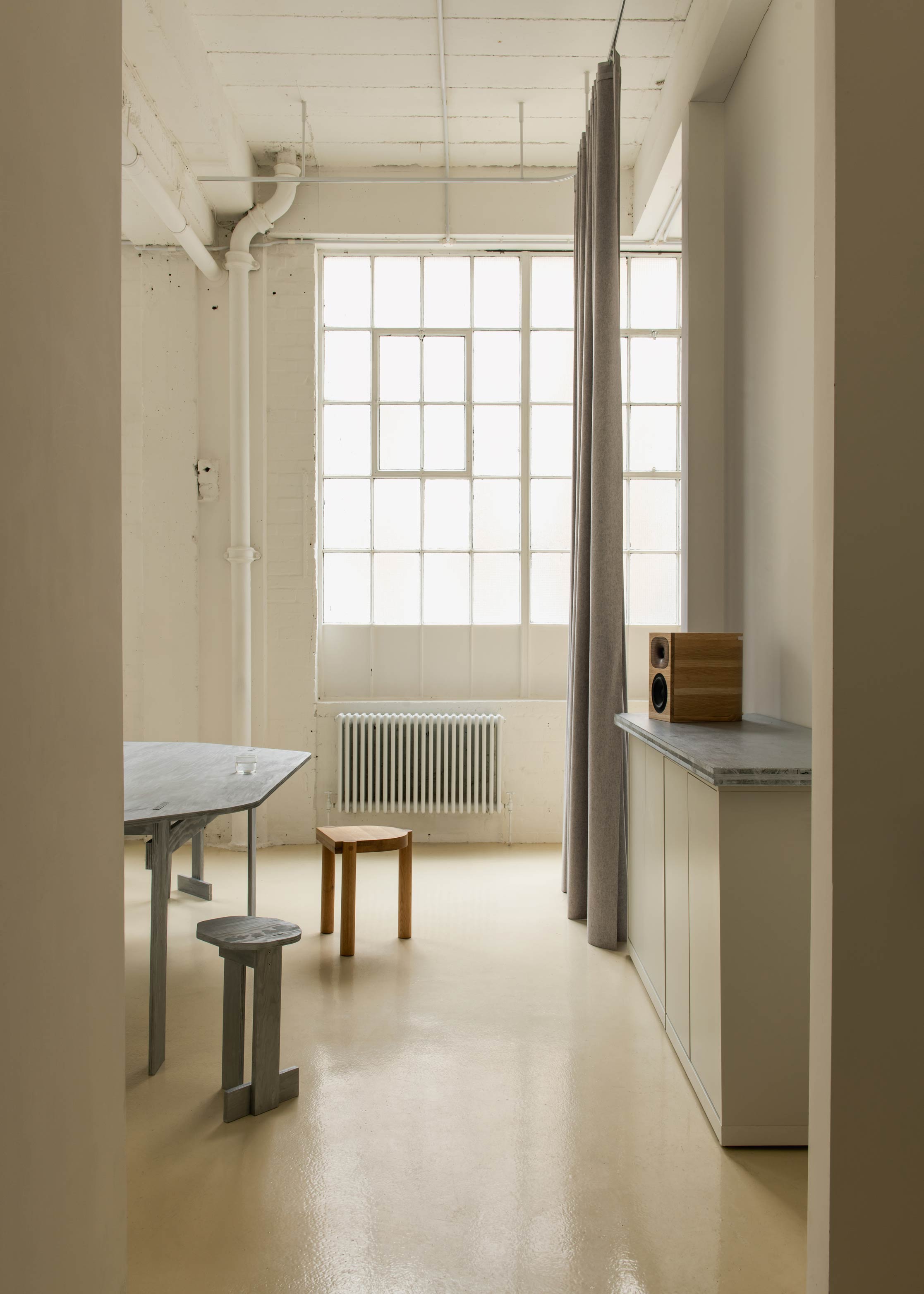
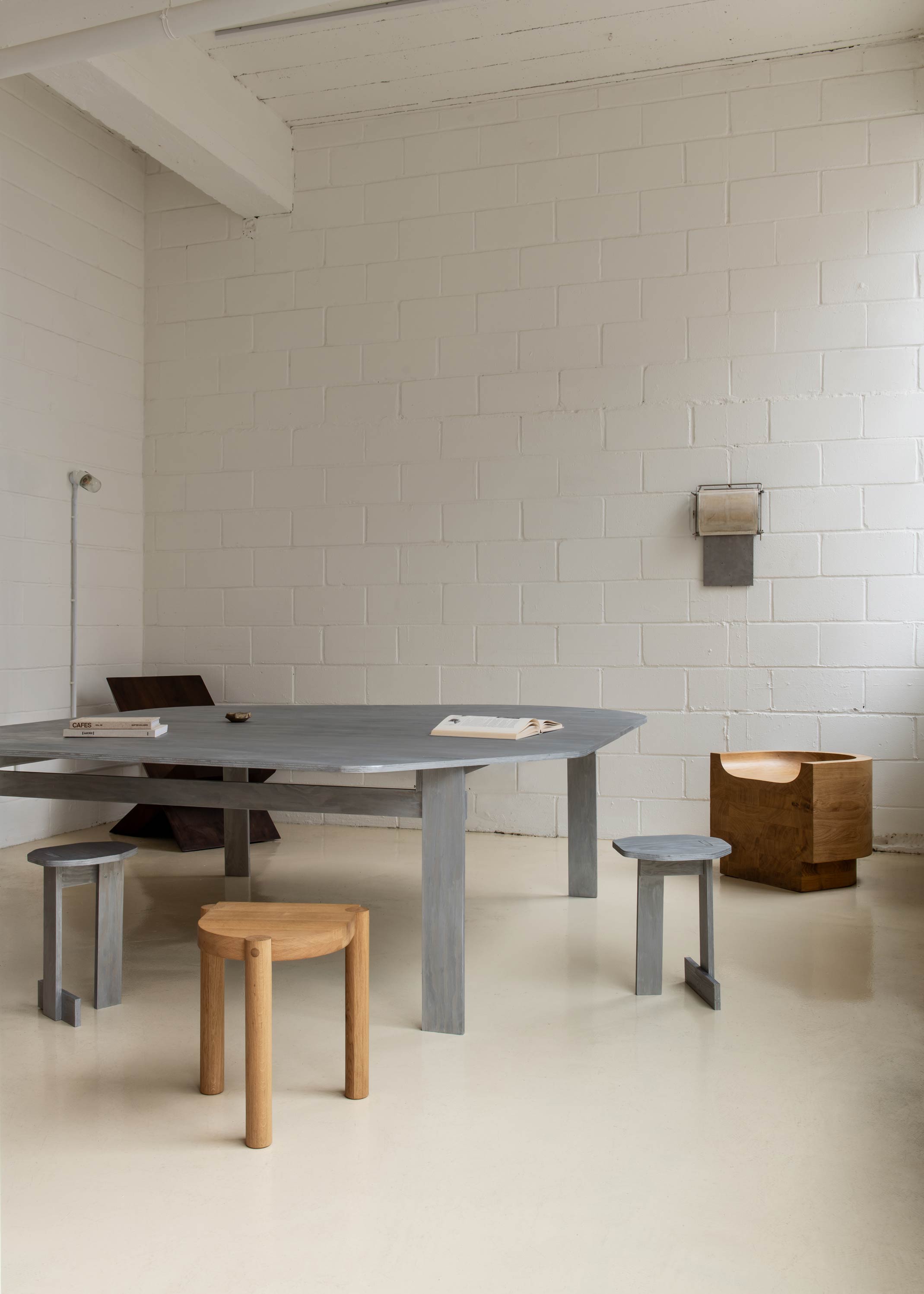
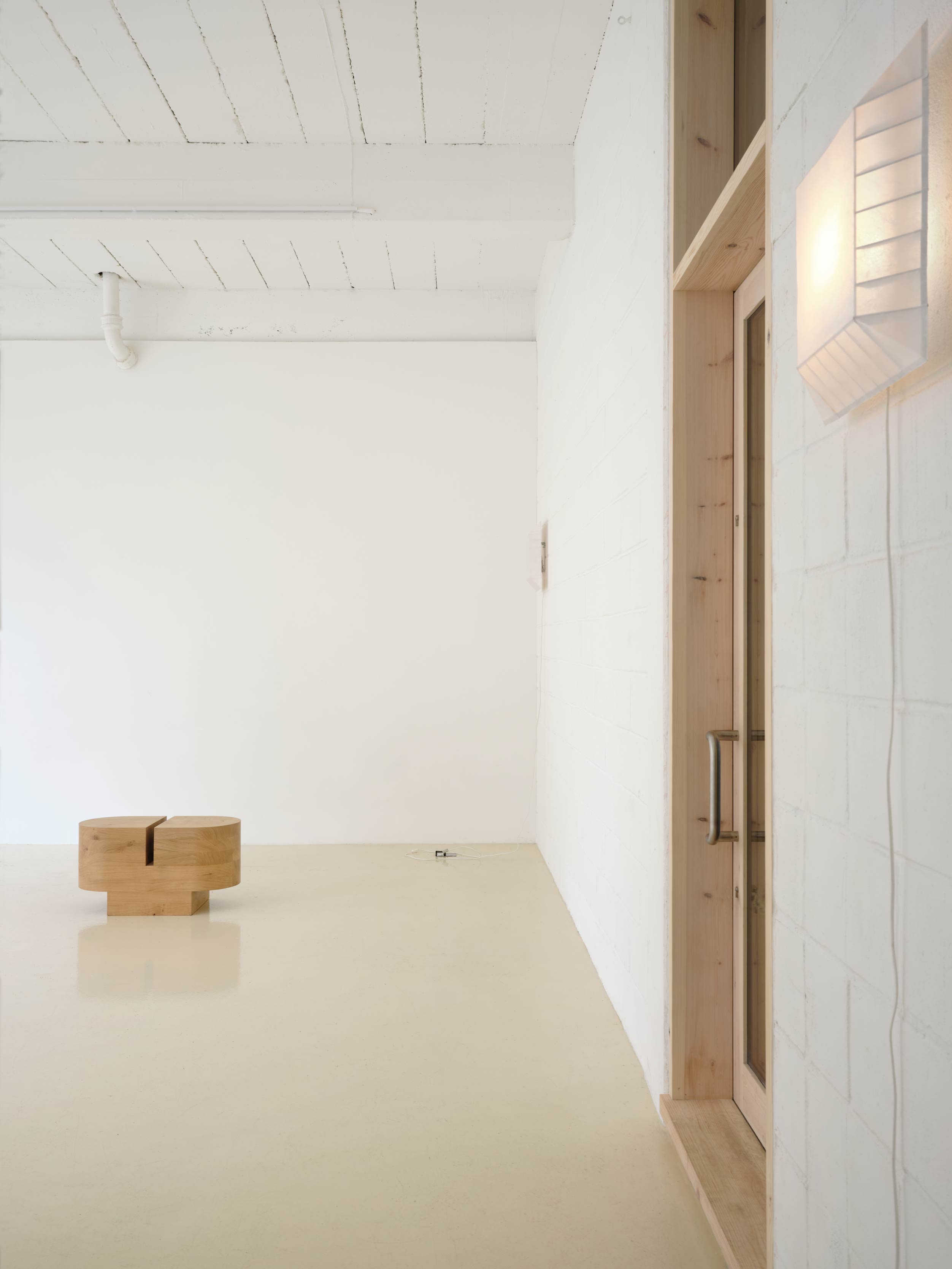
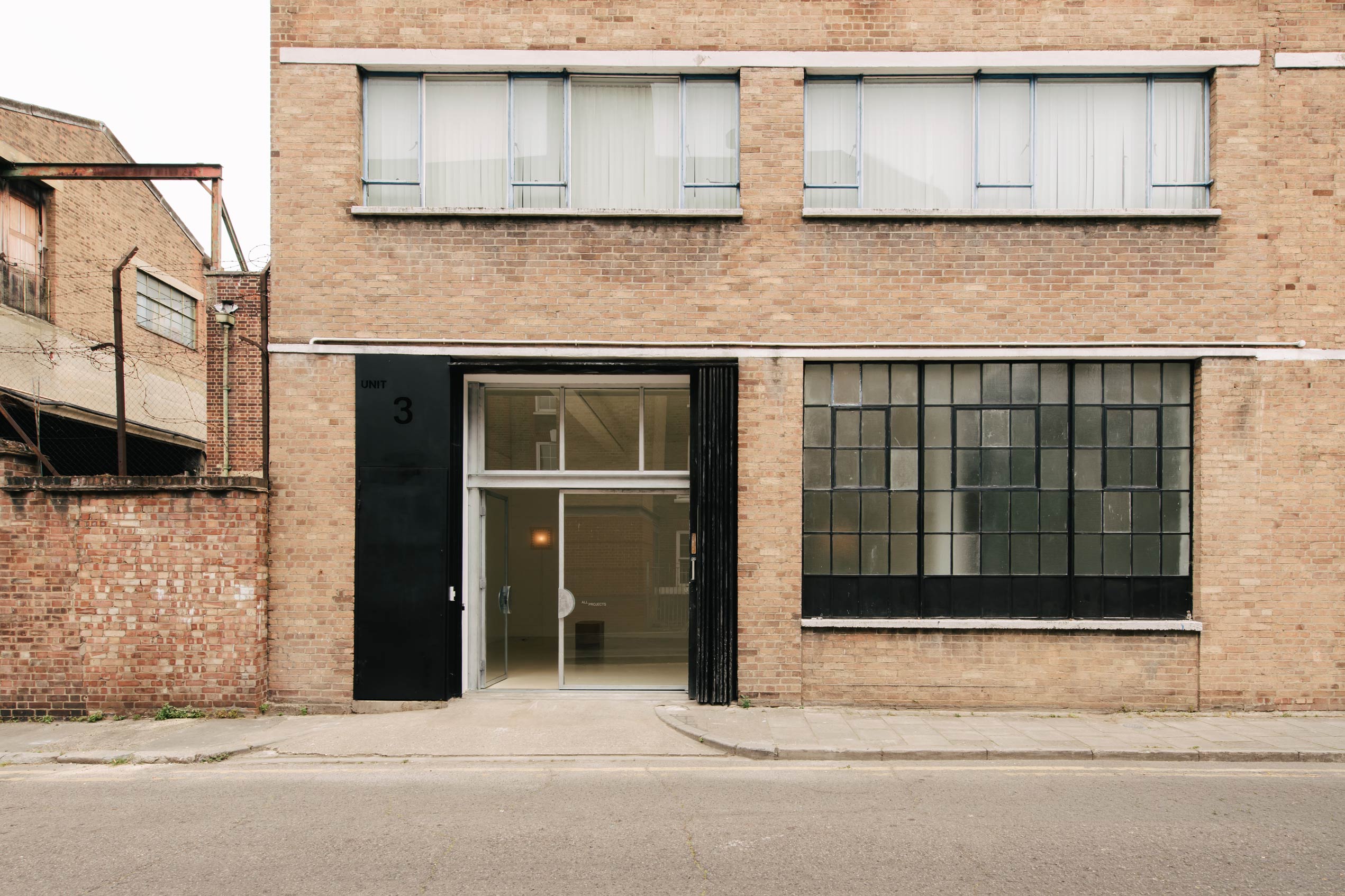
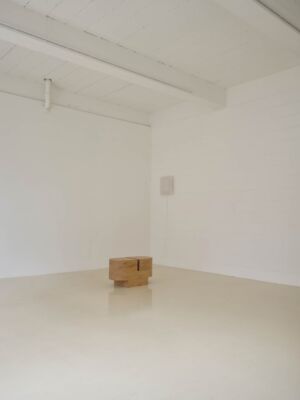
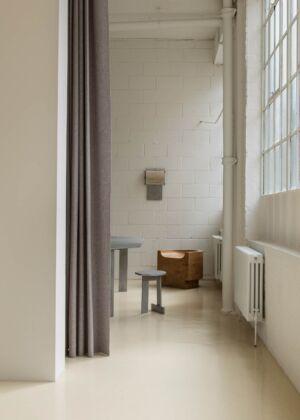
ALL PROJECTS is a new gallery without disciplinary borders. Rather than presenting finished objects in isolation, the gallery foregrounds process, exchange and collaboration. The space has been established as a platform for practitioners working in art, fashion, architecture and design to be in dialogue, generating projects that emerge from shared ideas and diverse practices.
The gallery operates as both exhibition and shared space. A site where ideas are developed in public view, where the making is as meaningful as the final work.
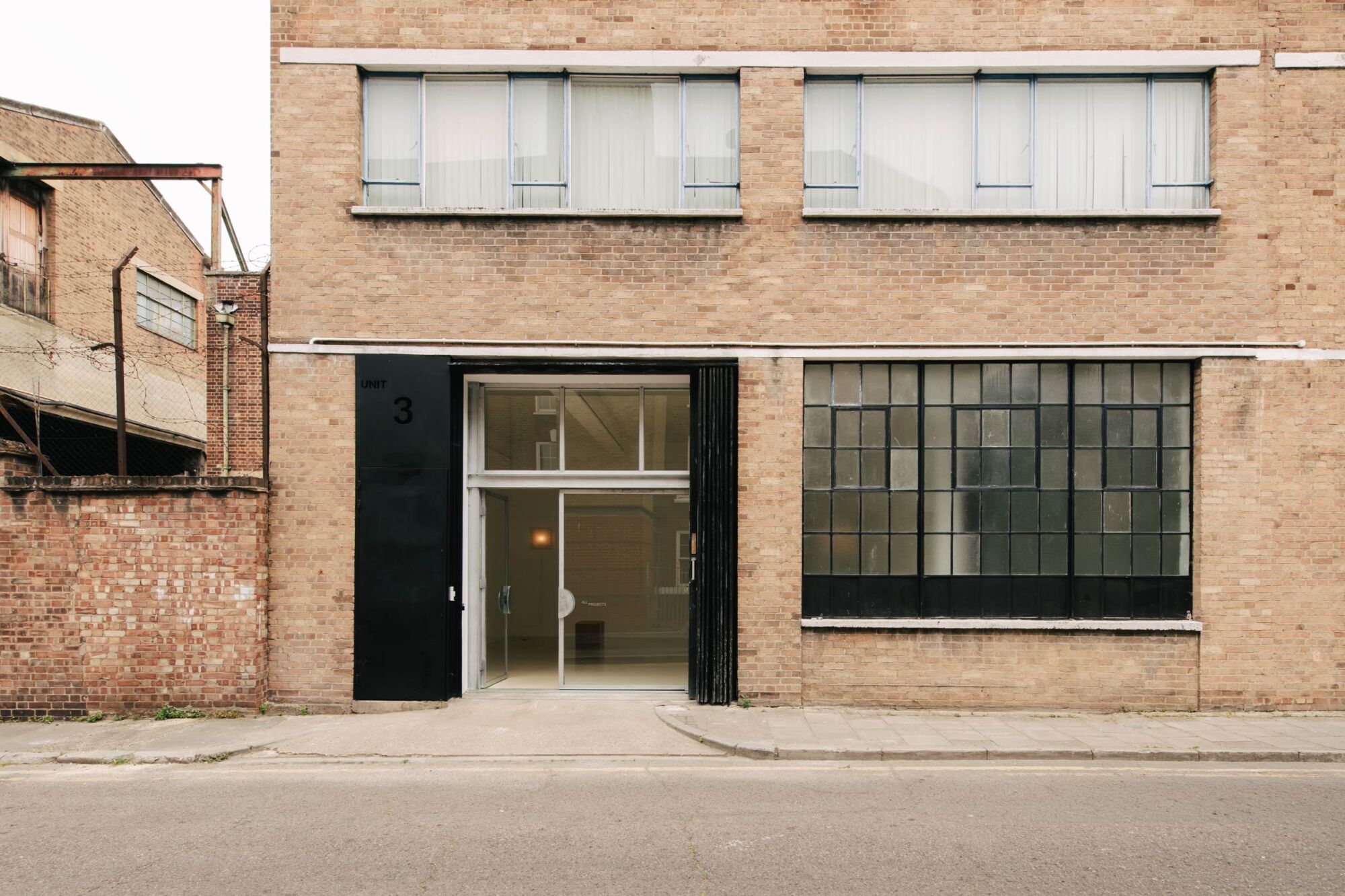
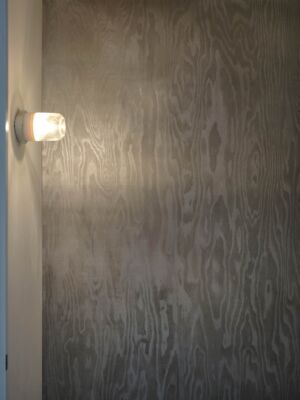
Closely aligned with EBBA’s interests in cultural spaces, the design of the gallery has been envisioned as a place that can adapt as the programming changes. A large galvanised entrance also connects with the idea of connection by opening up entirely to the street. The project has brought together collaborators in the creation of a new space to support culture in London, including a series of events with brands and institutions including Tenderbooks, Space Talk and the Architecture Foundation.
Title: ALL PROJECTS Gallery
Location: London
Year: 2026
Type: Cultural
Status: Concept
Related Projects
08•2025
08•2025
Basalt House
Basalt House
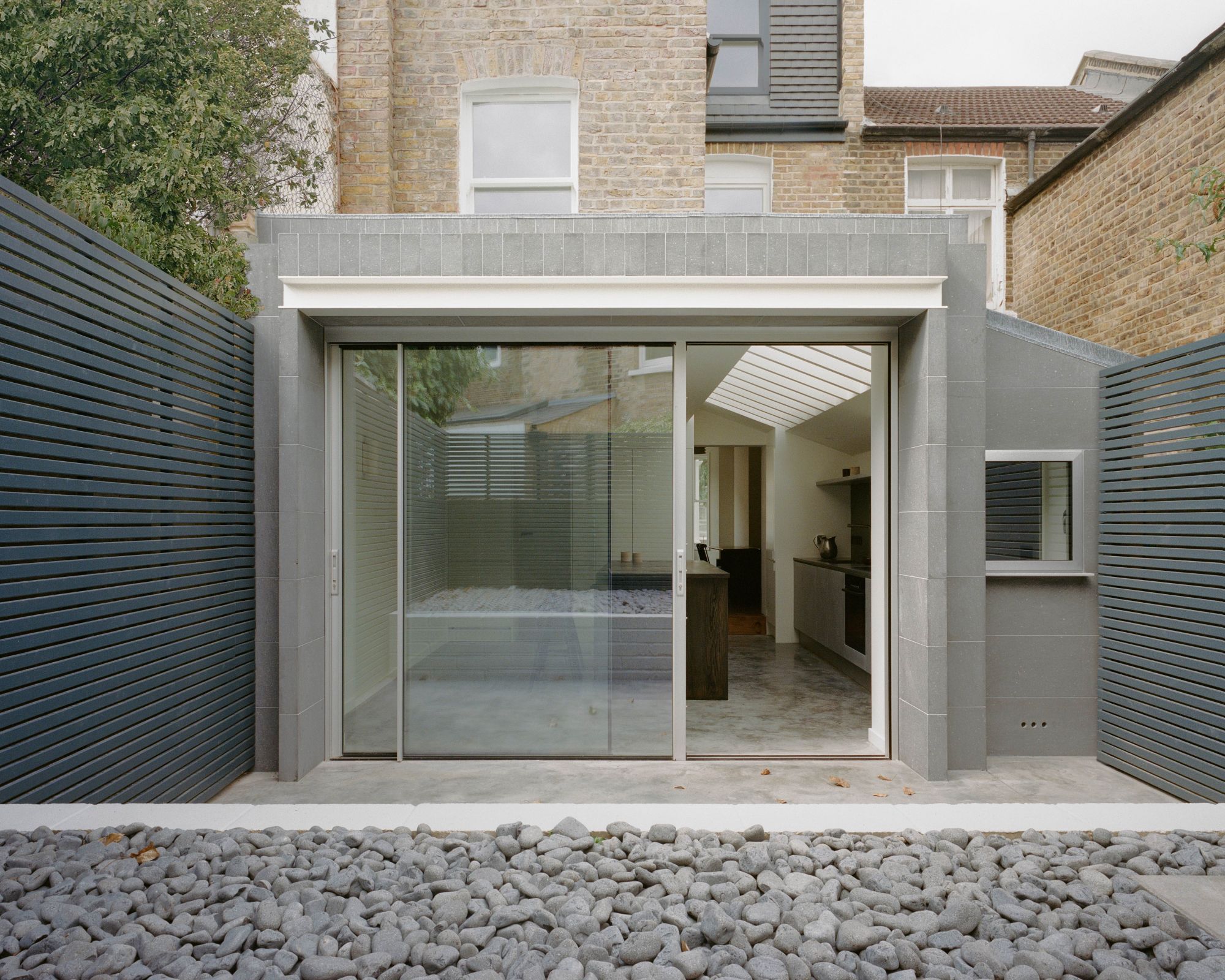
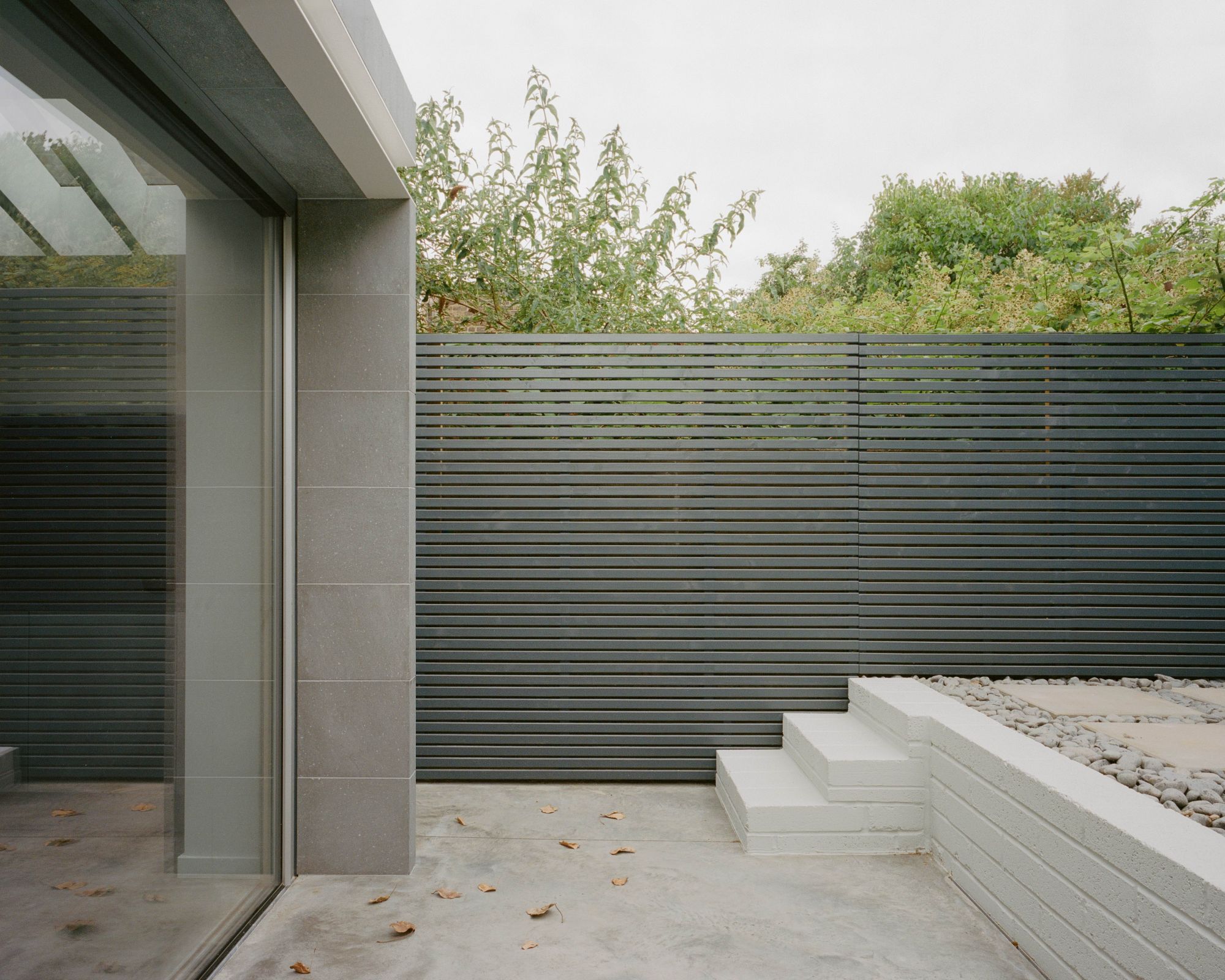
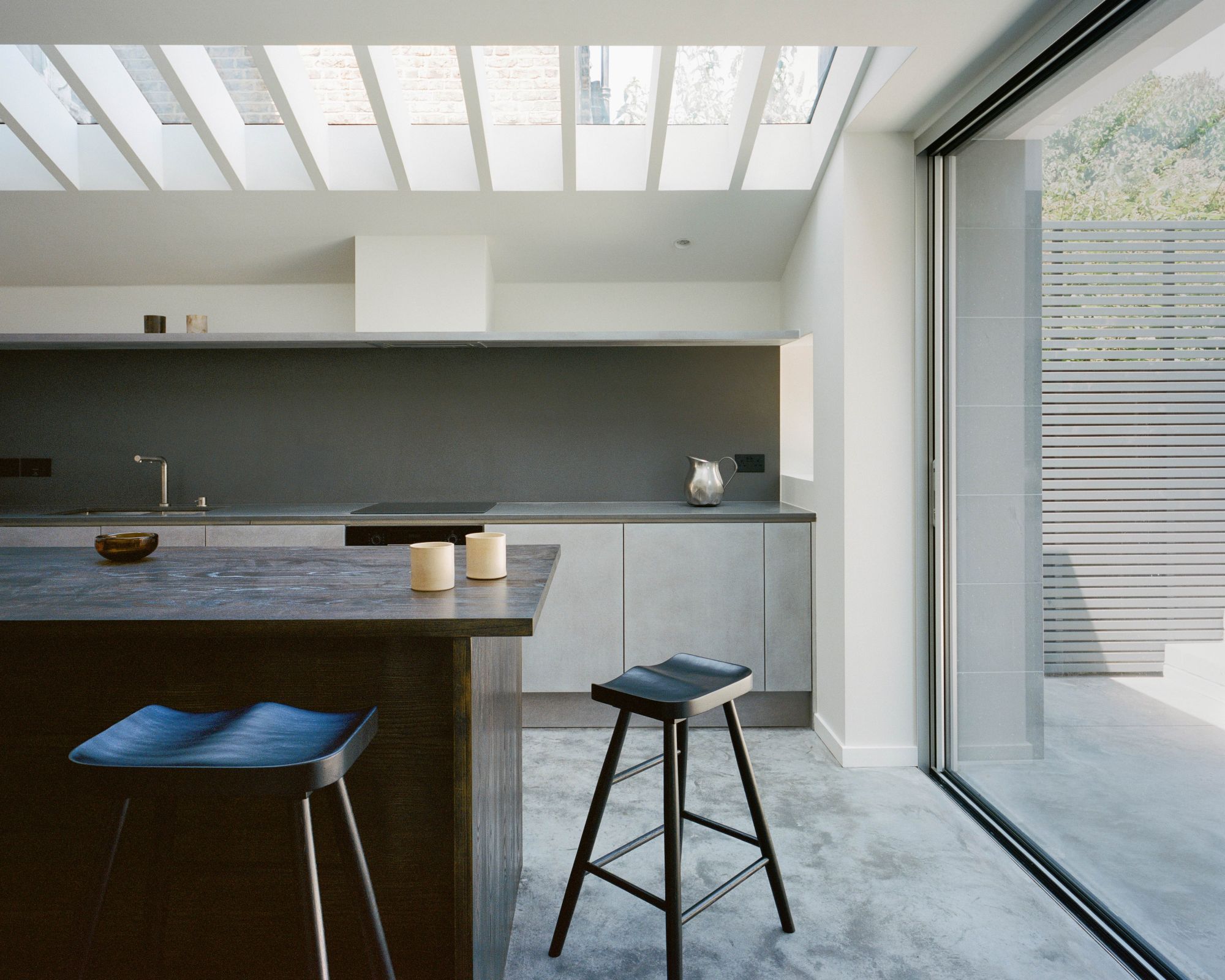
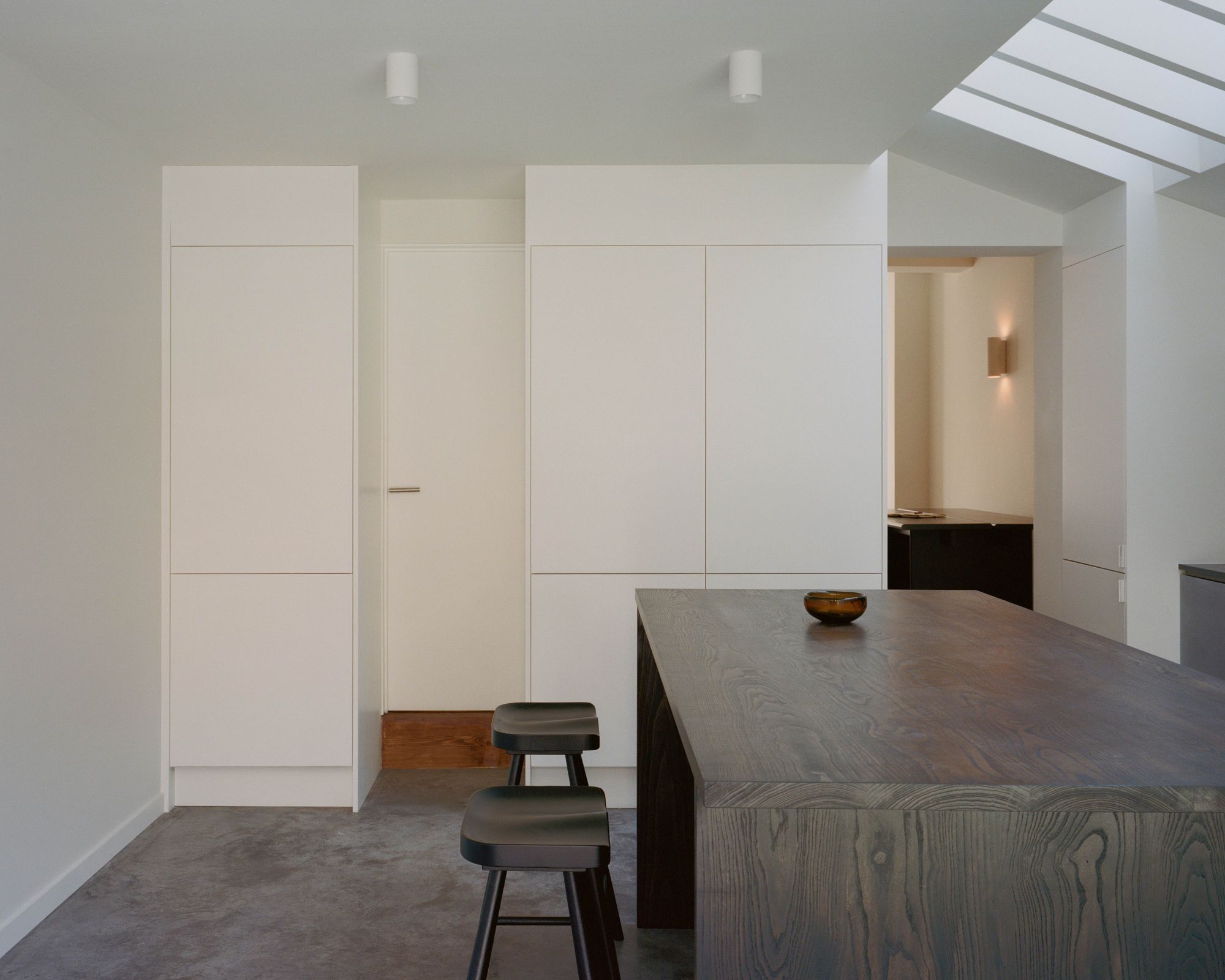
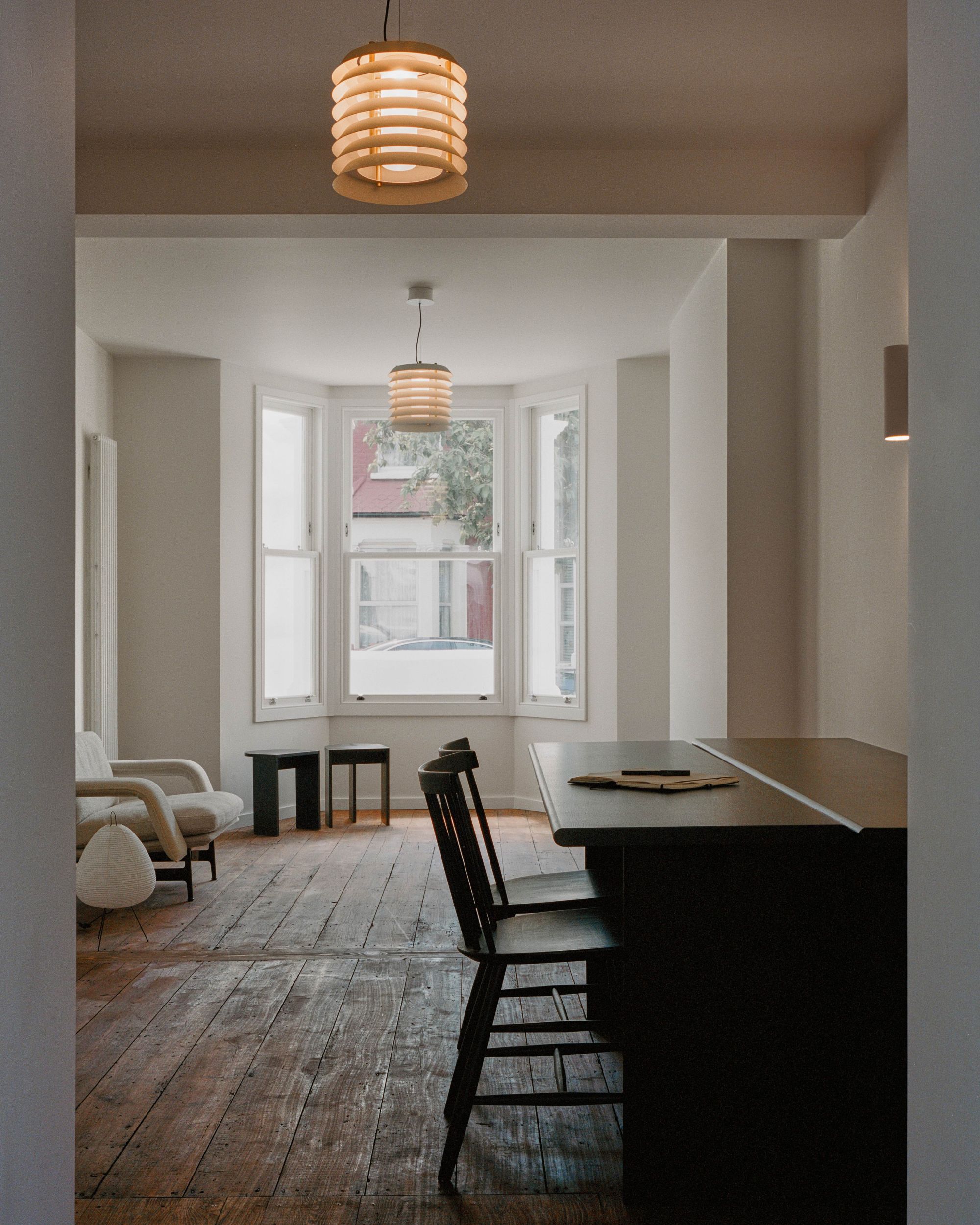
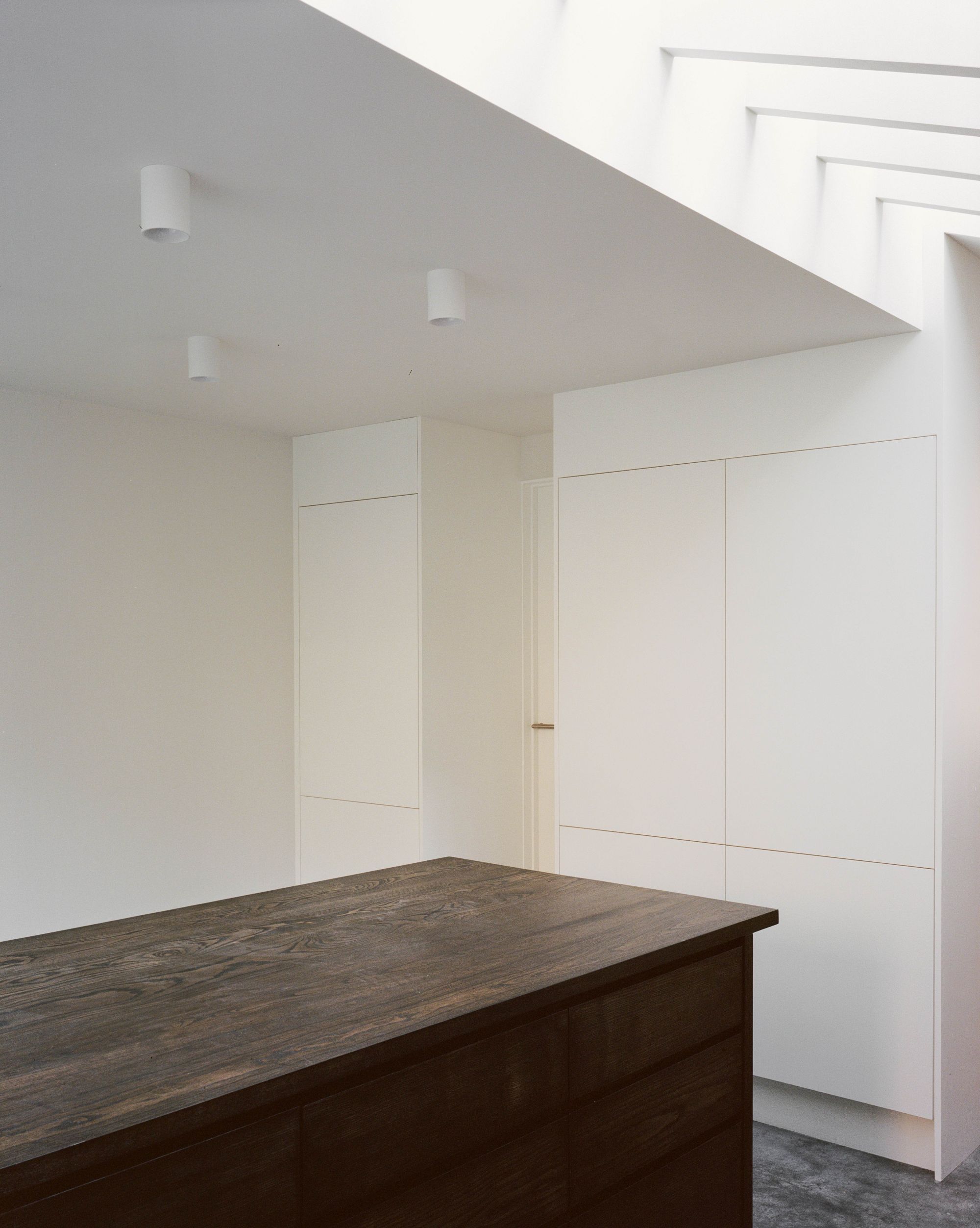
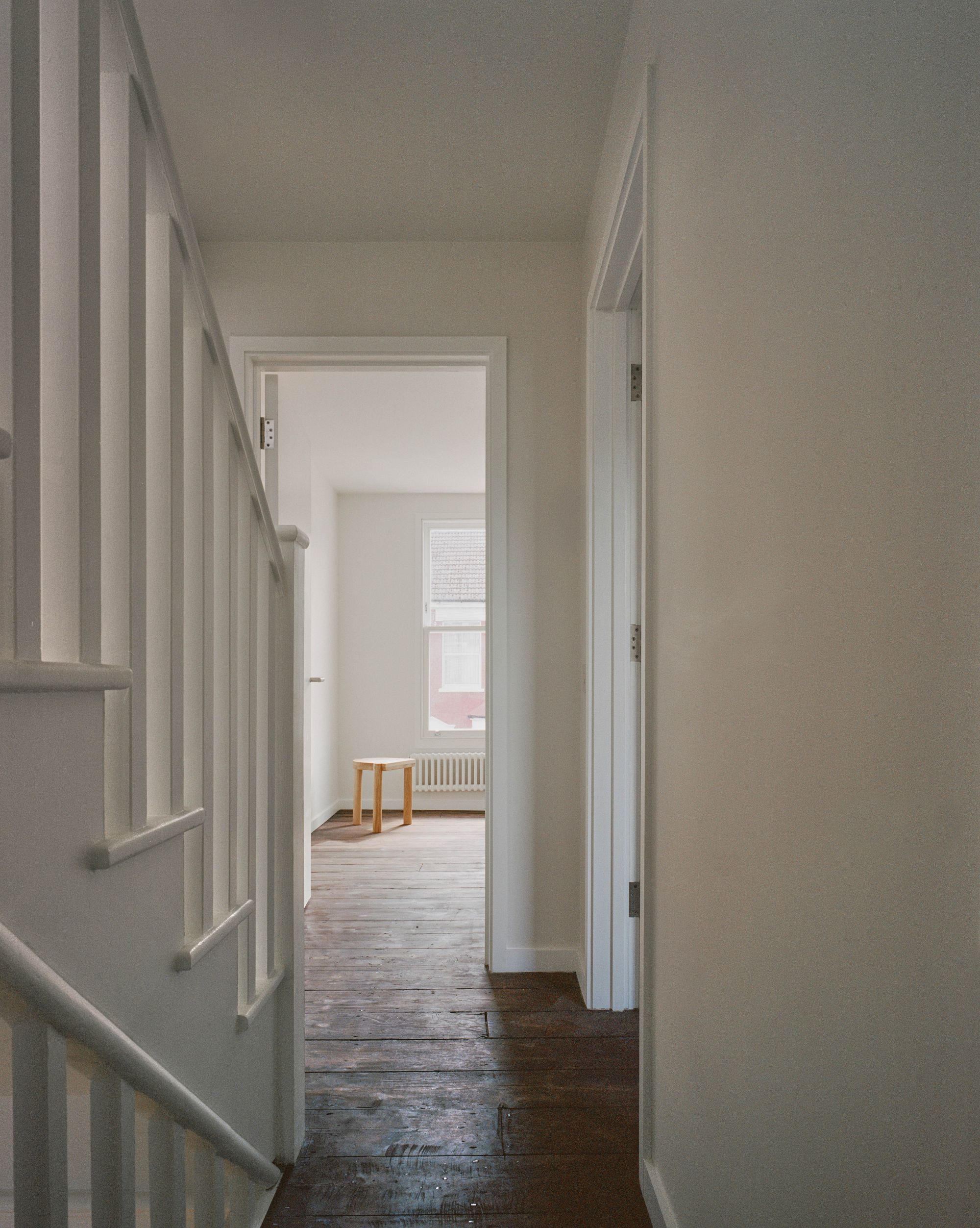
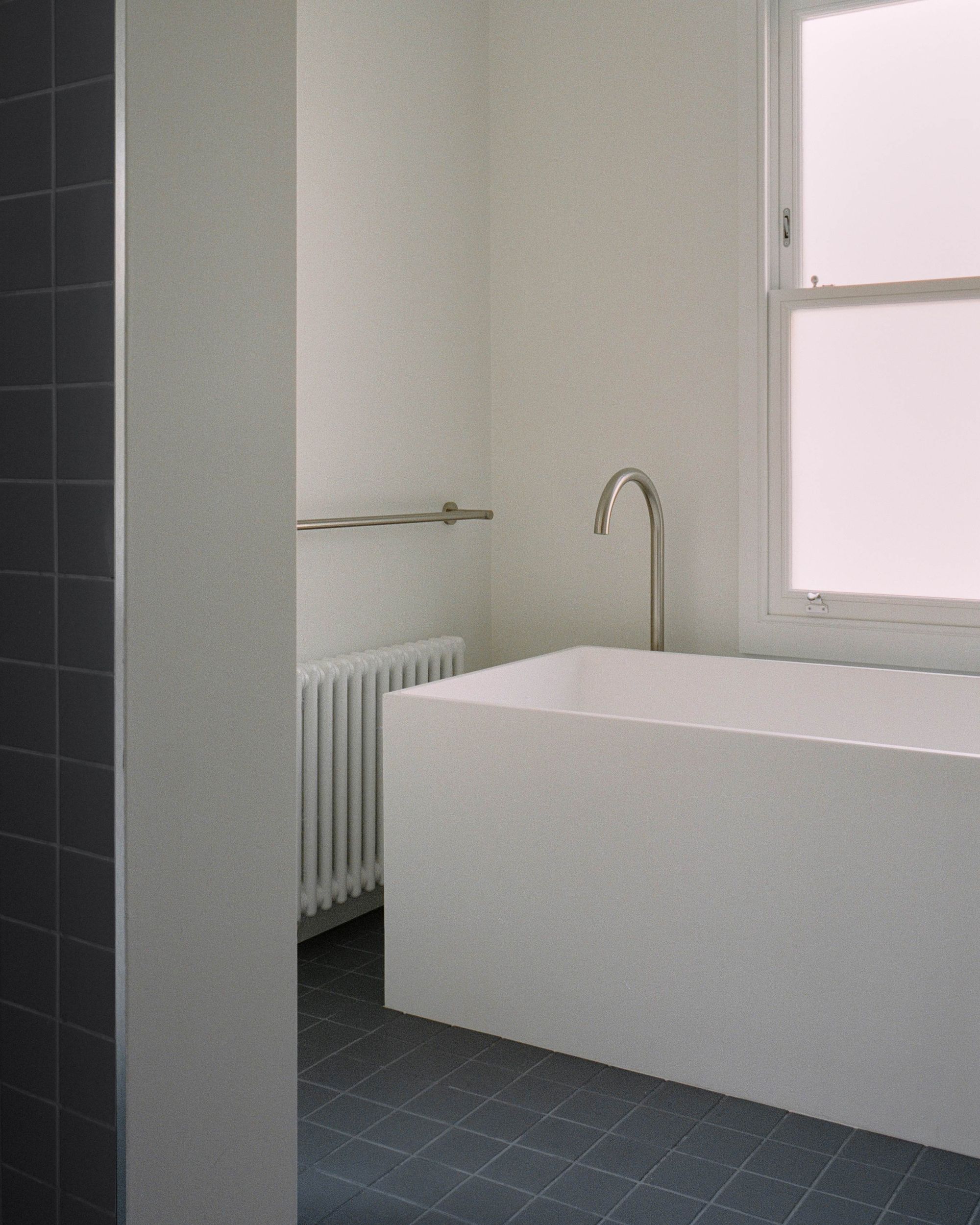
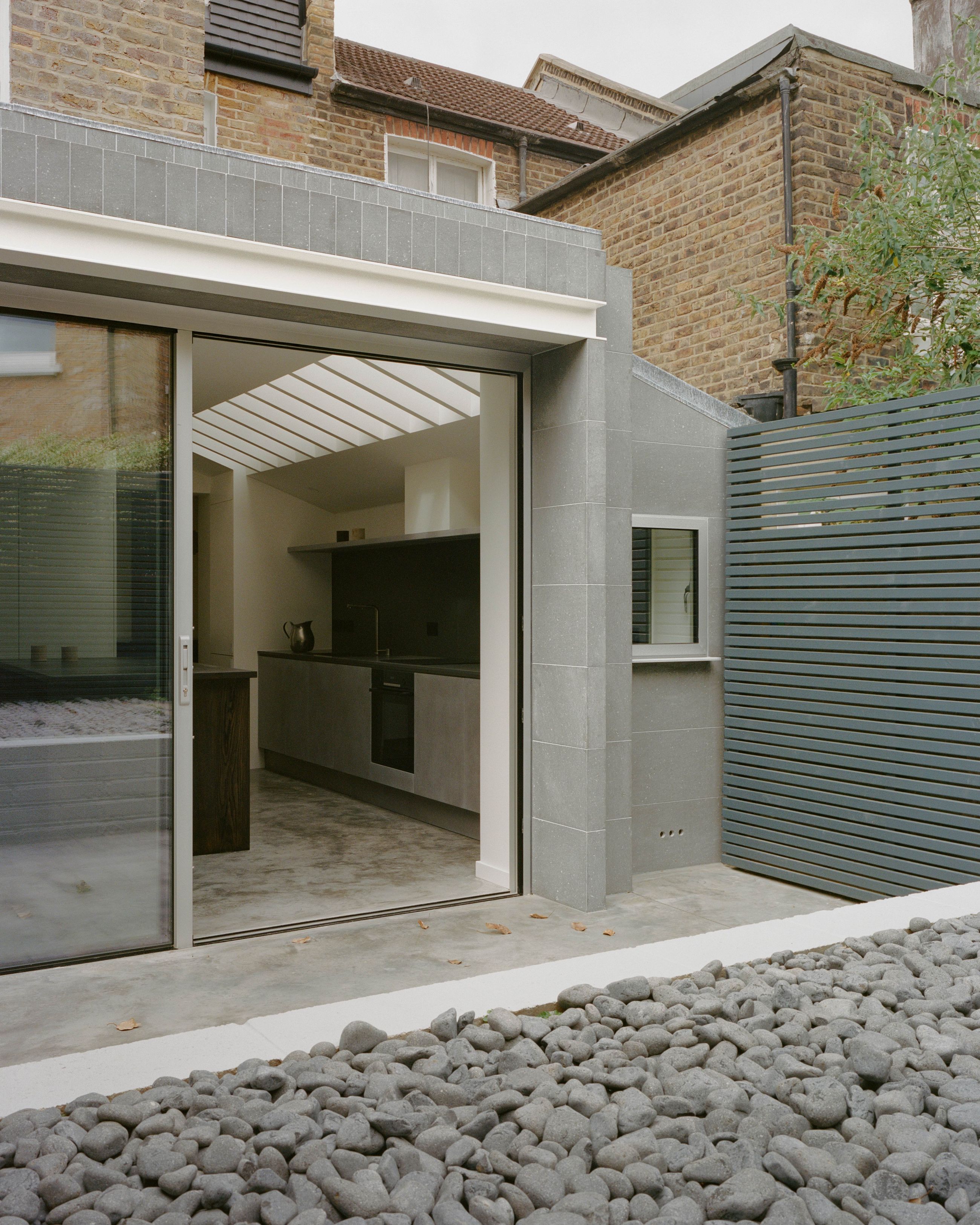
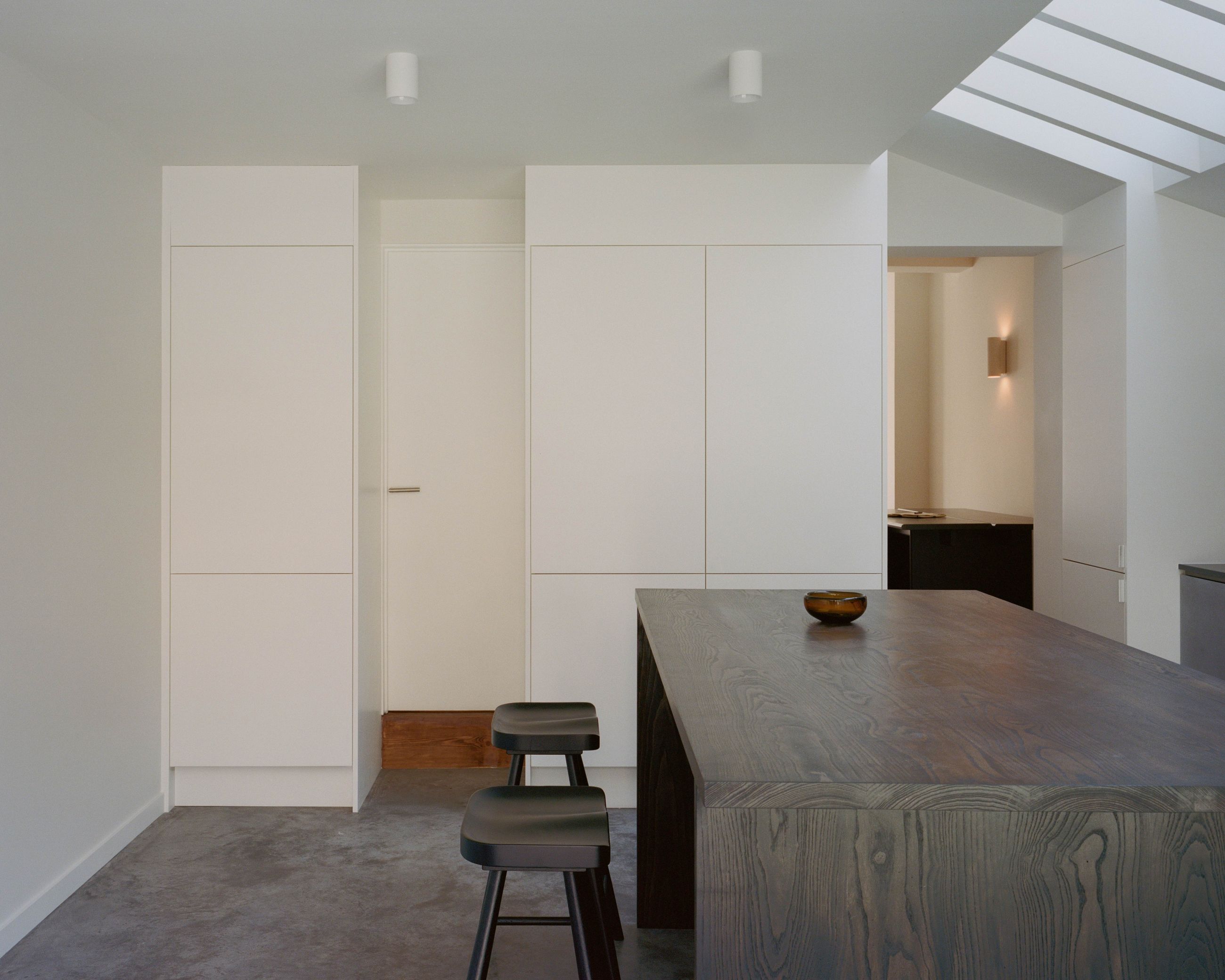
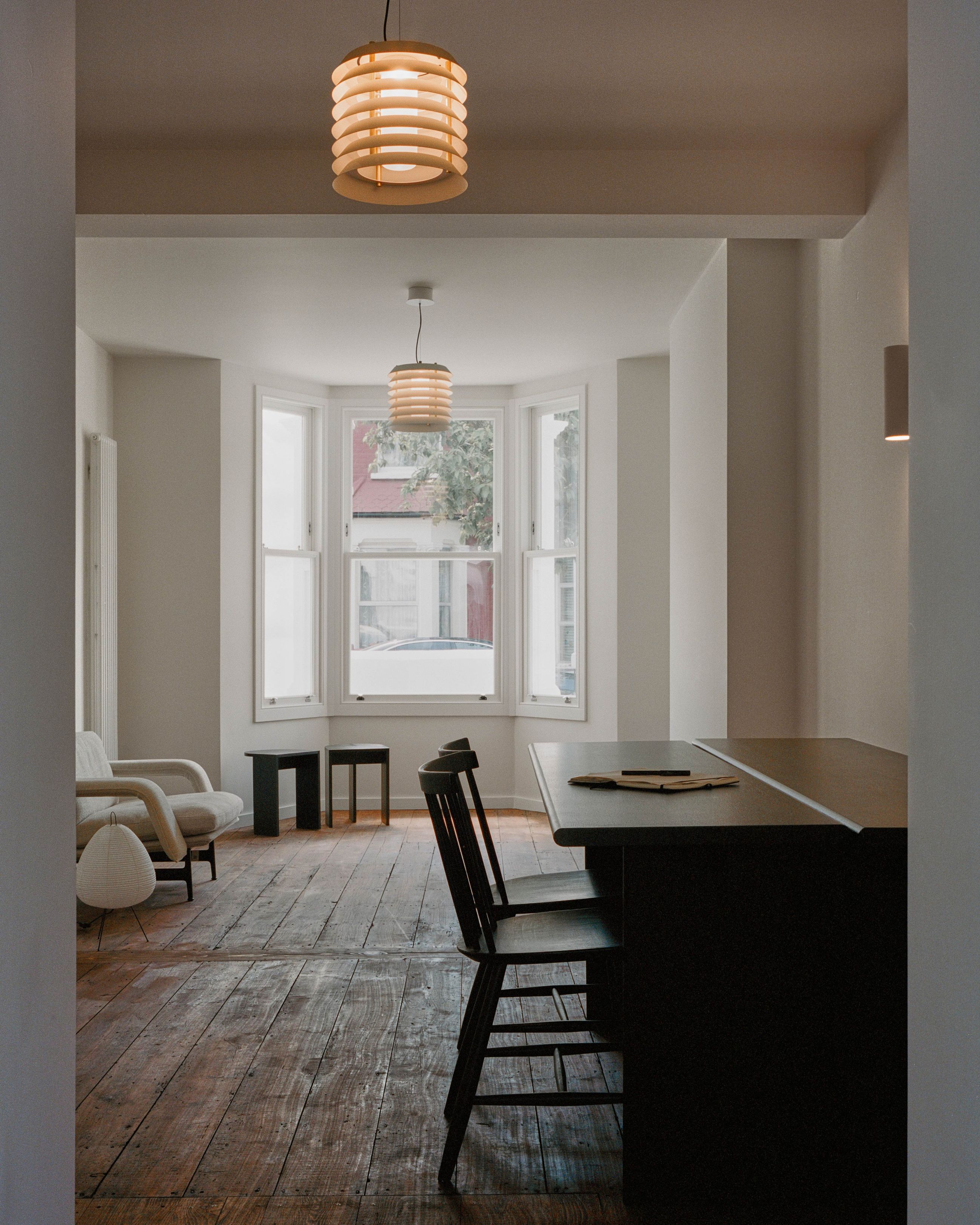
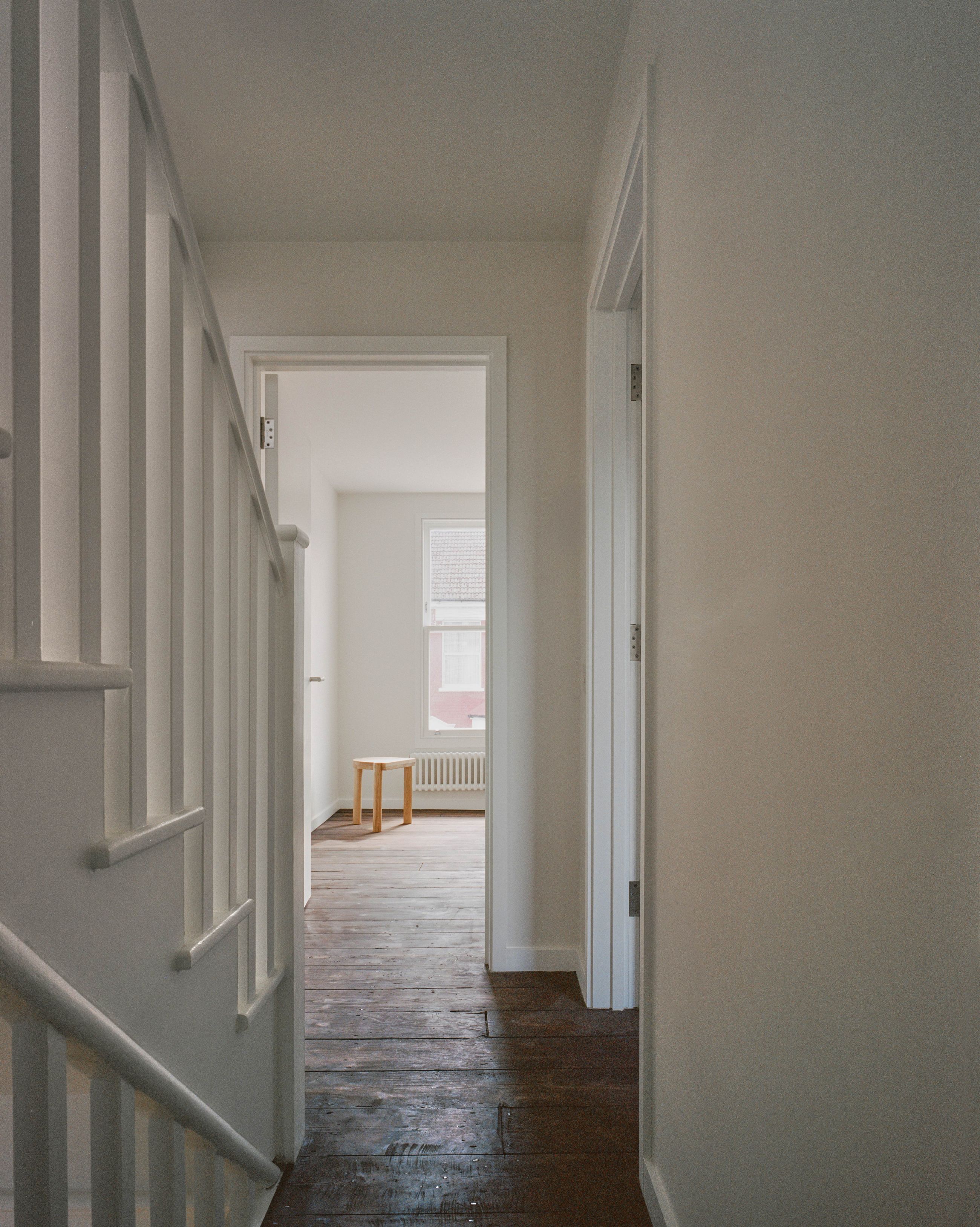
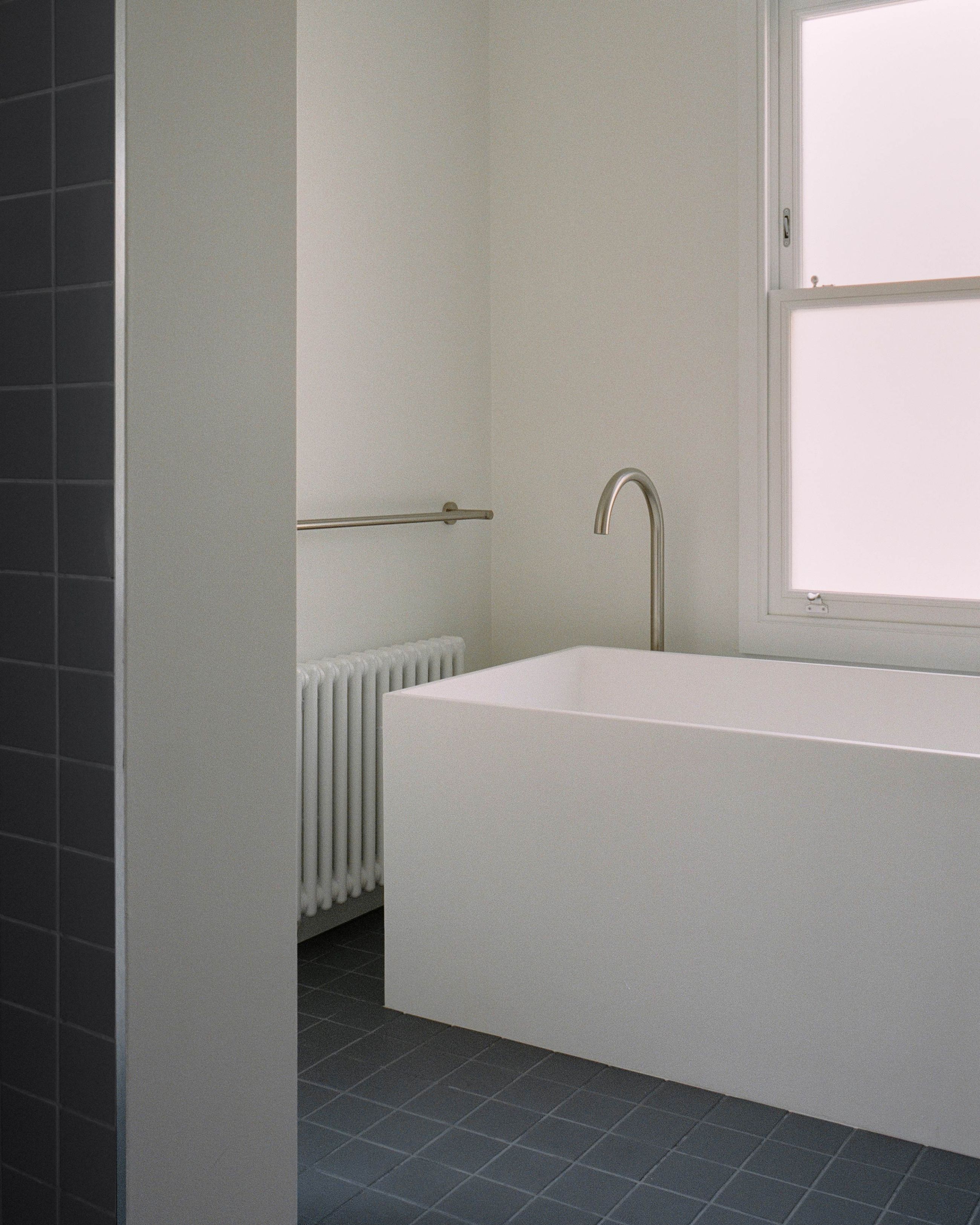
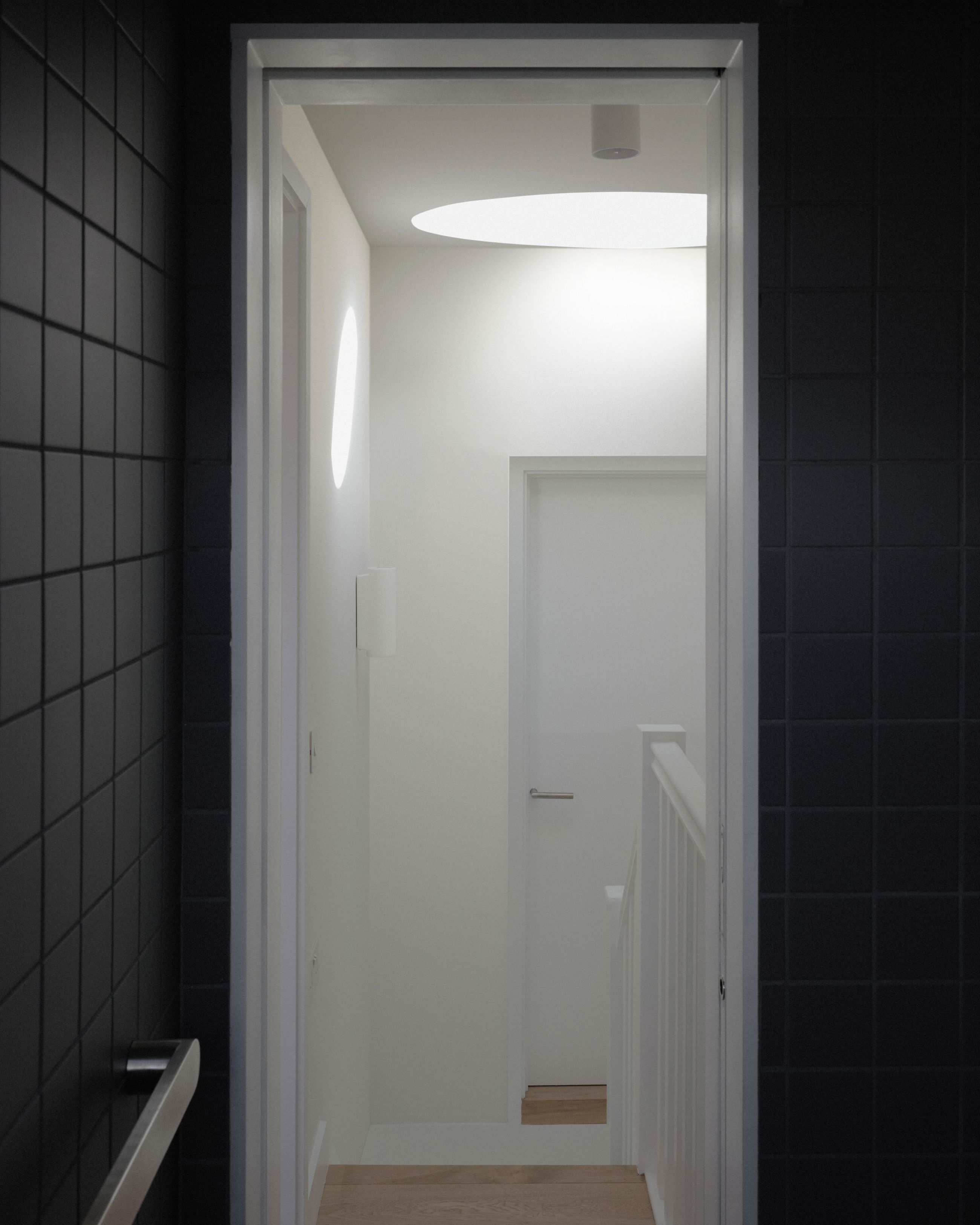
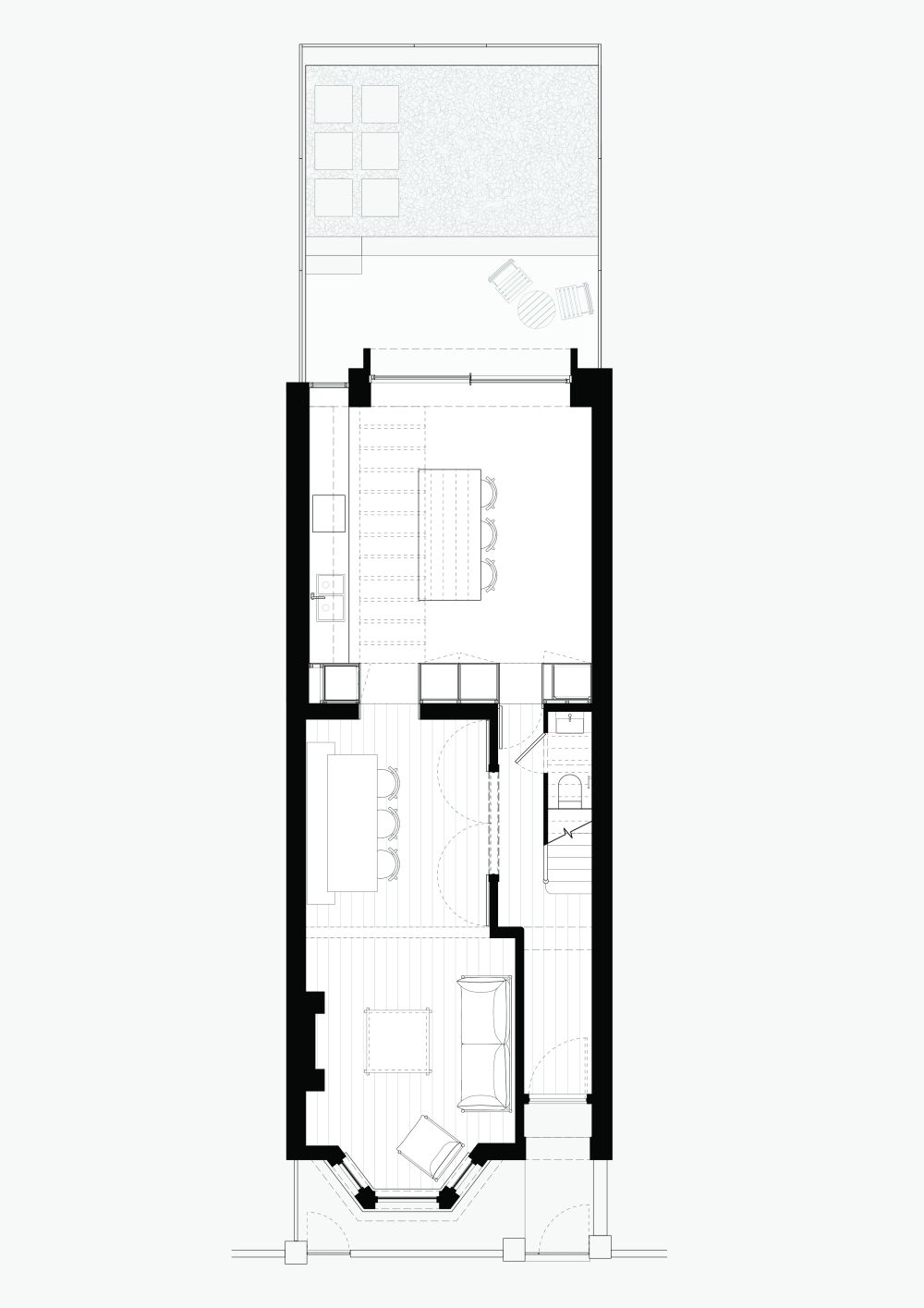
Basalt House is a thoughtfully conceived renovation and extension of a Victorian terrace in North-West London, designed by EBBA Architects, a London-based studio known for their refined, materially driven architecture. With a strong focus on craft, context, and atmosphere, EBBA’s work often bridges the past and present in subtle, striking ways and Basalt House is a clear expression of that ethos.
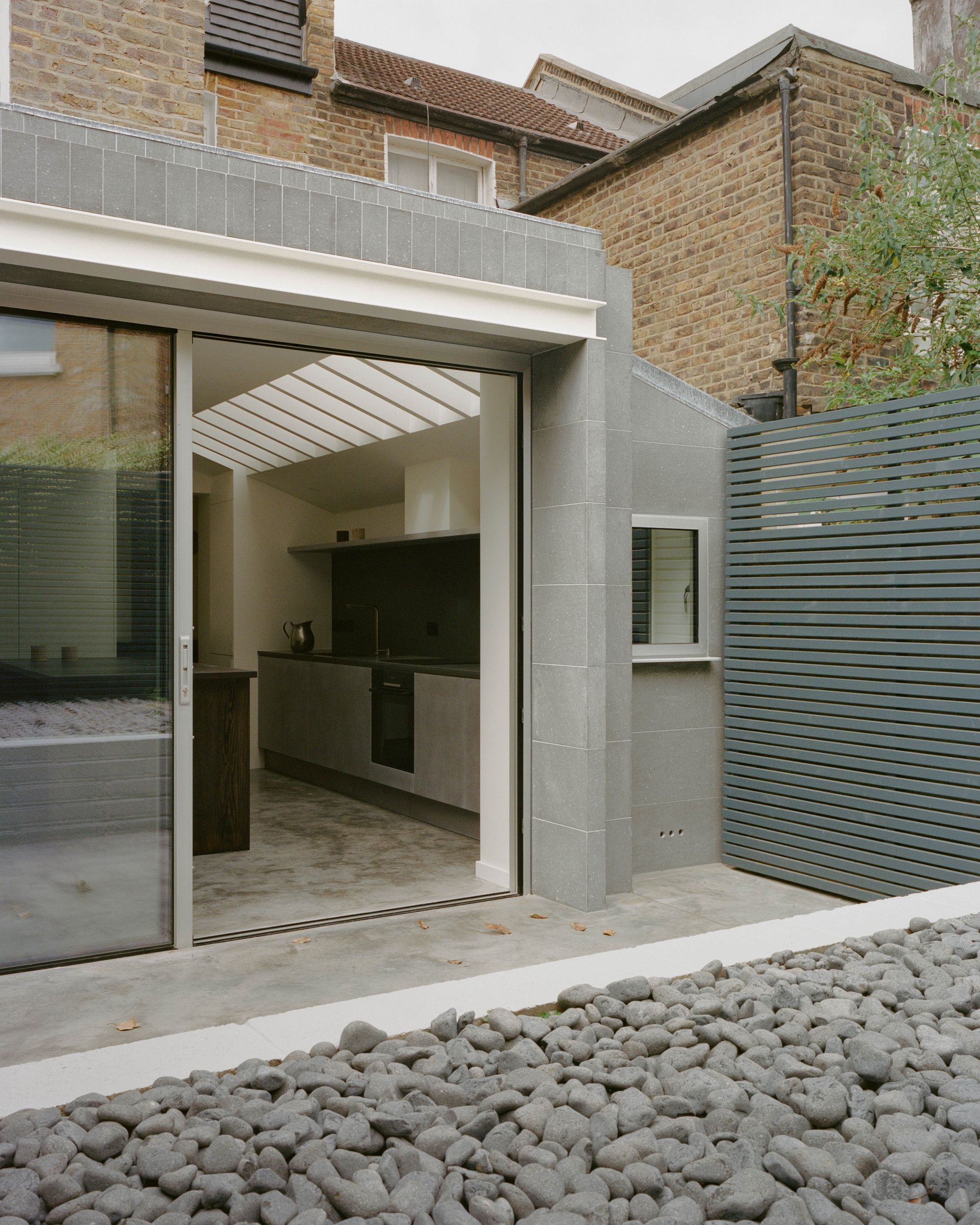
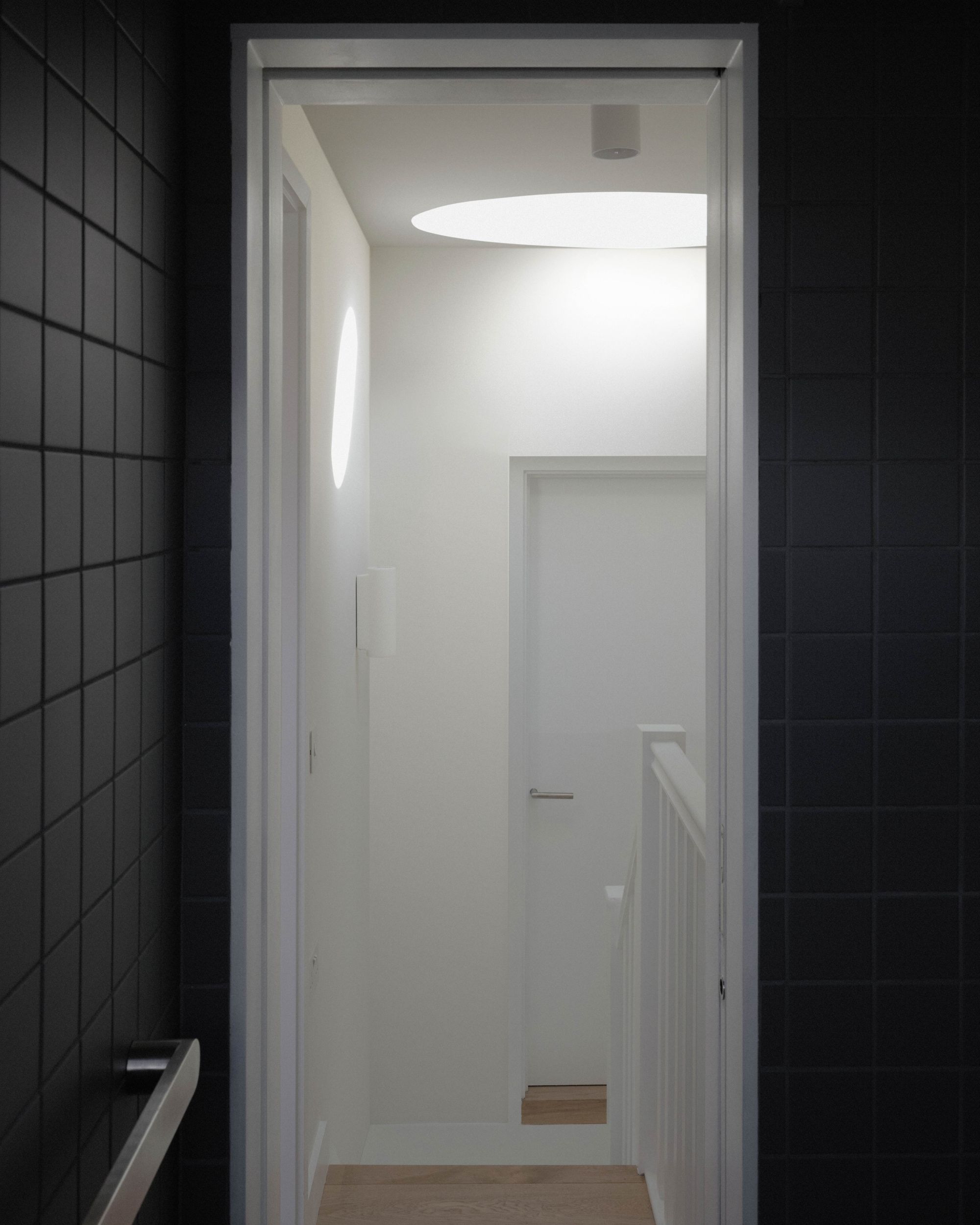
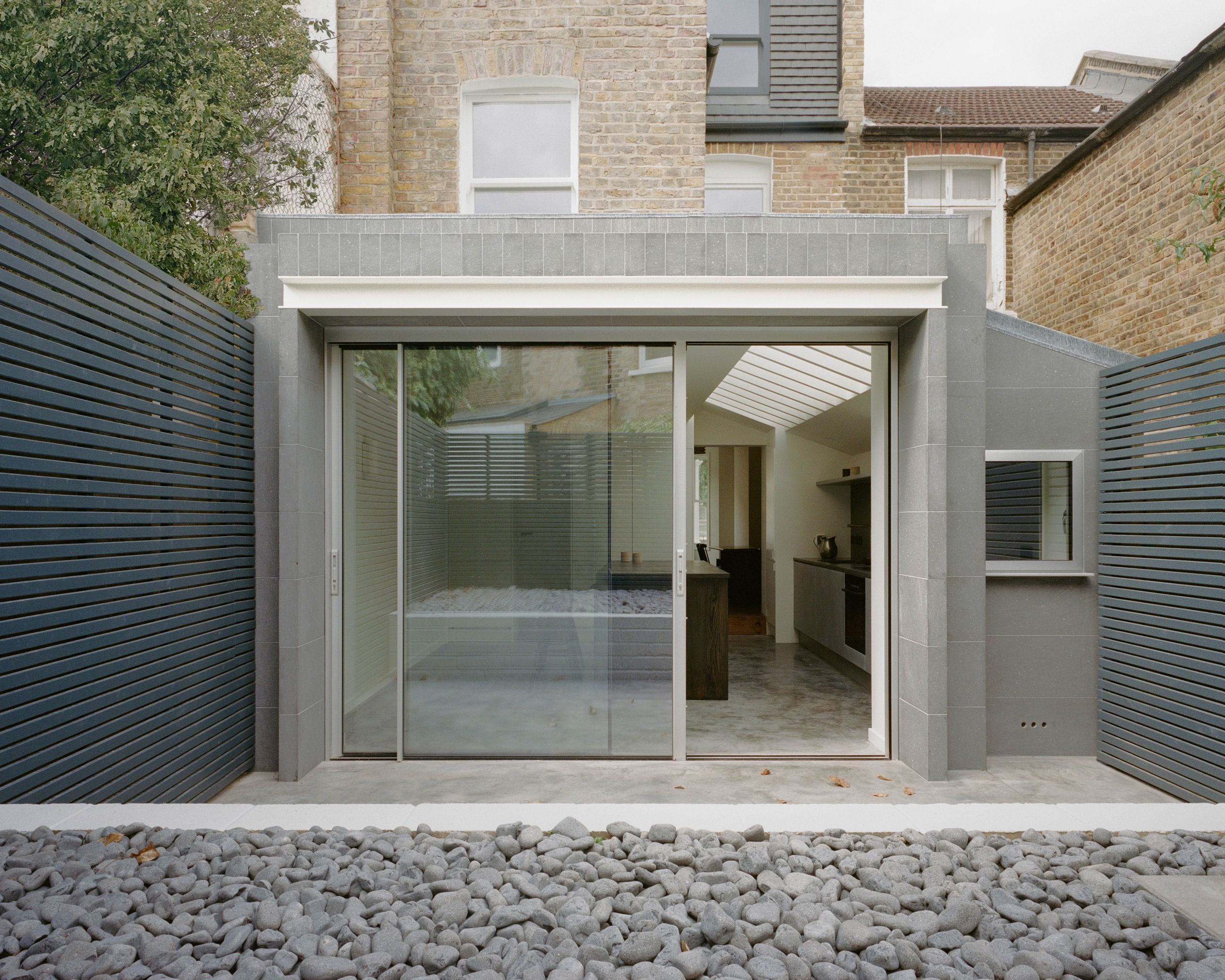
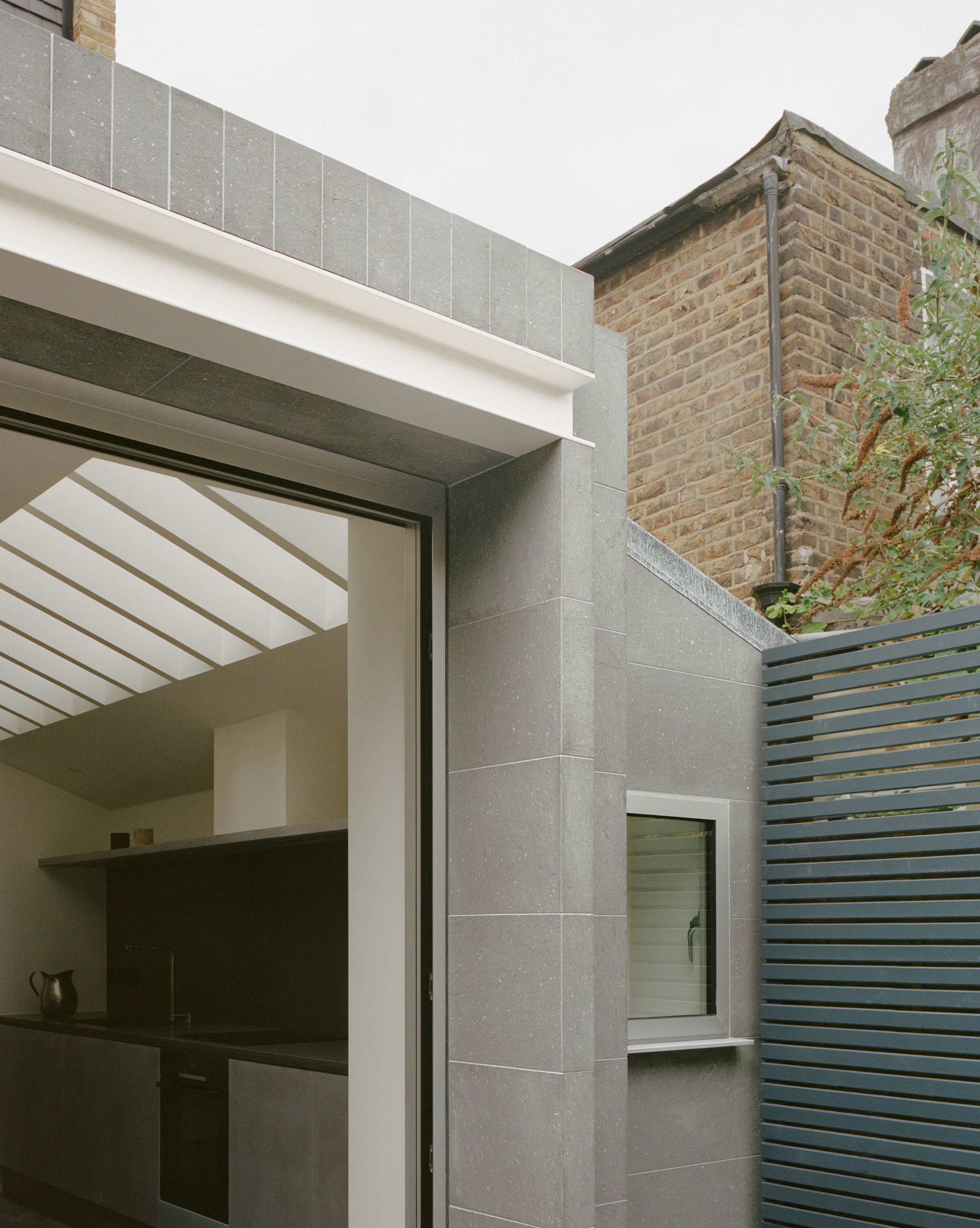
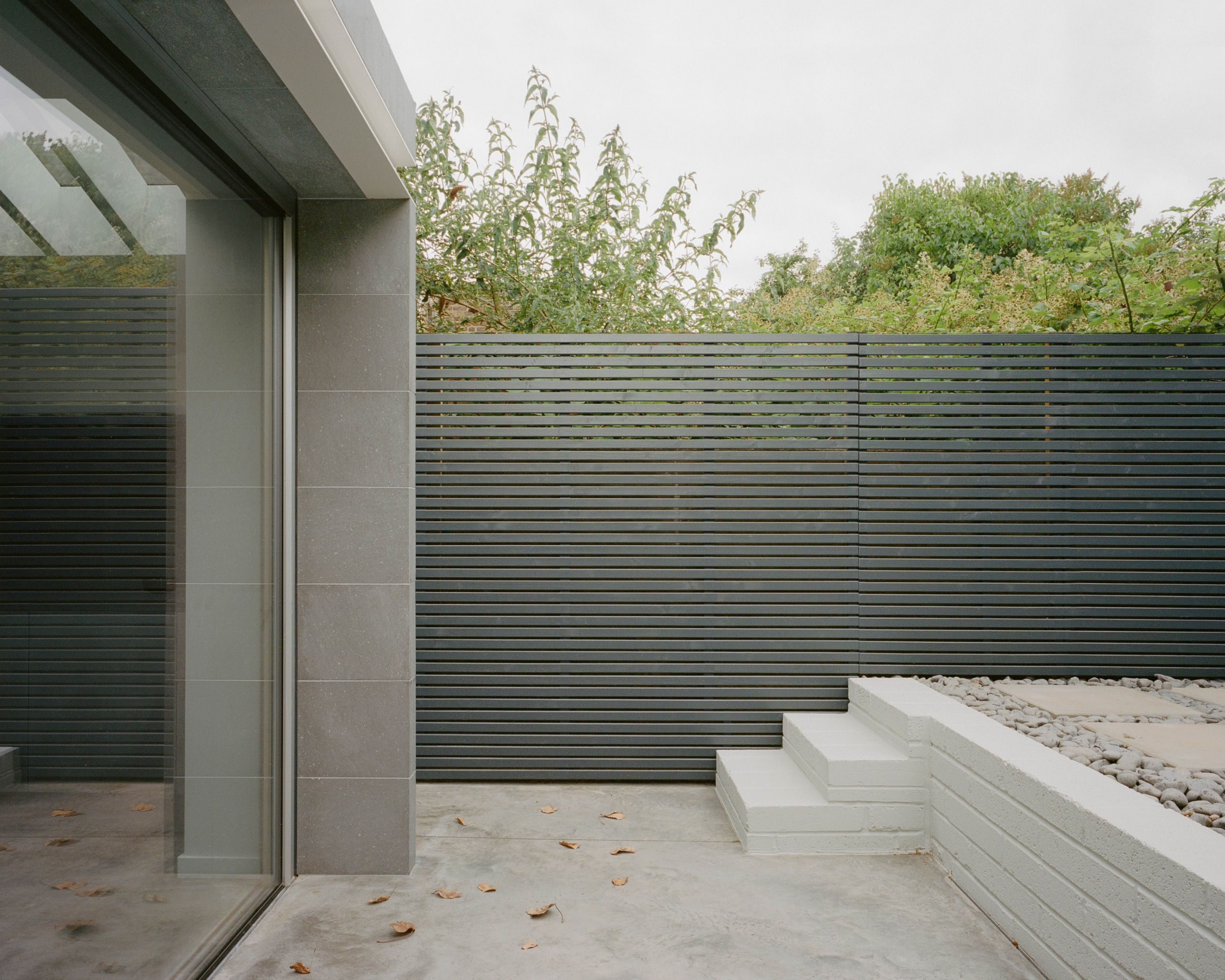
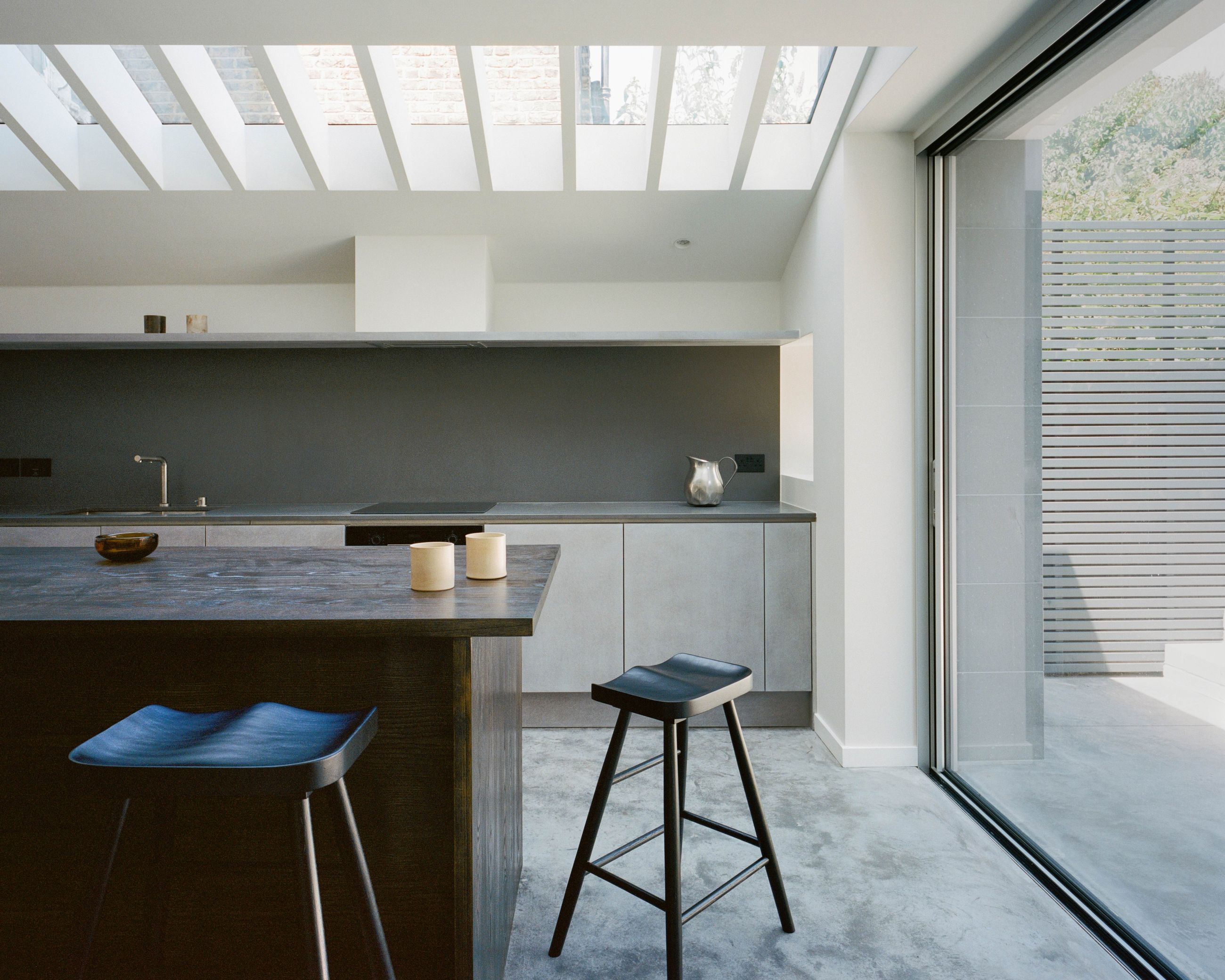
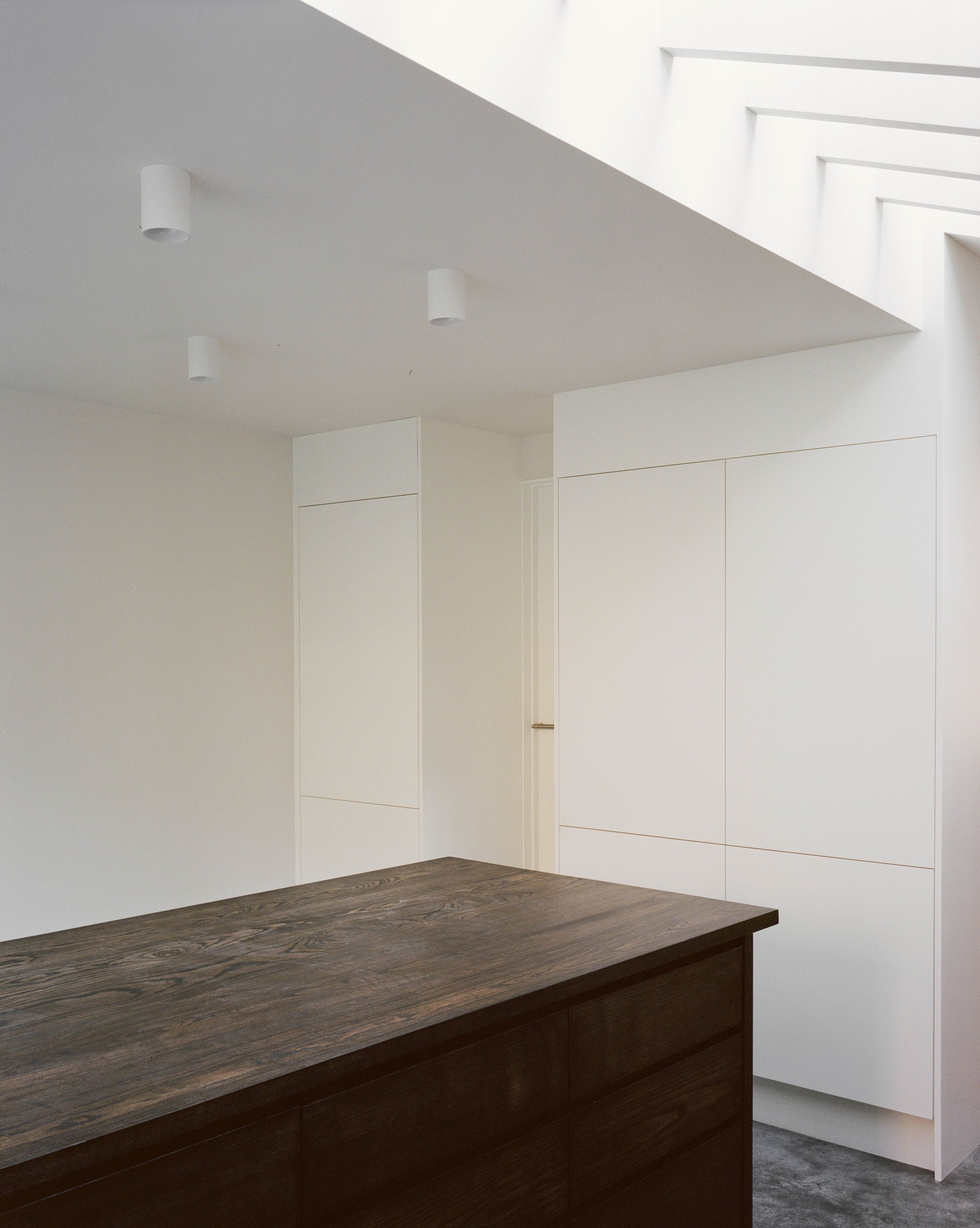
The project blends historic character with contemporary interventions, revitalising the home through a bold rear extension in richly textured basalt stone and a loft conversion crowned by an organically shaped skylight. This new architectural language brings natural light deep into the home, with daylight cascading from the loft down through the core of the house, connecting all levels in a gentle, cohesive rhythm.
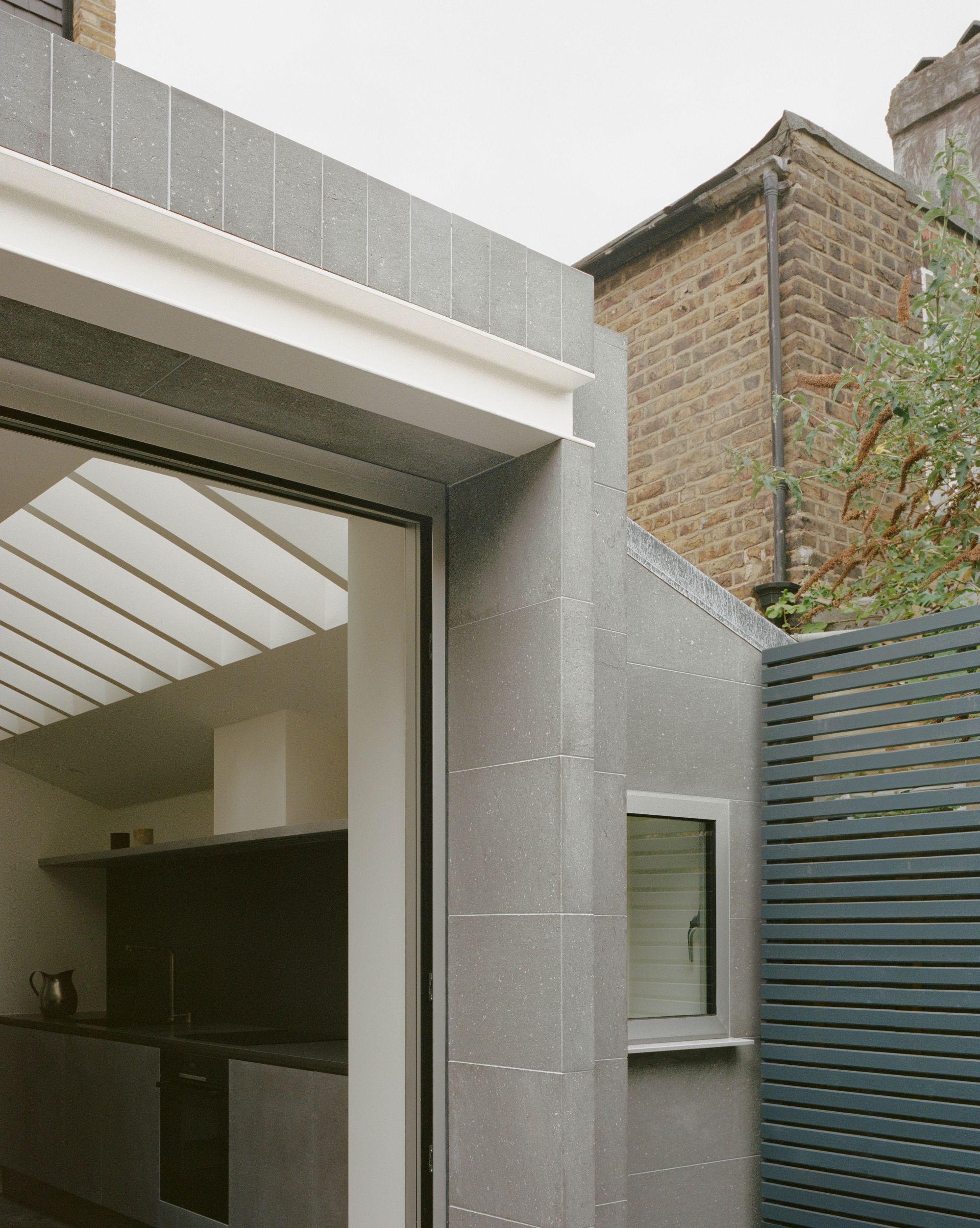
At the rear, the use of basalt stone adds depth and texture, complemented by an exposed steel lintel that introduces a subtle industrial edge. The juxtaposition of the stone’s soft, earthy tones with the steel’s clean, structural lines creates a calm, grounded atmosphere that feels contemporary yet in harmony with the building’s Victorian origins.
Title: Basalt House
Location: London
Year: 2025
Client: Private
Photographs: Rikard Kahn
Type: Dwelling
Status: Completed
Related Projects
05•2022
05•2022
Townhouse
Townhouse
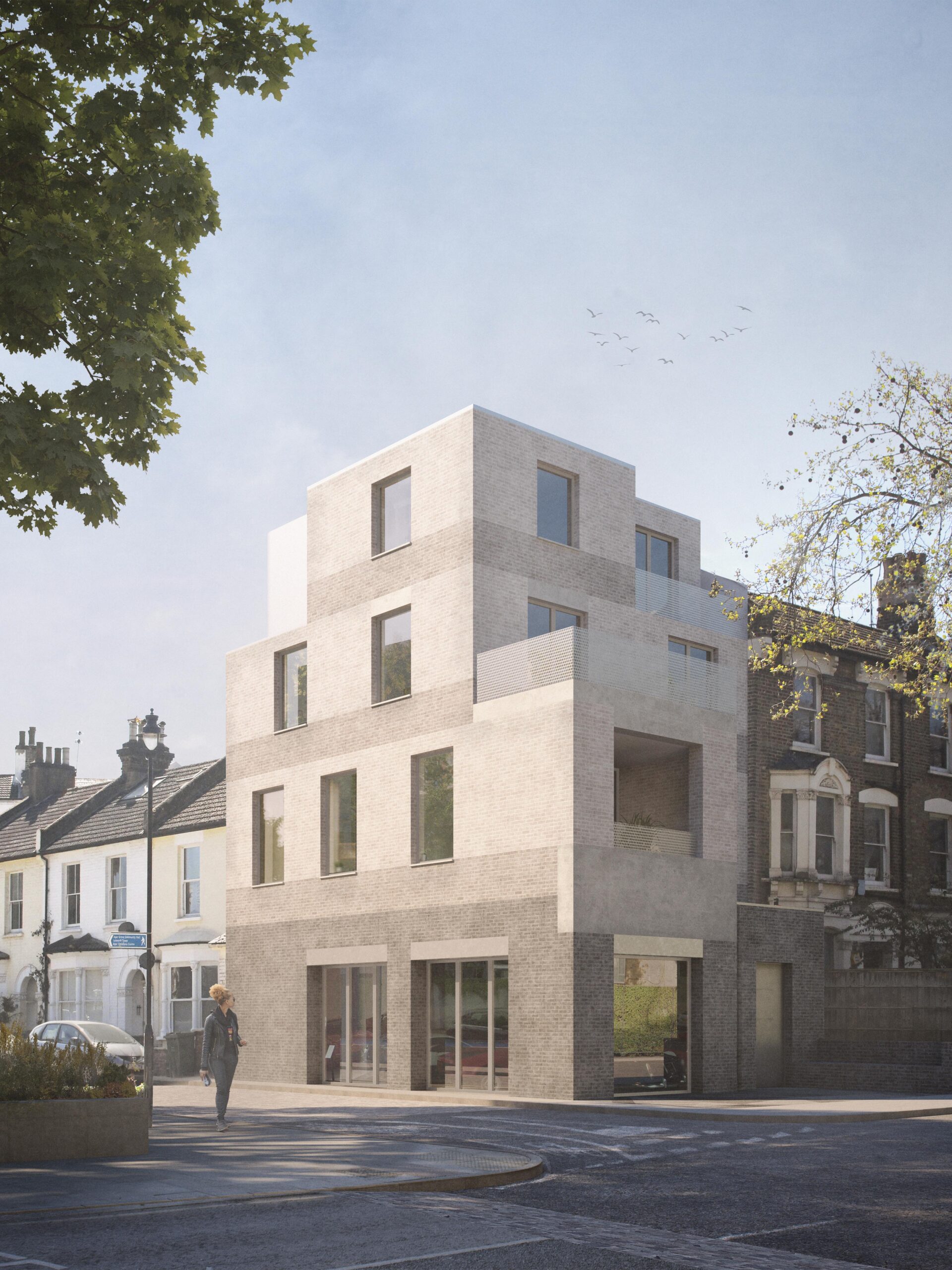
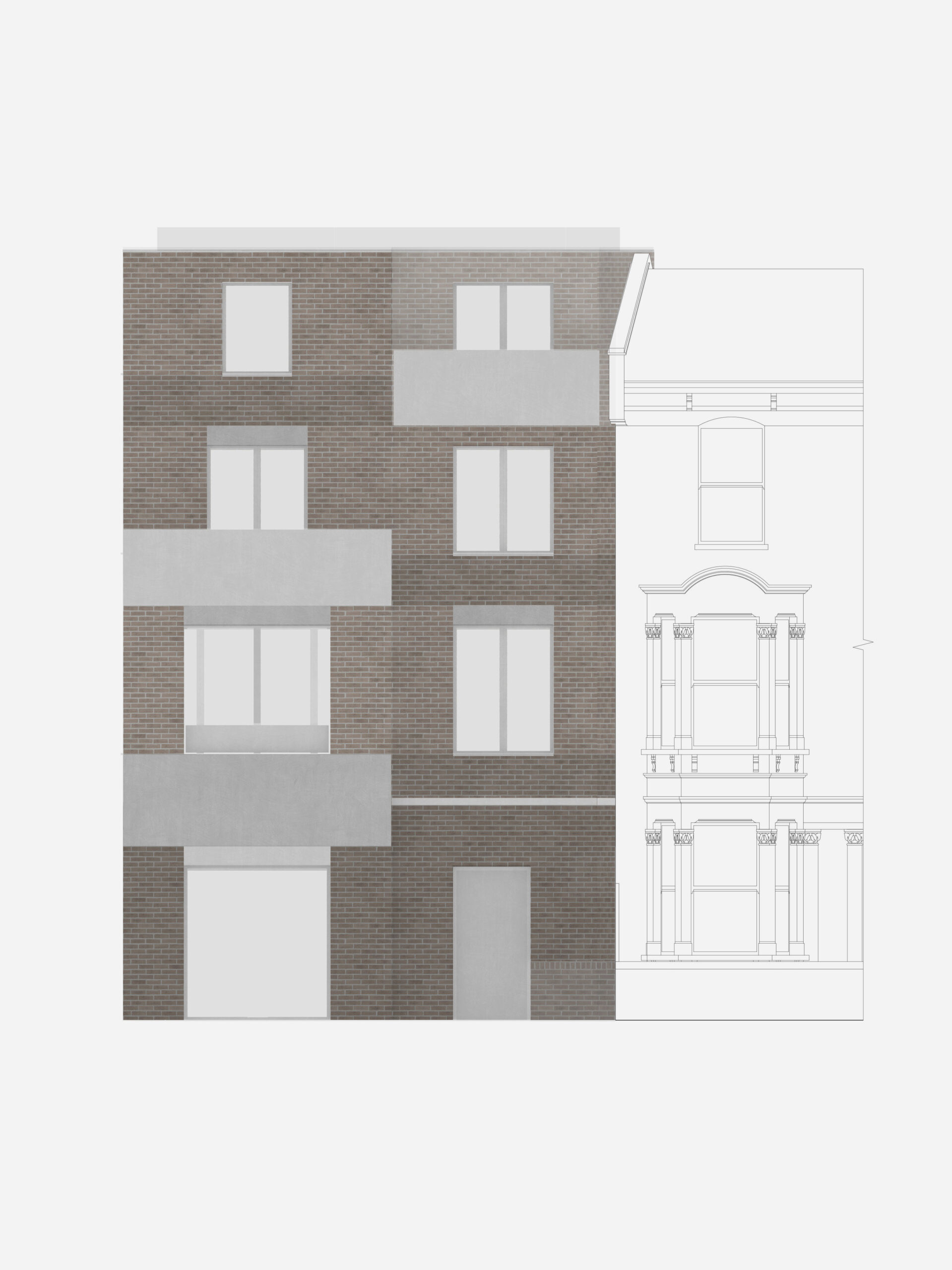
EBBA have been working on an ambitious scheme for a prominent corner site to provide three units over a showroom. The building takes on the proportions of the traditional townhouse typology while its form addresses the constraints of the plot. A bay projects out to mimic the buildings next door while strong banding in different brickwork helps to break down the scale.
Title: Townhouse
Location: London
Year: 2021
Client: Private
Type: Dwelling
Status: in progress
Related Projects
05•2022
05•2022
Jesus College
Jesus College
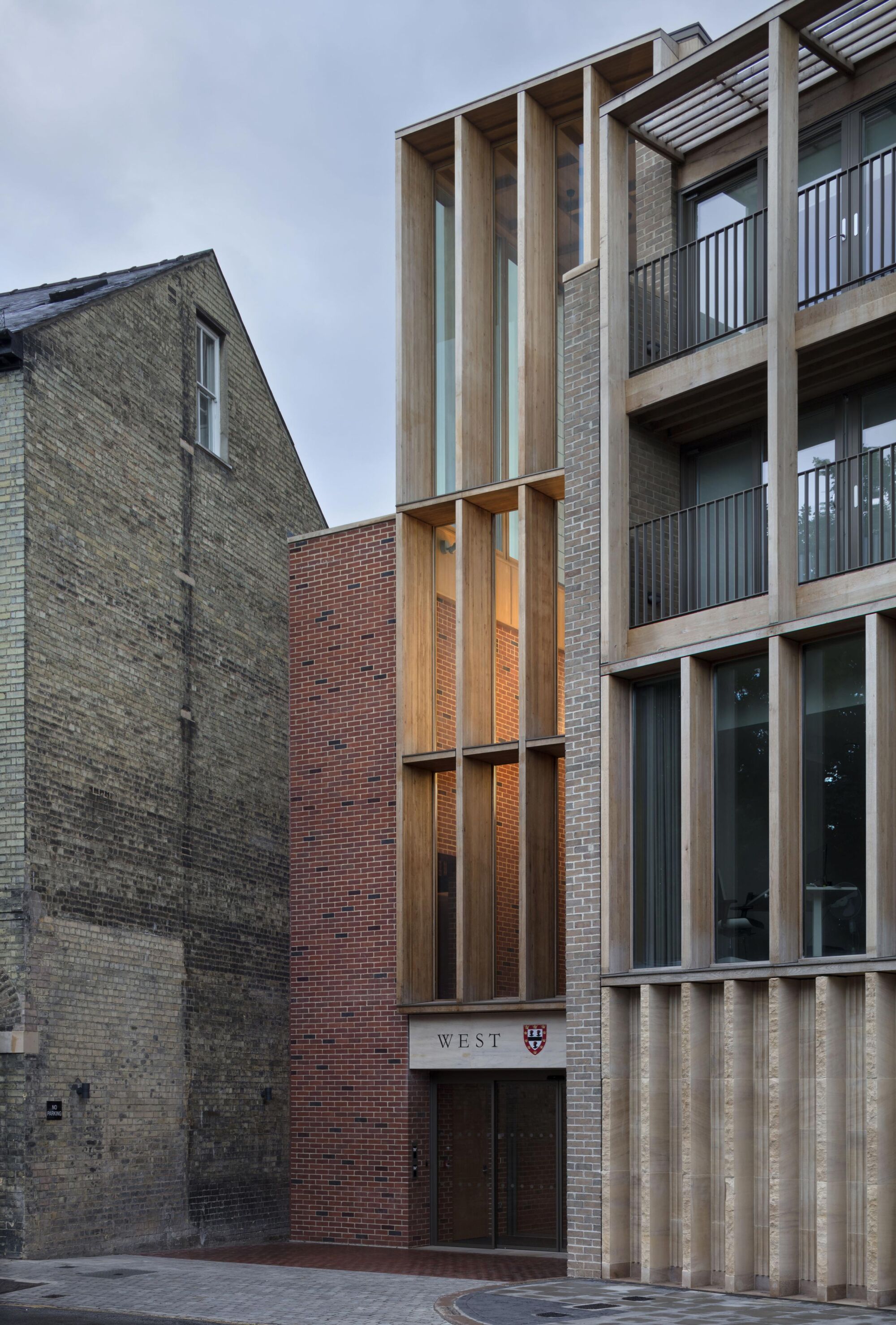
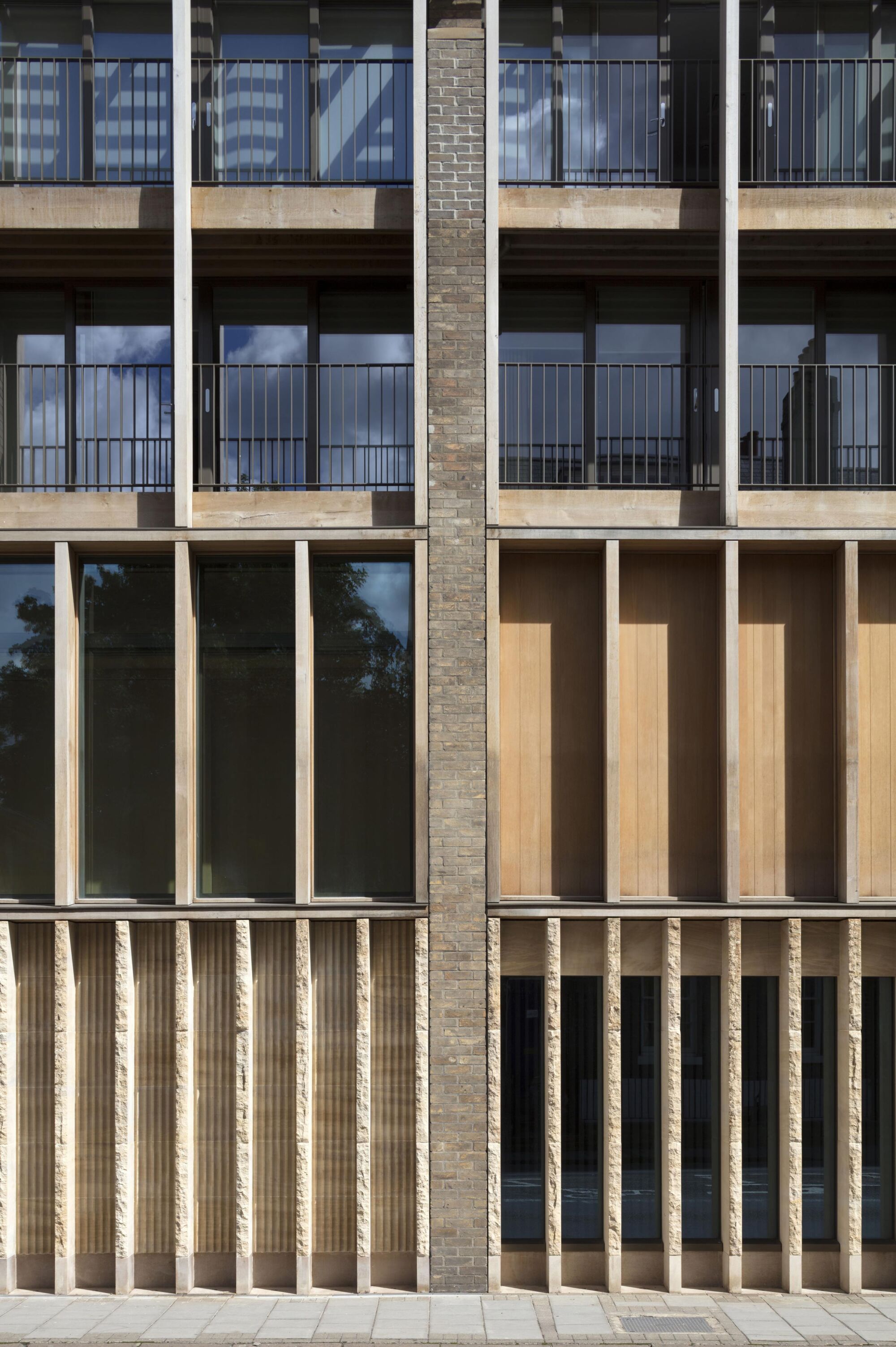
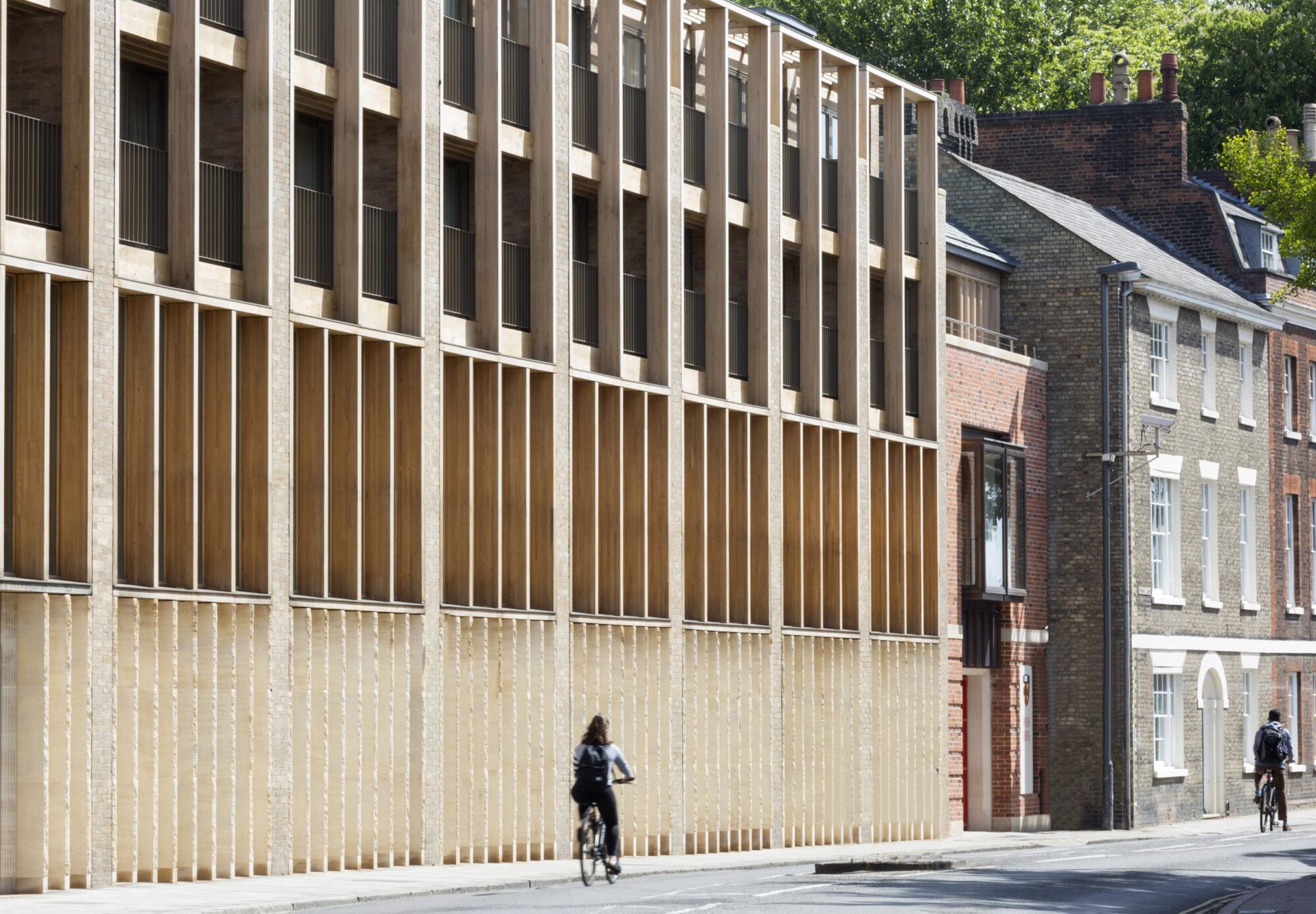
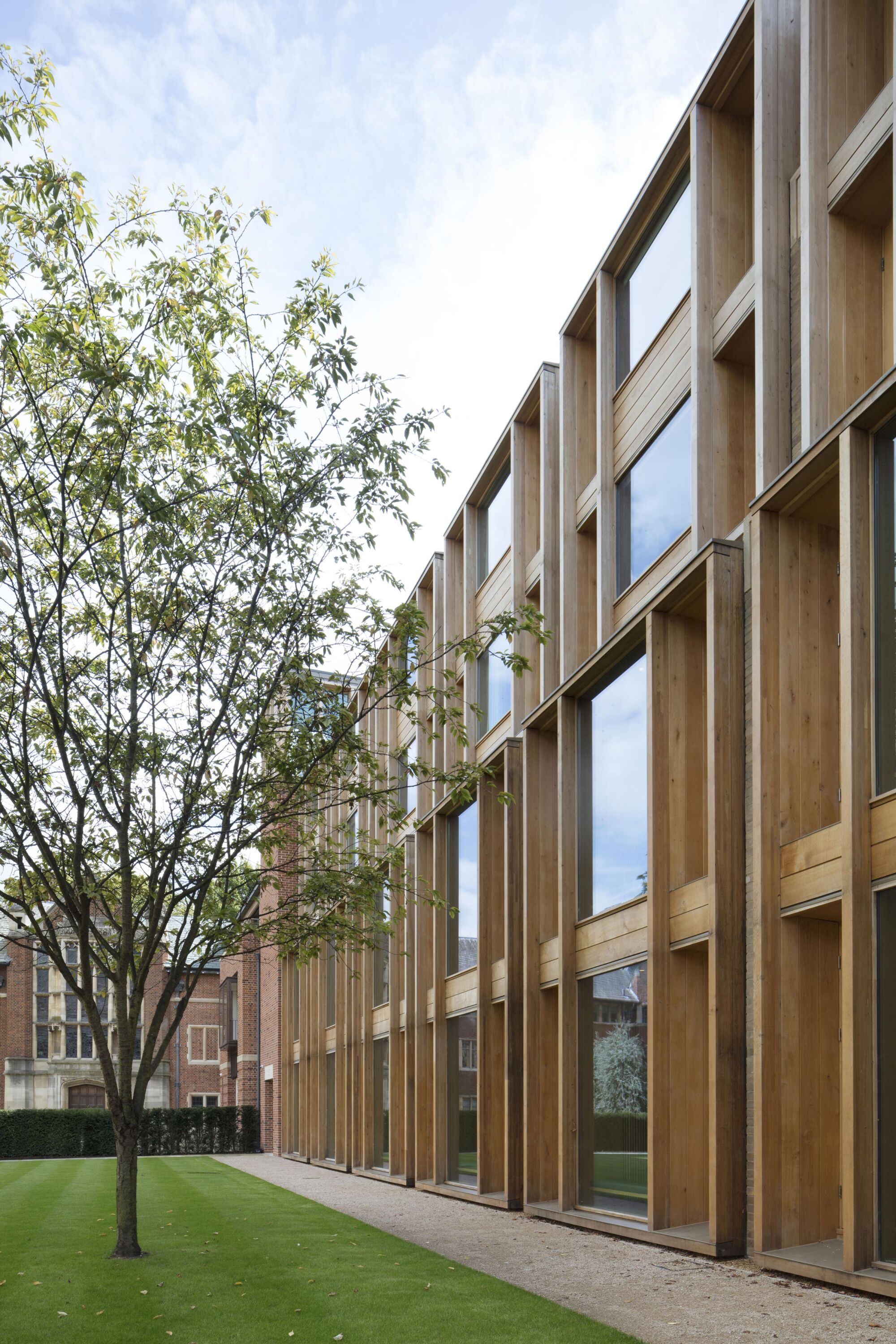
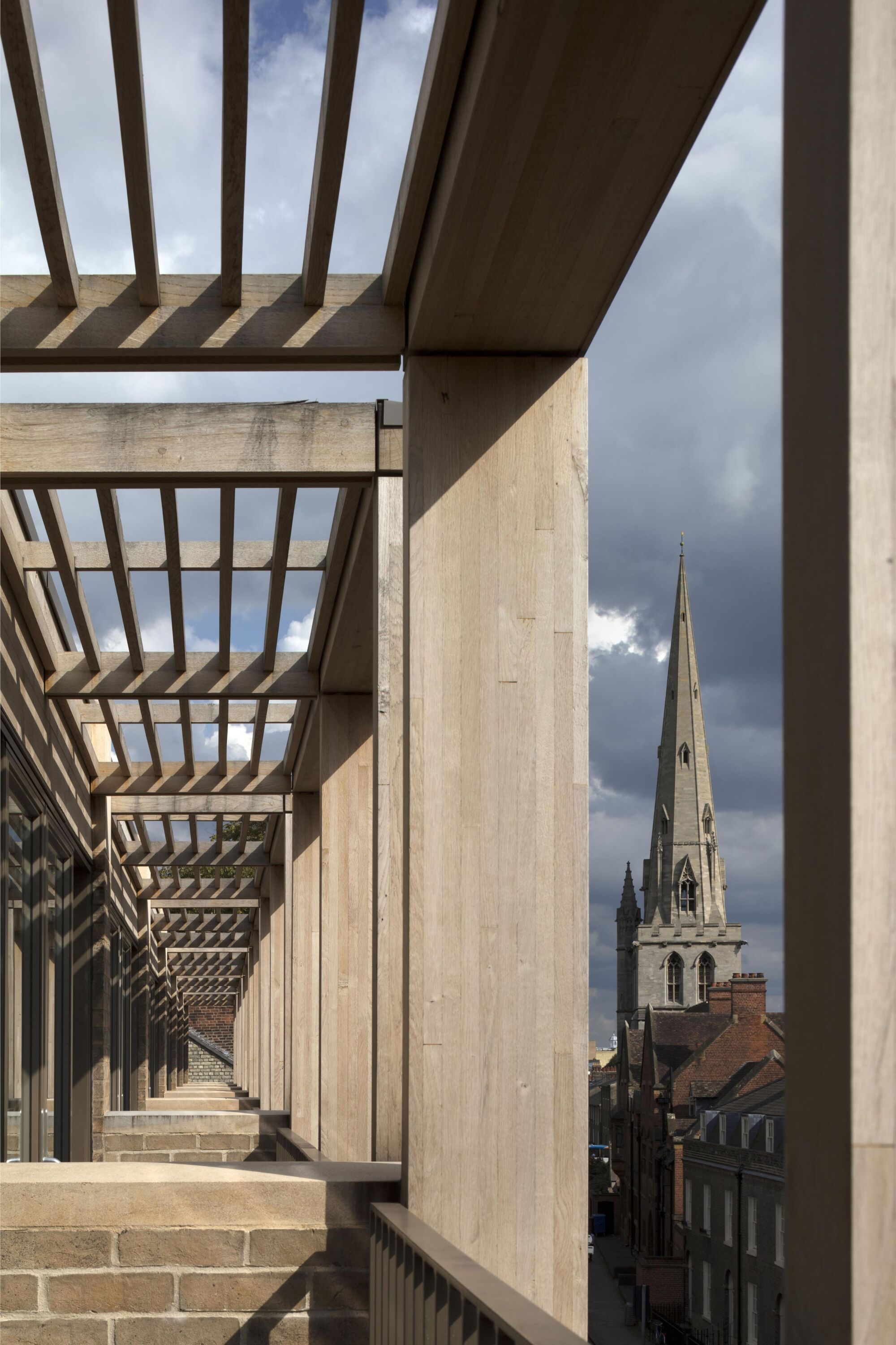
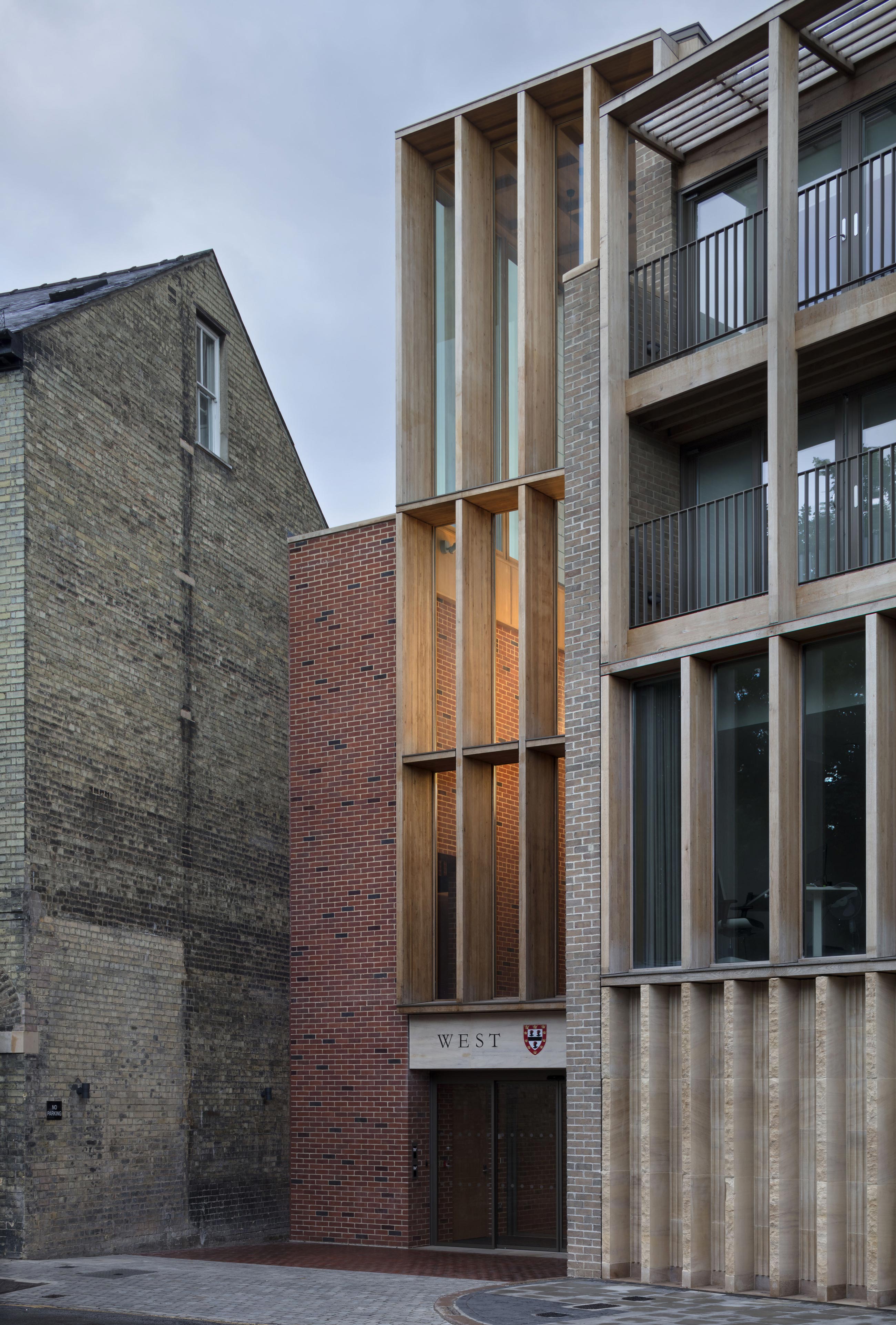
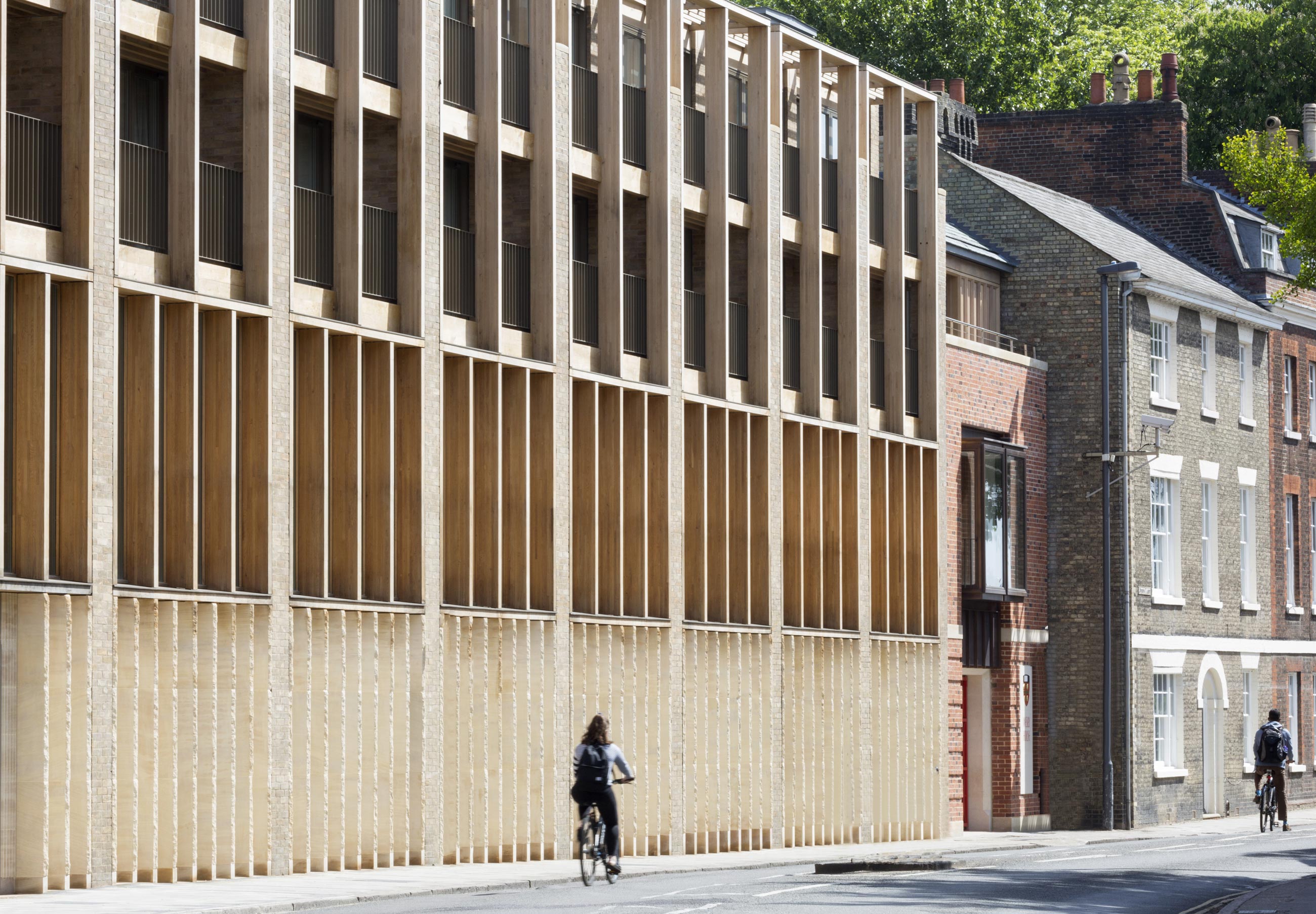
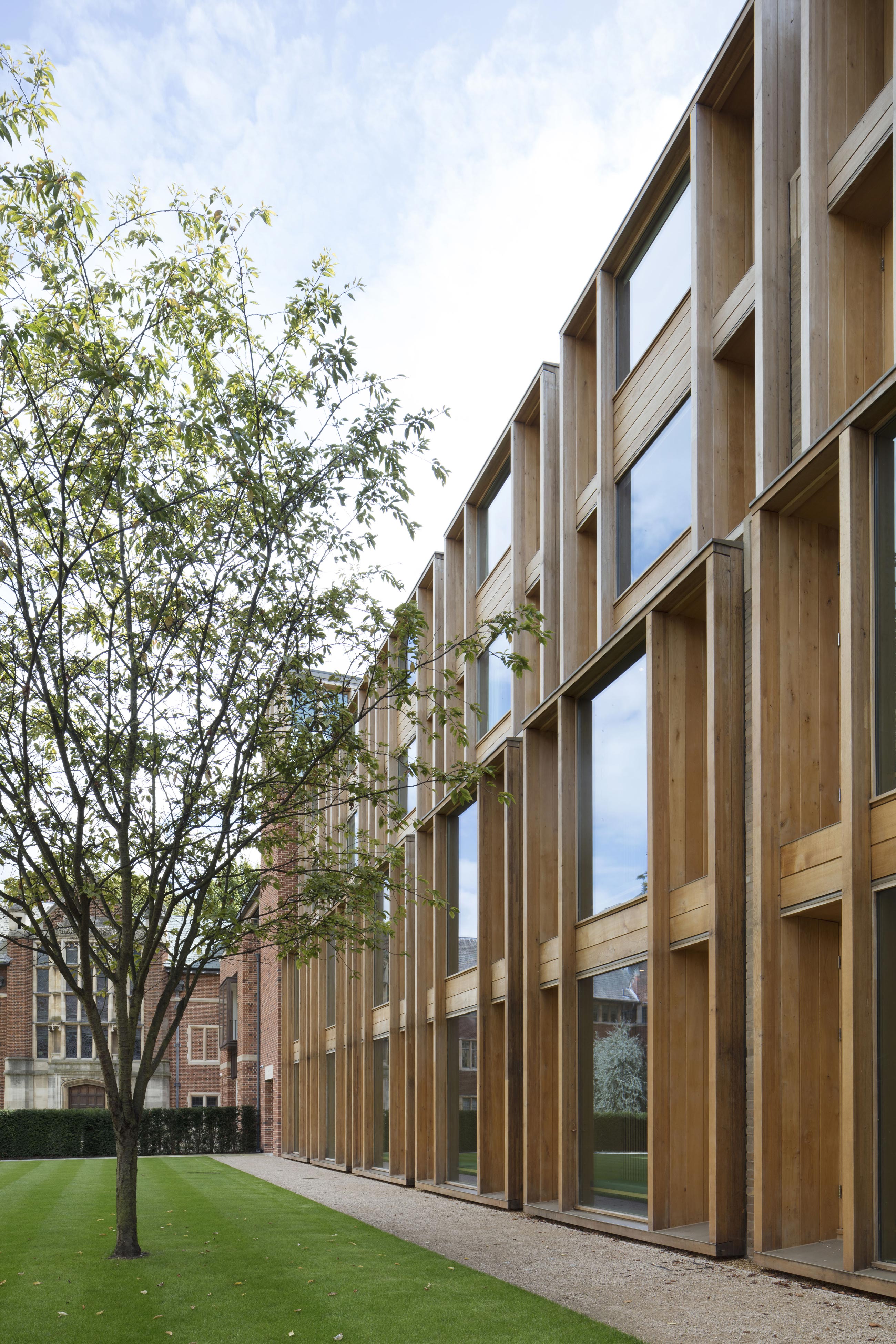
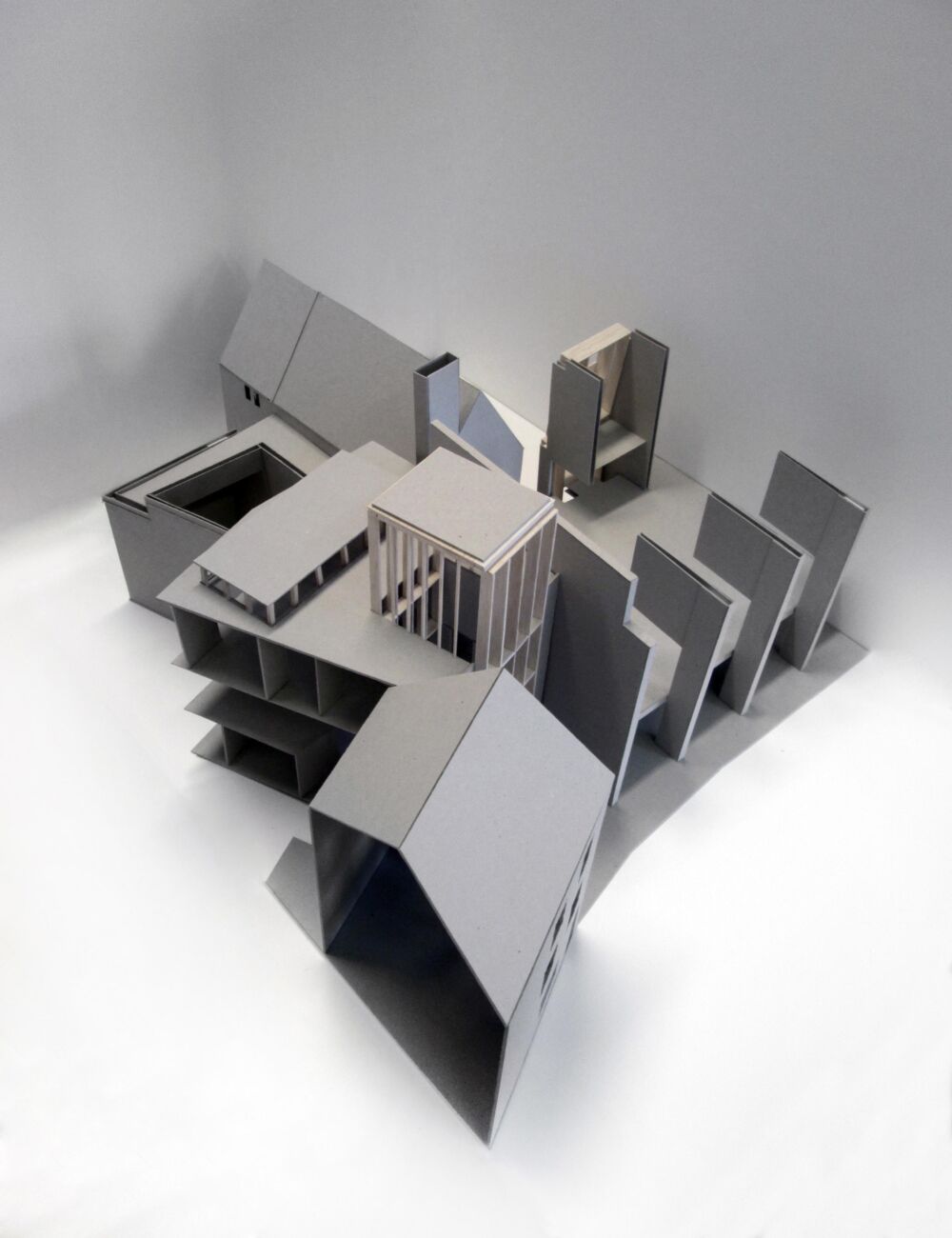
While at Niall McLaughlin Architects, Benni was privileged to work on a range of projects including the renovation of West Court, a Grade II listed building for Jesus College in Cambridge. The project was successful in achieving a building that is both grounded in its place while offering a renewed image of the College onto the city. Benni worked on the scheme from concept stage, supporting the project through planning and across two of its main build stages. He gained experience of working with listed buildings, executing internal and external packages during the renovation of the original building.
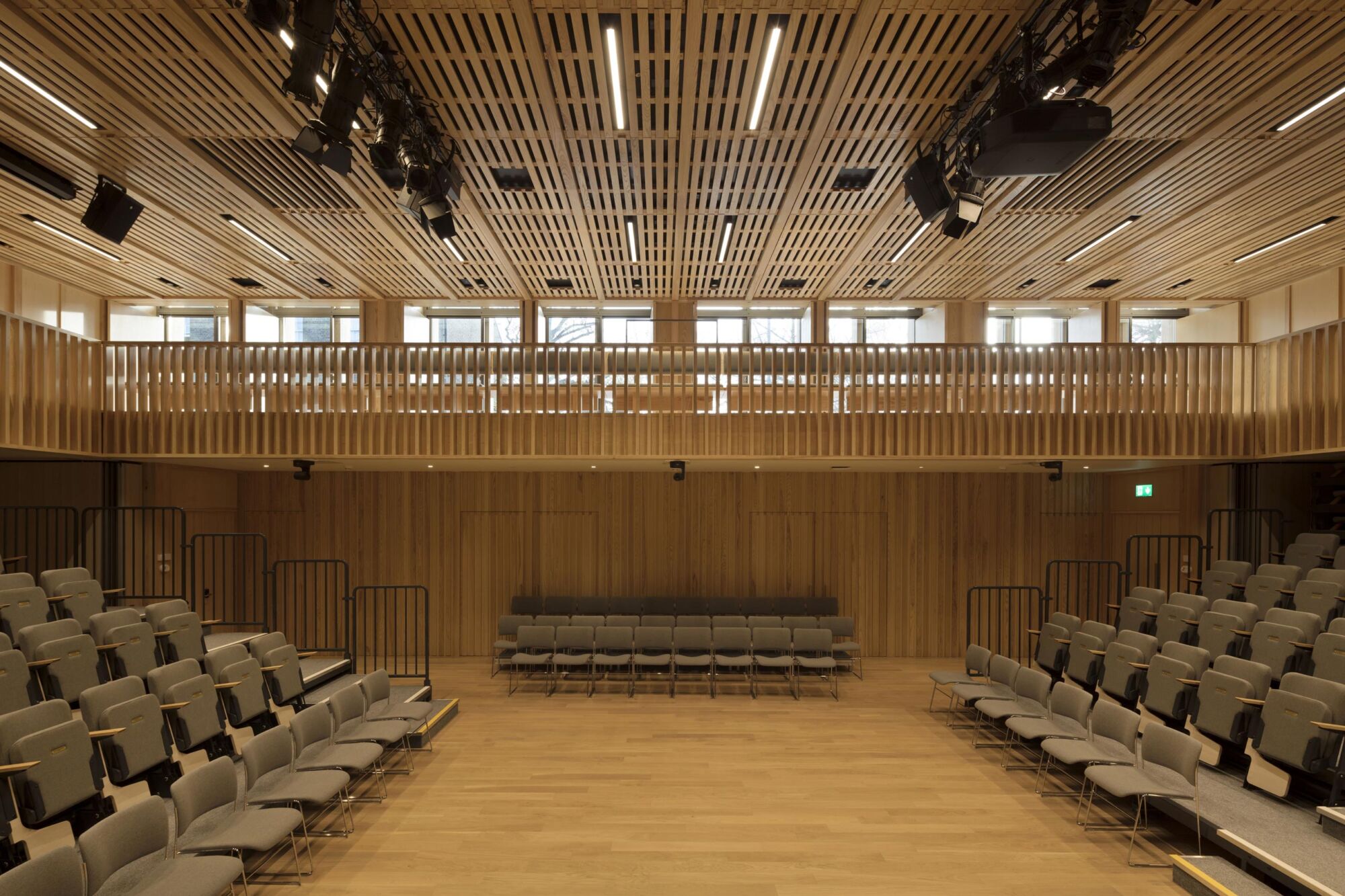
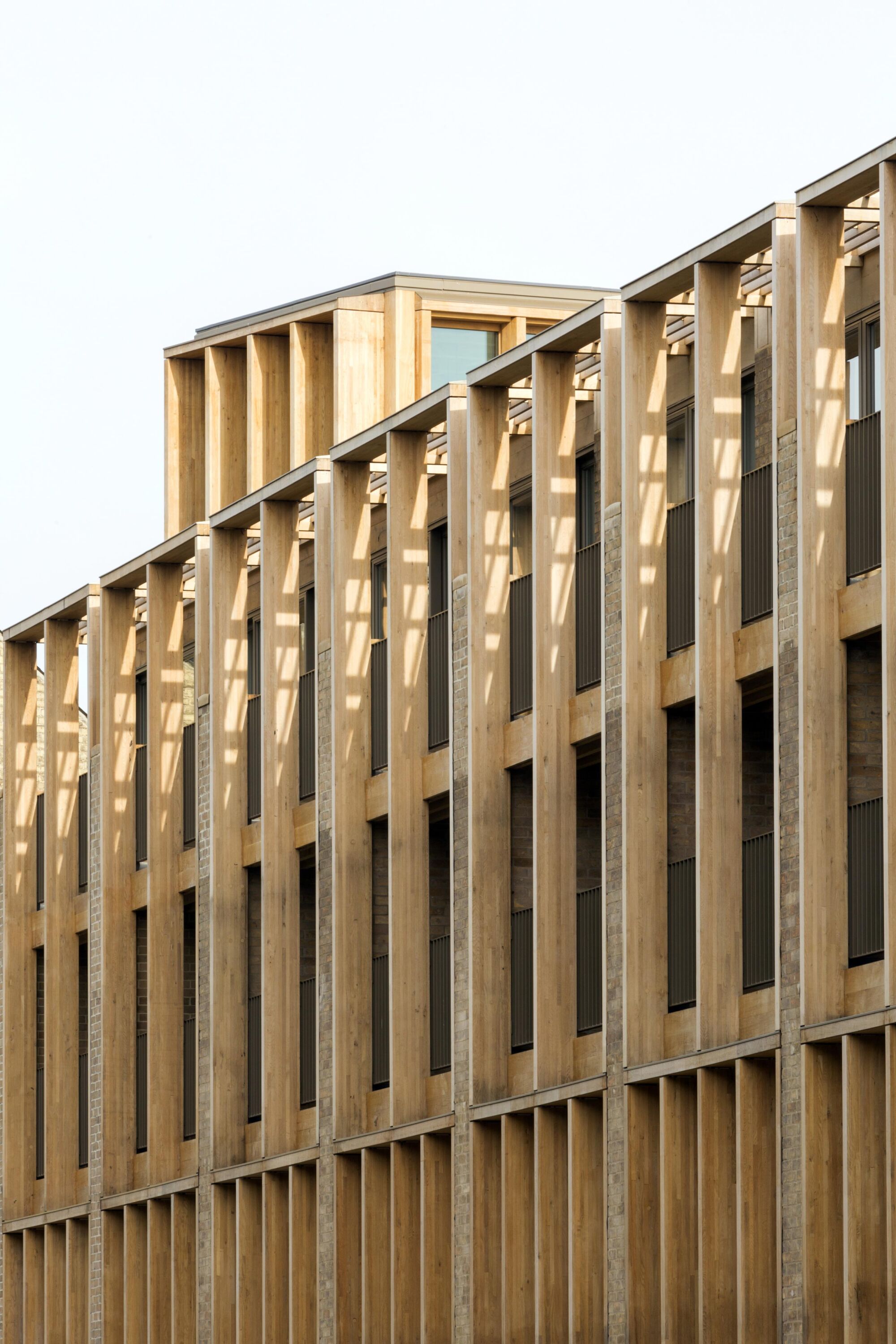
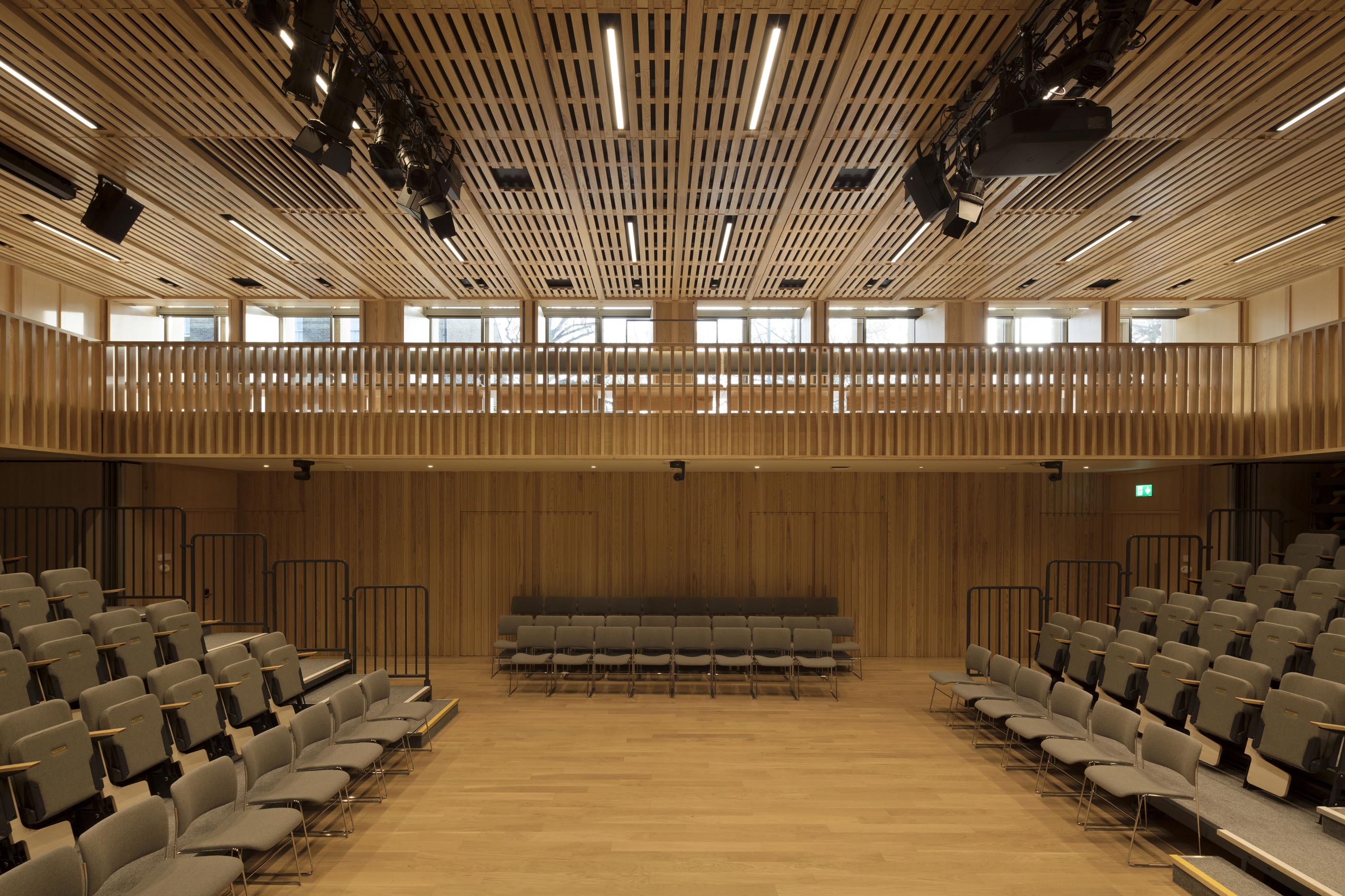
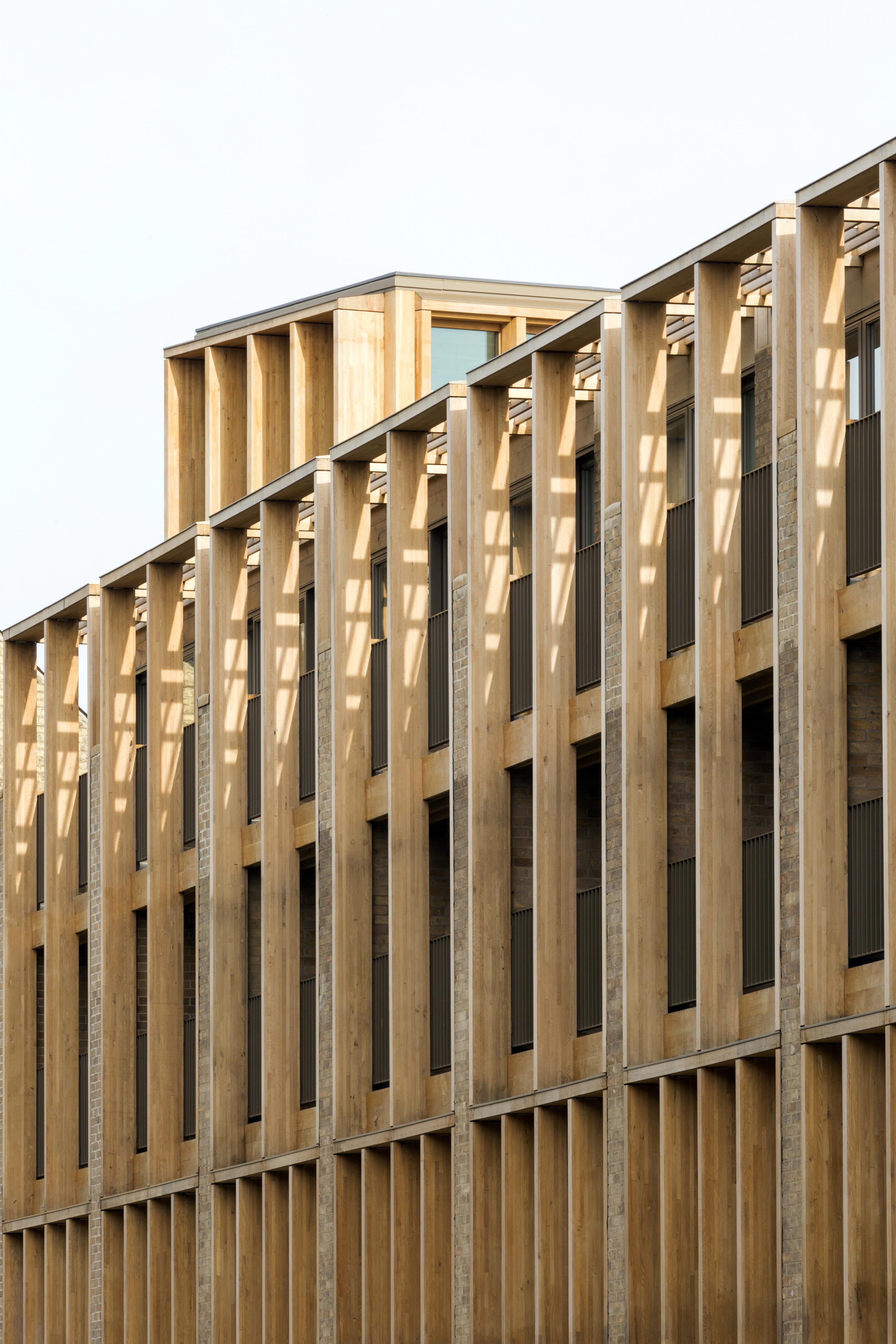
In addition, Benni was involved in the design of the new entrance tower on Jesus Lane and supported the design of the facade of its adjacent building with a rhythmic timber insert of bays between existing brick piers. A new 180-seater auditorium was inserted within the extensively remodelled structure as a golden timber-lined box, designed to support the College’s repute as a centre for research. Above, a suite of long and short-term accommodation completes the court with different treatments that respond to a private condition and the opposite urban streetscape.
Project realised by Niall McLaughlin Architects.
Title: Jesus College
Location: Cambridge
Year: 2017
Client: Jesus College
Type: Cultural
Status: Completed
Related Projects